
目录
- What is Empty Palm Fruit Bunch (EFB)?Key Benefits of Utilizing Empty Palm Fruit Bunch (EFB)Top 5 Revolutionary Applications of Empty Palm Fruit Bunch (EFB)The Environmental Impact of EFB ManagementEFB面临的挑战和未来展望Conclusion: The Bright Future of the Empty Palm Fruit Bunch (EFB)
The palm oil industry, a giant in the global agricultural sector, produces more than just 粗棕榈油. For every ton of oil extracted from the fresh 油棕果串, a significant amount of biomass waste is generated. Among the most abundant of these is the 空棕榈果串(EFB). Once considered a cumbersome waste product, EFB is now being recognized as a valuable resource with immense potential. This guide explores the transformative journey of this humble byproduct into a cornerstone of sustainable innovation.
What is Empty Palm Fruit Bunch (EFB)?
一个 空棕榈果串(EFB) is the fibrous stalk left over after the palm fruits have been stripped off for oil extraction. These bunches are a lignocellulosic material, rich in cellulose, hemicellulose, and lignin. In its raw form, an EFB is bulky, with high moisture content (around 60-70%), making it challenging to transport and handle.
To understand EFB, it’s helpful to picture the entire fruit bunch. After the valuable fruits are removed to be processed for their oil and the 棕榈仁, what remains is this fibrous, empty bunch. Historically, these bunches were either left to rot in plantations or incinerated, leading to significant environmental problems. However, with advancements in technology and a growing emphasis on the circular economy, the narrative around the 空棕榈果串(EFB) is changing dramatically.

Key Benefits of Utilizing Empty Palm Fruit Bunch (EFB)
Harnessing the potential of EFB offers a trifecta of benefits: environmental, economic, and agricultural. This approach transforms a liability into a high-value asset, paving the way for a more sustainable palm oil industry.
环境优势
- 减少浪费: Proper utilization of EFB significantly reduces the volume of waste sent to landfills or burned in incinerators.Renewable Energy Source: As a biomass feedstock, the 空棕榈果串(EFB) provides a carbon-neutral alternative to fossil fuels, helping to mitigate climate change.Improved Soil Health: When returned to the soil as compost or mulch, EFB enhances soil organic matter, reduces erosion, and improves water retention.
经济机会
- 价值创造: Processing EFB into products like biofuel and compost creates new revenue streams. This is part of a wider strategy where all byproducts, including 棕榈仁压榨机 for animal feed, 棕榈仁壳 for biofuel, and valuable 棕榈仁油, are monetized.能源独立: Mills can use EFB to generate their own electricity and heat, reducing operational costs and reliance on the grid.创造就业机会: The collection, processing, and marketing of EFB-derived products create employment opportunities in rural communities.
Top 5 Revolutionary Applications of Empty Palm Fruit Bunch (EFB)
多功能性 空棕榈果串(EFB) has led to a wide array of applications across different sectors. Below are some of the most prominent and innovative uses.
1. 生物燃料和生物能源的生产
This is perhaps the most well-established use for EFB. The raw bunches are processed to reduce moisture content and then converted into high-density forms like pellets or briquettes. These biofuels are used in industrial boilers to generate steam and electricity, replacing coal and other fossil fuels. Research published by the Journal of Energy Conversion and Management highlights its excellent potential as a solid fuel.

2. Agricultural Mulch and Compost
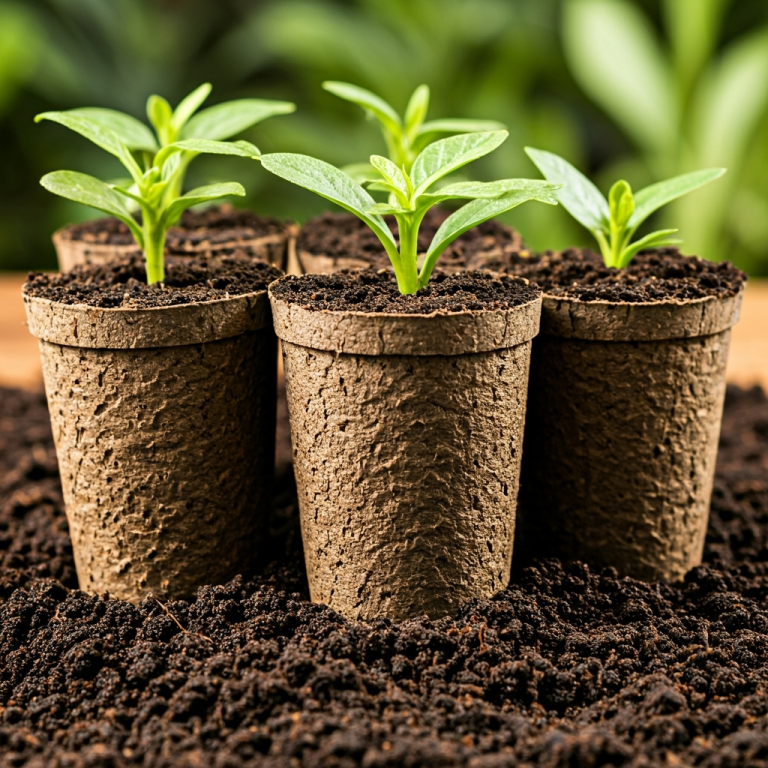
碎 空棕榈果串(EFB) makes for an excellent organic mulch in oil palm plantations and other agricultural settings. It helps suppress weed growth, conserve soil moisture, and regulate soil temperature. Over time, the EFB decomposes, releasing valuable nutrients like potassium back into the soil, reducing the need for chemical fertilizers. As the 联合国粮食及农业组织(粮农组织) notes, mulching is a key practice for sustainable soil management.
3. 纸浆和造纸生产
The high fiber content of EFB makes it a viable raw material for the pulp and paper industry. This non-wood source of fiber can help reduce the pressure on natural forests. While challenges in processing remain, ongoing research is focused on optimizing pulping techniques to produce high-quality paper and packaging materials from the 空棕榈果串(EFB).
4. 复合材料的制造
EFB fibers can be used as a reinforcing agent in polymer composites, creating durable and lightweight materials. These “eco-composites” have applications in the automotive industry (for interior panels), furniture manufacturing, and construction materials like fiberboard. This innovative use of an 空棕榈果串(EFB) aligns with the principles of a circular economy.
5. Production of Activated Carbon
Through a process called pyrolysis, EFB can be converted into activated carbon, a highly porous material with a vast surface area. Activated carbon is widely used in water and air purification systems, filtration masks, and various industrial processes. As documented in studies on biomass conversion, such as this one in the journal Materials, agricultural waste like EFB is an excellent precursor for high-quality activated carbon.
The Environmental Impact of EFB Management
The way an 空棕榈果串(EFB) is managed has profound environmental consequences. Traditional disposal methods contribute to methane emissions, a potent greenhouse gas, from anaerobic decomposition in landfills. Open burning causes air pollution. In contrast, valorization—the process of converting waste into valuable products—turns this environmental threat into a solution.
By adopting EFB recycling and upcycling technologies, the palm oil industry can significantly lower its carbon footprint. According to a life cycle analysis published in the IOP Conference Series: Earth and Environmental Science, using EFB for energy can lead to substantial reductions in greenhouse gas emissions compared to conventional disposal.
EFB面临的挑战和未来展望
Despite its vast potential, the widespread utilization of the 空棕榈果串(EFB) is not without challenges. Key hurdles include:
- High Moisture Content: Raw EFB is wet and heavy, making it inefficient and costly to transport. Pre-treatment like dewatering and shredding is essential.Logistical Complexity: Collecting, transporting, and processing large volumes of bulky EFB requires significant infrastructure and investment.Technological Gaps: While many technologies exist, optimizing them for efficiency and cost-effectiveness at an industrial scale is an ongoing process.
The future, however, looks bright. Continuous innovation in biomass processing, growing global demand for renewable resources, and supportive government policies are driving the EFB market forward. As we move towards a more sustainable future, the 空棕榈果串(EFB) is set to play a crucial role in the bio-based economy.
Conclusion: The Bright Future of the Empty Palm Fruit Bunch (EFB)
这 空棕榈果串(EFB) is a prime example of how industrial byproducts can be transformed from waste into wealth. Its applications in bioenergy, agriculture, and material science offer a clear path toward a more sustainable and circular palm oil industry. By embracing the potential of EFB, we can reduce waste, combat climate change, and create new economic value, turning a simple stalk into a symbol of green innovation.
Makmur Amanah Sejahtera 提供高品质的棕榈产品,例如棕榈仁压榨料、棕榈仁壳、原棕榈油、棕榈仁油等。请通过 WhatsApp +6282140002198 或发送电子邮件至 admin@makmuramanah.co.id 与我们联系。. [Video Suggestion: An animated infographic video showing the lifecycle of an Empty Palm Fruit Bunch (EFB) from the plantation to its various applications like biofuel, compost, and bioplastics.]正在寻找高品质的棕榈产品?

 Chinese
  English
  Indonesian
  Arabic