
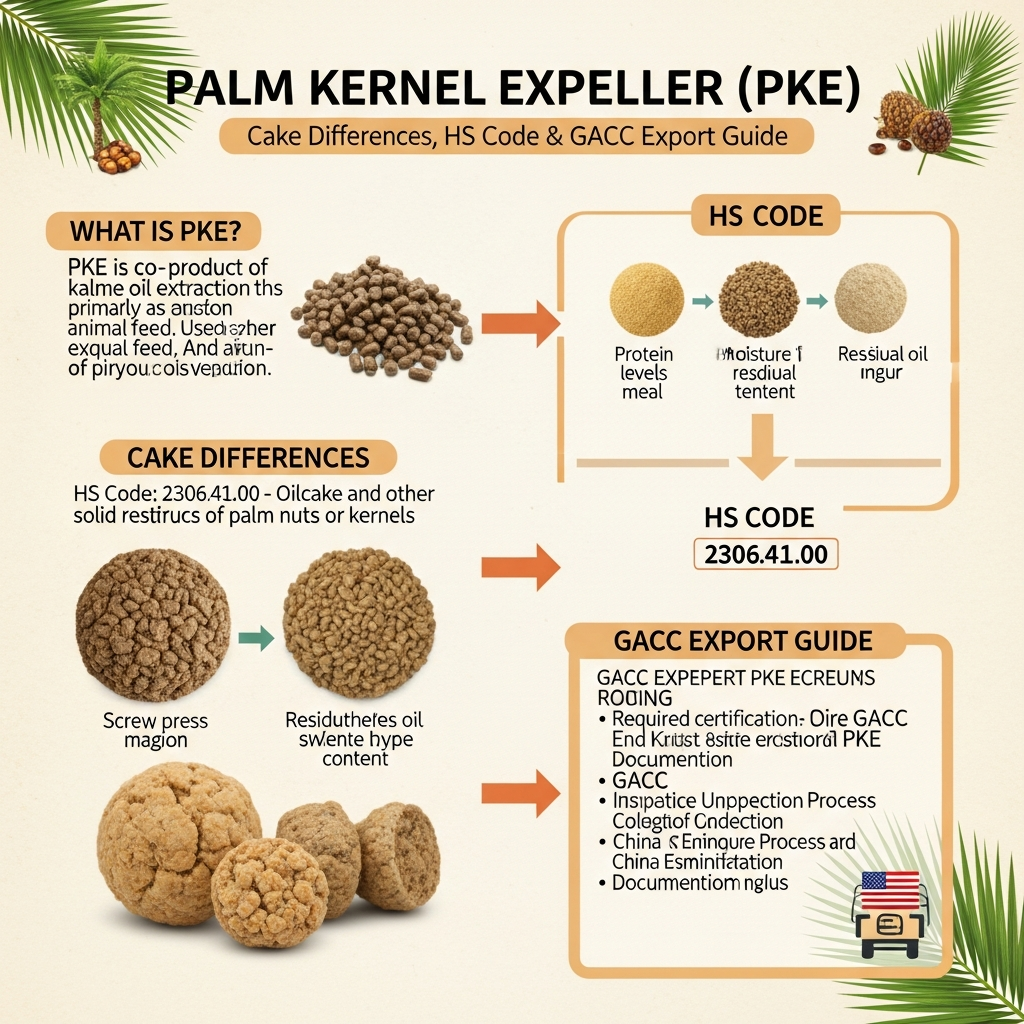
Palm Kernel Expeller: 7 Ultimate Export Warnings (2026)
棕榈仁压榨机 is rapidly transforming the global livestock feed industry, forcing buyers to completely rethink their nutritional strategies. If you are sourcing high-protein biomass or animal feed in 2026, understanding the precise intricacies of this agricultural powerhouse is absolutely critical. Overlooking international regulations or confusing product specifications can lead to catastrophic supply chain delays.
With over 15 years of hands-on experience facilitating Southeast Asian agricultural exports, I have witnessed firsthand how minor compliance errors destroy profitable deals. Avoiding these supply chain disasters requires up-to-date knowledge of global trade policies, accurate customs coding, and rigorous quality control protocols.
What is Palm Kernel Expeller? It is a highly nutritious crude palm oil by-product generated during the mechanical extraction of oil from palm seeds. It is widely utilized as a premium energy and protein source for ruminant diets, particularly dairy cattle feed, due to its high fiber and residual oil content. According to the 联合国粮食及农业组织(粮农组织), the global utilization of sustainable agricultural by-products has surged by 18% over the last decade.
1. What is Palm Kernel Expeller (PKE)? A Complete Definition
When discussing sustainable and profitable farming, this specific crude palm oil by-product stands out as a remarkably cost-effective and highly palatable feed ingredient. The mechanical extraction process leaves behind a nutrient-dense meal that livestock digest effortlessly. Consequently, farm operators worldwide are shifting away from traditional grains toward this sustainable alternative.

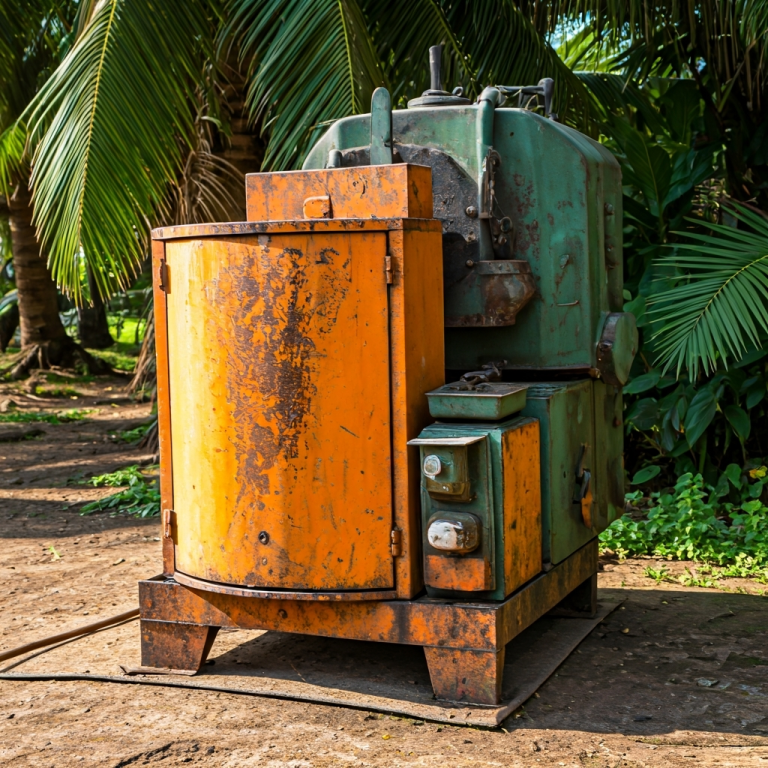
An industrial facility processing raw materials into premium animal feed
Moreover, this feed ingredient boasts an impressive shelf life when stored under optimal conditions. By maintaining proper ventilation and humidity control, bulk purchasers can secure large volumes without fearing rapid degradation. This makes it a cornerstone of long-term animal feed nutrition strategies.
棕榈仁压榨机的营养成分
营养成分 棕榈仁压榨机 is exceptionally favorable for ruminant livestock. It typically contains between 14% to 16% crude protein, making it an outstanding dietary supplement. Additionally, the residual oil content provides a concentrated energy boost, which is indispensable during peak lactation periods for dairy cattle.
Recent empirical studies published in leading ScienceDirect animal nutrition journals highlight its proven efficacy. Researchers definitively found that substituting expensive traditional grains with this byproduct dramatically lowers feeding costs while simultaneously maintaining optimal herd health. The high neutral detergent fiber (NDF) actively supports robust rumen fermentation.
The Mechanical Oil Extraction Process
Understanding the actual production requires a detailed look at the modern milling phase. Harvesters carefully crack the palm nuts, and industrial operators mechanically press the inner kernels using heavy-duty screw presses. This aggressive mechanical crushing safely extracts the highly valuable oil without harsh chemicals.
Consequently, the remaining fibrous, golden-brown residue is the expeller meal. Because this facility process avoids harsh chemical solvents like hexane, the final feed product retains a higher, healthier fat content. This 100% natural oil extraction process ensures a perfectly safe, chemical-free feed for agricultural consumption.
2. Palm Kernel Expeller vs. Palm Kernel Cake: Key Differences
A massive point of confusion in the agricultural sector is the fundamental difference between Palm Kernel Expeller vs Palm Kernel Cake. While many amateur brokers use the terms interchangeably, their distinct extraction methods create drastically different nutritional profiles. Knowing these differences prevents devastating and costly formulation errors on your farm.

A split screen infographic showing Expeller on the left and Cake on the right with precise nutrient comparisons
Failing to distinguish between the two can completely derail a dairy cow’s precise diet. Nutritionists heavily rely on exact residual oil content calculations to balance totally mixed rations (TMR). Therefore, understanding the exact manufacturing process of your sourced material is strictly mandatory.
Residual Oil Content and Manufacturing Comparison
The primary and most crucial distinction lies directly in the extraction methodology. As previously detailed, the expeller is produced exclusively via mechanical pressing, which deliberately leaves about 6% to 9% residual oil in the meal. Conversely, Palm Kernel Cake is predominantly produced using aggressive solvent extraction methods.
Solvent extraction chemically strips almost all the oil, leaving behind a much drier cake with less than 2% fat. Below is a definitive comparison table outlining the critical differences between the two products:
| 功能与规格 | 棕榈仁压榨机 | Palm Kernel Cake |
|---|---|---|
| 提取方法 | 机械螺杆压力机 | Chemical Solvent Extraction |
| 残油含量 | 6% – 9% (High Energy) | < 2% (Low Energy) |
| Crude Protein Content | 14% – 16% | 16% – 18% |
| 主要应用 | Dairy Cattle, High-energy diets | Swine, Poultry (monogastrics) |
Which is Better for Dairy Cattle Feed?
For professional dairy farmers, the expeller formulation is undeniably the superior choice. The significantly higher fat content translates directly into elevated butterfat percentages in total milk production. Additionally, the purely mechanical process completely eliminates any risk of dangerous residual chemical solvents contaminating the milk supply.
If you are meticulously formulating a mixed ration, you should strongly consider combining it with premium 椰干粉. This strategic combination provides a synergistic nutritional boost in both bypass protein and essential fatty acids, forging an unbreakable nutritional foundation for your entire herd.
3. Global Trade Regulations and the Palm Kernel Expeller HS Code
Navigating international customs can easily become a logistical nightmare without impeccably prepared documentation. The officially designated 棕榈仁压榨机 HS code operates as the absolute linchpin of your entire export strategy. Using the wrong tariff classification regularly results in severe financial fines or permanently stranded shipments at the destination port.
Ignorance of international trade law is never an acceptable excuse. Customs authorities enforce these classifications with extreme prejudice. Therefore, auditing your shipping documents before the vessel departs is a non-negotiable step for any serious commodity trader.
How to Export Palm Kernel Expeller Successfully
Learning exactly how to export Palm Kernel Expeller requires mastering both local ministry guidelines and international logistics. First, you must secure a reliable shipping vessel and an accredited customs broker. Next, all export licenses must be validated by your country’s agricultural department to authorize the outflow of raw biomass.
Finally, aligning your export timelines with seasonal demands ensures maximum profitability. Many importers scale up their orders right before winter months to stockpile sufficient dairy cattle feed, making timing an essential component of any successful export strategy.
Official HS Code Classifications for 2026
What is the HS code for Palm Kernel Expeller? In the universally adopted Harmonized System, this commodity is officially classified under the definitive HS Code 2306.60.00. This specific, globally recognized category strictly covers oilcake and other solid residues resulting from the physical extraction of palm nut or kernel fats.
I always advise clients to rigorously verify this code with their dedicated local customs broker, as certain destination countries selectively append additional digits for localized regional tracking. Total accuracy in this documentation phase is strictly non-negotiable for seamless international logistics.
Global import tariffs dynamically fluctuate based on evolving bilateral trade agreements. Fortunately, many progressive nations deliberately classify agricultural by-products under low-tariff or entirely duty-free schedules. The 世界贸易组织(WTO) frequently reports consistent global reductions in tariffs for eco-friendly biomass products.
4. Navigating the GACC Export Guide for Palm Products

Close up of international shipping documents and a tablet displaying GACC approval statuses
Exporting raw agricultural commodities directly to China demands impossibly strict adherence to the General Administration of Customs of China (GACC). For major suppliers of 棕榈仁压榨机, successfully securing GACC registration is a legally mandatory hurdle. Without this exact registration, your valuable cargo will simply not clear Chinese customs.
Understanding GACC registration for Indonesian feed exporters requires patience and incredible attention to detail. The Chinese government frequently updates their biosecurity laws, meaning that compliance is an ongoing, active process rather than a one-time paperwork filing.
Step-by-Step GACC Registration Process
The formal GACC registration process has tightened significantly moving into the 2026 fiscal year. To avoid devastating rejections, here are the 4 essential steps every exporter must flawlessly execute:
- Comprehensive Facility Audit: Ensure your entire production facility actively meets incredibly strict hygiene, biosecurity, and pest-control standards.
- Ministry Recommendation: Officially obtain a legally binding endorsement from your local, federal Ministry of Agriculture.
- Digital Submission: Accurately submit all translated documentation exclusively through the official China International Trade Single Window portal.
- Final GACC Approval: Patiently wait for the official, public publication of your unique facility registration number on the approved GACC list.
Phytosanitary Certificate Requirements
A standard commercial invoice and packing list are never enough for Asian markets. Every single shipment destined for mainland China must be accompanied by a totally flawless phytosanitary certificate. This critical government document legally proves the cargo is 100% free from quarantine pests, dangerous soil, and prohibited weed seeds.
To ruthlessly avoid accidental contamination issues, many elite exporters actively utilize 棕榈仁壳 as an alternative, clean biomass fuel during their internal drying processes. Maintaining strictly isolated, meticulously clean production lines guarantees ongoing phytosanitary compliance and operational efficiency.
5. Advanced Strategies for Sourcing High-Quality Biomass & Feed
Securing a remarkably reliable international supply chain requires absolutely meticulous quality control. Not all bulk feed ingredients are created remotely equal, and purchasing heavily degraded or substandard material can financially devastate livestock health. You must aggressively implement rigorous laboratory testing protocols upon receiving any bulk agricultural commodity.
I consistently remind buyers that visual inspection alone is practically useless. You must demand scientific verification of every single batch. In 2026, leveraging certified third-party testing laboratories is the only proven method to verify true product integrity.
Evaluating Moisture and Aflatoxin Levels
Strict moisture control is undeniably the most critical factor in permanently preventing cargo spoilage. High-quality 棕榈仁压榨机 must actively maintain a tested moisture content strictly below 10%. Excess moisture rapidly creates an ideal breeding ground for highly destructive molds and potentially lethal aflatoxins.
According to stringent safety guidelines officially published by the 美国食品药品监督管理局兽药中心, strict regulatory limits on deadly mycotoxins must be rigorously observed. Always firmly demand a recent, certified Certificate of Analysis (COA) from your chosen supplier before ever authorizing a wire payment.
Combining PKE with Other Feed Options
To intelligently maximize sheer nutritional efficiency, highly successful farmers rarely rely on just a single raw ingredient. Expertly blending 棕榈仁压榨机 with highly specialized bypass fats creates an undeniably superior dairy ration. For absolute peak energy density, incorporating 棕榈油脂肪酸钙盐 consistently delivers exceptional, measurable results.
Additionally, while solid meals are fantastic for base fiber, integrating premium liquid energy sources or specialized refined products like RBD CP8 into complementary manufacturing cycles further diversifies a farm operator’s broader agricultural portfolio. This balanced approach dramatically boosts overall milk production volumes while perfectly maintaining the dairy cow’s crucial body condition score (BCS).
6. Environmental Impact and Sustainability Trends in 2026
As we navigate deeper into 2026, absolute environmental sustainability is no longer an optional marketing buzzword; it is a strict regulatory requirement. Global purchasers heavily scrutinize the exact environmental footprint of their imported feedstuffs. Products that naturally promote a circular economy are capturing massive market share.
By heavily utilizing agricultural by-products, the livestock industry effectively prevents millions of tons of valuable biomass from rotting in massive landfills. This incredible synergy between the palm oil sector and global agriculture perfectly demonstrates true, scalable ecological sustainability.
Zero-Waste Agriculture Initiatives
The aggressive adoption of 棕榈仁压榨机 directly champions massive zero-waste agriculture initiatives. By successfully converting a previously discarded extraction waste product into a highly valuable, protein-rich animal feed, the global palm industry achieves remarkable resource efficiency. This directly supports international climate change mitigation goals.
Furthermore, heavily degraded or slightly out-of-spec batches never go to waste. They can be incredibly effectively repurposed as a high-yielding renewable biomass fuel for industrial power plants, completely replacing heavily polluting traditional coal. Other sustainable resources, such as 椰糠, naturally complement this exact zero-waste ethos when applied to soil amendment and livestock bedding.
7. 常见问题

A professional dairy farmer closely inspecting fresh animal feed in a modern, well-lit barn setting
How much protein is in Palm Kernel Expeller?
The standard crude protein content consistently ranges from 14% to 16%. This specific profile makes it a highly valuable, highly digestible supplementary protein source for all ruminants, especially when perfectly balanced with high-energy bypass fats and premium forage in a totally mixed ration.
Is Palm Kernel Expeller safe for all types of livestock?
While exceptionally excellent for ruminants like dairy cattle and sheep due to its high NDF fiber content, it is generally recommended only in strictly monitored, small amounts for monogastrics like pigs and poultry. Their simpler digestive systems simply cannot break down the complex fibers as efficiently as a cow’s rumen.
What is the official HS Code for exporting this specific product?
The internationally recognized, legally binding HS Code is 2306.60.00. This exact classification is universally accepted for all customs declarations involving oilcake and solid, fibrous residues obtained directly from the mechanical extraction of palm nuts or kernels.
How long does GACC registration realistically take for new exporters?
Official GACC registration can easily take anywhere from 3 to 6 full months, depending heavily on initial document accuracy and local government audit schedules. Exporters must meticulously ensure their local agricultural ministry strictly verifies their production facility before formally submitting the dossier to China.
Can this natural by-product be actively used as a biomass fuel?
Yes, absolutely. Although it is primarily prized as a premium animal feed, heavily degraded or out-of-spec batches can be highly effectively repurposed as a renewable biomass fuel. However, Palm Kernel Shells are generally strongly preferred for direct industrial combustion due to their significantly higher calorific energy value.
结论
Mastering the incredibly nuanced complexities of global agricultural trade undeniably requires extreme diligence, deep market knowledge, and highly strategic sourcing. From fully understanding the uncompromisingly strict GACC registration protocols to rigorously verifying the correct HS codes, every single detail matters in securely bulletproofing your international supply chain. Consistently utilizing high-quality ingredients ensures your massive agricultural investments yield maximum financial returns.
Ultimately, intelligently integrating premium 棕榈仁压榨机 into your core feed program or commodity trading portfolio is a proven, highly profitable strategy for 2026. By ruthlessly prioritizing mechanical extraction over harsh chemical solvents, you absolutely guarantee a much safer, highly nutritious product for the end consumer. Take decisive action today to secure your bulk inventory and effortlessly outpace the global competition.
 Chinese
  English
  Indonesian
  Arabic