
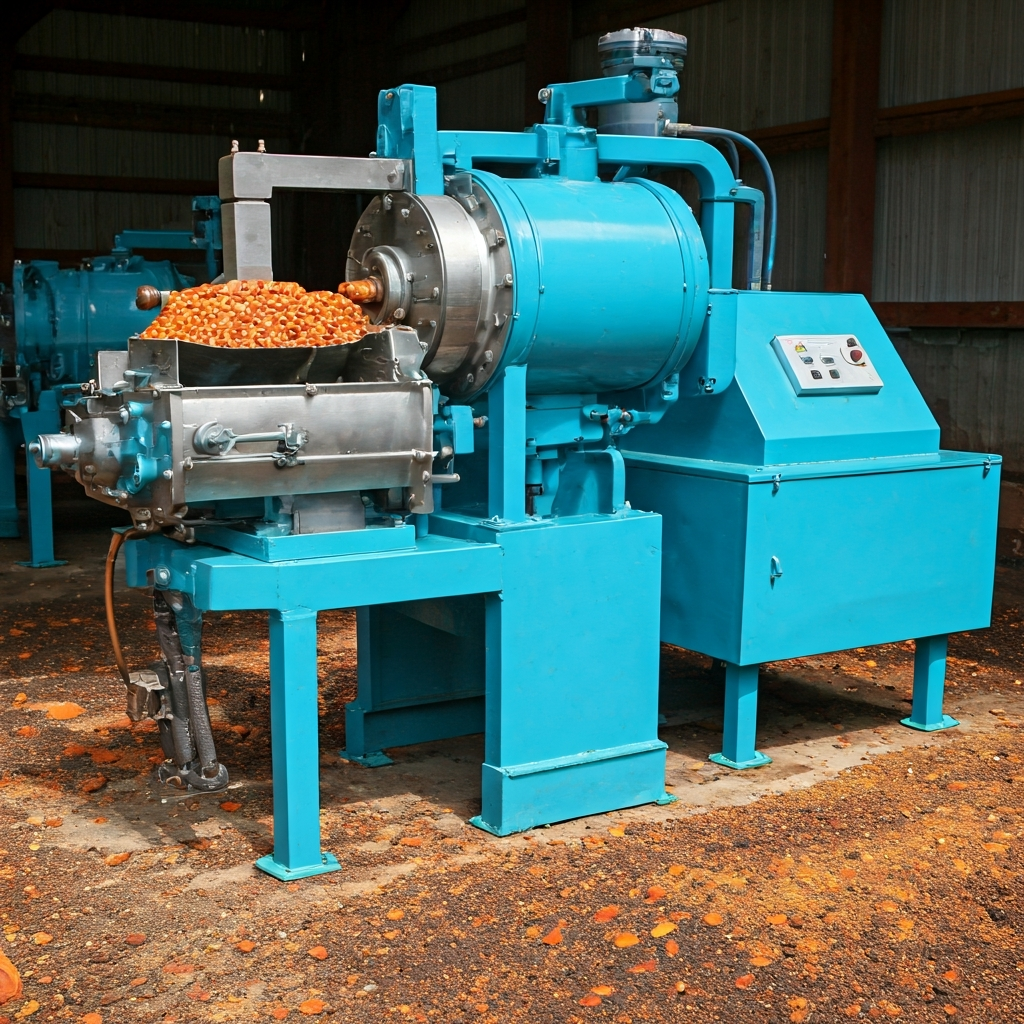
Palm Kernel Expeller: The Ultimate 2026 Feed Guide
棕榈仁压榨机 is a powerhouse in livestock nutrition, but are you using it correctly? Many farmers miss out on its full potential, leading to wasted money and subpar animal performance. This guide provides the expert insights needed to transform your feed strategy in 2026.
In the competitive world of agriculture, every component of your operation must be optimized. Animal feed, often the largest single expense, is a critical area for this optimization. One of the most discussed alternative feed ingredients is PKE, but misinformation can lead to costly errors.
In fact, research shows that improper formulation can reduce feed efficiency by up to 15%. This comprehensive guide cuts through the noise. We will delve into the precise specifications, pricing dynamics, and best-use cases for 棕榈仁压榨机, ensuring you make informed, profitable decisions for your livestock operation.

棕榈仁粕(PKE)究竟是什么?
Palm Kernel Expeller (PKE), also known as Palm Kernel Cake, is a highly valuable co-product from the palm oil industry. It is the fibrous material remaining after the mechanical extraction of oil from the palm kernel. This process results in a nutrient-dense feed ingredient packed with moderate protein and high fiber content.
Crucially, it stands as an affordable and sustainable alternative to traditional feed sources like soybean meal or corn. For farmers, this presents a significant opportunity to manage feed costs without compromising the essential nutritional value for their livestock.
How is Palm Kernel Expeller Produced? A Step-by-Step Process
Understanding the production journey of 棕榈仁压榨机 is key to appreciating its quality and consistency. The process is a model of efficiency, ensuring that nothing from the palm fruit goes to waste.
Fruit Harvesting and Kernel Separation
The journey begins with harvesting Fresh Fruit Bunches (FFB) from oil palm trees. After sterilization and threshing to separate the fruitlets, Crude Palm Oil (CPO) is extracted. This leaves the palm nut, which is then cracked to remove the hard outer casing, a useful biofuel known as the 棕榈仁壳, and release the valuable palm kernel inside.
Kernel Crushing and Oil Extraction
Next, the kernels are thoroughly cleaned, dried, and crushed. The crushed material undergoes a mechanical extraction process using a screw press, or “expeller,” which forces out the Palm Kernel Oil (PKO). The solid, fibrous material that remains is the 棕榈仁压榨机.
Drying and Cooling for Stability
Finally, the freshly produced PKE is screened, cooled, and dried to a specific moisture level (typically below 12%). This crucial last step prevents mold growth, ensures a longer shelf life, and maintains the product’s nutritional integrity, making it stable for global distribution.

Nutritional Specifications of High-Quality Palm Kernel Expeller
Not all PKE is created equal. The nutritional profile can vary based on the extraction method and kernel quality. As a discerning buyer, you must always request a Certificate of Analysis (COA). High-quality PKE typically contains:
- 粗蛋白(CP): 14-17%
- 粗纤维(CF): 16-20%
- 粗脂肪/油脂: 8-12%
- 水分: < 12%
- 代谢能(ME): Approx. 2,400-2,700 kcal/kg for ruminants
Furthermore, it’s a good source of essential minerals like phosphorus, iron, zinc, and manganese. This balanced profile makes it an excellent component for formulating cost-effective and nutritious animal rations, especially when compared to other feedstuffs.
Economic and Sustainability Benefits of Palm Kernel Expeller
Beyond its nutritional profile, PKE offers significant economic and environmental advantages that are crucial for modern farming in 2026.
A Tool for Cost Management
The primary driver for PKE adoption is its cost-effectiveness. As a co-product, its price is often more stable and affordable than primary crops like soybean meal or corn, which are more susceptible to market volatility. This allows farmers to lower feed bills—their largest operational expense—thereby improving overall profitability.
Enhancing Agricultural Sustainability
Using PKE is an act of upcycling. It transforms a residue from the palm oil industry into a valuable resource, reducing waste and promoting a circular economy. Sourcing PKE from suppliers committed to sustainability, such as those with RSPO certification, further ensures that your feed choices support environmentally and socially responsible practices.
Key Uses of Palm Kernel Expeller in Animal Feed
多功能性 棕榈仁压榨机 makes it a staple in various sectors of animal husbandry. Its unique properties are best leveraged when tailored to the specific needs of each animal type.
Ruminant Nutrition (Cattle, Goats)
PKE is most widely used in feed for ruminants. For dairy cows, it provides a fantastic source of bypass protein and digestible fiber, which can improve milk fat content. For those formulating high-energy dairy rations, understanding ingredients like 棕榈仁压榨机 is crucial for optimizing herd health and milk output.
Poultry and Swine Feed Formulation
While its high fiber content can limit its use in monogastric animals like poultry and swine, modern formulation techniques allow for its inclusion at strategic levels. When used correctly, it can serve as an affordable filler and energy source, partially replacing more expensive ingredients in the ration.

PKE vs. Other Feedstuffs: A Comparative Analysis of Palm Kernel Expeller
How does PKE stack up against other common feed ingredients? This table provides a snapshot comparison to help you make an informed decision for your feed needs.
| Feedstuff | Typical Protein % | Typical Fiber % | 主要优势 |
|---|---|---|---|
| 棕榈仁压榨机 | 14-17% | 16-20% | High bypass protein, cost-effective |
| 豆粕 | 44-48% | 3-5% | Very high protein, highly digestible |
| 椰干粉 | 20-24% | 10-14% | Higher protein than PKE, palatable |
In contrast to soybean meal, PKE offers a more affordable source of energy and fiber. This makes it ideal for balancing rations where protein is already sufficient from other sources, providing a unique nutritional profile that complements other feedstuffs perfectly.
Factors Influencing Palm Kernel Expeller Price in 2026
The price of PKE is dynamic, influenced by a variety of global and local factors. According to industry reports from publications like FeedNavigator, staying informed is essential for purchasing at the right time.
- 原棕榈油(CPO)市场: As a co-product, the supply of PKE is directly linked to CPO production. High CPO prices often lead to increased processing and thus a greater supply of PKE, which can stabilize or lower its price.
- 全球饲料需求: The price of competing feedstuffs like soybean meal and corn directly impacts PKE demand. When traditional feed prices are high, demand for PKE surges, potentially increasing its price.
- 运输和物流成本: As a globally traded commodity, international freight costs play a major role in the final landed price for importers.
- Sustainability Certifications: Products certified by reputable bodies command a premium price, as they guarantee environmentally and socially responsible production methods.
How to Choose a Reliable Supplier for Palm Kernel Expeller
Choosing the right supplier is paramount. A reliable partner ensures you receive a consistent, high-quality product that meets your specifications and avoids costly disruptions in your supply chain.
Key Supplier Vetting Criteria
When evaluating potential suppliers for 棕榈仁压榨机, focus on these critical areas:
- Transparent Documentation: A trustworthy supplier will readily provide a Certificate of Analysis (COA) for each batch, along with origin and specification documents.
- Proven Quality Control: Ask about their quality control processes, from production to shipping. Do they have clear procedures for testing moisture, protein, and fat levels?
- Logistics and Reliability: Look for a supplier with a proven track record of reliable logistics and on-time delivery. Check reviews or ask for references.
- Customer Service: A good partner is responsive and able to provide clear information, ensuring you receive exactly what you ordered when you need it.
Makmur Amanah Sejahtera 我们提供优质的棕榈产品,例如棕榈仁粕、棕榈仁壳、原棕榈油、棕榈仁油等。请联系我们。 WhatsApp +6282140002198 或发送电子邮件至 admin@makmuramanah.co.id.
常见问题解答 (FAQ)
牛饲料中棕榈仁粕的理想添加比例是多少?
For dairy and beef cattle, an inclusion rate of 20-30% of the total feed concentrate is generally safe and effective. This can be adjusted based on animal weight, production goals, and other ration components. Always consult a nutritionist for specific recommendations.
Is Palm Kernel Expeller the same as Palm Kernel Meal?
The terms are often used interchangeably, but “Expeller” specifies mechanical pressing, leaving 8-12% residual oil (higher energy). “Meal” can refer to solvent-extracted product, which has lower oil content (<2%). The expeller form is more common and often preferred for its energy value.
Does PKE affect milk taste or quality?
No. Extensive research published in journals like the 乳品科学杂志 shows that including PKE at recommended levels does not negatively affect milk taste or quality. In some cases, its impact on fat can be a desirable benefit.
How should PKE be stored?
Store PKE in a cool, dry, and well-ventilated area away from direct sunlight and pests. To prevent mold and clumping, keep it on pallets or in silos off the ground. Proper storage is crucial for preserving its shelf life and nutritional value.

Conclusion: Your Strategic Advantage in 2026
总之,, 棕榈仁压榨机 is more than just a byproduct; it is a strategic tool for managing feed costs and enhancing livestock nutrition. Its high fiber and moderate protein content make it an invaluable ingredient for ruminants, particularly in the dairy industry.
By understanding its nutritional specifications, price drivers, and quality indicators, you can integrate it effectively into your feed program. This also extends to other useful agricultural co-products like 椰糠, which also promote resource efficiency.
The key to success lies in sourcing from reliable suppliers and formulating rations with precision. Ultimately, incorporating PKE into your feed strategy can be a game-changing decision when done with expertise, giving you a competitive edge in the agricultural market of 2026 and beyond.
 Chinese
  English
  Indonesian
  Arabic