
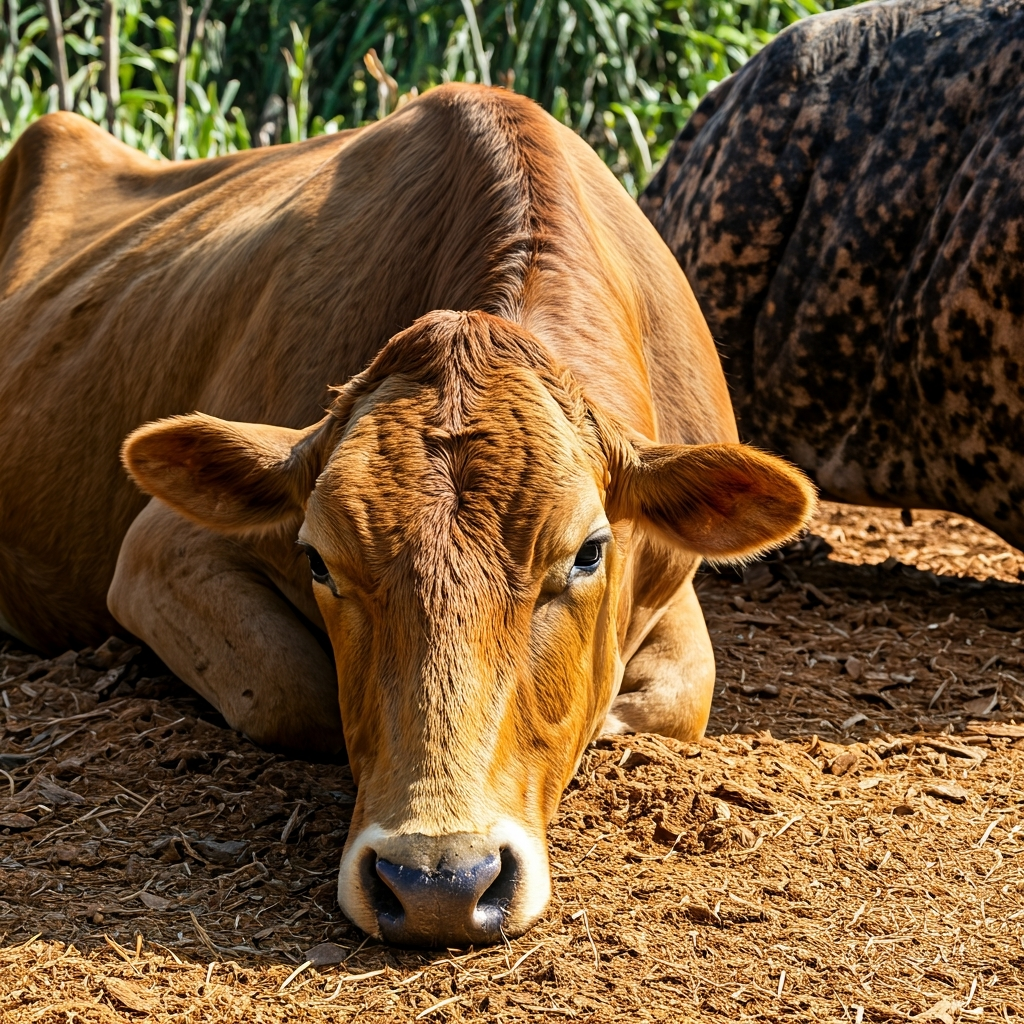
Copra Meal: The Ultimate Guide to Its Powerful Benefits in Animal Feed
高质量 椰干粉 is a game-changer for livestock farmers who need a sustainable and cost-effective protein source. As feed prices continue to fluctuate, understanding this powerful coconut byproduct is no longer just an option—it’s a strategic necessity.
Optimizing animal health and your bottom line depends on it. The global agricultural market will grow significantly by 2026, so the demand for affordable, high-quality animal feed has never been greater. Farmers face constant challenges from the rising costs of traditional ingredients like soybean and corn. This guide provides a definitive solution, exploring the immense potential of coconut meal as a primary feed component.

What Exactly Is Copra Meal?
Copra meal is a valuable feed ingredient derived from the coconut palm (椰子(Cocos nucifera)). It is the byproduct that remains after oil extraction from the dried coconut kernel, also known as copra. This meal is a powerhouse of protein, energy, and fiber, making it an exceptional feedstuff for a variety of livestock.
Unlike other feed options, it offers a unique nutritional profile. Understanding its origin is key to appreciating its value. The production process ensures that while processors remove the oil for other industries, they preserve the nutrient-rich solid part for agricultural use. This prevents waste and creates a sustainable feed cycle.
From Coconut to Copra: The Production Process
The journey begins with harvesting mature coconuts. Workers separate the kernel (the white flesh) from the shell and dry it. This critical drying process transforms the kernel into “copra,” a stable product with low moisture content, which is essential for oil extraction.
Historically, sun-drying or smoke-drying was common, but modern methods use hot air for better quality control. Once the copra is ready, machines press it to extract the valuable coconut oil. This leaves behind a protein-rich cake, which is then ground to create the final copra meal.
Mechanical vs. Solvent Extraction: What’s the Difference?
Two primary methods exist for oil extraction, which directly impacts the nutritional quality of the resulting meal:
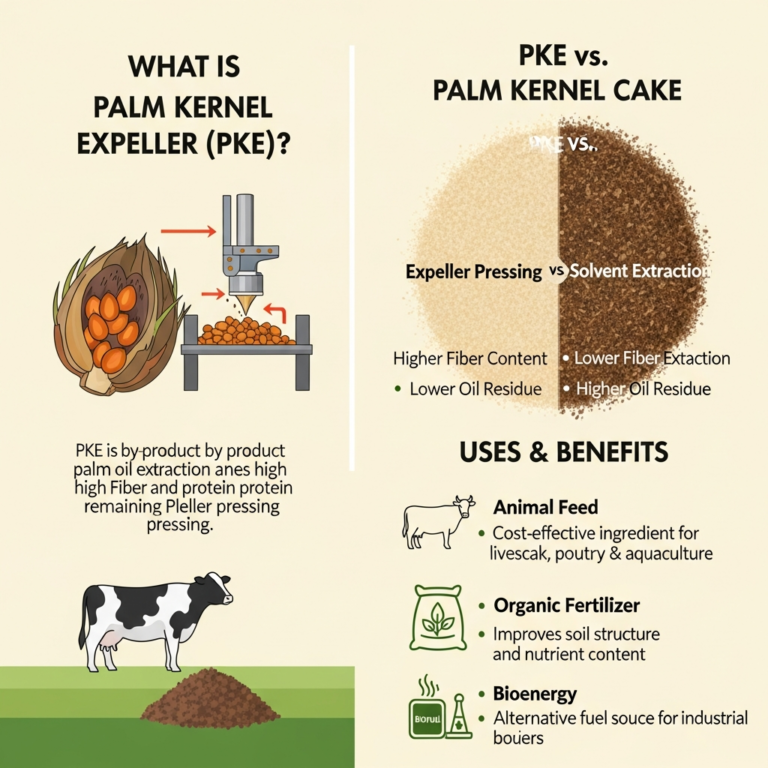
- 机械萃取(压榨机): In this common method, a machine physically presses the copra under immense pressure to squeeze out the oil. The resulting meal, often called “copra cake,” retains a higher residual oil content (typically 8-12%), making it richer in energy.
- 溶剂萃取: This industrial process uses a solvent (like hexane) to dissolve and wash the oil from the copra. The method is more efficient, leaving a lower residual oil content (1-3%). While the protein percentage is higher in solvent-extracted meal, the energy content is lower.
For most livestock applications, farmers prefer mechanically extracted copra meal due to its balanced energy and protein content.
Nutritional Profile of High-Quality Copra Meal
The nutritional value of this coconut byproduct is its biggest selling point. It provides a balanced blend of macronutrients crucial for animal growth, lactation, and overall health. Its composition makes it a versatile ingredient that can be adapted for various species.
Furthermore, its unique properties, such as high fiber content, contribute to improved digestive health in ruminants. As an expert in animal nutrition, I’ve seen firsthand how incorporating this ingredient can transform a feeding program. Extensive research from authorities like the 联合国粮食及农业组织(粮农组织) supports this fact.

Macronutrient Breakdown: Protein, Fiber, and Fat
On a dry matter basis, a typical mechanically extracted meal contains the following:
- 粗蛋白: 20-25%. This is essential for muscle development, milk production, and tissue repair.
- 粗纤维: 10-17%. The high fiber content is particularly beneficial for ruminants, as it supports healthy rumen function.
- 粗脂肪(乙醚提取物): 8-12%. This residual oil is a dense source of energy, making the feed more palatable and energy-rich.
Essential Vitamins and Minerals
Beyond the primary macronutrients, copra expellers are a good source of several essential minerals. These contribute to the animal’s skeletal structure, nerve function, and metabolic processes, and include:
- Phosphorus: Crucial for bone formation and energy transfer.
- Potassium: Important for maintaining electrolyte balance.
- Manganese and Selenium: Trace minerals that play a key role in enzyme function and antioxidant defense.
While an excellent source of these nutrients, the meal is naturally low in calcium and lysine. You must supplement these from other sources for a fully balanced diet.
Understanding the Amino Acid Profile
While the overall protein content is high, the quality of that protein depends on its amino acid profile. Copra meal contains a good level of arginine and glutamic acid but is limiting in lysine and methionine. These are two critical amino acids for monogastric animals like poultry and pigs. Nutritionists must carefully balance the ration with other protein sources or synthetic amino acids to meet the animals’ requirements. This is less of a concern for ruminants, as their rumen microbes can synthesize these amino acids, a topic well-covered by animal science departments at major universities.
Top 7 Powerful Benefits of Using Copra Meal
Integrating copra meal into your feed strategy offers a multitude of advantages that go beyond simple nutrition. Here are the top seven benefits you can expect in 2026.
- 成本效益: It is often more affordable than soybean meal, significantly lowering overall feed costs.
- 高能源: The residual coconut oil provides a concentrated, palatable source of energy, improving feed intake and animal performance.
- Excellent Protein for Ruminants: The protein has a high bypass value, meaning it resists degradation in the rumen and is absorbed more efficiently in the small intestine.
- Improves Gut Health: The high fiber content promotes healthy digestion and regular bowel movements, particularly in ruminants and horses.
- 可持续且环保: As a byproduct of the coconut industry, using it reduces waste and promotes a circular economy. It is a more sustainable alternative to other feedstuffs like 棕榈仁压榨机.
- Enhances Milk Fat Content: Studies, including research in the Journal of Animal Science and Technology, show the type of fat in copra meal can increase the butterfat percentage in dairy cows’ milk.
- Natural and GMO-Free: Coconuts are not a genetically modified crop, making our 椰干粉 a natural choice for farmers catering to organic or non-GMO markets.
Copra Meal for Ruminants: Cattle, Goats, and Sheep
For ruminant animals, copra meal is an almost perfect feed ingredient. Its unique combination of bypass protein and digestible fiber makes it highly suitable for dairy and beef cattle, as well as sheep and goats.
The structural fiber stimulates rumination (cud chewing), which is essential for maintaining a stable and healthy rumen pH. This process helps prevent metabolic disorders like acidosis, which can occur with high-grain diets.

Benefits for Dairy and Beef Cattle
In dairy rations, nutritionists prize this ingredient for its ability to boost milk fat content. The medium-chain fatty acids from the residual coconut oil are directly utilized for milk fat synthesis. For beef cattle, the high energy and protein content supports excellent weight gain and muscle development during the finishing period.
Inclusion Rates and Feeding Recommendations
While highly beneficial, this ingredient should be part of a balanced ration. Recommended inclusion rates are:
- 奶牛: 15-25% of the total concentrate mix.
- 肉牛: Up to 30% of the diet.
- 绵羊和山羊: 10-20% of the concentrate mix.
Always introduce any new feed ingredient gradually over 7-10 days. This allows the rumen microbiome to adapt properly.
Video: A feed mill showing the process of mixing copra meal into a total mixed ration (TMR) for livestock.
Copra Meal for Monogastric Animals: Poultry and Swine
Using copra meal for monogastric animals like poultry and pigs presents both opportunities and challenges. Unlike ruminants, these animals cannot digest high levels of fiber as effectively. They also have specific requirements for essential amino acids like lysine and methionine.
However, with proper formulation and the use of feed enzymes, it can still be a valuable, cost-saving component. Many farmers successfully use other coconut-derived products like 椰糠 for bedding, creating a full-circle use of the coconut.
Challenges and Solutions for Poultry Feed
The main challenge in poultry diets is the high fiber and low digestibility of certain carbohydrates. Modern feed science offers a solution: supplementing feed with multi-enzyme preparations. As detailed by poultry science experts at industry publications like Feed Strategy, these enzymes (containing cellulase, xylanase, etc.) break down fibers, release trapped nutrients, and make the meal more effective for broilers and layers.
Optimizing Pig Diets with This Excellent Ingredient
For swine, the limiting factors are similar: fiber and amino acid balance. It is best used in sow and grower-finisher diets rather than for young piglets, whose digestive systems are less developed. To use high-quality coconut meal effectively, you must carefully balance the diet with synthetic lysine and methionine to ensure optimal growth rates. When managed correctly, it serves as an excellent partial substitute for more expensive proteins.
Comparing Copra Meal to Other Feed Ingredients
To truly understand its place in the market, it’s helpful to compare it directly to other common protein sources. This allows for more informed purchasing decisions, especially when considering alternatives from the palm oil industry, such as RBD CP8 或者 棕榈油脂肪酸钙盐.
Here is a simplified comparison table:
| 养分 | Copra Meal (Expeller) | 豆粕 | 棕榈仁压榨机 |
|---|---|---|---|
| 粗蛋白 | 20-25% | 44-48% | 15-18% |
| 粗纤维 | 10-17% | 5-7% | 18-23% |
| Lysine Content | 低的 | 高的 | 低的 |
| Energy (Fat) | 高(8-12%) | 低(1-2%) | Moderate (8-10%) |
As the table shows, while soybean meal is higher in protein and lysine, copra meal offers superior energy and fiber. This makes it a complementary, rather than direct, replacement ingredient in many formulations.

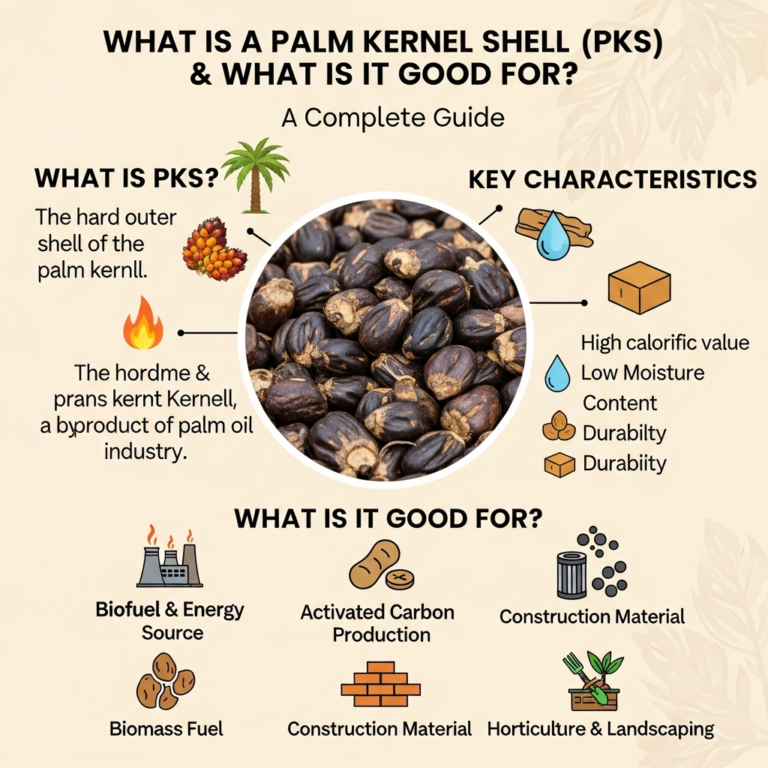
Makmur Amanah Sejahtera provides high-quality palm products such as Palm Kernel Expeller, 棕榈仁壳, Crude Palm Oil, Palm Kernel Oil, etc. Kindly contact us at WhatsApp +6282140002198 或发送电子邮件至 admin@makmuramanah.co.id.
常见问题解答 (FAQ)
Is copra meal good for all animals?
It is excellent for ruminants (cattle, sheep, goats) and can be used in horse and pig diets. For poultry, use it at lower inclusion rates with enzyme supplementation due to its high fiber content.
What is the difference between copra meal and coconut flour?
Although both come from the coconut kernel, they are different. Copra meal is produced for animal feed. Coconut flour is human-grade, made from the residue after producing virgin coconut oil, and has a much lower oil content.
How do I store copra meal properly?
Store it in a cool, dry place away from direct sunlight. To prevent mold and rancidity, keep it in well-ventilated sheds and aim to use it within 2-3 months of production. Proper storage preserves its nutritional quality.
Can copra meal replace soybean meal completely?
In most cases, it cannot fully replace soybean meal, especially for monogastric animals, due to its lower lysine content. However, it can replace a significant portion (25-50%), drastically reducing feed costs while maintaining performance.
What is the ideal protein percentage in high-quality copra meal?
High-quality, mechanically extracted copra meal should have 20% to 25% crude protein. Anything lower may indicate inefficient processing or adulteration. Always request a certificate of analysis from your supplier.
Conclusion: Your Strategic Advantage in 2026
In conclusion, copra meal stands out as a premier, multi-functional ingredient for modern animal feed programs. Its unique profile of moderate protein, high energy, and digestible fiber makes it an invaluable asset for improving animal health, boosting productivity, and managing feed expenditures.
From enhancing milk fat in dairy cows to serving as a cost-effective protein source for swine, its applications are broad and impactful. By understanding its benefits and proper application, you can unlock a significant competitive advantage. Making the switch to a balanced ration that includes high-quality 椰干粉 is not just a smart economic decision for 2026; it is a sustainable choice that supports a more efficient and profitable agricultural future.
 Chinese
  English
  Indonesian
  Arabic