
Copra Meal: 5 Incredible Benefits (The 2026 Ultimate Guide)
椰干粉 is a powerful, yet often misunderstood, ingredient in the world of animal nutrition. For farm managers and livestock producers struggling to find cost-effective, high-protein feed sources, the search can be relentless. This comprehensive guide provides the definitive answer, unlocking the full potential of this coconut byproduct for your operations in 2026.
The global demand for high-quality animal feed is projected to increase by over 5% by 2026, putting immense pressure on traditional resources like soy and corn. This shift forces savvy agricultural professionals to seek sustainable and nutritionally dense alternatives. Copra meal, a byproduct of coconut oil extraction, emerges as a front-runner. It offers a unique combination of protein, energy, and fiber that can dramatically improve livestock health and performance. This article explores every facet of this incredible resource.
What Exactly is Copra Meal?
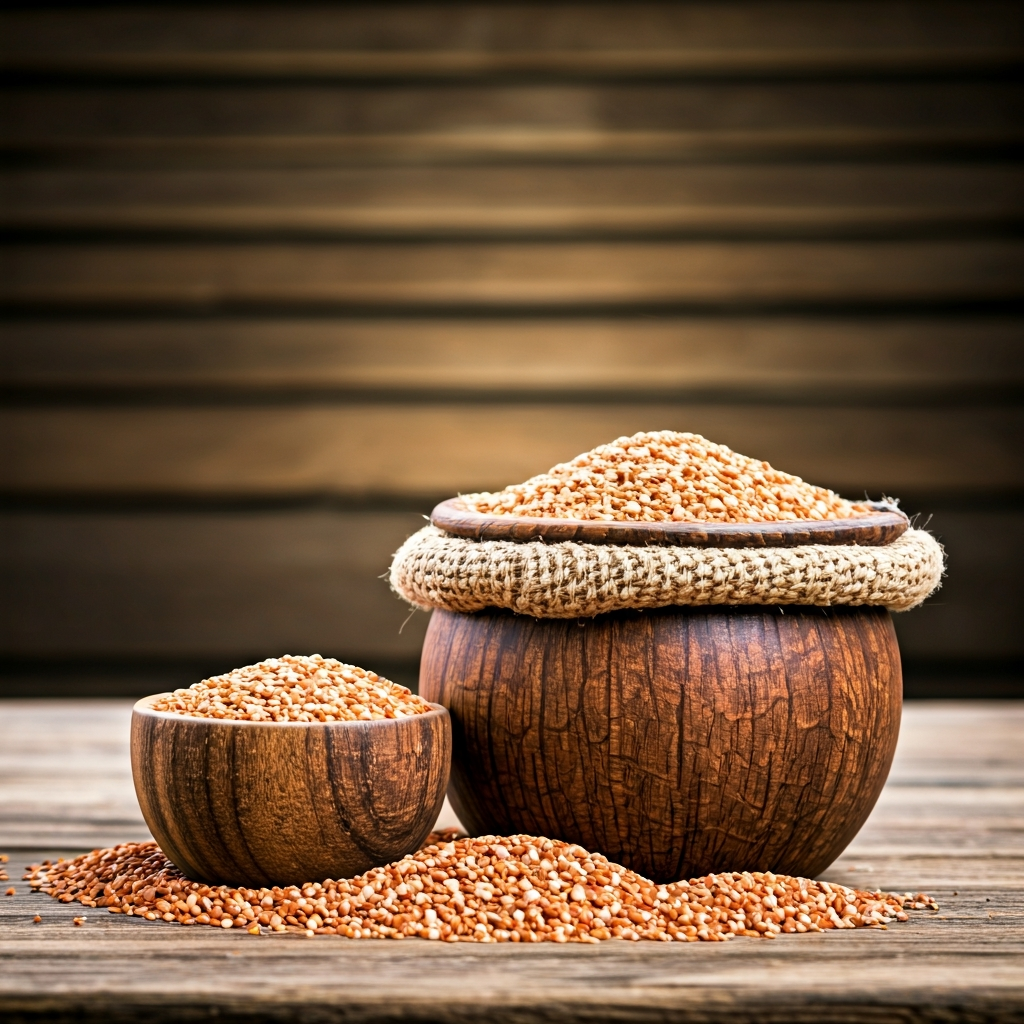
Copra meal, also known as coconut meal or copra cake, is the material left over after the oil extraction process from dried coconut flesh (copra). It is a highly valuable protein supplement for livestock feeds. Unlike some other feed ingredients, it is derived from a completely natural and renewable source. The quality and nutritional content can vary depending on the oil extraction method—expeller-pressed or solvent-extracted—with the former generally yielding a higher-quality product with more residual oil.
This ingredient serves as a cornerstone in formulating balanced diets, particularly for ruminants like cattle and goats, but also for swine and poultry. Its palatable nature and beneficial fatty acid profile make it a strategic choice for improving feed intake and animal well-being. Understanding its composition is the first step to leveraging its full power.
From Coconut to Livestock Feed: The Production Process
The journey to creating this valuable feedstuff is a fascinating example of agricultural efficiency. It begins with harvesting mature coconuts, which are then split, and the flesh is dried to create copra. This drying can happen through sun-drying, smoke-drying, or kiln-drying, each impacting the final quality.
Once the copra reaches an optimal moisture level, it undergoes oil extraction. The mechanical expeller press method is most common, physically squeezing the oil out and leaving the protein-rich “cake” behind. This cake is then ground to create the final product: a coarse, palatable meal ready for integration into animal feed rations.
Expeller-Pressed vs. Solvent-Extracted: What’s the Difference?
The extraction method significantly impacts the final nutritional profile. Expeller-pressed coconut meal typically contains a higher residual oil content (8-12%) compared to solvent-extracted meal (2-4%). This higher fat content provides more energy.
Furthermore, the expeller process avoids the use of chemical solvents, making it a more natural choice. For operations focused on organic or “all-natural” livestock production, expeller-pressed is the preferred option. Always verify the source and production method when purchasing.
The Nutritional Profile of Copra Meal: A Deep Dive
The true value of this coconut byproduct lies in its dense nutritional makeup. It provides a balanced source of protein, fiber, and energy, making it a versatile component in feed formulation. While exact values fluctuate based on production, a typical analysis reveals its robust profile.
A key feature is its high level of bypass protein, which is crucial for ruminants as it escapes digestion in the rumen and is absorbed in the small intestine. This leads to more efficient protein utilization for muscle growth and milk production. According to a study in the 动物科学与生物技术杂志, this characteristic contributes directly to improved livestock performance.
Comparative Analysis: Coconut Meal vs. Other Feeds
To fully appreciate its place in the market, it’s helpful to compare copra meal to other common feed ingredients. Each has its own strengths, and the optimal choice often involves a blend. Here’s how it stacks up against Soybean Meal and 棕榈仁压榨机.
| 养分 | 椰干粉 | 豆粕 | 棕榈仁压榨机 |
|---|---|---|---|
| Crude Protein (%) | 20-22% | 44-48% | 15-18% |
| Crude Fiber (%) | 12-16% | 5-7% | 16-18% |
| Crude Fat (%) | 8-12% | 1-2% | 8-10% |
| Metabolizable Energy (MJ/kg) | 11-13 | 12-13 | 9-11 |
While soybean meal offers higher protein, the coconut-based meal provides superior fiber and fat content, making it a more energy-dense option. This makes it particularly effective for conditioning animals and supporting lactation.
Top 5 Benefits of Using Copra Meal in Animal Feed
Integrating this powerful coconut byproduct into feed rations delivers a cascade of benefits that impact both animal health and your bottom line. These advantages are why it’s gaining traction as a primary ingredient worldwide.
- Enhanced Milk Production and Quality: In dairy cattle, the specific fatty acid profile, particularly lauric and myristic acids, has been shown to increase milk fat content. This results in higher-quality milk and better returns.
- Improved Weight Gain and Conditioning: The high energy density, derived from its residual oil content, supports healthy weight gain and body conditioning in cattle, swine, and horses without the risks associated with high-starch feeds.
- High Palatability: Animals genuinely enjoy the slightly sweet taste and smell of coconut. This encourages consistent feed intake, which is especially beneficial for young, sick, or picky eaters. Better intake means better nutrient absorption.
- Source of Bypass Protein: As mentioned, a significant portion of its protein is “rumen bypass,” meaning it is digested more efficiently in the lower gut. This is a critical factor for maximizing growth and lactation in ruminants.
- Cost-Effective Nutrition: Compared to other protein sources like soybean meal, the supplement is often more affordable, especially in regions where coconuts are abundant. This allows for a reduction in feed costs without compromising nutritional quality.
Practical Applications: How to Use Copra Meal for Different Livestock
The versatility of coconut meal allows for its use across various species, though inclusion rates and formulation strategies differ. Adhering to recommended guidelines is crucial to avoid digestive upset and maximize benefits.
Using Copra Meal to Boost Dairy Production
For dairy cows, the feed can be included at up to 20-30% of the concentrate ration. It is particularly effective during early and mid-lactation to meet high energy demands and support milk fat synthesis. As recommended by leading dairy nutritionists at Cornell University’s Department of Animal Science, any new feed ingredient should be introduced gradually. Start with a lower inclusion rate and increase it over two weeks to allow the rumen microbiome to adapt.
Use in Cattle and Ruminant Feeds
In beef cattle, it serves as an excellent conditioner, promoting a glossy coat and healthy body condition. It can be safely incorporated into finisher rations to add energy. For goats and sheep, it provides a valuable protein and energy source, with inclusion rates typically ranging from 10-25% of the total diet.
Formulating Swine and Poultry Rations
While high fiber content can limit its use in monogastric animals like pigs and chickens, it is still valuable. In swine diets, it can be used up to 15-20%. For poultry, lower levels of 5-10% are recommended. The high fiber can be beneficial for gut health in sows but may dilute energy for fast-growing broilers if not balanced correctly with other sustainable agricultural byproducts like 椰糠.
Key considerations when formulating rations include:
- Balancing the amino acid profile, particularly for lysine.
- Adjusting for energy content based on the feed’s residual oil.
- Ensuring the high fiber content is appropriate for the target animal.
Potential Risks and Limitations of Copra Meal
While highly beneficial, there are considerations to keep in mind. The primary risk is aflatoxin contamination if the copra is not dried and stored properly. Aflatoxins are toxic molds that can have severe health consequences. For this reason, sourcing from a reputable supplier who provides a Certificate of Analysis is non-negotiable.
Proper storage is equally critical on the farm. The meal should be kept in a cool, dry, well-ventilated area off the ground and away from direct sunlight to prevent mold growth and maintain its nutritional integrity. Using sealed containers can also protect it from rodents and insects. For more detailed information on managing feed contaminants, publications from sources like Feedipedia 非常宝贵。.
Additionally, its amino acid profile is low in lysine and methionine. Formulations for monogastric animals must be balanced with other protein sources or synthetic amino acids to ensure a complete and balanced diet. Always consult with an animal nutritionist when making significant changes to feed rations, as advised by industry bodies like the 联合国粮食及农业组织(粮农组织).
Sourcing High-Quality Copra Meal: What to Look For
The efficacy of this feed supplement is directly tied to its quality. When sourcing, partner with a supplier who can guarantee purity, safety, and consistency. A reliable supplier will provide a product that is free from contaminants and has a consistent nutritional profile from batch to batch, including materials like 棕榈仁壳 which also require quality checks.
Key quality indicators include:
- 颜色和气味: Good quality meal should be light brown with a pleasant, slightly sweet coconut aroma. A dark color or musty smell can indicate mold or improper storage.
- 质地: The meal should be coarse but relatively uniform. Clumps or excessive dust can be signs of moisture problems or poor grinding.
- Guaranteed Analysis: Your supplier must provide a detailed nutritional analysis, including protein, fat, fiber, and moisture levels.
- Aflatoxin Testing: Demand a Certificate of Analysis that explicitly shows the product has been tested for and is free from mycotoxins.
By focusing on these metrics, you can ensure you are purchasing a premium product. For a reliable source, consider inquiring about our high-quality Copra Meal, which meets these stringent standards.
Makmur Amanah Sejahtera 我们提供优质的棕榈产品,例如棕榈仁粕、棕榈仁壳、原棕榈油、棕榈仁油等。请联系我们。 WhatsApp +6282140002198 或发送电子邮件至 admin@makmuramanah.co.id.
常见问题解答 (FAQ)
1. Is copra meal good for horses?
Yes, it is excellent for horses. Its high fiber and fat content provide “cool” energy, avoiding the fizziness associated with high-grain diets. It is particularly good for weight gain and conditioning. Always introduce it gradually and consider soaking it before feeding to improve palatability.
2. What is the typical protein content?
The crude protein content of copra meal typically ranges from 20-22%. While lower than soybean meal, its high bypass protein characteristic makes it very effective for ruminants, leading to efficient muscle development and milk production.
3. Can it replace soybean meal completely?
Not completely, especially in monogastric diets. The feed has a lower concentration of essential amino acids like lysine. It is best used in combination with other protein sources to create a fully balanced amino acid profile for optimal growth.
4. How should I store copra meal?
Store it in a cool, dry, and well-ventilated area away from direct sunlight. Use sealed containers or keep bags tightly closed to protect it from moisture, which can lead to mold growth, and to prevent contamination from rodents or insects.
The Definitive Choice for Modern Animal Nutrition
In the landscape of modern agriculture, efficiency, sustainability, and profitability are paramount. As a cost-effective, energy-dense, and highly palatable feed ingredient, coconut meal stands out as a superior choice for forward-thinking livestock producers. Its unique nutritional properties support everything from milk production to healthy weight gain.
By understanding its benefits, applications, and sourcing requirements, you can confidently integrate this valuable resource into your feeding program. In conclusion, leveraging a high-quality 椰干粉 is not just an alternative; it’s a strategic decision to enhance animal performance and secure a more profitable and sustainable operation for 2026 and beyond.
 Chinese
  English
  Indonesian
  Arabic