
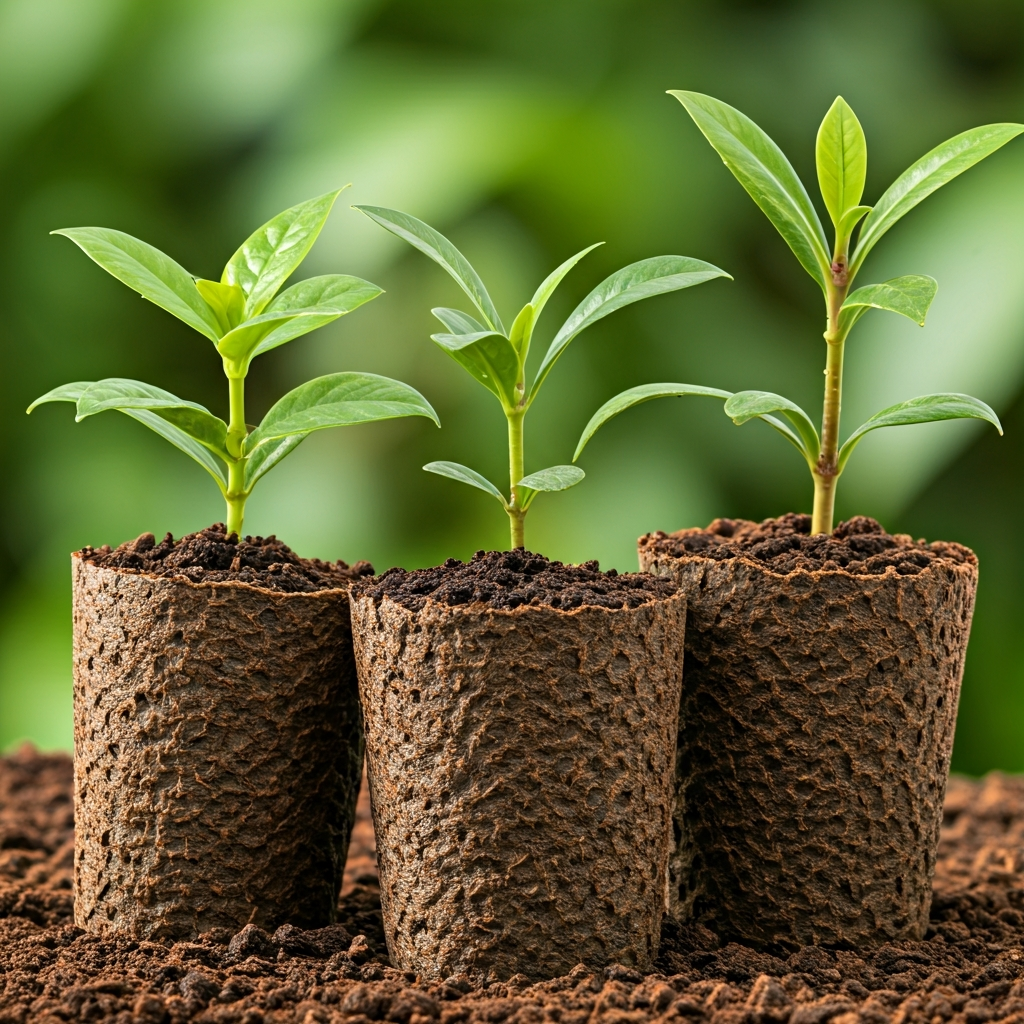
What is Cocopeat? A Complete Guide to Its Uses, Benefits & Best Plants
What is cocopeat? In 2026, it’s the game-changing, 100% natural growing medium that savvy gardeners and commercial growers are turning to for healthier plants, bigger yields, and superior sustainability. If you’ve struggled with compacted, poor-draining soil or are looking for a more eco-friendly alternative to traditional peat moss, you’ve come to the right place.
For years, gardeners have battled with soil that’s either too dense, retaining too much water and causing root rot, or too sandy, letting water drain away before plants can absorb it. This constant struggle for balance is frustrating and often leads to subpar results.
Furthermore, the horticultural industry’s reliance on peat moss has raised significant environmental concerns due to the destruction of vital peatland ecosystems. According to the Royal Horticultural Society, peat bogs are crucial carbon sinks, and their harvesting releases massive amounts of CO2 into the atmosphere.
This comprehensive guide provides the definitive answer to “what is cocopeat” and explores how this incredible coconut byproduct can solve these problems. We will cover everything from its remarkable benefits and preparation techniques to the best plants that thrive in it, ensuring you have the expert knowledge to transform your garden.
What is Cocopeat, Really? A Deep Dive
Cocopeat is a versatile, 100% natural growing medium made from the fibrous pith found between the hard, internal shell and the outer coat of a coconut. Also known as coir pith, it is a byproduct of the coconut industry that has transformed from waste material into a valuable horticultural resource. Its unique properties make it an exceptional soil amendment and a standalone growing medium.

The Journey from Coconut Husk to Garden Gold
The creation of cocopeat is a testament to sustainable resourcefulness. After harvesting coconuts for their kernels and water, workers set the husks aside. Processors then age and process these husks to separate the long fibers (used for ropes and mats) from the pithy dust—the cocopeat.
Finally, workers wash the raw material to remove natural salts, dry it, and compress it into blocks, bricks, or sell it loose for easy transportation and storage.
Cocopeat vs. Coco Coir vs. Coco Fiber: Clearing the Confusion
The terms are often used interchangeably, but they refer to different parts of the coconut husk:
- Cocopeat (or Coir Pith): The most common type, it looks like fine, soil-like particles. It has excellent water retention and is the main subject of our guide.
- 椰纤维: These are the long, stringy fibers. They don’t hold water well but provide excellent aeration and structure when mixed with cocopeat.
- 椰子片: These are small chunks of the husk, acting like a horticultural charcoal or bark, providing air pockets and good drainage. High-quality mixes often blend all three for a balanced medium.
What is Cocopeat’s Structure? Understanding Pith, Fiber, and Chips
A high-quality growing medium often combines these three elements. The pith acts as the primary water reservoir, the fiber creates a strong, aerated structure, and the chips prevent compaction, ensuring roots get the oxygen they need. When you purchase a high-quality cocopeat product, you’re getting a material engineered by nature for optimal plant growth.
What is Cocopeat’s Advantage? Top 7 Undeniable Benefits
Why has cocopeat become so popular? Its advantages over traditional soil and peat moss are clear, tangible, and impactful for both plants and the planet.
- 卓越的保水能力: Cocopeat can hold an astonishing 8-10 times its weight in water. This means you water less frequently, and your plants have a consistent supply of moisture, reducing the risk of wilting.
- 良好的通气性: Even when saturated, cocopeat maintains a porous structure, providing essential oxygen to plant roots. This prevents soil compaction and suffocation of roots, a common problem in heavy clay soils.
- Neutral pH Level: With a pH range of 5.5 to 6.8, cocopeat is slightly acidic to neutral, making it an ideal growing medium for a vast majority of plants without the need for pH adjustments.
- Sustainable & Renewable: As a byproduct of the massive global coconut industry, it’s a resource that’s renewed annually. Its use helps reduce waste and provides a fantastic alternative to non-renewable peat moss, as highlighted by environmental advocates like Gardeners’ World magazine.
- Reduces Pests and Diseases: Cocopeat is naturally anti-fungal and discourages soil-borne pests. The “lignins” and “tannins” present in cocopeat help suppress common pathogens like Pythium and Phytophthora, protecting your plants from root diseases.
- Promotes Strong Root Growth: The combination of excellent aeration and a fibrous, non-compacting structure allows roots to penetrate and expand effortlessly, leading to a more robust and efficient root system. This is a core benefit when answering, “what is cocopeat good for?”
- Lightweight and Easy to Handle: Compressed cocopeat blocks are incredibly lightweight and easy to store. When rehydrated, the resulting medium is much lighter than traditional soil, making it perfect for container gardening, hanging baskets, and rooftop gardens. Like other coconut byproducts such as 椰干粉, it’s a highly efficient agricultural material.
How to Prepare and Use Cocopeat Like a Pro
Getting the best results from cocopeat requires a few simple but crucial preparation steps. Skipping these can lead to poor plant growth.
Step 1: Rehydrating Your Cocopeat Block
Most cocopeat comes in a compressed brick. To use it, you simply add water. Place the brick in a large container (a wheelbarrow or large tub works well) and slowly add the amount of water specified by the manufacturer. The brick will impressively expand to 5-7 times its original volume, transforming into a fluffy, ready-to-use substrate.

Step 2: Buffering Cocopeat (The Most Critical Step)
This is a step many beginners miss. Raw cocopeat contains high levels of sodium and potassium, as confirmed by agricultural research. These salts can lock out essential nutrients like calcium and magnesium, leading to deficiencies.
Buffering involves soaking the rehydrated cocopeat in a solution of Calcium-Magnesium Nitrate (Cal-Mag) to flush out the unwanted salts and “charge” the cocopeat with essential nutrients. It’s a vital process for anyone serious about using this medium for their plants.
Step 3: Amending and Mixing for Optimal Growth
While cocopeat is an excellent base, it’s naturally inert and contains few nutrients. For long-term growth, you should amend it. A common recipe is to mix 2 parts cocopeat with 1 part perlite (for extra drainage) and 1 part compost or worm castings (for slow-release nutrients). This creates a premium, well-balanced potting mix.
Cocopeat vs. Traditional Potting Soil vs. Peat Moss
To truly understand the value of cocopeat, it’s helpful to compare it directly with other popular growing media. This table gives a clear overview for gardeners deciding what to use.
| 特征 | 椰糠 | 泥炭藓 | Potting Soil |
|---|---|---|---|
| 水分保留 | Excellent (holds 8-10x weight) | Very High (but can become hydrophobic when dry) | Variable (depends on composition) |
| 可持续性 | 高(可再生副产品) | Very Low (Non-renewable, habitat destruction) | Low to Medium (often contains peat) |
| pH值 | 5.5 – 6.8 (Ideal for most plants) | 3.5 – 4.5 (Highly acidic, requires lime) | Variable (usually adjusted to neutral) |
| 可重复使用性 | Yes (can last for up to 4 years) | No (decomposes and compacts quickly) | Not Recommended (risk of disease) |
The Best Plants to Grow in Cocopeat
Thanks to its balanced properties, a wide variety of plants thrive in cocopeat-based mixes. It’s particularly favored for seedlings, which require a gentle but stable environment.
Vegetables that Thrive
Tomatoes, cucumbers, peppers, lettuce, and herbs love the consistent moisture and aeration provided by cocopeat. It’s especially effective in container-grown vegetables where watering can be a daily chore with traditional soils.
Flowers and Ornamentals
From roses and orchids to anthuriums and hydrangeas, many flowering plants perform exceptionally well. The fibrous structure supports delicate root systems and promotes vibrant, long-lasting blooms.
Indoor Plants and Hydroponics
Cocopeat is the preferred medium for many commercial hydroponic growers, especially for crops like strawberries and tomatoes. For houseplant enthusiasts, it’s a clean, lightweight, and pest-free alternative to soil for plants like Monsteras, Pothos, and Ferns.

Tips for Growing in Cocopeat-Based Mixes
- Fertilize Consistently: Since cocopeat is inert, you must provide all the nutrients your plants need. Use a balanced liquid fertilizer regularly.
- Monitor Moisture: While it holds water well, it’s still possible to overwater. Lift the pot to feel its weight or use a moisture meter.
- Ensure Good Drainage: Always use pots with drainage holes. Adding perlite or coco chips to your mix will further prevent waterlogging.
- Check pH for Sensitive Plants: While the pH is generally ideal, some specific plants (like blueberries) may require further adjustments.
The Environmental Impact: Is Cocopeat a Sustainable Choice?
The conversation around gardening in 2026 is heavily focused on sustainability. Compared to the harvesting of peat moss, which involves draining and destroying ancient bog ecosystems, using cocopeat is a major environmental win. As a byproduct, it repurposes what would have been waste. A report from the University of New Hampshire Extension highlights the negative impacts of peat mining, reinforcing the need for alternatives.
While cocopeat’s transportation from tropical regions to other parts of the world has a carbon footprint, it is widely regarded as a far more sustainable choice than peat. You are actively helping reduce waste and preserve vital ecosystems when you choose to use coir in your garden.
Makmur Amanah Sejahtera 我们提供优质的棕榈产品,例如棕榈仁粕、棕榈仁壳、原棕榈油、棕榈仁油等。请联系我们。 WhatsApp +6282140002198 或发送电子邮件至 admin@makmuramanah.co.id.
常见问题解答 (FAQ)
Is cocopeat better than soil?
For container gardening and seed starting, cocopeat is often superior. It offers better aeration, water control, and is free of pests and weeds. For in-ground gardening, it’s best used as a soil amendment to improve the structure and water-holding capacity of existing soil.
椰糠可以保存多久?
One of the best features of cocopeat is its durability. It decomposes very slowly due to its high lignin content. You can expect it to last for 3 to 5 years in a pot before it starts to break down, making it a very cost-effective and reusable medium.
Do I need to add fertilizer to cocopeat?
Yes, absolutely. Cocopeat is an inert medium with very few native nutrients. You must provide a complete nutrient solution or mix in compost and other organic fertilizers to feed your plants. Think of cocopeat as the perfect house, but you have to provide the food.
椰糠可以重复使用吗?
Yes. After a growing season, you can remove the old plant and roots, flush the cocopeat with fresh water to remove any accumulated fertilizer salts, and then reuse it. It’s recommended to add some fresh cocopeat or compost to replenish its volume and structure.
Conclusion: The Future of Gardening is Here
So, when asking what is cocopeat, the answer is clear: it’s a superior, sustainable foundation for modern gardening. From its incredible water-holding capacity and aeration to its renewable nature, cocopeat solves many of the common challenges gardeners face. It provides a clean, consistent, and high-performance medium that promotes healthier roots and more vigorous plants.
By making the switch, you are not only setting your garden up for success but also making a conscious choice to use a more environmentally friendly product. This versatile material, along with other sustainable agricultural products like 棕榈仁压榨机 和 棕榈仁壳, is changing how we approach growing.
 Chinese
  English
  Indonesian
  Arabic