
Copra Meal: 7 Benefits, Uses & Critical Risks (2026 Guide)
椰干粉 is one of the most powerful, yet often misunderstood, ingredients in the animal feed industry. For farmers and livestock managers seeking a competitive edge, overlooking this resource is a critical mistake that can impact both budget and animal performance.
The search for cost-effective, sustainable, and high-protein feed sources is a constant challenge. With feed costs accounting for up to 70% of total production expenses, every ingredient choice matters. This guide provides the definitive, expert-led breakdown of copra meal, ensuring you harness its full potential while skillfully avoiding common pitfalls.
What Exactly is Copra Meal? A Foundational Guide
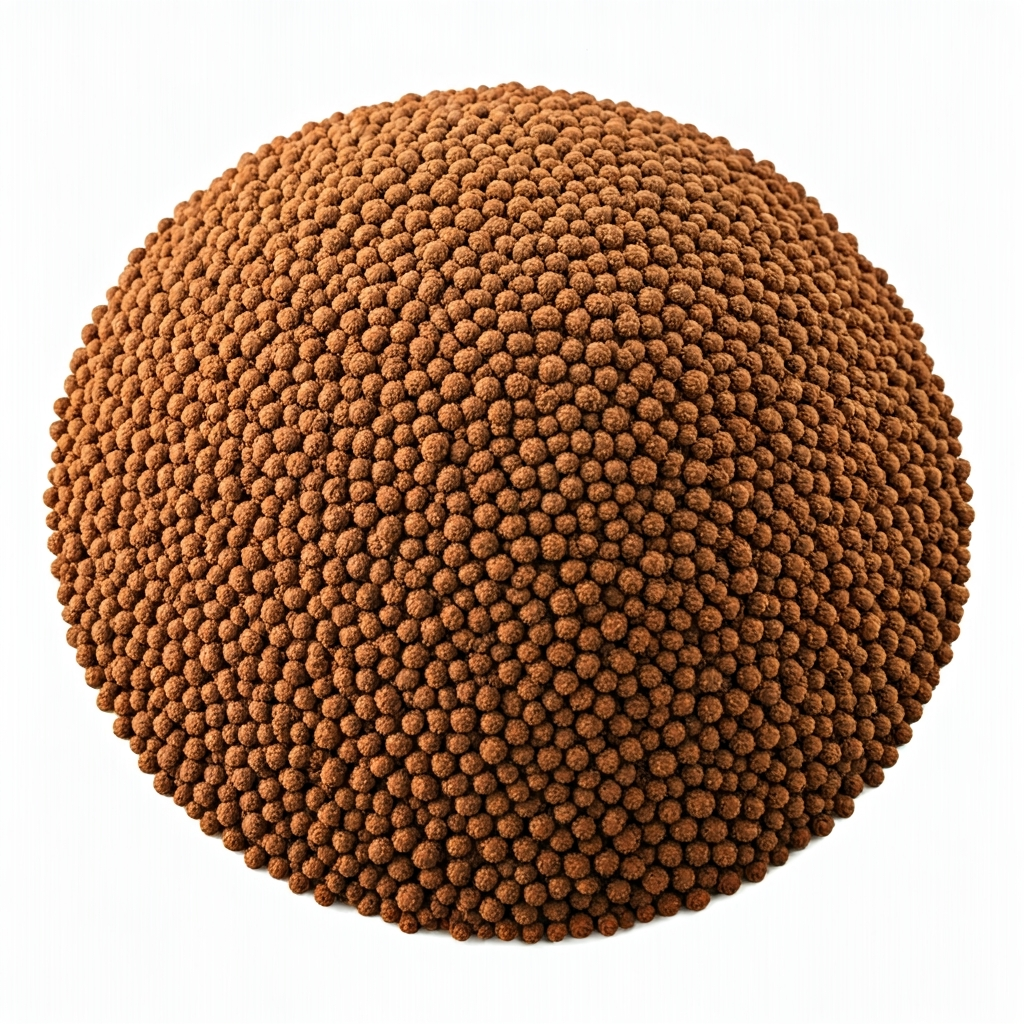
Copra meal, also known as coconut meal or copra cake, is a vital protein-rich feed ingredient for livestock. It is the by-product remaining after the extraction of oil from dried coconut kernels (copra). This valuable resource, with its distinctive nutty aroma, is widely used in the animal feed industry as a highly palatable and nutrient-dense component.

From Coconut to Feed: The Production Process
The journey begins with mature coconuts. The kernel is removed and dried—either by sun-drying, smoke-drying, or kiln-drying—to create “copra.” This critical drying step reduces moisture and preserves the kernel for oil extraction. The copra is then mechanically pressed or solvent-extracted to separate the valuable coconut oil.
残留的固体纤维状物质是 椰干粉. The quality of the final product is heavily influenced by the drying method and the efficiency of the oil extraction process. Properly processed meal is a light-brown, palatable feedstuff that animals readily consume.
Copra Expeller vs. Solvent Extracted: A Key Distinction
There are two primary types of copra meal, defined by the oil extraction method:
- Copra Expeller (or Copra Cake): This is produced through mechanical pressing. It generally contains a higher residual oil content (typically 5-12%), making it richer in energy.
- Solvent-Extracted Copra Meal: This method uses a solvent (like hexane) to extract the oil, resulting in a meal with a very low residual oil content (usually under 3%). This type has a higher protein percentage by weight.
The Nutritional Profile of Copra Meal
Understanding the nutritional composition of copra meal is essential for formulating balanced and effective animal rations. While it is an excellent source of protein and energy, its unique characteristics must be managed for optimal results. Its profile makes it a compelling alternative to other feedstuffs.
Macronutrient Breakdown: Protein, Fiber, and Fat
Copra meal is primarily valued for its protein content, which typically ranges from 18% to 25%. This protein is a good source of “rumen bypass protein,” which is particularly beneficial for ruminants. However, it is relatively low in key amino acids like lysine and methionine, often requiring supplementation.
Furthermore, its high fiber content (10-17%) aids digestion for ruminants but can limit its inclusion rate in the diets of monogastric animals. The residual fat provides a dense source of energy, contributing to the overall caloric value of the feed.
Nutrient Comparison: How Copra Meal Stacks Up
To truly appreciate its value, it’s helpful to compare copra meal to other common feed ingredients. This allows for more strategic formulation and cost analysis. For instance, while soybean meal offers higher protein, copra meal often presents a more favorable cost-benefit ratio, especially when combined with other protein sources like 棕榈仁压榨机.
| 养分 | 椰干粉 | 豆粕 | 棕榈仁压榨机 |
|---|---|---|---|
| 粗蛋白 | 18-25% | 44-48% | 14-18% |
| 粗纤维 | 10-17% | 5-7% | 16-22% |
| 粗脂肪 | 5-12% | 1-2% | 7-10% |

7 Incredible Benefits of Using Copra Meal in Animal Feed
When used correctly, copra meal offers a range of advantages that make it a cornerstone ingredient in modern feed formulation. These benefits span from economic savings to improved animal health and performance.
- High Palatability: Animals are naturally drawn to the sweet, nutty aroma of copra meal, which can improve overall feed intake.
- 成本效益: It is often more affordable than soybean meal, providing a significant economic advantage without a major compromise in quality.
- Rumen Bypass Protein: For ruminants like cattle, a portion of its protein resists rumen degradation, delivering high-quality amino acids to the small intestine. This can improve milk yield and growth.
- Energy Density: The residual oil in copra expeller provides concentrated energy, beneficial for high-producing dairy cows. This can be enhanced by supplementing with products like 棕榈油脂肪酸钙盐.
- 可持续副产品: As a by-product of the coconut oil industry, using copra meal contributes to a more sustainable, circular agricultural economy.
- Unique Fatty Acid Profile: It contains lauric acid, a medium-chain fatty acid known for antimicrobial properties, which may contribute to better gut health, as noted by the 美国国家生物技术信息中心(NCBI).
- Natural and Non-GMO: In many cases, copra meal is derived from non-genetically modified coconuts, making it a suitable ingredient for non-GMO feed programs.
Critical Considerations and Potential Risks with Copra Meal
While the benefits are substantial, responsible use of 椰干粉 demands an awareness of its potential downsides. Ignoring these risks is a common mistake that can negate its advantages. A professional approach involves proactive quality control and strategic formulation.
Mycotoxin Contamination: The Aflatoxin Warning
This is the single most critical risk. If the coconut kernel is not dried properly before oil extraction, it can be susceptible to mold growth, particularly 黄曲霉, which produces aflatoxins. These mycotoxins are highly toxic to livestock.
As confirmed by research in publications like the 沙特农业科学学会会刊, monitoring aflatoxin levels is paramount. Always source from trusted suppliers who provide a certificate of analysis and adhere to strict quality control standards set by food safety authorities like the 美国食品药品监督管理局(FDA).
Amino Acid Imbalances
As mentioned, copra meal is deficient in the essential amino acids lysine and methionine. When using it as a primary protein source, especially for monogastric animals, it is crucial to balance the ration. This is often done by adding synthetic amino acids or combining it with other protein sources that are rich in these components, such as fish meal or soybean meal.

Sourcing and Storing High-Quality Copra Meal
The quality of the end product is directly tied to the quality of the raw ingredient. Ensuring you receive and maintain a high-grade product is a non-negotiable aspect of incorporating copra meal into your feed program. It protects both your investment and your animals.
What to Look For in a Supplier
Choosing the right supplier is your first line of defense. A reputable provider will be transparent, providing data on moisture content, protein, fiber, fat, and—most importantly—a recent aflatoxin analysis. For reliable sourcing, consider an established expert who can provide a high-quality 椰干粉 supply.
Proper Storage to Maintain Quality
Once sourced, proper storage is crucial to prevent degradation and mold growth. Store copra meal in a cool, dry, and well-ventilated area away from direct sunlight. Keep bags on pallets to avoid moisture absorption from the floor and use a “first-in, first-out” system to ensure freshness. Utilizing durable materials for transport, like 棕榈仁壳 in other applications, highlights the importance of robust material handling in agriculture.
[Suggestion: Embed a YouTube video titled “How Copra Meal is Made and Used in Animal Feed” here to visually explain the process and benefits.]
Frequently Asked Questions (FAQ) about Copra Meal
Is copra meal good for horses?
Yes, it can be beneficial as a “cool” energy source due to its high fat and low sugar/starch content, excellent for weight gain and coat condition. However, its inverse calcium-to-phosphorus ratio must be balanced. Always introduce it slowly.
What is the typical inclusion rate of copra meal in feed?
Rates vary by animal. For ruminants (cattle, goats), it can be 15-30% of the diet. For poultry, 5-15% is a safe range, while for pigs, it’s typically below 20%. These rates depend on the quality of the meal and the age of the animal.
椰干粉与豆粕相比有何不同?
Soybean meal has higher protein (44-48%) and a better amino acid profile but is often more expensive. Copra meal (18-25% protein) is more cost-effective and provides higher energy from fat, making the choice dependent on formulation goals and budget.
What is the difference between copra meal and palm kernel meal?
Both are tropical oilseed by-products, but copra comes from coconuts, while palm kernel meal comes from oil palm nuts. Copra is generally more palatable and energy-dense, while palm kernel meal has higher fiber and lower protein quality.
Does copra meal contain gluten?
No, copra meal is derived from coconuts and is naturally 100% gluten-free. This makes it an excellent ingredient for specialized feed formulations for animals with sensitivities, although this is not a common issue in most livestock.

Conclusion: Your Strategic Advantage
综上所述,, 椰干粉 is far more than a filler ingredient; it is a strategic asset for any modern livestock operation. Its value as a palatable, energy-rich, and cost-effective protein source is undeniable. By understanding its nutritional profile, embracing its benefits, and diligently managing its risks, you can significantly enhance your feeding program.
By following the expert guidance in this guide, you are now equipped to make informed decisions. Integrating high-quality copra meal will not only help manage feed costs but also support healthy, productive animals. Leverage this incredible resource to its fullest and most profitable potential.
 Chinese
  English
  Indonesian
  Arabic