
Copra Meal: Your Ultimate Guide to Feed Benefits (2026)
这 椰干粉 you’re overlooking might be the secret to revolutionizing your animal feed program. For farmers and feed managers struggling with rising costs, finding a sustainable, high-protein alternative is the number one priority. This guide unlocks the full potential of this powerful coconut byproduct.
Global demand for high-quality animal feed continues to increase, pushing operational costs to new heights. To ensure sustainable agriculture, innovative and cost-effective ingredients are no longer a choice but a necessity. This is where the strategic use of alternative feedstuffs becomes a game-changer for profitability and performance.
Among these alternatives, meal from copra, a byproduct of coconut oil production, stands out as a viable and nutrient-rich option. With global coconut production exceeding 60 million tonnes annually according to the 联合国粮食及农业组织(粮农组织), its availability is robust. This comprehensive guide provides everything you need to know to leverage its benefits in 2026.
What Exactly Is Copra Meal? A Foundational Guide
Copra Meal is a valuable feed ingredient made from the dried kernel of the coconut (椰子(Cocos nucifera)). After producers extract most of the oil from the copra (the dried kernel), they grind the remaining fibrous, protein-rich material into a coarse meal. This resulting product is a powerhouse of energy and protein, making it an essential component in livestock rations.
The Journey from Coconut to Copra: The Production Process
The transformation from a fresh coconut to nutritious meal involves several key steps. First, farmers harvest and de-husk the coconuts. They then remove the kernel and dry it to create copra, a critical process for preventing spoilage and concentrating nutrients.
Historically, producers used sun-drying or kiln-drying methods. Once dried, the copra undergoes oil extraction, typically through mechanical pressing. The solid residue left behind is the valuable copra cake or meal, ready for integration into animal feed formulations. This process also yields other useful materials like 椰糠 from the husk.
Copra Meal vs. Copra Cake: Clarifying the Terminology
People often use the terms “copra meal” and “copra cake” interchangeably, as they refer to essentially the same product. The primary distinction lies in their form. “Copra cake” often describes the chunks or pieces left immediately after pressing, while “Copra Meal” refers to the ground, more uniform final product. For feeding purposes, the meal form is more practical and mixes easily into rations.
The Nutritional Powerhouse: A Deep Dive into Its Profile
Understanding the nutritional composition of this coconut byproduct is key to unlocking its full potential. While composition varies slightly based on the oil extraction method, it consistently offers a fantastic blend of protein, energy, and fiber.
Macronutrient Breakdown of Copra Meal
The true value of this ingredient lies in its balanced nutritional profile. It serves as an excellent source of bypass protein for ruminants and a solid amino acid source for monogastrics.
- 粗蛋白: Typically ranges from 20-25%, making it a significant protein contributor.
- 粗纤维: High in fiber (12-16%), which aids digestive health in ruminants.
- Fat/Oil: Residual oil content (8-12%) provides a dense source of energy.
- 代谢能: Provides an estimated 2,500-3,000 kcal/kg for poultry.
Essential Minerals and Amino Acids
Furthermore, the meal is a good source of essential minerals like phosphorus, which is vital for bone development and energy metabolism. While it may not be as rich in lysine and methionine as soybean meal, it provides a unique amino acid profile. This profile can complement other ingredients in a well-formulated diet, creating a synergistic effect.
Unlocking Performance: The Benefits of Copra Meal in Animal Feed
When used correctly, this coconut-based feed is far more than just a filler. It’s a performance-enhancing ingredient that offers significant advantages for a variety of livestock species.
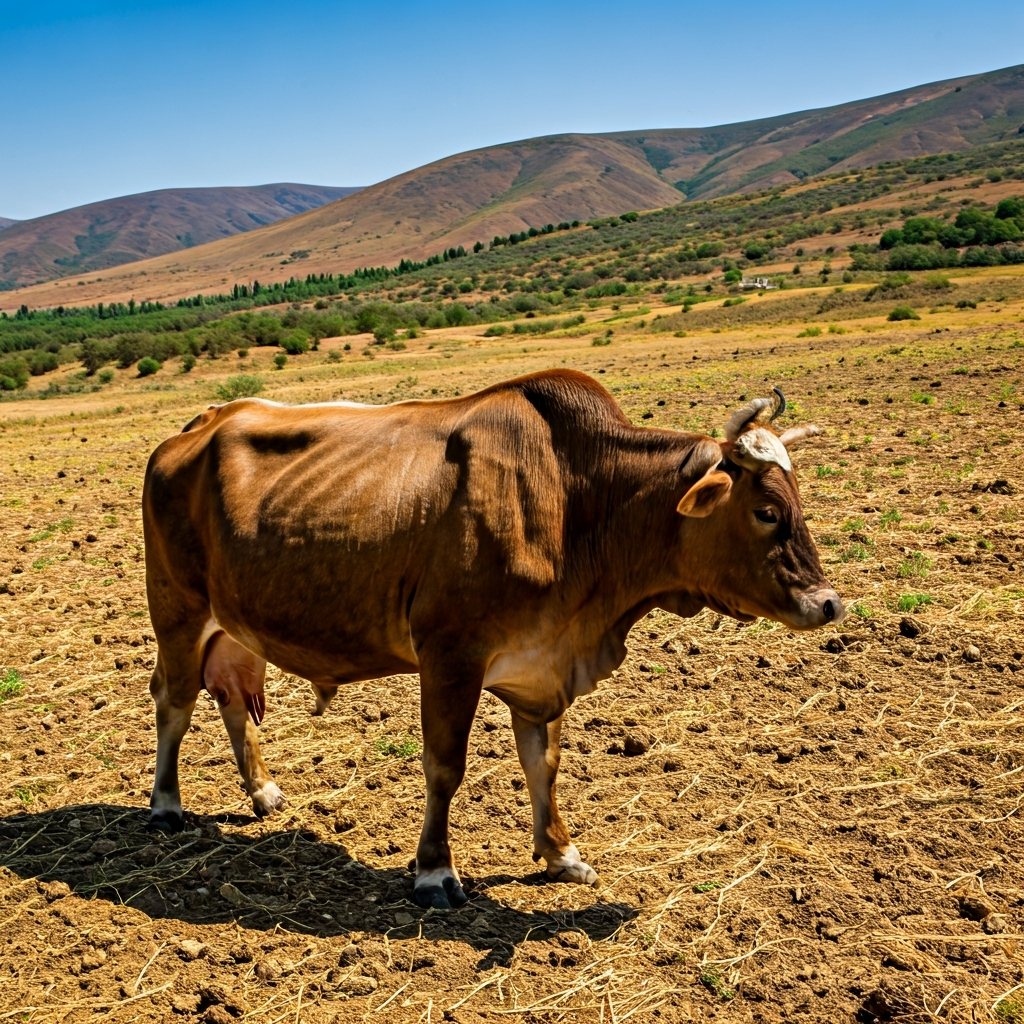
适用于反刍动物(牛、羊、山羊)
In ruminant diets, the high fiber and bypass protein content are particularly beneficial. This offers several advantages:
- Efficient Protein Use: The protein “bypasses” the rumen and is digested in the lower gut, leading to more efficient utilization.
- Improved Milk Yield: This efficient protein use can result in improved milk yield in dairy cattle.
- Better Growth Rates: It also contributes to better growth rates in beef cattle and goats.
For Poultry (Broilers and Layers)
Research published in scientific journals like the Revista Brasileira de Ciência Avícola has shown that formulators can effectively include it in poultry diets. For laying hens, it can help improve yolk color. In broilers, it serves as a cost-effective energy and protein source when balanced with other amino acids.
For Swine Nutrition
In pig rations, nutritionists value this ingredient for its energy and fiber content. The fiber can promote a healthy gut environment, while the residual coconut oil provides readily available energy. Formulators often use it in sow diets to improve satiety and in grower-finisher diets to manage costs.
The Economic and Sustainable Choice for Modern Farms
Beyond its nutritional value, using this feed ingredient offers significant economic and environmental advantages. For farm managers, these benefits directly impact the bottom line and long-term viability of the operation.
A Cost-Effective Alternative to Soy
As the price of traditional protein sources like soybean meal continues to fluctuate and rise, finding cost-effective alternatives is crucial. Copra-based meal is often more affordable, allowing for a reduction in overall feed costs without sacrificing quality. As many university studies point out, strategic use of byproducts is key to managing feed costs effectively.
Reducing Waste and Promoting Circularity
This ingredient is a prime example of a circular economy in action. It is an upcycled byproduct of the coconut oil industry, meaning it transforms a potential waste stream into a valuable resource. By incorporating it into feed, farms contribute to a more sustainable agricultural system that minimizes waste and makes full use of available resources, from the coconut kernel to other parts like the 棕榈仁壳.
Copra Meal vs. Other Protein Sources: A Comparative Analysis
To make an informed decision, it’s crucial to see how this coconut meal stacks up against other common feed ingredients. While soybean meal has long been the gold standard, ingredients like Copra Meal and 棕榈仁压榨机 offer compelling, cost-effective alternatives, as noted by industry publications like FeedNavigator.
| 养分 | 椰干粉 | Soybean Meal (44%) | 棕榈仁压榨机 |
|---|---|---|---|
| 粗蛋白 | ~22% | ~44% | ~16% |
| 粗纤维 | ~14% | ~7% | ~18% |
| 粗脂肪 | ~10% | ~1.5% | ~9% |
| 主要优势 | High energy, palatable | High protein, balanced amino acids | High fiber, cost-effective |
As the table shows, the meal from copra occupies a unique middle ground. It offers higher energy than soybean meal and higher protein than palm kernel expeller, making it a flexible ingredient for various formulation goals.
Practical Application: Using Copra Meal in Your Feed Strategy
Successfully integrating this ingredient requires a practical understanding of its application. It’s not just about adding it in; it’s about balancing the entire ration for optimal results.
Recommended Inclusion Rates: A Species-Specific Guide
To avoid any potential issues and maximize benefits, it’s best to adhere to recommended inclusion levels. These rates ensure the diet remains balanced and palatable.
- 乳牛: Up to 20-25% of the total ration concentrate.
- 肉牛: Can be included at up to 30% for finishing cattle.
- Poultry Layers: Typically kept between 5-10% to maintain egg production.
- Broilers: Up to 15-20% in starter and finisher diets with amino acid balancing.
- Pigs (Growers): Generally included at 10-15% of the diet.
Addressing Potential Limitations
The primary limitations are its relatively high fiber content and lower levels of lysine and methionine compared to soy. However, feed formulators can easily mitigate these. Modern feed formulation software can seamlessly balance the diet by including synthetic amino acids or other protein sources to create a complete and cost-effective nutritional solution.
Sourcing and Quality Control for Premium Copra Meal
The quality of your feed will directly impact animal performance. Not all meal is created equal, so partnering with a reliable supplier who adheres to strict quality control is non-negotiable in 2026.
How to Identify a High-Quality Supplier
Seek out suppliers who provide transparent product specifications and willingly share data on their production process. A trustworthy partner, like Makmur Amanah Sejahtera, prioritizes consistency and safety. They ensure their products are free from contaminants like aflatoxins. Always check for certifications and a history of reliability in the industry.
Key Quality Metrics to Check Before You Buy
When assessing a batch, pay close attention to these key indicators:
- 水分含量: Should be below 12% to prevent mold growth and ensure stability.
- 颜色和香气: Good quality meal has a light brown color and a pleasant, nutty aroma. A dark color or burnt smell can indicate overheating during production.
- 质地: It should be a uniform, granular meal, free from large clumps or foreign materials.
Makmur Amanah Sejahtera 我们提供优质的棕榈产品,例如棕榈仁粕、棕榈仁壳、原棕榈油、棕榈仁油等。请联系我们。 WhatsApp +6282140002198 或发送电子邮件至 admin@makmuramanah.co.id.
常见问题解答 (FAQ)
What is copra meal used for?
Copra Meal is primarily used as a protein and energy source in animal feed for livestock, including cattle, poultry, swine, and goats. Its unique nutritional profile makes it a valuable component for balancing rations and improving the cost-effectiveness of feed programs.
Is copra meal good for chickens?
Yes, it is a good ingredient for chickens when used at appropriate levels. It provides energy and protein, though it must be balanced with other ingredients to ensure adequate levels of essential amino acids like lysine and methionine for optimal growth and egg production.
How much protein is in copra meal?
The crude protein content in Copra Meal typically ranges from 20% to 25%. This makes it a mid-range protein source, offering a significant boost to the protein content of a feed ration and being higher than many grains and other byproducts.
Can Copra Meal replace soybean meal?
It can partially replace soybean meal in many diets, which is a common strategy to reduce feed costs. A full replacement is not always feasible without careful balancing due to differences in amino acid profiles, but partial replacement is a highly effective and widely used practice.
Conclusion: Your Strategic Advantage in 2026
In the competitive landscape of modern agriculture, success hinges on efficiency, sustainability, and intelligent resource management. As a versatile, nutrient-dense, and cost-effective ingredient, Copra Meal offers a distinct strategic advantage. By understanding its benefits, nutritional profile, and practical applications, you can significantly enhance your animal feed program.
Adopting proven alternatives is key to future-proofing your operation. As you formulate your strategy for the coming year, integrating a high-quality ingredient like this coconut byproduct is a powerful step towards achieving healthier livestock, a healthier bottom line, and greater overall performance.
 Chinese
  English
  Indonesian
  Arabic