

Copra Meal: The Ultimate Guide to Its Powerful Uses (2026)
椰干粉 is the secret weapon savvy farm managers and livestock nutritionists are using in 2026 to combat rising feed costs and boost animal performance. In a world demanding sustainable and affordable protein sources, understanding this powerful coconut by-product isn’t just an option—it’s essential for a competitive edge.
As global feed prices continue to fluctuate, agricultural professionals are under constant pressure to find cost-effective yet highly nutritious alternatives. The challenge lies in maintaining optimal animal health and productivity without inflating operational budgets. This guide provides the definitive solution, exploring the complete lifecycle and benefits of copra meal.
What Exactly Is Copra Meal?
Copra meal, also known as coconut meal, is a high-protein feed ingredient made from the dried kernel of a coconut. As a by-product of coconut oil extraction, it offers a sustainable and economical alternative to traditional feeds like soy or corn, providing balanced protein, fiber, and energy for livestock.
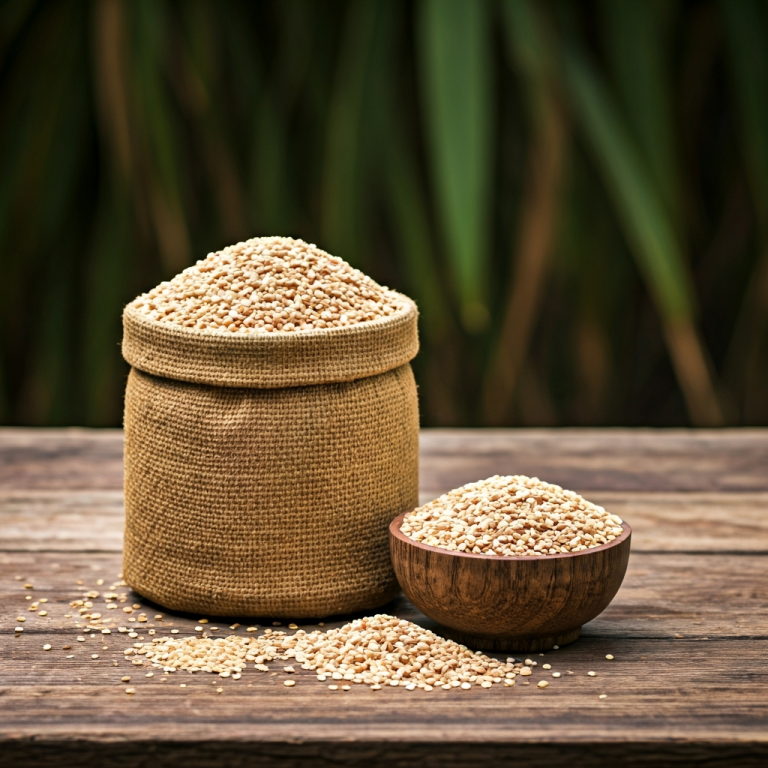
This valuable feed ingredient is the fibrous residue left over after producers extract oil from copra (the dried coconut meat). This residue is then ground to create the meal. Its unique nutritional profile makes it a highly sought-after component in animal feed formulations worldwide, prized for its palatability and benefits to digestive health.

The Production Process: From Coconut to Powerful Feed
Understanding how this valuable feed is produced highlights its quality and consistency. The journey from a tropical coconut to a nutrient-dense meal involves several critical steps that ensure its nutritional value.
- Harvesting and Drying: The process begins by harvesting mature coconuts. Workers remove the kernel, or meat, and dry it to reduce its moisture content from over 50% to below 6%. Proper drying is crucial to prevent mold growth and preserve nutritional integrity. This dried kernel is known as “copra.”
- 采油: Next, the dried copra undergoes oil extraction. The most common method, mechanical pressing, uses an expeller press to physically squeeze the oil out. This preferred method yields both high-grade coconut oil and the protein-rich residue that becomes copra meal.
- Final Milling: The final step involves grinding the remaining copra cake into a consistent, granular form. The result is the finished 椰干粉, ready for integration into various livestock diets. The quality depends heavily on the extraction process; mechanically pressed meal retains more residual oil and energy than solvent-extracted versions.
Nutritional Profile of Copra Meal: A Deep Dive
The nutritional value of coconut meal is its most significant asset. While the exact composition can vary based on the oil extraction method, it consistently provides a balanced profile of essential nutrients for animal health.
Notably, it is an excellent source of bypass protein for ruminants, which is crucial for milk production and muscle development. Furthermore, its high fiber content aids in digestive health. According to extensive data from 权威来源,例如 Feedipedia, its unique amino acid profile makes it a valuable supplement when balanced correctly.
Typical Nutritional Composition
Here’s a look at the typical nutritional breakdown of mechanically extracted copra meal:
- 粗蛋白: 18-22%
- 粗纤维: 12-16%
- 粗脂肪(残油): 6-10%
- 代谢能: 2,500-2,900 kcal/kg
- Essential Amino Acids: Rich in arginine but requires supplementation of lysine and methionine for monogastric animals.
This composition makes it a versatile ingredient suitable for a wide range of animals, from cattle to poultry.
Key Benefits of Copra Meal in Animal Feed
Integrating copra meal into livestock diets offers a multitude of advantages that go beyond simple nutrition. These benefits contribute to improved animal welfare, farm profitability, and agricultural sustainability.
- High Palatability: Animals find the sweet, nutty aroma of copra meal highly palatable, which encourages feed intake and can lead to faster growth rates.
- Cost-Effective Protein Source: Compared to more expensive options like soybean meal, this coconut by-product often presents a more economical protein source without compromising quality.
- Improved Gut Health: The high concentration of digestible fiber promotes a healthy digestive system, particularly in ruminants, by supporting beneficial gut microflora.
- Rich in ‘Bypass’ Protein: For cattle and other ruminants, a significant portion of the meal’s protein is “undegradable” in the rumen. This means it passes to the lower gut for more efficient absorption, directly supporting milk and meat production.
- 可持续且环保: As a by-product of the coconut industry, using copra meal reduces waste and creates a more sustainable food chain. It maximizes the value from a single crop, similar to other by-products like 椰糠.
- Source of Productive Energy: The residual oil content provides a dense source of energy, helping animals meet their daily caloric needs for growth, lactation, and maintenance.
- Versatile Application: It can be successfully incorporated into feed for cattle, swine, poultry, and even aquaculture, making it a flexible tool for nutritionists.

Practical Applications: Copra Meal for Different Livestock
The versatility of copra meal allows it to be a valuable component in the diets of various types of livestock. However, formulation strategies must be adapted to each species’ specific nutritional needs.
Ruminants (Cattle, Goats, Sheep)
For ruminants, coconut meal is an exceptional feed. Their specialized digestive systems easily digest its high fiber content, and its bypass protein directly contributes to increased milk yield and quality in dairy cows. As noted in research from the University of Florida, inclusion rates can typically range from 15-30% of the total diet concentrate.
Poultry (Broilers and Layers)
In poultry feed, copra meal is used as a protein and energy source. Due to its high fiber and lower levels of key amino acids like lysine, inclusion rates are generally more moderate—typically 5-10% in broiler diets and up to 15% in layer diets. Supplementing with enzymes can improve its digestibility for chickens.
Copra Meal for Swine
This feed can be effectively used in pig diets, particularly for growers and sows. As with poultry, the high fiber content is the main limiting factor, so inclusion is often kept between 5-15% of the diet. The palatability of the meal is a significant advantage in encouraging feed intake in picky eaters.
Comparing Copra Meal with Other Feed Ingredients
To truly appreciate its value, it’s helpful to compare copra meal to other common protein sources. This comparison highlights its unique positioning as a balanced, cost-effective option.
| 属性 | 椰干粉 | 豆粕 | 棕榈仁压榨机 |
|---|---|---|---|
| 粗蛋白 | 18-22% | 44-48% | 14-17% |
| 粗纤维 | ~14% | ~6% | ~18% |
| 能级 | 缓和 | 高的 | 缓和 |
| 主要优势 | High bypass protein | High protein, balanced amino acids | High fiber, cost-effective |
While soybean meal offers higher protein, 椰干粉 provides a better value proposition when considering its cost and benefits for ruminant digestion. It has a more favorable fiber profile than 棕榈仁压榨机 for some applications, while 棕榈仁壳 offers another high-fiber alternative. Publications like Feed Strategy often cover the economic advantages of such alternative proteins.

Makmur Amanah Sejahtera 我们提供优质的棕榈产品,例如棕榈仁粕、棕榈仁壳、原棕榈油、棕榈仁油等。请联系我们。 WhatsApp +6282140002198 或发送电子邮件至 admin@makmuramanah.co.id.
常见问题解答 (FAQ)
Is copra meal good for pigs?
Yes, copra meal is a good and palatable feed ingredient for pigs, especially for sow and grower diets. Due to its high fiber content, its inclusion level is typically managed between 5-15% and is best used as part of a balanced feed formulation to ensure all amino acid requirements are met.
What is the difference between copra meal and coconut flour?
While both come from the coconut kernel, they are different products. Copra meal is produced from dried copra for industrial oil production and is primarily used for animal feed. Coconut flour is typically made from fresh, defatted coconut meat, is more finely ground, and is intended for human consumption.
How much copra meal can be included in poultry feed?
For poultry, recommended inclusion rates for copra meal are generally conservative. For broilers, 5-10% of the diet is a safe range, while for layers, it can be included up to 15%. Using feed enzymes can help increase its digestibility and allow for slightly higher inclusion levels.
椰干粉蛋白质含量高吗?
Copra meal is a good mid-range protein source, typically containing 18-22%. While lower than soybean meal (44-48%), it offers significantly more protein than many grains and fibrous by-products, making it a valuable and cost-effective component in balanced animal diets.
Where can I buy high-quality copra meal?
High-quality copra meal can be sourced from reputable agricultural commodity suppliers. It is crucial to choose a supplier who can guarantee a consistent product free from contaminants. For reliable sourcing, consider established providers who specialize in coconut and palm-based products.

Conclusion: The Enduring Value of Copra Meal
In the complex world of animal nutrition, finding ingredients that are sustainable, cost-effective, and nutritious is the ultimate goal. As we’ve explored, this versatile feed ingredient checks all the boxes. Its excellent nutritional profile, high palatability, and benefits for digestive health make it an invaluable tool for modern agriculture in 2026 and beyond.
By incorporating 椰干粉 into feed formulations, producers can enhance animal performance, lower costs, and contribute to a more sustainable agricultural ecosystem. The strategic use of this powerful coconut by-product is a clear pathway to more efficient and profitable livestock operations.
 Chinese
  English
  Indonesian
  Arabic