
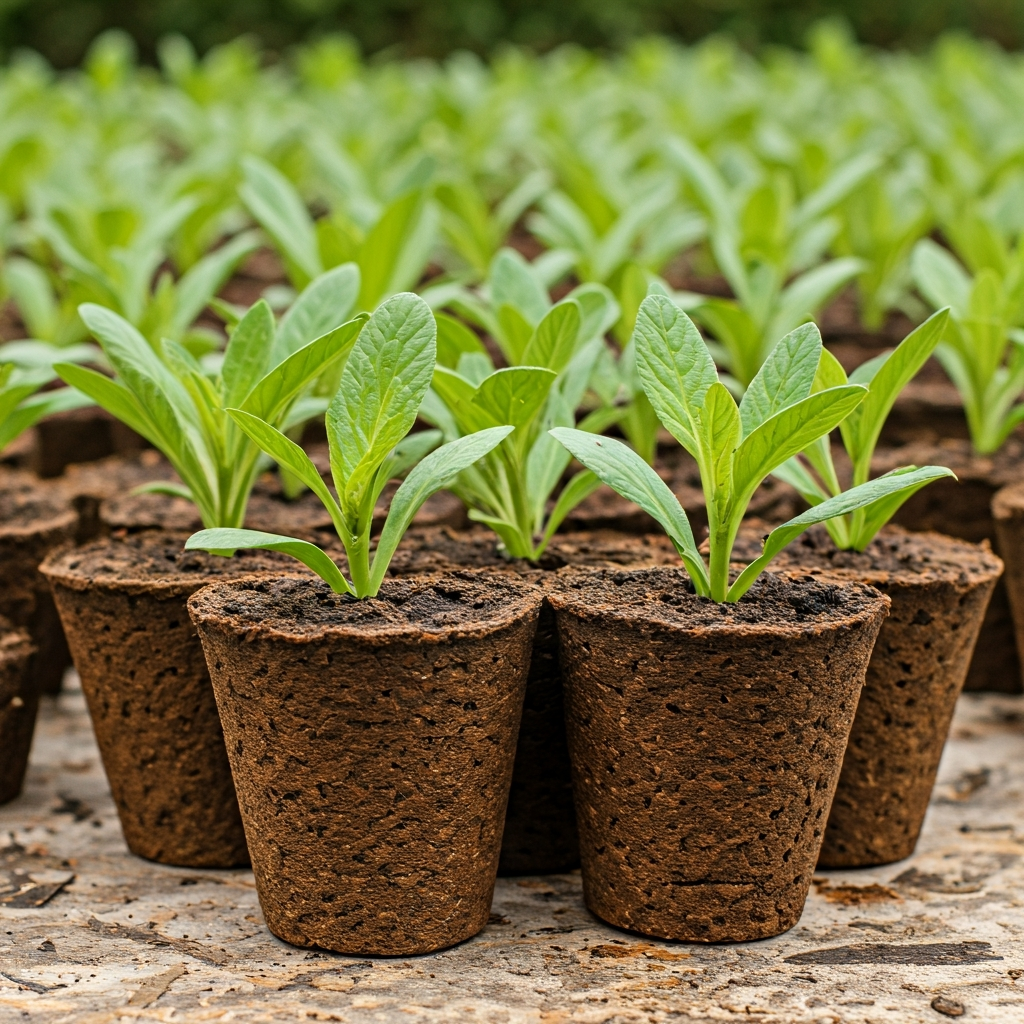
Cocopeat for Gardening: The Essential Guide to Avoid Mistakes
使用 cocopeat for gardening is the single most effective change you can make for healthier, more resilient plants this year. If you’re struggling with compacted soil, poor drainage, or weak root development, you’ve just found the solution.
For years, gardeners battled subpar soil amendments that either drained too quickly or retained too much water. This often leads to a cycle of plant stress and disease. The search for a sustainable, reliable growing medium has led experts to a powerful, natural resource.
According to research, amendments like cocopeat can improve soil physical properties by over 30%, setting the stage for explosive plant growth. This guide provides a data-driven look at how to use cocopeat, from preparation to advanced applications. Get ready to transform your garden from the ground up.
What Exactly is Cocopeat and Why Should You Care?
At its core, cocopeat is a 100% natural byproduct of the coconut processing industry. It is the spongy, fibrous material that makes up the husk of a coconut.
For decades, this material was considered waste. Today, it’s recognized as a premier growing medium and soil conditioner for gardeners worldwide, making it a key component in modern horticulture.

From Coconut Husk to Garden Gold: The Making of Cocopeat
The transformation from a tough coconut husk to usable gardening material is a multi-step process. First, husks are aged and cured over a significant period. They are then processed to separate the short pithy particles from the longer, stringier fibers.
This raw material is then washed thoroughly to remove excess salts, sorted by grade, and finally compressed into bricks or blocks for easy shipping. This meticulous process ensures you receive a stable, clean, and effective product.
This principle of repurposing byproducts is common in agriculture. For instance, other palm-based products like 椰干粉 also offer significant nutritional benefits, albeit for different applications like animal feed.
Cocopeat vs. Peat Moss: A Sustainable Showdown
For generations, peat moss was the go-to soil amendment. However, its harvest from fragile peat bogs is environmentally unsustainable. This is where using cocopeat for gardening presents a clear advantage, as highlighted by numerous environmental studies. It is a completely renewable resource.
| 特征 | Cocopeat (Coco Coir) | 泥炭藓 |
|---|---|---|
| 来源 | Renewable byproduct of coconut harvest | Harvested from non-renewable peat bogs (takes centuries to form) |
| pH值 | Neutral to slightly acidic (5.5 – 6.8) | Highly acidic (3.5 – 4.5), requires lime to neutralize |
| 润湿性 | Hydrophilic; re-wets easily without a wetting agent | Hydrophobic when dry; very difficult to re-wet |
| Decomposition | Decomposes slowly, lasts up to 5 years in soil | Decomposes more quickly, compacts over one season |
| 可持续性 | High – Fully renewable and repurposes a waste product | Low – Harvesting destroys fragile ecosystems |
The 3 Grades of Cocopeat You Need to Know
Understanding the different grades is crucial for targeted applications. Each has a unique texture and purpose for your garden.
- Cocopeat Pith/Dust: This has the appearance of fine, ground soil. It has excellent water retention and is the most common type used in potting mixes.
- Cocopeat Fiber: These are the longer, string-like fibers. They don’t retain much water but add excellent aeration and drainage channels to a mix.
- Cocopeat Chips: Small chunks of the husk that act like a more sustainable alternative to perlite or bark. They create large air pockets, perfect for orchids and epiphytes.
The 7 Astonishing Benefits of Using Cocopeat for Gardening
Integrating cocopeat into your gardening routine isn’t just a minor upgrade; it’s a complete system overhaul. The benefits are comprehensive, impacting everything from water usage to plant health.
- Incredible Water Retention: Cocopeat can hold up to 10 times its weight in water. This means less frequent watering and a consistent moisture supply for your plant roots, which is crucial during hot, dry periods.
- Superior Aeration & Drainage: While it holds water, its fibrous structure prevents compaction. This creates essential air pockets in the soil, allowing roots to breathe and thrive while preventing waterlogging and root rot.
- Ideal pH Level: Most cocopeat is processed to have a pH between 5.5 and 6.8. This is the optimal range for nutrient absorption for the vast majority of garden plants, eliminating the need for pH adjustments.
- Fungus and Pest Resistance: Cocopeat possesses natural anti-fungal properties. It helps suppress common root diseases like pythium and phytophthora, creating a healthier root environment from day one.
- Promotes Strong Root Growth: The unique combination of aeration, moisture, and a loose structure allows roots to expand effortlessly. This robust root system is the foundation for a vigorous, productive plant.
- 100% Sustainable and Renewable: As a byproduct of the massive global coconut industry, cocopeat is an eco-friendly choice you can feel good about. You are actively repurposing waste into a valuable resource.
- Versatility in Application: From starting seeds to amending clay soil or serving as a standalone hydroponic medium, cocopeat is incredibly versatile. It’s a single product with a dozen different uses in the garden.

How to Prepare and Use Cocopeat Like a Pro
Proper preparation is the key to unlocking the full potential of your cocopeat. Compressed bricks are economical but require a few crucial steps before they are garden-ready.
Step-by-Step Guide to Rehydrating Cocopeat Bricks
A compressed 5kg brick of high-quality 椰糠 can expand to over 60 liters of growing medium. Here’s how to do it right:
- Place your compressed brick in a large container, like a wheelbarrow or a storage tote.
- Add the amount of warm water recommended by the manufacturer (typically 20-25 liters for a 5kg brick).
- Allow the brick to sit for 20-30 minutes. It will begin to swell and absorb the water.
- Once it has expanded, break it apart with your hands or a small shovel until it is light and fluffy.
[Video: A time-lapse video showing a cocopeat brick expanding as it’s rehydrated in a large tub.]
Why You Can’t Skip Buffering Cocopeat
This is the most critical step many beginners miss. Raw cocopeat contains high levels of sodium and potassium. Through a process called cation exchange, it naturally wants to absorb calcium and magnesium while releasing sodium, potentially “stealing” these vital nutrients from your plants.
Buffering pre-charges the cocopeat with calcium and magnesium. To do this, soak the rehydrated cocopeat in a Cal-Mag solution for 8-12 hours, then rinse with clean water. This ensures the cocopeat is ready to feed your plants. For convenience, many high-quality brands now sell pre-buffered cocopeat.
Creating the Perfect Potting Mix with Cocopeat for Gardening
While cocopeat is amazing, it doesn’t contain nutrients on its own. You must mix it with other components for a complete potting mix. Here is a proven, all-purpose recipe:
- 5 parts Buffered Cocopeat: For moisture retention and structure.
- 3 parts Compost or Worm Castings: For slow-release nutrients and beneficial microbes.
- 2 parts Perlite or Pumice: For extra drainage and aeration.
This mix provides the perfect balance of moisture, drainage, and nutrition for most container plants. This focus on nutrient-rich organic matter is a core principle in agriculture, extending even to animal nutrition where products like 棕榈仁压榨机 are valued for their fiber and protein.
Advanced Applications for Cocopeat for Gardening
Beyond simple potting mixes, cocopeat excels in more specialized gardening tasks. Its unique properties make it a problem-solver for various cultivation methods.

Using Cocopeat in Hydroponics
Cocopeat is a world-class medium for hydroponic systems. It provides the ideal root-zone environment—structurally stable, excellent aeration, and high water-holding capacity. It’s often used in slabs or grow bags for crops like tomatoes, cucumbers, and peppers, allowing precise control over irrigation and fertilization.
The Ideal Medium for Seed Starting
The fine, fluffy texture and anti-fungal properties of cocopeat make it perfect for germinating seeds. It holds consistent moisture around the seed without becoming waterlogged, which is a leading cause of “damping-off” disease in seedlings. A mix of 100% buffered cocopeat or a 50/50 mix with vermiculite is ideal.
How to Use Cocopeat to Amend Garden Beds
Do you have heavy clay soil that stays wet and compacted? Or sandy soil that drains too fast? Amending your beds with cocopeat can solve both problems. For clay soil, it improves aeration. For sandy soil, it dramatically increases water retention. Simply work 2-3 inches of rehydrated cocopeat into the top 6-8 inches of your garden bed.
使用椰糠时应避免的常见错误
To ensure success, be aware of these common pitfalls. Avoiding them will save you time, money, and frustration when using cocopeat for gardening.
- Forgetting to Buffer: As discussed, this is the #1 mistake. Unbuffered cocopeat can lead to calcium and magnesium deficiencies in your plants. Always buy pre-buffered or buffer it yourself.
- Overwatering: Because it holds so much water, it’s easy to overwater. Always check the moisture level an inch or two below the surface before watering again.
- Not Adding Nutrients: Cocopeat is an inert medium. It contains almost no nutrients. You must provide a food source, either by mixing in compost or by using a balanced liquid fertilizer regularly.
- Using Low-Quality Cocopeat: Cheap, unwashed cocopeat can have dangerously high salt levels that will kill plants. Invest in a reputable brand that washes and properly processes its product. Research on salinity effects confirms this, as detailed in studies like this one.
Makmur Amanah Sejahtera 我们提供优质的棕榈产品,例如棕榈仁粕、棕榈仁壳、原棕榈油、棕榈仁油等。请联系我们。 WhatsApp +6282140002198 或发送电子邮件至 admin@makmuramanah.co.id.
Frequently Asked Questions about Cocopeat for Gardening
椰糠对所有植物都适用吗?
Cocopeat is excellent for most plants, especially those that thrive in neutral pH soil with consistent moisture. For plants that prefer dry conditions, like certain succulents, you should amend the cocopeat mix with more drainage material like sand or pumice to prevent root rot.
How long does cocopeat last? Can it be reused?
Cocopeat is highly durable, decomposing slowly over 3-5 years. It can absolutely be reused. After a growing season, simply shake out old roots, rinse it to remove built-up fertilizer salts, and amend it with fresh compost. This makes it a cost-effective and sustainable choice.
Can I use cocopeat as mulch?
While possible, it’s not ideal. Dry cocopeat is lightweight and can blow away. Its high water retention can also block light rain from reaching the soil below. A heavier mulch like bark chips or a dedicated product like 棕榈仁壳 is often more effective for top-layer mulching.
Do I need to add fertilizer if I use cocopeat?
Yes, absolutely. Cocopeat is a sterile medium with no nutritional value. Think of it as the perfect “house” for roots, but you must provide the “food.” This can be done by adding compost to your mix or by applying a balanced liquid fertilizer regularly.
Conclusion: The Future of Your Garden is Cocopeat
From its sustainable origins to its profound benefits for soil structure and plant health, cocopeat is more than a trend; it’s a foundational shift in gardening. It solves common frustrations like poor drainage, water waste, and weak roots with a single, effective solution.
By understanding how to properly prepare and use it, you can unlock a new level of success in your containers, raised beds, and hydroponic systems. Authoritative sources like Cornell University’s gardening program and publications like Gardeners’ World confirm its benefits.

Making the switch to cocopeat for gardening is an investment in the health of your plants, the sustainability of your practices, and the productivity of your garden for years to come. For a general overview of the material, the Wikipedia page on Coir is also a useful resource.

 Chinese
  English
  Indonesian
  Arabic