
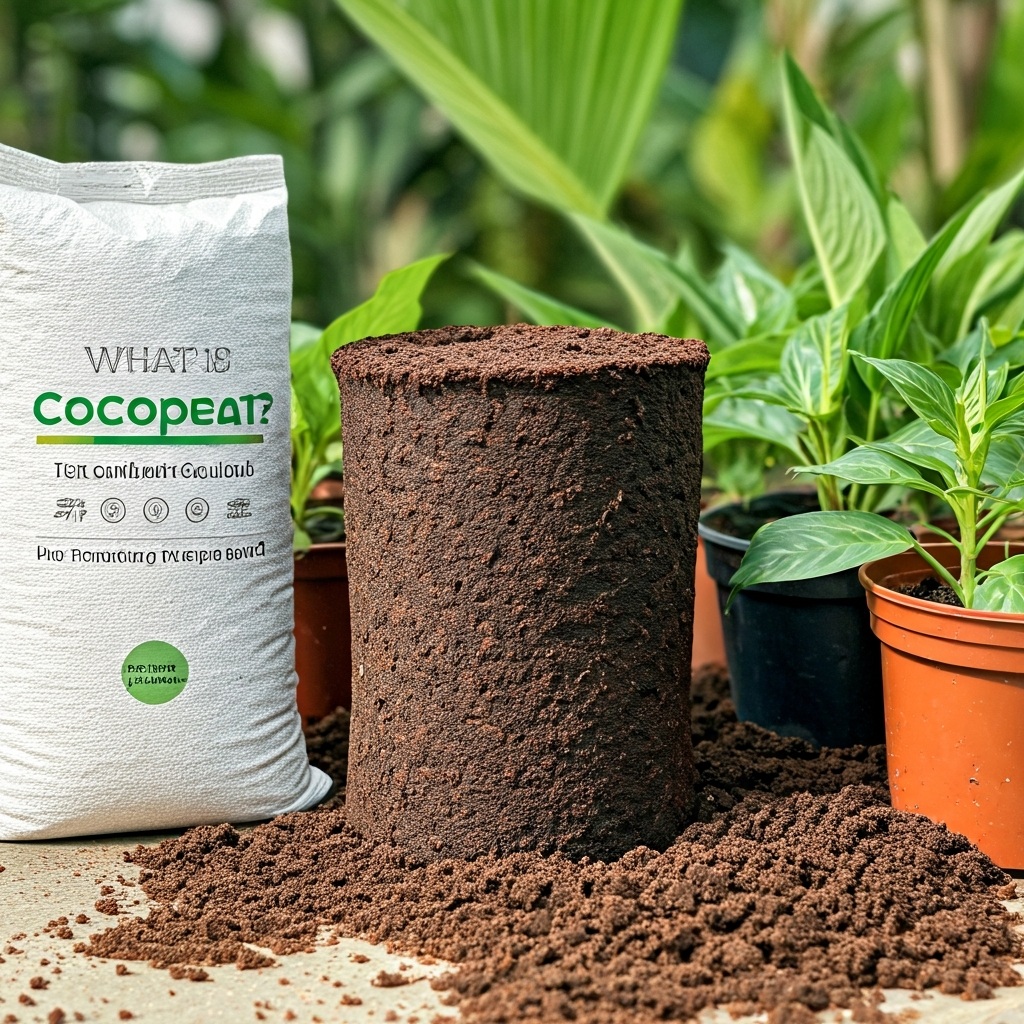
What is Cocopeat? The Ultimate Guide to Using It for Thriving Plants
Could what is cocopeat be the one missing ingredient your garden needs for explosive growth? If you’ve struggled with compacted soil, poor water retention, or finding a sustainable alternative to traditional mediums, the answer is a resounding yes.
For years, gardeners have sought the perfect growing substrate—one that holds moisture without drowning roots and provides structure without suffocating them. As environmental concerns over peat moss harvesting grow, a hero has emerged from a familiar tropical fruit: the coconut. This guide unveils everything you need to know about using coco coir for healthier, more vibrant plants in 2024.
What is Cocopeat, Exactly? A Deep Dive
At its core, cocopeat is a 100% natural, soilless growing medium derived from the fibrous husk of a coconut. It consists of the spongy, lightweight material found between the hard inner shell and the outer coat. Once considered an agricultural waste product, it has become a revolutionary resource for gardeners and hydroponic growers worldwide.
The Journey from Coconut Husk to Garden Gold
The transformation process is multi-stepped. First, processors age and cure coconut husks for several months, which helps break down the tough fibers. The husks are then washed to remove salts, dried, and processed by machines into different grades. The final product is often compressed into dense bricks or blocks for easy shipping and storage.
Pith, Fiber, and Chips: The Three Types of Coco Coir
This versatile medium isn’t a one-size-fits-all product. It comes in three main forms, each with unique properties:
- Coco Pith: The most common type, with a texture similar to peat moss. It has excellent water retention, making it ideal for most gardening applications.
- 椰纤维: Longer fibers that improve aeration and drainage. They prevent the pith from compacting and allow vital oxygen to reach the plant’s roots.
- 椰子片: Small chunks of the husk that function like bark. They create large air pockets and are perfect for orchids or in mixes that require very high drainage.
Most high-quality products, like premium Cocopeat from a reliable supplier, are a balanced blend of these types to offer the best of both worlds.
Is Cocopeat the Same as Coconut Coir?
Yes, the terms are often used interchangeably. “Coconut coir” is a broader term that refers to the entire fibrous material from the husk. “Cocopeat” or “coco pith” specifically refers to the spongy, peat-like particles that are the most popular component for growing mediums.
The Science-Backed Benefits of Cocopeat (Why Your Plants Will Love It)
理解 what is cocopeat also means understanding why it’s so beneficial. Its physical and chemical properties create the perfect environment for root growth, leading to healthier plants overall.
Unbeatable Water Retention
Coco coir can hold up to 10 times its weight in water. This incredible capacity means your plants stay hydrated longer, and you water less frequently. The moisture is released slowly, giving roots a consistent supply without being waterlogged.
Superior Aeration and Root Development
Unlike dense garden soil that can compact over time, this natural fiber remains light and airy. This structure allows oxygen to flow freely to the root zone—a critical factor for healthy root development and nutrient uptake. According to research from the 英国皇家园艺学会, good aeration is vital for preventing root rot.
pH Neutral and Anti-Fungal Properties
Most coco pith has a neutral to slightly acidic pH range (5.5 to 6.8), which is ideal for the vast majority of plants. It is also naturally resistant to many common soil-borne pathogens and fungi, helping to protect your plants from disease.
Cocopeat vs. Peat Moss: A Head-to-Head Comparison
For decades, peat moss was the go-to soil amendment. However, the environmental impact of harvesting it from fragile peat bogs—ecosystems that take centuries to form—has led gardeners to seek sustainable alternatives. Here’s how coconut coir stacks up.
| 特征 | Cocopeat (Coconut Coir) | 泥炭藓 |
|---|---|---|
| 可持续性 | Highly sustainable; a byproduct of the coconut industry. | Non-renewable; harvested from finite, ecologically vital peat bogs. |
| 水分保留 | Excellent; holds water but re-wets easily when dry. | Good, but can become hydrophobic and difficult to re-wet once fully dried. |
| pH值 | Neutral (5.5-6.8), suitable for most plants without adjustment. | Acidic (3.5-4.5), requires lime for many plants. |
| 寿命 | Breaks down slowly over 3-5 years; can be reused. | Compacts and breaks down within 1-2 years. |
How to Prepare and Use Cocopeat: A Step-by-Step Guide
Using this medium is simple, but proper preparation is key to unlocking its full potential. Compressed bricks must be rehydrated and, most importantly, buffered to ensure nutrient availability.
Step 1: Expanding the Cocopeat Brick
Place your compressed brick in a large container, like a wheelbarrow or storage tote. Add the amount of warm water specified on the packaging (usually several gallons). The brick will begin to absorb the water and swell, breaking apart into a fluffy, soil-like material within 15-30 minutes.
Step 2: Rinsing and Buffering (The Most Crucial Step)
This is a non-negotiable step for high-performance gardening. Low-quality coir can be high in sodium and potassium, which can lock out essential nutrients like calcium and magnesium. A scientific study on soilless culture emphasizes the need for proper medium preparation.
- Rinse: Thoroughly rinse the expanded material with fresh water until the runoff is clear. This removes excess salts.
- Buffer: Soak the rinsed coco pith in a solution of Calcium Nitrate and Magnesium Sulfate for 8-12 hours. This process pre-charges the substrate with calcium and magnesium, ensuring it doesn’t steal them from your plants later.
Step 3: Amending with Nutrients and Minerals
Because it is an inert medium, it contains very few nutrients on its own. After buffering, you must amend it. For a balanced potting mix, a common recipe is:
- 50% Cocopeat
- 30% Perlite or Pumice (for extra aeration)
- 20% High-quality compost or worm castings (for microbial life and nutrients)
Alternatively, you can use it in a hydroponic system and provide all nutrients via a liquid solution.
Practical Applications: What is Cocopeat Best For?
The versatility of this coconut fiber allows it to be used in numerous gardening scenarios. Its consistent quality makes it a reliable choice for beginners and experts alike.
What is Cocopeat Used For in Hydroponics?
Because of its excellent water-to-air ratio and inert nature, coco coir is a world-class medium for hydroponics. It provides a stable anchor for roots while allowing for precise control over nutrient delivery. It’s also much more forgiving than other hydro mediums like rockwool or clay pebbles. For tailored agricultural substrates, it can be mixed with other byproducts like 椰干粉, 棕榈仁壳 for added air space, or components of other custom blends. Even byproducts like 棕榈仁压榨机 show the diverse utility of agricultural co-products.
For Seed Starting and Germination
The fine, moist, and sterile nature of coco pith makes it an unparalleled medium for starting seeds. It promotes rapid germination and reduces the risk of “damping off,” a fungal disease that kills young seedlings. The easy penetration for young roots ensures a strong start for your plants.
As a Soil Amendment for Garden Beds
Amending heavy clay soil with this substrate improves drainage and prevents compaction. In sandy soils, it works in reverse, helping to retain crucial moisture and nutrients that would otherwise wash away. It’s an excellent way to improve the tilth and structure of any garden bed, as noted by many university extension programs.
Potential Downsides and How to Avoid Them
While cocopeat is a fantastic resource, quality matters. Being aware of potential issues and sourcing from a reputable supplier is key to success. This is a critical part of understanding the complete picture of what is cocopeat.
The Risk of High Salinity
Coconuts are often grown near coastlines, so the husks can contain high levels of sodium. If not properly washed by the manufacturer, this salt can be detrimental to your plants. Always choose a brand that specifically states it is “low EC” (low electrical conductivity) or has been thoroughly washed.
Nutrient Deficiencies (Calcium and Magnesium)
As mentioned in the preparation steps, the natural chemistry of unbuffered coir can lead it to bind with and hold onto calcium and magnesium. Using it straight from the brick without buffering is a common mistake that leads to stunted growth and yellowing leaves. Therefore, you must always buffer your cocopeat or purchase a pre-buffered product to avoid this.
关于椰糠的常见问题
椰糠对所有植物都适用吗?
Almost! Its neutral pH and excellent aeration make it suitable for a vast range of plants, from vegetables and herbs to flowers and houseplants. The only exceptions are plants that require highly acidic or alkaline soils.
How long does cocopeat last? Can it be reused?
This material breaks down very slowly due to its high lignin content, lasting for 3 to 5 years. It can be rinsed, re-buffered, and reused for multiple growing cycles, making it a very economical and sustainable choice for gardeners.
Do I need to add fertilizer to cocopeat?
Yes, absolutely. Cocopeat is an inert medium with no native nutritional value. You must provide nutrients, either by mixing in compost and other organic matter or by using a balanced liquid fertilizer regularly for long-term growth.
Can I use cocopeat on its own?
While you can grow in 100% coco coir (especially in hydroponics), it’s often best to create a mix. Adding 25-50% perlite will improve aeration even further and create a more robust, well-draining potting mix that resists compaction.
Conclusion: The Future of Sustainable Gardening is Here
所以,, what is cocopeat? It’s more than just a growing medium; it’s a sustainable, high-performance solution that addresses many of the challenges modern gardeners face. It offers superior water retention, unmatched aeration, and a neutral pH, all while being a renewable resource.
By choosing high-quality, properly prepared coconut coir, you provide a stable and nurturing environment for your plants to thrive. Making the switch is a powerful step towards more sustainable practices and a healthier, more productive garden. Embrace the power of the coconut and watch your plants flourish.
 Chinese
  English
  Indonesian
  Arabic