
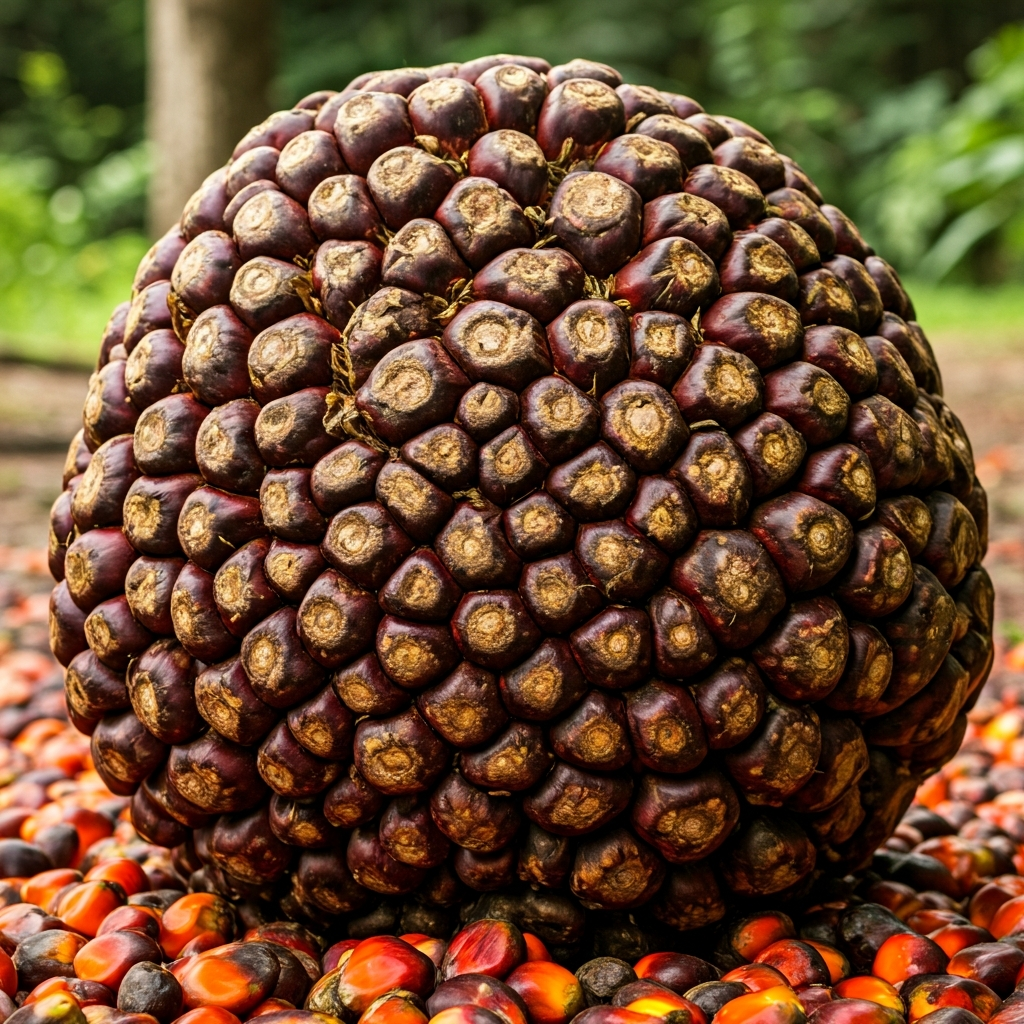
Palm Kernel Expeller: The Ultimate 2026 Guide to 7 Benefits
棕榈仁压榨机 (PKE) is a powerhouse ingredient in the global animal feed industry, yet many underestimate its full potential. As feed costs continue to rise in 2026, leveraging cost-effective, high-energy feed sources like PKE is no longer just an option—it’s a strategic necessity for maintaining profitability and herd performance.
Many farmers and feed formulators face the challenge of understanding PKE’s unique nutritional profile and how to best integrate it into rations. This comprehensive guide solves that problem. We provide an in-depth analysis of its uses, benefits, and practical application to help you unlock its maximum value.
棕榈仁粕(PKE)究竟是什么?
Palm Kernel Expeller is a crucial co-product derived from the mechanical extraction of oil from the kernel of the palm fruit (油棕). After processors extract palm oil from the fruit’s flesh, they crack the nut to reveal the kernel. Crushing this kernel releases palm kernel oil, and the remaining fibrous material is PKE. People also commonly know it as Palm Kernel Cake.
Often confused with other palm by-products, PKE is distinct due to its balanced energy and protein content, making it a valuable feed ingredient for various livestock. According to the 联合国粮食及农业组织(粮农组织), the demand for such alternative feed resources is growing as the world seeks sustainable and economical solutions for animal nutrition.

The Production Process: From Palm Fruit to PKE
Understanding how PKE is produced is key to appreciating its quality and consistency. The process is a model of efficiency, ensuring minimal waste from the valuable palm fruit.
- Harvesting & Sterilization: Workers harvest fresh fruit bunches and sterilize them with high-pressure steam. This process halts enzymatic activity that can increase free fatty acids (FFA).
- Threshing & Digestion: The fruit is separated from the bunch (threshing) and then heated and mashed (digestion) to break down the oil-bearing cells.
- Oil Pressing: The mashed fruit goes through a screw press to extract Crude Palm Oil. The remaining mass consists of fibre and nuts.
- Nut & Kernel Separation: The nuts are separated and cracked. The hard shell is removed—often sold as 棕榈仁壳, a biofuel—leaving the valuable palm kernel.
- Kernel Oil Extraction: The kernels are crushed and put through a mechanical screw press. This critical step extracts the palm kernel oil and produces the final co-product: 棕榈仁压榨机.
Nutritional Analysis of Palm Kernel Expeller
营养价值 棕榈仁压榨机 can vary based on oil extraction efficiency and the amount of shell remaining. Sourcing consistent, high-quality PKE is key to predictable results.
That said, good quality PKE provides a unique combination of protein, fibre, energy, and minerals. This profile makes it a highly versatile component in modern feed formulation. As a feed formulator, I’ve found this balance particularly effective for ruminant diets.
| 养分 | 棕榈仁压榨机 | 豆粕 | 椰干粉 |
|---|---|---|---|
| Crude Protein (%) | 14-18 | 44-48 | 20-22 |
| Crude Fibre (%) | 16-20 | 5-7 | 10-12 |
| Crude Fat (%) | 8-12 | 1-2 | 6-10 |
| Metabolizable Energy (MJ/kg) | 10-11.5 | 12-13 | 11-12 |
The Economic Advantage of Palm Kernel Expeller
One of the most compelling reasons for its widespread adoption is economics. PKE is consistently more affordable than mainstream protein sources like soybean meal, offering significant cost savings in feed formulation. By substituting a portion of more expensive ingredients with PKE, farmers can lower their production costs without compromising essential nutrient delivery, directly impacting their bottom line.
7 Key Benefits of Using PKE in Animal Feed
Incorporating PKE into livestock diets offers a range of powerful advantages that go beyond simple cost-cutting. These benefits contribute to animal health, performance, and overall farm sustainability.
- 高能量含量: The residual oil in PKE makes it a fantastic source of energy, ideal for animals with high metabolic demands like lactating dairy cows.
- Good Source of Protein: With crude protein levels between 14-18%, PKE serves as a viable protein source, reducing reliance on more expensive options.
- Rich in Fibre: The high fibre content promotes good rumen function in cattle and gut health in other animals, aiding in digestion.
- Excellent Palatability: When introduced correctly, most livestock find PKE palatable, ensuring consistent feed intake.
- Reduces Feed Costs: As previously mentioned, its competitive pricing makes it a go-to for creating economically efficient rations.
- 保质期长: Due to its low moisture content (typically under 10%), PKE is less prone to mold and can be stored for longer periods.
- Sustainable & Consistent Supply: As a co-product of the world’s most-produced vegetable oil, PKE has a stable and reliable supply chain year-round.

Practical Applications: Palm Kernel Expeller in Livestock Diets
多功能性 棕榈仁压榨机 allows for its use across multiple species. However, nutritionists must adapt formulation strategies to each animal’s digestive system and nutritional needs. Decades of research, including studies published in journals like 动物饲料科学与技术, have refined its application.
Ruminants (Dairy & Beef Cattle)
Ruminants, like dairy and beef cattle, utilize PKE exceptionally well. Its high fibre is easily fermented in the rumen, and its fat content provides a dense energy source. For dairy cows, it can increase milk fat content, a desirable trait. In high-producing cows, supplementing with bypass fats like 棕榈油脂肪酸钙盐 alongside PKE can further boost energy density.
A common inclusion rate is 20-30% of the total diet concentrate, but formulators can increase this rate depending on other ingredients. We often recommend it as a partial replacement for maize or soybean meal.
Poultry (Broilers & Layers)
In poultry, nutritionists limit PKE usage due to its high fibre content, which birds cannot digest efficiently. However, with the use of feed enzymes (e.g., cellulase, xylanase), its digestibility can improve. Typical inclusion rates are low, around 5-7% for broilers and up to 10% for layers, providing supplemental protein and energy. Our experience shows that gradual introduction is key to acceptance.
猪
Similar to poultry, the high fibre in PKE can be a limiting factor for pigs. It is more commonly used in diets for gestating sows, where high fibre is beneficial for satiety and gut health. For growing and finishing pigs, inclusion is generally kept below 15% to avoid any negative impact on growth rates. Pairing it with a highly digestible energy source is a common strategy.
For a reliable supply of PKE and other feed ingredients like 椰干粉, it is crucial to partner with a trusted supplier.

使用PKE时的局限性和注意事项
While PKE is a valuable resource, formulators must be aware of its limitations to use it effectively. Success with PKE comes from understanding its complete profile.
- 氨基酸组成: PKE is relatively low in essential amino acids like lysine and methionine. Therefore, it must be balanced with other protein sources or supplemented with synthetic amino acids, especially in monogastric (poultry, swine) diets.
- Grit/Shell Content: The percentage of shell contamination can affect quality. High shell content increases indigestible fibre and can reduce palatability. Always source from suppliers who guarantee low shell content. Learn more about our high-grade 棕榈仁压榨机.
- Palatability for Some Species: While generally palatable, its unique taste and gritty texture may require a gradual introduction period for some animals to adapt.
Sourcing and Quality Control for Palm Kernel Expeller
The effectiveness of 棕榈仁压榨机 in any feed strategy hinges on its quality. Sourcing from a reliable supplier who adheres to strict quality control is non-negotiable. Low-quality PKE can introduce variability in your rations and negatively impact animal performance.
Key Quality Indicators to Check:
- 水分含量: Should be below 12% to prevent mold growth and ensure a long shelf life. High moisture can lead to spoilage and mycotoxin formation, a significant threat to livestock health.
- Shell and Grit Content: High levels of shell residue increase indigestible fiber and reduce the energy and protein value. Reputable suppliers guarantee a low shell content, often less than 5%.
- Residual Oil Content: For PKE from mechanical extraction, oil content should be consistent (typically 8-12%). Significant deviations can alter the energy content of the feed, requiring ration reformulation.
- Color and Odor: High-quality PKE has a golden-brown color and a fresh, nutty smell. A dark color or burnt smell may indicate overheating during processing, which can damage proteins and reduce digestibility.
Partnering with a trusted supplier like Makmur Amanah Sejahtera ensures you receive a consistent, high-quality product that meets these standards, safeguarding your animals and your investment.
Makmur Amanah Sejahtera 我们提供优质的棕榈产品,例如棕榈仁粕、棕榈仁壳、原棕榈油、棕榈仁油等。请联系我们。 WhatsApp +6282140002198 或发送电子邮件至 admin@makmuramanah.co.id.
常见问题解答 (FAQ)
What is the difference between palm kernel meal and expeller?
Though often used interchangeably, there is a technical difference. Palm Kernel Expeller comes from mechanical pressing, leaving 8-12% residual oil. Palm Kernel Meal typically refers to the product of solvent extraction, which has a much lower oil content (1-3%) and slightly higher protein.
棕榈仁粕对奶牛有益吗?
Yes, it is an excellent ingredient for dairy cows. Its high digestible fibre supports healthy rumen function, while the residual fat provides a dense energy source that can boost milk fat content. It is a cost-effective way to add energy and protein to a total mixed ration.
What is the protein content of Palm Kernel Expeller?
The crude protein content of Palm Kernel Expeller typically ranges from 14% to 18%. While this is lower than soybean meal, it provides a significant and cost-effective protein source, particularly for ruminant diets where microbial protein synthesis contributes to the animal’s needs.
How can you improve the digestibility of PKE for poultry?
You can significantly improve the digestibility of PKE in poultry by adding exogenous enzymes to the feed. Enzymes like xylanase, beta-glucanase, and mannanase help break down the complex non-starch polysaccharides (fibre), releasing more trapped nutrients and energy for the bird to absorb.
Why is PKE a popular feed ingredient in 2026?
In 2026, PKE’s popularity stems from its economic advantages amidst rising global feed prices. Its consistent availability, sustainable sourcing as a co-product, and balanced nutritional profile make it a strategic choice for formulators aiming to reduce costs while maintaining animal performance and health.
Conclusion: The Strategic Value of Palm Kernel Expeller
综上所述,, 棕榈仁压榨机 has cemented its role as an indispensable ingredient in modern animal feed formulation. Its unique blend of energy, protein, and fibre, combined with its significant cost advantages, makes it a powerful tool for enhancing farm profitability. From improving milk fat in dairy cattle to serving as a sustainable feed component, the benefits of PKE are clear and proven.
As we move through 2026, leveraging every available resource for efficiency is paramount. By understanding the nutritional nuances and proper applications discussed, you can confidently integrate 棕榈仁压榨机 into your feeding strategy. This ensures a competitive edge, healthier livestock, and a more sustainable operation. For a consistent supply of premium feed ingredients, a reliable partner is essential.
 Chinese
  English
  Indonesian
  Arabic