
Cocopeat: Your Ultimate 2026 Guide to Amazing Garden Growth
If you’re chasing shockingly healthy plants and bigger harvests, 椰糠 is the revolutionary gardening ingredient you’re missing. For anyone who has struggled with poor soil, inconsistent watering, or finding a sustainable alternative to traditional mediums, the solution is here.
This guide dives deep into what makes cocopeat an essential tool for gardeners in 2026. We will unlock its full potential, from preparation to advanced applications, transforming your gardening efforts into predictable, amazing success.
What Is Cocopeat? A Deep Dive Beyond the Basics
Cocopeat is a 100% natural, soilless growing medium derived from the fibrous pith inside a coconut husk. Once a waste product, this spongy material is now prized by gardeners for its incredible properties. It offers a perfect, controlled balance of air and water, making it a superior and sustainable alternative to traditional peat moss.
From Husk to Gold: The Cocopeat Manufacturing Process
The journey of cocopeat begins after coconut harvesting. Husks are separated and aged to soften the fibers. They are then processed with water to separate the pith (cocopeat), longer fibers (coco fiber), and chunks (coco chips).
Crucially, the raw cocopeat is washed repeatedly to remove excess salts. High-quality producers also buffer it by treating it with calcium nitrate. This step displaces sodium and potassium, ensuring the cocopeat won’t trap essential nutrients like calcium and magnesium away from your plants later on.
Cocopeat vs. Coco Coir vs. Coir Pith: Decoding the Terms
You’ll often hear these terms used interchangeably, but they have slight nuances:
- Coco Coir: This is a general term for any product from the coconut husk, including peat, fibers, and chips.
- Cocopeat (or Coir Pith): The most common type, this spongy, peat-like material is the primary component valued for its high water retention. For a clean, effective base, starting with a 优质椰糠 product is key.
- 椰纤维: Long, stringy fibers that improve aeration and drainage when mixed with cocopeat.
- 椰子片: Small chunks of the husk that create large air pockets, ideal for orchids or plants needing excellent drainage.
[Image: A side-by-side photo showing a dry, compressed cocopeat brick next to a large pile of expanded, fluffy cocopeat ready for use. Title: Compressed vs. Expanded Cocopeat. Alt: A block of dry cocopeat next to a pile of expanded, fluffy cocopeat for gardening.]
The 7 Undeniable Benefits of Using Cocopeat (2026 Data)
The “why” behind using cocopeat is compelling. It’s a functional powerhouse that actively improves plant health. Here are the seven most critical benefits for 2026.
- Incredible Water Retention: Cocopeat holds up to 10 times its weight in water, reducing watering frequency. A study in the Turkish Journal of Agriculture and Forestry confirms that coir-based substrates retain more plant-available water than peat, preventing root dehydration.
- Superior Aeration & Root Growth: Despite holding immense water, its spongy structure maintains excellent air pockets. This oxygen-rich environment prevents root rot and promotes a robust, healthy root system—the foundation of a thriving plant.
- Optimal Neutral pH Level: With a pH range of 5.5 to 6.8, cocopeat is ideal for a wide variety of plants without needing the significant pH adjustments required by acidic peat moss.
- Sustainable and Renewable: As a byproduct of the coconut industry, using cocopeat repurposes waste. It provides a fantastic alternative to peat moss, the harvesting of which, as noted by authorities like the 英国皇家园艺学会(RHS), degrades vital peatland ecosystems.
- Naturally Resistant to Pests: Properly processed cocopeat is naturally antifungal and free from the soil-borne pathogens, weed seeds, and pests that plague garden soil. This makes it perfect for sterile seed starting.
- Slow to Decompose: Cocopeat breaks down very slowly (over 3-5 years), meaning it doesn’t shrink in pots or require frequent replacement. This physical stability ensures your soil structure remains consistent for several seasons.
- Easy to Store and Handle: Sold in compressed, lightweight bricks, cocopeat is easy to transport and store. Just add water, and a small brick expands into a large volume of ready-to-use growing medium.
[Image: An infographic-style image illustrating the top benefits of cocopeat: a water droplet icon for “Water Retention,” a roots icon for “Aeration,” a pH scale for “Neutral pH,” and a recycling icon for “Sustainable.” Title: Top 4 Benefits of Cocopeat. Alt: An infographic showing the key benefits of using cocopeat for plants.]
How to Prepare and Use Cocopeat: A Step-by-Step Guide
Using cocopeat correctly is key. Skipping preparation, especially buffering, is a common mistake that leads to nutrient deficiencies. Follow this guide for foolproof results.
Step 1: Choosing the Right Cocopeat Product
Select your cocopeat based on its intended use. For general potting, a standard brick is perfect. For hydroponics or aroids, a mix with more fibers and chips is better. Always buy from a reputable source to ensure it’s properly washed and low in salts.
Step 2: Expanding and Rehydrating the Brick
This is the most satisfying part! Place your brick in a large container (a wheelbarrow or large tote). Add the amount of warm water specified on the packaging. The brick will absorb the water and swell to 5-7 times its original size in 20-30 minutes.
[Video: An embedded YouTube video showing a time-lapse of a compressed cocopeat brick expanding in a tub of water, ending with a shot of the fluffy, ready-to-use medium. Title: How to Rehydrate Cocopeat in Minutes!]
Step 3: Buffering Cocopeat (A Non-Negotiable Step)
Raw cocopeat is high in sodium and potassium. It will try to trade these for calcium and magnesium from your fertilizer, starving your plants. Buffering is the simple fix.
- After rehydrating, soak the fluffy cocopeat in a solution of water and calcium-magnesium (Cal-Mag) fertilizer at a rate of 1.5 grams per liter.
- Let it soak for at least 8 hours, or overnight.
- Drain the excess liquid. Your cocopeat is now “charged” and ready for your plants.
Step 4: Amending for a Complete Potting Mix
Pure cocopeat contains no nutrients. You must amend it. A classic, all-purpose recipe is:
- 60% Buffered Cocopeat (for water and air)
- 30% 珍珠岩或浮石 (for drainage and aeration)
- 10% Worm Castings or High-Quality Compost (for nutrients and microbial life)
For adding organic matter, amendments like compost or even processed byproducts such as 椰干粉 can be tested in small amounts, though compost and worm castings are the standard for home gardening.
Common Mistakes to Avoid With Cocopeat
While fantastic, cocopeat is not foolproof. Avoiding these common errors will ensure you get great results instead of frustration.
- Forgetting to Buffer: This is the #1 mistake. Unbuffered cocopeat will lock up calcium and magnesium, causing stunted growth and yellowing leaves. Always buffer with Cal-Mag.
- Overwatering: Because it holds so much water, it’s easy to overdo it. Always check if the top inch of the medium is dry before watering again.
- Not Adding Nutrients: Remember, cocopeat is inert. You must provide 100% of the plant’s food through fertilizers or rich amendments like compost.
- Using It Pure for All Plants: While great, pure cocopeat can be too dense for some plants. Always mix it with perlite, pumice, or other materials to improve drainage and structure.
Advanced Cocopeat Recipes & Applications
Once you master the basics, you can tailor your cocopeat mixes for specific needs, just as commercial growers do.
1. Aroid and Orchid Mix
These plants need exceptional drainage and chunky substrate.
Mix: 30% Cocopeat, 30% Coco Chips, 20% Perlite, 20% Orchid Bark.
2. Seed Starting Mix
For germination, you need a fine, sterile medium that stays consistently moist.
Mix: 80% Buffered Cocopeat, 20% Fine Perlite.
3. Amending Garden Beds
To improve the structure and water retention of sandy or clay soil, work 2-3 inches of rehydrated cocopeat into the top 6-8 inches of your garden bed. This is a great tip from horticultural experts at leading university extensions.
4. Using Other Sustainable Byproducts
Creating custom textures is key. While coco chips add aeration, other agricultural byproducts like 棕榈仁壳 can serve similar functions in specialized horticultural mixes, highlighting the versatility of sustainable resources.
Cocopeat vs. Peat Moss vs. Soil: A Comparison
Choosing the right growing medium depends on your goals. Here’s how 椰糠 stacks up.
| 特征 | 椰糠 | 泥炭藓 | 园土 |
|---|---|---|---|
| 可持续性 | 高(可再生副产品) | Low (Non-renewable) | 多变的 |
| 水分保留 | 出色的 | Very Good (Can be hydrophobic when dry) | 多变的 |
| pH值 | Neutral (5.5-6.8) | Acidic (3.5-4.5) | 多变的 |
| 可重复使用性 | High (Lasts 3-5+ years) | Low (Compacts over one season) | N/A |
| 营养成分 | Inert (None) | Inert (None) | 多变的 |
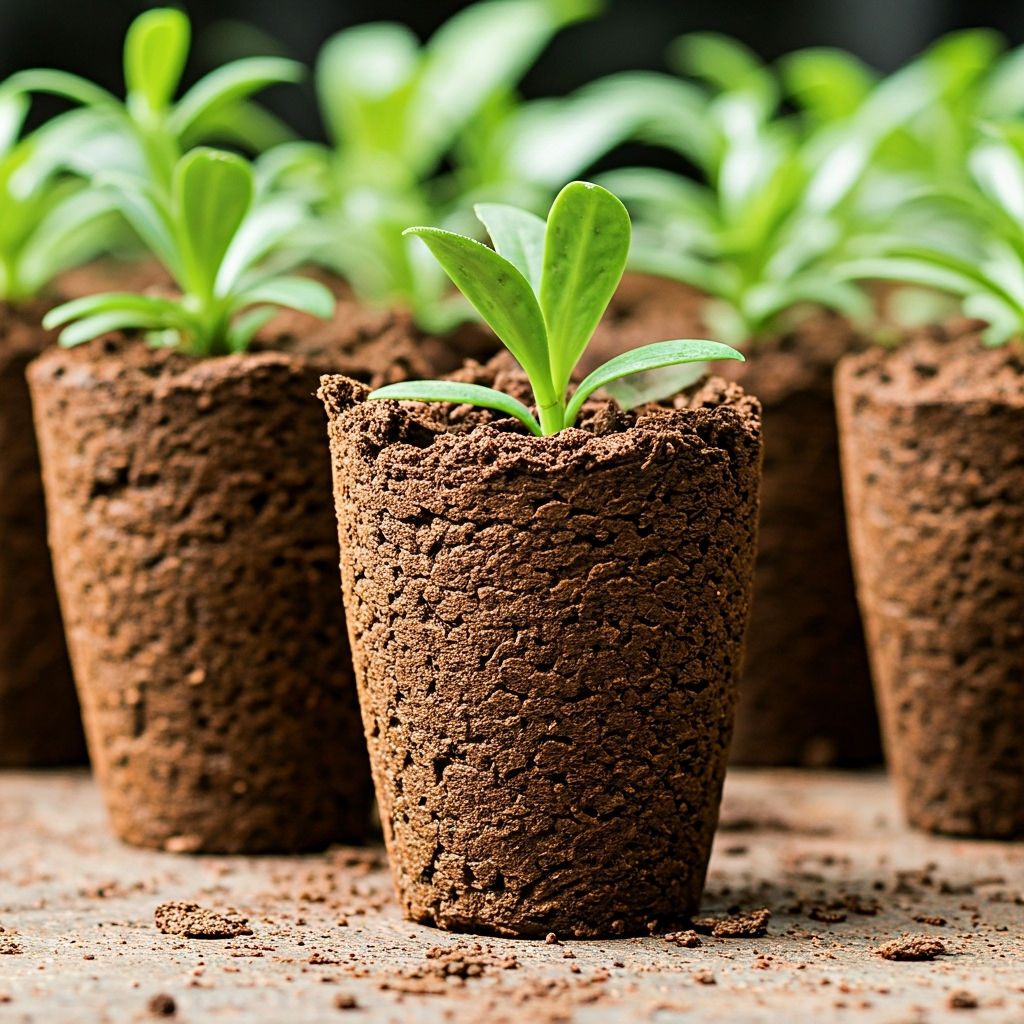
[Image: Healthy, vibrant seedlings sprouting in small cocopeat pellets. Title: Seedlings Thriving in Cocopeat. Alt: Close-up of green seedlings growing strong in dark brown cocopeat pellets.]
Makmur Amanah Sejahtera 提供高质量的棕榈产品,例如: 棕榈仁压榨机, Palm Kernel Shell, Crude Palm Oil, Palm Kernel Oil, etc. Kindly contact us at WhatsApp +6282140002198 或发送电子邮件至 admin@makmuramanah.co.id.
关于椰糠的常见问题
椰糠对所有植物都适用吗?
It’s excellent for most plants, especially those prone to root rot like ferns, aroids, and vegetables. For succulents or cacti, use it sparingly and mix it with a large amount of drainage material like pumice (70%+) to ensure the soil dries out completely.
How long does cocopeat last? Can I reuse it?
Yes, one of its best features is its durability. It breaks down slowly and can be reused for 3-5 years. Just remove the old plant, shake off the roots, and re-amend with fresh compost or a slow-release fertilizer before planting again.
Do I need to fertilize plants growing in cocopeat?
Absolutely. Cocopeat is an inert medium with virtually no nutrients. You must provide all nutrition your plants need through liquid fertilizer, slow-release granules, or by mixing in nutrient-rich amendments like compost and worm castings.
Is cocopeat better than soil for container gardening?
For containers, cocopeat mixes are often superior to garden soil. Soil compacts in pots, drains poorly, and can contain pests. A light cocopeat mix provides better drainage, superior aeration, and a sterile start, leading to healthier potted plants.
Conclusion: Embrace the Future of Gardening with Cocopeat
As we move through 2026, the focus on sustainable and effective gardening has never been stronger. 椰糠 is at the forefront of this movement, offering a powerful solution for nearly every gardener. Its exceptional water management, aeration, and environmental benefits make it a wise investment.
By understanding how to properly prepare and use this versatile material, you can overcome common gardening hurdles and achieve the lush, amazing growth you’ve always wanted. Make the switch and discover the power of cocopeat in your garden today.
[Image: A lush vegetable garden bed with dark, rich soil amended with cocopeat, showing healthy tomato and lettuce plants. Title: A Thriving Garden with Cocopeat. Alt: A beautiful vegetable garden showing the results of using cocopeat.]
 Chinese
  English
  Indonesian
  Arabic