
Copra Meal: A Complete Guide to Benefits, Uses, and Nutritional Value
椰干粉 is an invaluable yet often misunderstood by-product in the world of animal nutrition. For farmers and livestock managers seeking sustainable and economical feed solutions, understanding this powerful ingredient is no longer optional—it’s a competitive advantage.
In the agricultural landscape of 2026, the pressure to find cost-effective, high-protein, and sustainable feed sources is immense. As traditional feeds like soybean meal see price volatility, leveraging smart alternatives is the key to maintaining profitability. This guide offers a comprehensive look at copra meal, a potent feed ingredient derived from coconuts.
Here, we will unpack its complete nutritional profile, explore the incredible benefits for various livestock, and provide actionable advice on how to integrate it into your feeding strategy for maximum profitability and superior animal health.
What is Copra Meal? A Foundational Guide
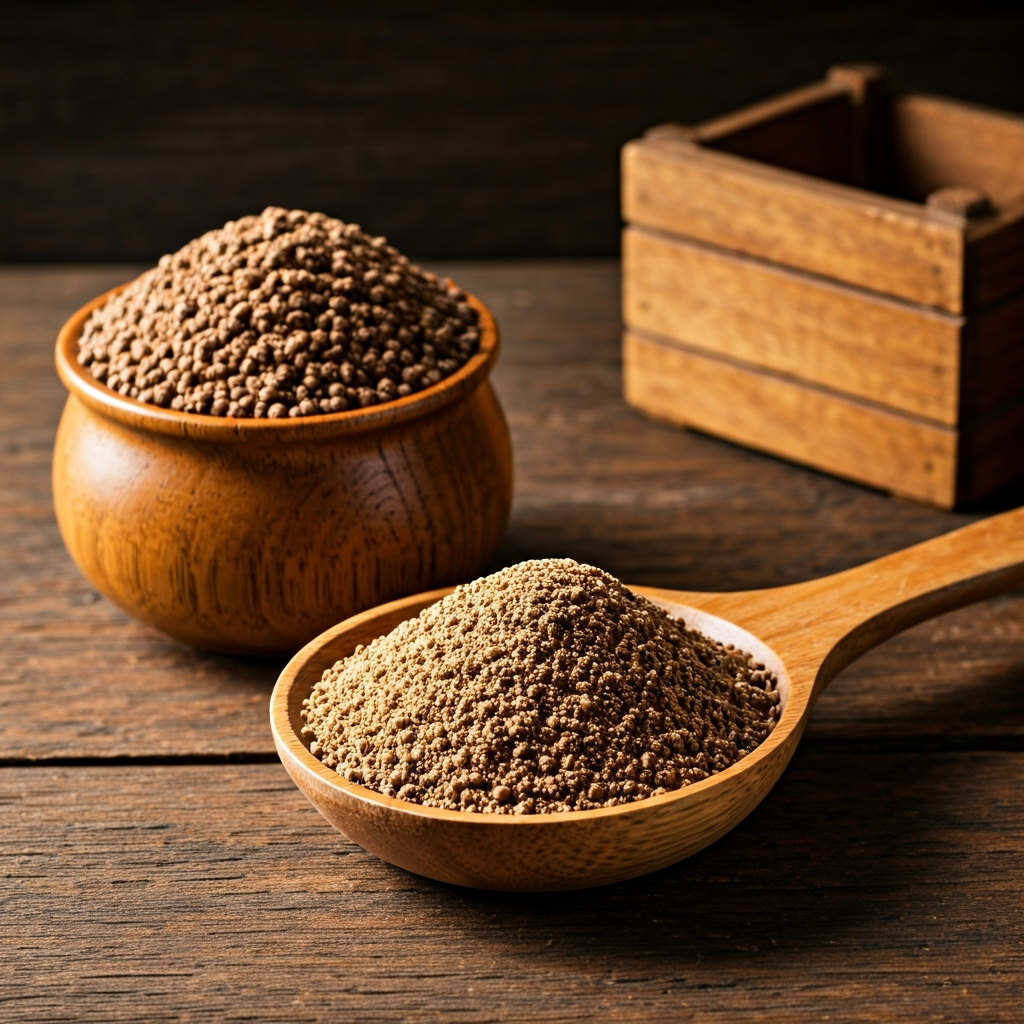
Copra meal, also known as coconut meal, is a protein-rich feed ingredient produced from the dried flesh of the coconut (copra). It is the material left over after the oil extraction process.
Depending on the extraction method—expeller-pressed or solvent extraction—the residual oil content and nutritional profile can vary, but the result is consistently a high-value feedstuff. Primarily composed of protein, fiber, and residual oil, it serves as an excellent energy and protein source for a wide range of animals. Its unique properties make it a vital component in feed formulations across the globe, particularly in tropical regions where coconuts are abundant.

The Power-Packed Nutritional Profile of Copra Meal
The true value of copra meal lies in its dense and beneficial nutritional composition. While variables exist based on production methods, a typical analysis reveals a well-rounded ingredient that can enhance any feed regimen. Its profile makes it a formidable competitor to other vegetable protein sources.
Macronutrient Breakdown: Protein, Fiber, and Energy
The macronutrient content is the primary reason for its widespread use. It provides the essential building blocks for animal growth and production.
- Protein: Copra meal typically contains a crude protein content of 18-25%. While lower than soybean meal, its protein is rich in key amino acids like arginine and has a good overall digestibility, especially for ruminants.
- Fiber: It is exceptionally high in digestible fiber (around 12-18%). This high fiber content is beneficial for gut health, promoting a healthy digestive system and preventing issues in ruminant animals.
- Energy & Fat: The residual oil content, usually between 5-10%, makes it an excellent source of energy. The fats are highly saturated, providing a stable energy source that is less prone to rancidity.
Essential Micronutrients and Minerals
Beyond the primary nutrients, copra meal is also a good source of essential minerals. It provides significant levels of:
- 磷
- Potassium
- Iron
- Manganese
- Copper
These minerals are vital for bone development, metabolic functions, and overall animal well-being. For a deeper dive into its composition, Feedipedia offers a comprehensive analysis of its nutritional value.
7 Amazing Benefits of Using Copra Meal in Animal Feed
Integrating copra meal into livestock diets offers a multitude of advantages that can lead to healthier animals and a healthier bottom line. Here are the top seven benefits:
- Highly Cost-Effective: It is often more affordable than other protein sources like soybean meal, offering a significant reduction in feed costs without compromising on quality.
- Excellent Protein Source: With up to 25% protein, it effectively supports muscle development, milk production, and overall growth in livestock.
- Improves Gut Health: The high content of digestible fiber acts as a prebiotic, promoting the growth of beneficial gut bacteria and ensuring efficient digestion.
- Boosts Milk Fat Content: For dairy animals, the type of fat in copra meal has been shown to increase the fat content in milk, a desirable trait for dairy farmers.
- 提高饲料适口性: Many animals are drawn to the naturally sweet, nutty aroma of copra, which can help increase feed intake, especially in picky eaters.
- Provides Stable Energy: The saturated fats offer a slow-release, stable energy source, which is particularly beneficial for working animals and high-production livestock.
- 可持续且环保: As a by-product, using copra meal makes the coconut industry more sustainable by ensuring the entire nut is utilized, reducing waste.

A Practical Guide to Using Copra Meal for Livestock
The application of copra meal is versatile, but it’s crucial to tailor its inclusion levels to the specific type of animal. Proper formulation is key to unlocking its full potential and avoiding any potential digestive issues.
Optimizing Ruminant Diets (Cattle, Goats, Sheep)
Ruminants are particularly well-suited to digest the high-fiber content of copra meal. It serves as an excellent “bypass protein,” meaning much of the protein escapes digestion in the rumen and is absorbed in the small intestine. This efficient absorption is a key finding in multiple scientific studies. For dairy cattle, inclusion rates of 15-20% of the total concentrate mix are common and, according to university extension programs, can lead to improved milk fat.
Using Copra Meal in Poultry Feed Formulations
In poultry, copra meal is a good source of protein and energy. However, its high fiber content can limit its inclusion rate, especially for young birds (broilers). For laying hens, it can be included at levels of 5-10% of the diet. It’s crucial to balance the feed with enzymes that help break down the fiber for better nutrient absorption.
A Sustainable Choice for Swine Nutrition
For pigs, copra meal can be used as a partial replacement for more expensive protein sources. Inclusion rates should be moderate, typically starting around 5% for young pigs and going up to 15% for finishing hogs. The high fiber can be beneficial for sow diets, promoting satiety and gut health.
A Word of Caution: Copra Meal for Horses
While some horse owners use copra for weight gain, it must be done with extreme care. The high oil and protein content can be beneficial, but the mineral balance, particularly the high phosphorus to low calcium ratio, must be corrected. Supplementing with products like 棕榈油脂肪酸钙盐 can help. Always consult an equine nutritionist before adding it to a horse’s diet.
Copra Meal vs. Palm Kernel Expeller: A Head-to-Head Comparison
Farmers often consider both copra meal and 棕榈仁压榨机 as feed options. While both are tropical oilseed by-products, they have distinct differences that make them suitable for different applications.
| 特征 | 椰干粉 | 棕榈仁压榨机(PKE) |
|---|---|---|
| 来源 | Coconut | Oil Palm Kernel |
| 粗蛋白 | 18-25% | 14-18% |
| 粗纤维 | 12-18% | ~16% (less digestible) |
| 适口性 | High (sweet, nutty aroma) | Moderate (can be dry and dusty) |
| 最适合 | Dairy cattle, increasing feed intake | Beef cattle, feed filler, while 棕榈仁壳 is used for biofuel |
This table highlights that while both are valuable, your choice depends on the target animal and nutritional goals. For higher protein and palatability, high-quality 椰干粉 is often the superior choice.
Sourcing and Quality: How to Choose the Best Copra Meal
Not all copra meal is created equal. Sourcing a high-quality product is essential to ensure safety and nutritional efficacy. As a major player in agriculture, the 美国农业部(USDA) sets standards that influence global quality.
When purchasing, look for:
- 颜色和香气: Good quality copra meal should have a light to golden-brown color and a fresh, sweet, nutty smell. A dark color or musty odor can indicate mold or improper storage.
- 低水分含量: The product must be dry to prevent the growth of molds, which can produce dangerous aflatoxins. This is a critical safety check.
- Freedom from Contaminants: Ensure the product is pure and free from foreign materials. Consider other clean by-products like 椰糠 for other agricultural uses.
- 供应商信誉: Always buy from a reputable supplier who provides a product analysis and guarantees against contaminants.

Makmur Amanah Sejahtera 我们提供优质的棕榈产品,例如棕榈仁粕、棕榈仁壳、原棕榈油、棕榈仁油等。请联系我们。 WhatsApp +6282140002198 或发送电子邮件至 admin@makmuramanah.co.id.
Frequently Asked Questions about Copra Meal
What is the ideal protein content of good copra meal?
High-quality copra meal should contain a crude protein level between 20% and 25%. This range indicates superior raw material and proper oil extraction, ensuring it provides a substantial protein boost to animal feed rations and supports optimal growth and production in livestock.
Can copra meal completely replace soybean meal in a diet?
No, it should be used as a partial, not a complete, replacement. While copra meal is an excellent protein source, its amino acid profile differs from soybean meal. It is best used in combination with other protein sources to ensure a complete and balanced diet for your animals.
How do I store copra meal properly?
Store copra meal in a cool, dry, and well-ventilated area away from direct sunlight. It’s essential to keep it on pallets off the ground to prevent moisture absorption. Proper storage is absolutely crucial to prevent mold growth and maintain its full nutritional value and safety.
Is copra meal suitable for fish feed (aquaculture)?
Yes, it can be a valuable ingredient in fish feed, particularly for herbivorous or omnivorous species, due to its protein and energy content. However, like with poultry, specific enzymes may be needed to help fish effectively digest the high fiber content for maximum nutrient absorption.

Video Suggestion: A short, engaging YouTube-style video titled “How to Mix Copra Meal into Your Feed Rations: A 2-Minute Guide” showing a farmer correctly measuring and mixing the meal.
Conclusion: The Smart Choice for Modern Farming
In conclusion, copra meal stands out as a premier alternative feed ingredient for 2026 and beyond. Its impressive nutritional profile, significant cost savings, and proven benefits for animal health make it a powerful tool for any forward-thinking livestock operation. From dairy cows to poultry, it offers a sustainable and palatable option that drives productivity.
By understanding its applications, benefits, and how to source a quality product, you can leverage this coconut by-product to its full potential. The strategic use of 椰干粉 is not just a feeding decision; it’s a smart business move that supports animal wellness and operational profitability, cementing its place as a staple in modern, efficient farming.

 Chinese
  English
  Indonesian
  Arabic