
Table of Contents
- What Is Coconut Shell Charcoal?
How Is Coconut Shell Charcoal Made?
The 5 Ultimate Benefits of Coconut Shell Charcoal
Beyond the Grill: Common Uses for Coconut Shell Charcoal
Coconut Shell Charcoal vs. Traditional Charcoal: A Head-to-Head Comparison
How to Choose the Best Coconut Shell Charcoal
Your Source for High-Quality Sustainable Products
Final Thoughts: Why You Should Make the Switch
When you think of the perfect barbecue, what comes to mind? Sizzling food, great company, and the unmistakable aroma of grilling. But what if the fuel you use could be better for your food, your health, and the planet? This is where coconut shell charcoal emerges as a game-changing, sustainable alternative to traditional charcoal. It’s more than just a fuel; it’s a smarter way to grill.
This ultimate guide will walk you through everything you need to know about this incredible product. We’ll explore its benefits, diverse uses, and why it stands superior to other options on the market. Get ready to transform your grilling experience for the better.
What Is Coconut Shell Charcoal?
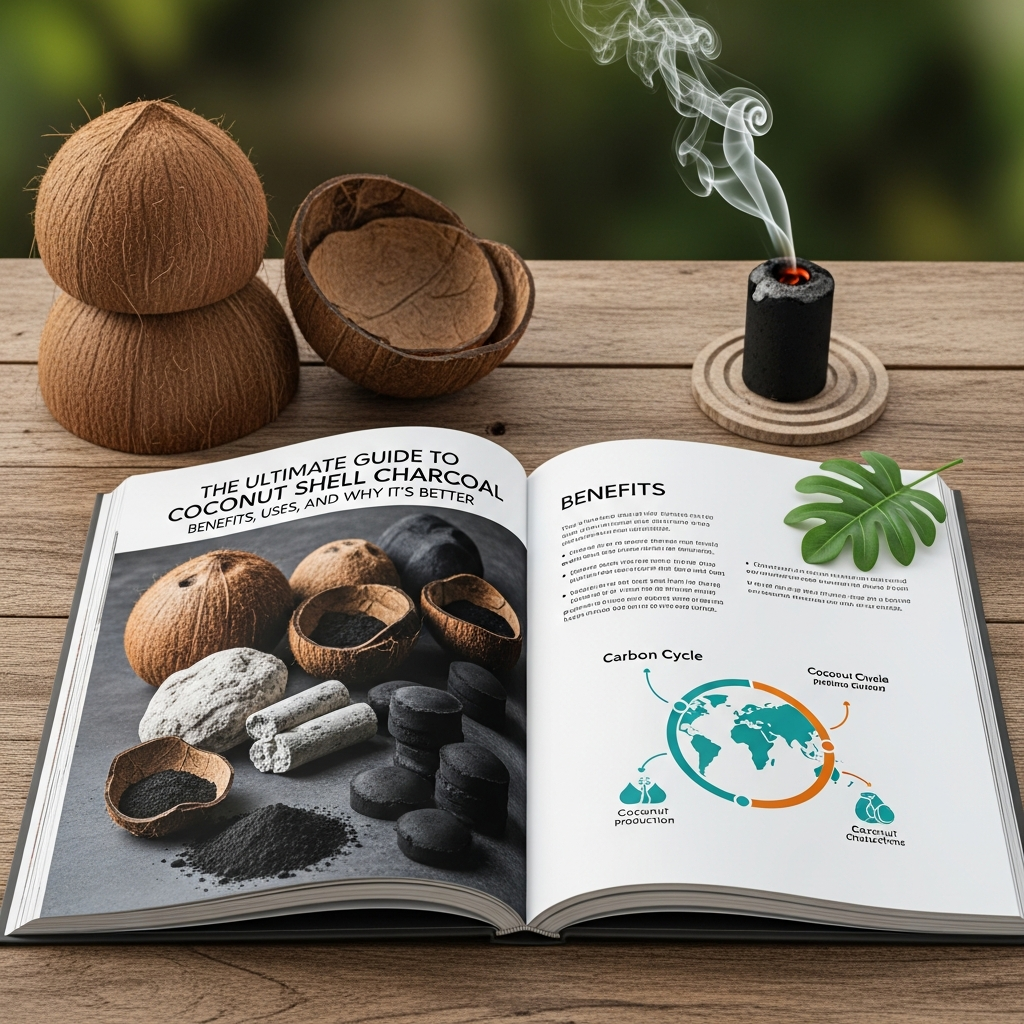
Coconut shell charcoal is a type of activated carbon produced from the hard, durable shells of coconuts. These shells, which are often discarded as agricultural waste, are transformed into a highly efficient and clean-burning fuel. Unlike traditional wood charcoal, which contributes to deforestation, this alternative repurposes a byproduct of the booming coconut industry.
The result is a dense, high-carbon briquette or lump charcoal that offers superior performance. Its unique composition makes it a favorite among professional chefs and backyard grill masters alike who are seeking consistency and sustainability.
How Is Coconut Shell Charcoal Made?
The production of coconut shell charcoal is a fascinating process rooted in sustainability. It involves heating coconut shells in a low-oxygen environment, a method known as pyrolysis. This process burns off volatile compounds like water, methane, and hydrogen, leaving behind pure carbon, or “char.”
This char is then crushed, mixed with a natural, food-grade binder (like tapioca starch), and compressed into uniform briquettes. The lack of chemical additives, fillers, or petroleum products ensures a clean and natural final product. The entire process is designed to maximize resources and minimize waste, as explained in studies on biomass utilization from sources like ScienceDirect.

The 5 Ultimate Benefits of Coconut Shell Charcoal
Why is there so much buzz around this grilling fuel? The advantages are clear, practical, and impactful. Here are the top reasons to make the switch.
1. Eco-Friendly and Sustainable
This is arguably the most significant benefit. Coconut shell charcoal is made from a renewable resource that is a byproduct of the coconut harvest. Its production helps reduce agricultural waste and prevents the need for cutting down trees, thereby combating deforestation—a major environmental concern highlighted by organizations like the Rainforest Alliance.
This principle of using agricultural byproducts is a cornerstone of modern sustainability. It’s not just limited to coconuts; the palm oil industry, for instance, utilizes every part of the harvest. Byproducts like the Palm Kernel Shell are used as efficient biomass fuel, while the fleshy fibers of the Oil Palm Fruit Bunch can be converted into energy. Even the core Palm Kernel is processed to create valuable goods like Palm Kernel Expeller for animal feed and high-quality Palm Kernel Oil. This whole-harvest approach, including the production of Crude Palm Oil, mirrors the sustainable cycle of creating coconut shell charcoal.
2. Burns Hotter and Longer
Thanks to its high carbon content and density, coconut shell charcoal burns at a higher temperature and for a longer duration than most traditional wood charcoals. This consistent, even heat is perfect for searing meats and provides reliable performance, meaning you use less product over time—saving you money in the long run.
3. Minimal Smoke, Odor, and Sparks
Tired of thick, acrid smoke that stings your eyes and overpowers your food? This charcoal is your solution. It produces very little smoke and has a neutral odor, allowing the natural flavor of your food to shine. Furthermore, it doesn’t spark or pop, making for a safer and more pleasant grilling session.
4. Low Ash Content
The cleanup is just as important as the cooking. Coconut shell charcoal produces significantly less ash—often less than 5% of its original weight. This makes cleanup incredibly easy and helps maintain better airflow in your grill for a more efficient burn.
5. 100% Natural and Chemical-Free
High-quality coconut briquettes are made without chemical binders, fillers, or accelerants like lighter fluid. This ensures that no unwanted chemical tastes are transferred to your food, giving you a pure, clean flavor every time you cook.

Beyond the Grill: Common Uses for Coconut Shell Charcoal
The power of coconut shell charcoal extends far beyond the barbecue. In its “activated” form, it becomes an incredibly porous material with a massive surface area, making it an excellent agent for filtration and purification.
- Water and Air Purification: Activated coconut charcoal is a key component in many home and industrial filtration systems. It effectively adsorbs impurities, chemicals, and contaminants from water and air, as recognized by health organizations like the World Health Organization (WHO) for its role in creating safe drinking water.
Horticulture (Biochar): When used as a soil amendment, it is known as biochar. It improves soil structure, aeration, and water retention, while also helping to sequester carbon in the ground. This sustainable practice enhances plant growth and is a topic of interest for agricultural institutions like the Cornell University Extension.
Health and Beauty: Activated charcoal is a popular ingredient in cosmetic products, from face masks to toothpaste, for its purported ability to draw out toxins and impurities.
Coconut Shell Charcoal vs. Traditional Charcoal: A Head-to-Head Comparison
To truly understand why coconut shell charcoal is superior, here’s a simple breakdown comparing it to traditional lump charcoal and briquettes.
| Feature | Coconut Shell Charcoal | Traditional Charcoal (Lump/Briquettes) |
|---|---|---|
| Source Material | Renewable byproduct (coconut shells) | Hardwood trees (can contribute to deforestation) |
| Heat Output | High and consistent | Variable, can have hot/cold spots |
| Burn Time | Long (up to 3-4 hours) | Shorter (often requires refueling) |
| Ash Content | Very low (under 5%) | Higher (5-20% or more) |
| Smoke & Odor | Minimal and neutral | Can be smoky with a strong wood flavor |
| Environmental Impact | Positive (reduces waste, saves trees) | Negative (deforestation, higher carbon footprint) |
How to Choose the Best Coconut Shell Charcoal
With its growing popularity, many brands are now available. When shopping, look for products that are labeled “100% natural” or “chemical-free” to avoid low-quality fillers. Check reviews for feedback on burn time and heat consistency. The shape—whether pillow-shaped briquettes or hexagonal logs—can also affect airflow and burn characteristics, so consider what works best for your setup.
Your Source for High-Quality Sustainable Products
Looking for High-Quality Palm Products?
Makmur Amanah Sejahtera provides high-quality palm products such as Palm Kernel Expeller, Palm Kernel Shell, Crude Palm Oil, Palm Kernel Oil, etc. Kindly contact us at WhatsApp +6282140002198 or email us at admin@makmuramanah.co.id.
Final Thoughts: Why You Should Make the Switch
Ultimately, coconut shell charcoal offers a trifecta of benefits: it delivers superior grilling performance, is better for your health, and is kinder to our planet. By choosing a fuel made from a renewable waste product, you are making a conscious decision to support a more sustainable future without sacrificing quality.
The consistent heat, long burn time, and low smoke make it a reliable and enjoyable fuel for any occasion. Make the switch today and discover a cleaner, greener, and more flavorful way to grill.
 English
  Indonesian
  Chinese
  Arabic