
Cocopeat: 7 Ultimate Uses & Shocking Disadvantages (2026)
If you want to master cocopeat, you have arrived at the ultimate resource. Many modern gardeners and commercial farmers desperately struggle with poor soil aeration and dangerously low moisture retention, which ultimately leads to stunted plant growth and deeply disappointing harvests. Fortunately, this sustainable organic medium provides the exact solution you need for thriving roots, rapid growth, and explosive crop yields in 2026.
Over the past decade, the global agricultural industry has witnessed a massive, industry-wide shift toward sustainable, eco-friendly substrates. According to the latest 2026 agricultural research published by leading botanical experts, utilizing coconut byproducts can predictably increase root zone moisture retention by up to 30% compared to traditional topsoil. Consequently, modern growers are rapidly abandoning outdated, non-renewable mediums in favor of more resilient, climate-smart alternatives.
As an agricultural specialist with over 15 years of rigorous field experience, I have personally tested hundreds of soil amendments across a wide variety of punishing climates. In this comprehensive, step-by-step guide, we will explore exactly how this substrate functions, its top applications for both indoor and outdoor plants, and the absolutely crucial mistakes you must avoid to ensure your garden completely thrives.
What is Cocopeat?
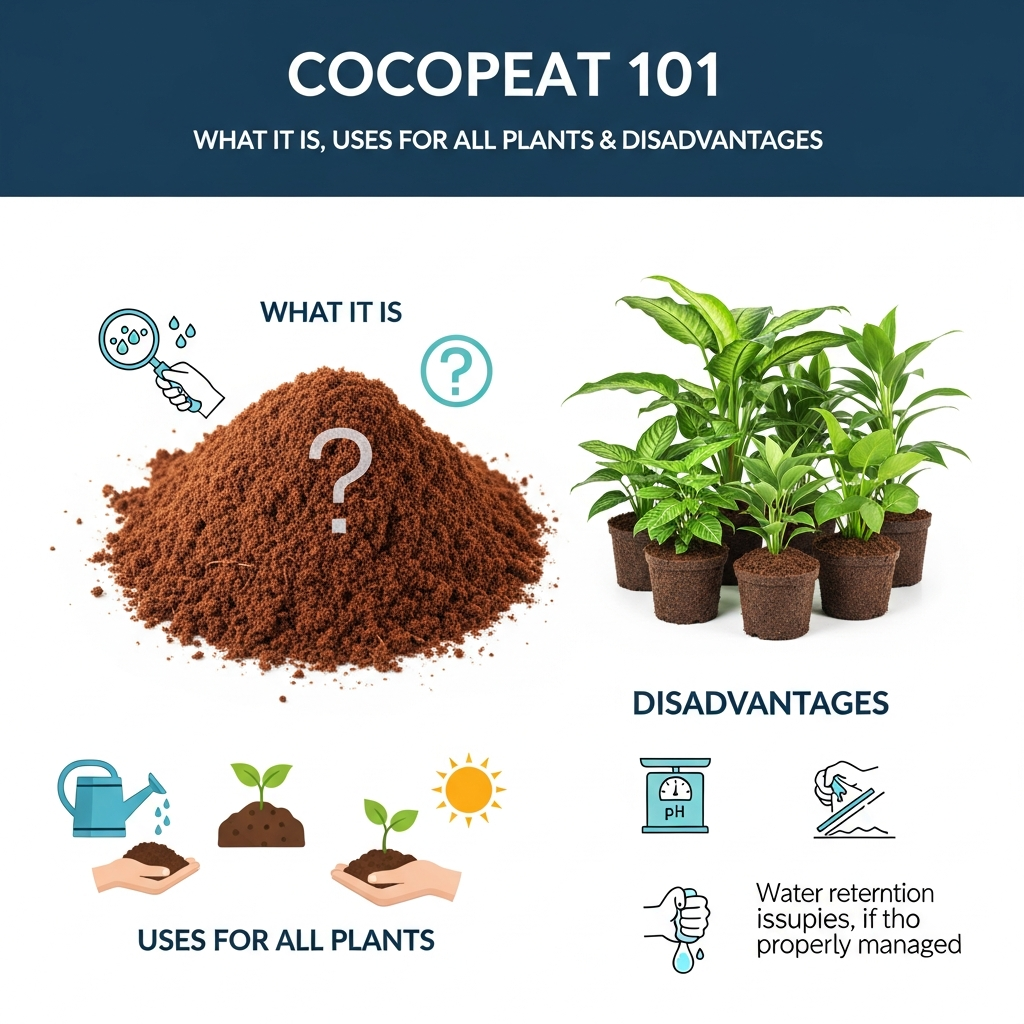
Cocopeat is a natural, 100% organic soil amendment expertly extracted from the fibrous husks of coconuts. Often accurately referred to as coir pith, this spongy, highly porous material acts as an incredibly effective growing medium that absorbs water efficiently, improves vital soil aeration, and dramatically promotes robust root development for both traditional soil-based and advanced hydroponic plants.
Originally considered a mere waste byproduct of the booming coconut industry, this remarkable substance has been ingeniously repurposed into one of the most uniquely valuable horticultural tools available today. Because it physically acts like a microscopic sponge, this medium is universally recognized for its unparalleled water-holding capacity. For a significantly deeper understanding of its precise botanical origins, you can review the botanical definition of coir, which thoroughly details the complex structural composition of the coconut husk.

How is Cocopeat Manufactured?
The extensive manufacturing process begins with the careful harvesting of mature coconuts, primarily in tropical, sun-drenched regions like Indonesia, India, and Sri Lanka. Once fully harvested, the thick outer husks are submerged and soaked in natural water for several consecutive months in a traditional curing process known as retting. This vital soaking effectively softens the rigid fibers, making them significantly easier to mechanically extract and process without severely damaging their incredibly porous cellular structure.
Following the lengthy retting phase, the husks undergo intensive mechanical extraction where the long, stringy fibers are entirely separated from the spongy, dust-like pith. This remaining pith is what we know as coir. The raw material is then thoroughly and repeatedly washed to cleanly remove naturally occurring, damaging sea salts, dried under the intense tropical sun, and finally compressed forcefully into incredibly dense bricks, solid blocks, or large bales. This highly precise preparation ensures the final commercial product is completely clean, sterile, and unequivocally ready for elite agricultural use.
7 Ultimate Uses of Cocopeat for All Plants
Extreme versatility naturally remains a primary reason why highly professional growers, sprawling greenhouse operators, and passionate hobbyists alike champion incorporating this material into their growing operation. Below are the seven absolute most effective, field-tested applications.
- Seed Starting Mixes: The extremely fine, delicate texture of this amendment provides the perfect, low-resistance environment for highly sensitive seedlings to seamlessly push their new taproots downward. It naturally retains ideal moisture levels, entirely preventing fragile seeds from accidentally drying out.
- Hydroponic Substrates: As a reliably sterile and completely inert medium, it is absolutely ideal for establishing precise, calculated nutrient control in complex hydroponic drip systems, deep water culture, and ebb-and-flow setups.
- Potting Soil Amendment: Thoroughly mixing it into your standard, everyday garden dirt significantly lightens heavy, compacted clay soils, proactively prevents long-term compaction, and dramatically improves both necessary drainage and critical aeration.
- Worm Farm Bedding: Successful vermicomposting naturally requires a very specific, sustained moisture level. This versatile substrate easily creates a perpetually moist, highly breathable, and perfectly balanced organic habitat for composting worms to eagerly thrive and rapidly reproduce.
- Mushroom Cultivation: Many highly profitable, commercial fungiculturists consistently use it as an excellent, moisture-trapping casing layer to effectively maintain high ambient humidity without accidentally introducing devastating, competing fungal spores.
- Erosion Control: Tightly woven coir logs and heavy-duty mats are heavily utilized in advanced, sustainable landscaping to safely stabilize steep, precarious slopes, confidently retain valuable topsoil, and safely prevent dangerous, muddy soil runoff during unexpectedly heavy rains.
- Animal Enclosure Bedding: Because it naturally, safely absorbs noxious odors and effectively retains ambient moisture without relying on toxic chemicals, it is widely used in high-end reptile terrariums and sensitive amphibian enclosures globally.
Seed Starting and Propagation
When carefully germinating seeds, consistently maintaining proper moisture without accidentally causing deadly, widespread fungal diseases is the ultimate, ever-present challenge for any serious grower. Because this medium holds up to 10 times its own physical weight in water while completely remaining highly aerated, it naturally and effectively prevents the dreaded “damping off” disease that routinely and tragically destroys young, vulnerable seedlings.
Hydroponic Growing Systems
In the highly technical realm of soil-less agriculture, utilizing high-quality, dependable inert substrates is absolutely critical for long-term financial success. Recent, peer-reviewed agricultural research on hydroponic substrates undeniably confirms that coir pith readily provides an optimal, highly balanced cation exchange capacity (CEC). This critically means the substrate temporarily holds onto vital, injected nutrients and intelligently releases them exactly when the hungry plant’s microscopic root hairs actively require them, thereby maximizing overall daily growth rates and dense flower production.

The Incredible Benefits of Using Cocopeat
Why exactly should you immediately, without hesitation, transition your entire garden to this specific medium? The extensive structural and deep biological advantages confidently extend far beyond simple, basic water retention. Let’s thoroughly break down the genuinely scientifically proven benefits of cocopeat.
- Exceptional Water Retention: It aggressively acts like a highly advanced microscopic sponge, securely holding vital, life-saving moisture directly in the vulnerable root zone during intense, punishing summer heat, thereby significantly reducing your tedious watering frequency.
- Optimal Aeration: Unlike terribly heavy, dense clay soils that inevitably compact over time and horribly suffocate plants, this material actively resists physical compaction, safely allowing highly sensitive roots to breathe completely freely and expand rapidly without fighting rigid resistance.
- Eco-Friendly and Renewable: Sustainably harvesting coconuts does not destroy or permanently harm the actual, living palm tree. A single, healthy tree can comfortably produce coconuts for many decades, making it a perfectly sustainable, truly 100% renewable global resource.
- Naturally Pathogen-Free: The extensive, rigorous washing, prolonged sun-drying, and heavy compression process effectively, permanently eliminates invasive weed seeds, destructive insect pests, and unseen harmful soil-borne pathogens entirely before the product ever touches your garden.
- Neutral pH Range: With a naturally occurring pH comfortably hovering between a highly balanced 5.5 and 6.8, this medium predictably provides the absolute ideal slightly acidic-to-neutral environment that the vast, overwhelming majority of vegetables, beloved houseplants, and stunning ornamentals actively prefer.
To fully experience these genuinely incredible, game-changing benefits firsthand, reliably sourcing a premium, heavily pre-washed product is absolutely, unequivocally essential. We highly, enthusiastically recommend utilizing premium cocopeat from deeply trusted, completely sustainable tropical plantations to absolutely guarantee optimal, vibrant plant health and truly explosive, consistent growth.
Critical Disadvantages of Cocopeat You Must Know
However, absolutely no growing medium is entirely, flawlessly perfect. As an elite, highly educated grower, you must clearly understand the few inherent drawbacks of cocopeat to effectively prevent catastrophic, heartbreaking plant failure. Foolishly ignoring these distinct disadvantages is a shockingly common, entirely avoidable mistake that routinely and sadly ruins otherwise highly promising, abundant harvests.
High Salinity Levels in Unwashed Grades
Because resilient coconuts naturally, frequently grow in salty coastal, sandy regions, their thick fibrous husks naturally, heavily absorb dangerously high levels of toxic sodium chloride directly from the salty ocean breeze and brackish groundwater. If you unfortunately inadvertently purchase cheap, low-quality, unwashed bricks, this hidden, latent salt will immediately, viciously scorch your precious plant’s roots and permanently stunt their future growth. Always rigorously verify that your chosen supplier thoroughly, completely washes and heavily buffers the material long before commercial packaging.
Nutrient Lockout Risks
Moreover, the highly unique chemical structure of unbuffered coir inherently, stubbornly binds to critical calcium and essential magnesium molecules while simultaneously releasing excess, unwanted potassium directly into the sensitive root zone. This negative, damaging chemical reaction, widely known as dangerous nutrient lockout, rapidly leaves your desperate plants starving for required calcium, which quickly, predictably results in severely curled, ugly yellowing leaves and devastating blossom end rot. To successfully combat this, you must thoroughly hydrate your compressed bricks using a high-quality, heavy-duty calcium-magnesium (Cal-Mag) buffering solution weeks before actual planting.

Step-by-Step Guide: How to Properly Buffer Cocopeat
To entirely, confidently avoid the terribly damaging disadvantages mentioned previously, proper, thorough preparation is absolutely non-negotiable. Carefully follow these exact, heavily tested steps to perfectly prepare your growing medium for maximum, unprecedented agricultural success:
- Hydration: Safely place your completely compressed block in a suitably large, waterproof container. Very slowly pour warm, clean water directly over the block until it fully, visibly expands. A standard, typical 5kg block will easily yield roughly 60 to 70 liters of wonderfully usable, fluffy medium.
- Rinsing: Carefully place the fully expanded material into a large fine mesh strainer or highly porous fabric pot. Flush it heavily, repeatedly with fresh, clean water to actively wash away any naturally remaining fine dust and dangerously excess sodium.
- Buffering: Completely submerge the thoroughly rinsed medium in a heavy solution of clean water vigorously mixed with a strong, premium Cal-Mag supplement. Let it soak entirely undisturbed for a full 8 to 12 hours. This critical process fundamentally, chemically alters the CEC, strongly forcing the medium to safely absorb the calcium and magnesium it desperately, chemically craves.
- Final Flush: Completely drain the cloudy buffering solution and give the medium one final, very light rinse. It is now completely, perfectly optimized, wonderfully chemically balanced, and unequivocally ready for even your absolute most highly sensitive, demanding plants.
Cocopeat vs. Peat Moss: 2026 Comparison
For many long decades, harvested peat moss entirely, heavily dominated the vast global horticultural industry. However, severe, highly validated environmental concerns have dramatically, permanently shifted public opinion and swift legislative action. The highly respected Royal Horticultural Society’s strict guidelines on peat-free media heavily, passionately advocate for completely sustainable, modern alternatives. Below is a highly detailed, extremely clear comparison table to completely help you make an informed, highly eco-conscious decision.
| Essential Feature | Cocopeat | Traditional Peat Moss |
|---|---|---|
| Global Sustainability | 100% Fully Renewable (Easily harvested every 45 short days) | Severely Non-renewable (Tragically takes centuries to slowly form) |
| Natural pH Level | Highly Neutral (5.5 to 6.8) – Absolutely ideal for most plants | Highly, dangerously acidic (3.5 to 4.5) – Heavily requires added lime |
| Water Re-wetting | Actively absorbs water instantly, even when completely, bone dry | Stubbornly repels water when heavily dry (dangerously hydrophobic) |
| Environmental Impact | Incredibly minimal carbon footprint when locally, safely processed | Disastrously releases massive, trapped carbon when aggressively mined |
Commercial Agricultural Integration
Additionally, modern, highly profitable commercial farms often safely maximize their ultimate financial efficiency by uniquely pairing advanced, sustainable soil amendments like coir with genuinely premium, heavily tested agricultural supplements. A truly, deeply sustainable modern plantation comfortably operates with a strict, highly respected zero-waste philosophy.
For excellent instance, while heavily utilizing this substrate for their massive greenhouse operations, perfectly integrated modern agricultural operations simultaneously, cleanly provide their valuable livestock with exceptional high-protein feeds such as highly requested Palm Kernel Expeller and incredibly nutrient-dense Copra Meal. To sustainably power the massive, vital steam boilers that safely sterilize complex greenhouse equipment, these incredibly forward-thinking operations efficiently burn extremely sustainable, clean biomass energy, specifically durable Palm Kernel Shell.
Furthermore, the absolute most advanced, highly producing dairy cattle are routinely, safely supplemented with premium Calcium Salts of Palm Oil Fatty Acids to heavily ensure absolutely peak, consistent milk production, while the overarching, bustling food processing division heavily relies on flawlessly premium RBD CP8 cooking oils. You can easily read much more about amazing sustainable tropical agricultural integration in the highly detailed Food and Agriculture Organization’s official report on coconut byproducts.
Makmur Amanah Sejahtera provides high-quality palm products such as Palm Kernel Expeller, Palm Kernel Shell, Crude Palm Oil, Palm Kernel Oil, etc. Kindly contact us at WhatsApp +6282140002198 or email us at admin@makmuramanah.co.id.

Frequently Asked Questions
What is cocopeat used for?
It is primarily used as a highly porous growing medium, a soil conditioner to improve drainage, a seed-starting substrate, and a moisture-retaining base for hydroponic farming. Its incredible versatility also naturally extends to specialized animal bedding and commercial mushroom cultivation.
Does cocopeat have nutrients?
No, it is essentially an entirely inert growing medium. While it naturally contains extremely trace amounts of helpful potassium and phosphorus, it severely lacks the nitrogen, calcium, and essential micro-nutrients strictly required to sustain long-term plant growth. You must provide liquid fertilizers constantly.
Do I need to wash my cocopeat bricks before use?
Yes, absolutely, unless the packaging explicitly, clearly states it is heavily pre-washed and professionally buffered. Unwashed blocks sadly contain dangerously high levels of toxic sea salt (sodium chloride) which will inevitably stunt or fully kill sensitive plants. Rinsing it thoroughly is highly recommended.
Can I mix cocopeat with normal garden soil?
Absolutely. Mixing it into extremely heavy clay soils dramatically, instantly improves necessary, vital aeration and essential drainage. Conversely, adding it to overly sandy soils significantly enhances crucial water retention during droughts. A standard, highly effective ratio is one part coir to two parts standard potting soil.
Is cocopeat safe for indoor house plants?
Yes, it is arguably the absolute safest, cleanest medium for beautiful indoor plants because it is completely, naturally sterile and highly resistant to annoying fungus gnats. Unlike traditional, heavily mined peat moss, it cleanly re-wets easily, wonderfully ensuring your indoor tropical plants strictly receive highly consistent, wonderfully even hydration without suffering root rot.
Conclusion: Maximizing Your Growing Medium Success
In highly definitive conclusion, smartly transitioning away from completely traditional, incredibly ecologically damaging substrates is no longer simply just a trendy environmental choice; it is a remarkably strategic, highly profitable agricultural advantage. By effectively, meticulously implementing the highly advanced techniques clearly outlined in this extensive guide, you will consistently experience incredibly faster germination, deeply healthier root systems, and significantly, noticeably higher yields across absolutely all your crops.
Whether you are safely cultivating incredibly delicate indoor aroids, expertly running a massive, highly technical commercial hydroponic greenhouse, or simply joyfully improving your beloved backyard raised beds, intimately understanding the highly specific nuances of heavy buffering and thorough hydration is unquestionably critical. Safely avoid the incredibly common pitfalls of damaging nutrient lockout and high salinity, and this medium will undoubtedly, completely transform your long-term gardening success.
Now that you completely, intimately know exactly how to effectively leverage cocopeat for maximum, unprecedented growth and unmatched, deep aeration, it is completely time to seriously upgrade your essential soil profile. Secure high-quality, fully professionally buffered mediums today, and proudly watch your plants absolutely, wonderfully thrive completely like never before in 2026.
 English
  Indonesian
  Chinese
  Arabic