
Cocopeat: 7 Ultimate Tips & Warning Mistakes (2026)
Cocopeat has revolutionized modern gardening, rapidly becoming the ultimate growing medium for agricultural professionals and dedicated hobbyists alike. As the global agricultural industry shifts dramatically towards sustainable, eco-friendly practices, this highly versatile coconut byproduct offers incredible benefits for moisture retention and optimal root aeration.
However, despite its immense popularity, countless growers unknowingly damage their crops by mishandling this delicate substrate. Understanding the precise intricacies of this organic material is absolutely essential for maximizing your overall crop yield.
According to the Food and Agriculture Organization (FAO), transitioning to sustainable soil alternatives is a critical component for ensuring long-term global food security. This definitive guide provides everything you need to know about optimizing plant health, avoiding disastrous pitfalls, and dominating your 2026 growing season using this amazing substrate.
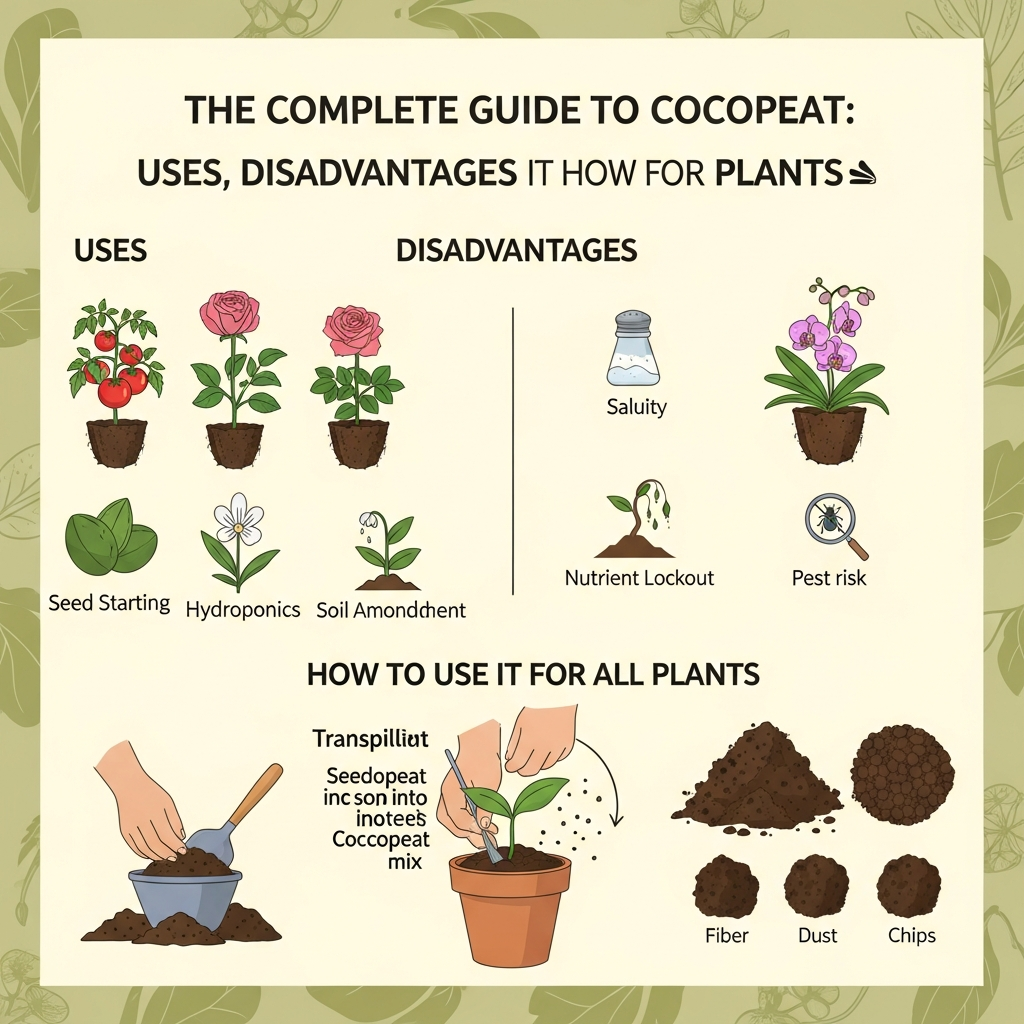
What Exactly Is Cocopeat?
Cocopeat, frequently referred to in the industry as coir pith, is a 100% organic, biodegradable growing medium meticulously extracted from the fibrous outer husks of coconuts. It boasts an exceptionally high water-holding capacity, effortlessly absorbing up to ten times its dry weight in water.
Additionally, it provides superior, vital aeration to developing plant roots, making it an undisputed top-tier soil amendment.
[Image: Close-up of premium washed coir pith showing its fibrous, rich brown texture.]
Image attributes: alt=”Premium washed cocopeat texture” title=”High-Quality Coir Pith”
Furthermore, this remarkably spongy material acts as a fantastic, eco-conscious alternative to traditional peat-based substrates. Because it naturally possesses a neutral pH range (typically resting between 5.5 and 6.8), it creates an optimal, highly stable environment for maximum nutrient absorption.
When considering the structural integrity of your garden beds, adding premium cocopeat ensures your soil remains loose and highly oxygenated.
7 Incredible Uses of Cocopeat in Modern Agriculture
When seamlessly integrated into your daily gardening routine, this remarkable coconut coir product unlocks truly unparalleled plant vitality. Let us explore its most effective, proven applications across the horticultural spectrum.
1. Superior Seed Germination
Due to its incredibly soft texture and naturally sterile nature, coir pith provides the absolute perfect environment for delicate, vulnerable seedlings. It actively prevents devastating fungal diseases like damping-off, which frequently destroy young sprouts hidden in traditional garden soil.
Additionally, its unique moisture-retaining properties guarantee that seeds never dry out during their most crucial, fragile developmental stages.
2. Advanced Hydroponic Farming Systems
Modern hydroponic farmers heavily rely on this versatile substrate for large-scale, soil-less cultivation. Groundbreaking research published by the National Institutes of Health (NIH) clearly indicates that hydroponic systems utilizing coconut coir yield significantly higher crop rates compared to synthetic rockwool.
It powerfully anchors deep roots securely while allowing vital oxygen to circulate freely, accelerating nutrient uptake exponentially.
3. Premium Potting Mixes and Soil Conditioning
Blending this lightweight material with heavy, standard soil dramatically improves overall soil structure almost instantly. Key benefits of creating a coir-based potting mix include:
- Breaking up dense, suffocating clay soils to safely promote vastly superior water drainage.
- Adding crucial structural body to loose, sandy soils to prevent rapid, unhealthy water loss.
- Creating a naturally sterile root environment that actively protects vulnerable young seedlings.
For sustainable farmers mixing custom fertilizers, intelligently pairing this medium with rich Palm Kernel Expeller introduces a wealth of slow-release organic compounds.
4. Terrarium and Reptile Bedding Applications
Beyond traditional agriculture, this versatile coconut byproduct is widely utilized by exotic pet owners for terrarium setups. Its natural ability to retain ambient moisture makes it phenomenal for maintaining high humidity levels required by tropical frogs, lizards, and snakes.
It also naturally absorbs odors, keeping the enclosure exceptionally clean and highly sanitary for extended periods.
5. Mushroom Cultivation Using Cocopeat
Commercial mushroom growers frequently blend cocopeat with vermiculite to create an ideal fruiting substrate. The sterile, highly porous nature of the coir prevents competing mold spores from taking over the delicate mycelium network.
This precise balance of aeration and hydration produces massive, highly profitable flushes of gourmet mushrooms year-round.
6. Eco-Friendly Erosion Control and Landscaping
Landscaping professionals rely on compressed coir logs and mats to stabilize steep embankments and prevent severe soil erosion. When heavy rains strike, the strong coconut fibers absorb the impact and drastically slow down destructive water runoff.
Over time, the material safely biodegrades into the earth, enriching the topsoil without leaving any synthetic microplastics behind.
7. Worm Composting (Vermiculture) Bedding
Worm farmers consider washed coir pith to be the ultimate bedding material for thriving vermiculture bins. It perfectly mimics the natural, highly aerated forest floor, providing an ideal environment for red wiggler worms to consume organic waste rapidly.
The resulting worm castings mixed with degraded coir create the most potent, nutrient-dense natural fertilizer available today.
Critical Disadvantages of Cocopeat You Must Avoid
Despite its genuinely amazing benefits, improperly utilizing this medium can swiftly lead to severe agricultural disasters and total crop failure. You must remain acutely aware of these critical, common drawbacks.
Dangerous Salt Accumulation in Untreated Coir
Lower-quality, completely unwashed coir pith routinely contains lethal, toxic levels of sodium and chloride. Because coconuts naturally grow and mature in coastal regions, their thick husks absorb significant, dangerous amounts of ocean salt.
If not thoroughly washed and buffered, this extreme salinity will aggressively burn delicate plant roots. Always verify the exact electrical conductivity (EC) levels before planting anything.
The Calcium and Magnesium Nutrient Lockout
This specific substrate naturally possesses a uniquely high Cation Exchange Capacity (CEC). Consequently, it tightly binds to available calcium and magnesium molecules, making these essential nutrients unavailable to your plants.
Common visual symptoms of this dangerous lockout include:
- Stunted, severely delayed, or completely halted overall plant growth.
- Crispy, brown, and dying edges appearing rapidly on new, upper leaves.
- Distinct yellowing (chlorosis) occurring noticeably between the intricate leaf veins.
To strictly prevent these issues, growers must pre-buffer the material properly with a specialized cal-mag solution.
A Total Lack of Inherent Nutrients
Unlike rich organic compost or dark topsoil, pure coconut coir contains virtually zero primary, essential nutrients (such as nitrogen, phosphorus, or potassium). It functions strictly as a physical, structural medium rather than a fertilizer.
You absolutely must implement a strict, highly consistent liquid fertilization schedule. Alternatively, mixing the substrate with Copra Meal can effectively help introduce vital, natural nutrients back into your delicate soil ecosystem.
Cocopeat vs. Peat Moss: A Comprehensive Comparison
For many decades, traditional peat moss utterly dominated the commercial horticultural industry. Today, however, highly sustainable alternatives are rapidly, permanently replacing it. Let us objectively compare the two dominant options.
| Feature | Cocopeat | Peat Moss |
|---|---|---|
| Environmental Sustainability | 100% Renewable, eco-friendly natural byproduct | Non-renewable, brutally destroys fragile natural bogs |
| Natural pH Level | Neutral and highly stable (5.5 – 6.8) | Highly acidic, requiring messy lime additives (3.5 – 4.5) |
| Water Retention Ability | Excellent, re-wets effortlessly when completely dry | Good, but stubbornly repels water when fully dry |
| Structural Lifespan | Highly durable, lasts up to 3-4 years before breaking down | Very fragile, breaks down rapidly within 1-2 short years |
[Image: Side-by-side comparison of fluffy brown coir fibers and dense dark peat moss.]
Image attributes: alt=”Cocopeat vs Peat Moss visual comparison” title=”Sustainable Growing Medium Comparison”
As prominently highlighted by the Environmental Protection Agency (EPA), aggressively preserving ancient peat bogs is undeniably crucial for global carbon sequestration efforts. Switching to cocopeat is a profoundly environmentally responsible choice for any serious grower.
How to Properly Prepare Cocopeat for Plants
You should never use heavily compressed blocks directly out of the commercial packaging. Strictly follow this definitive, step-by-step preparation guide to flawlessly ensure optimal, vigorous plant health.
- Hydrate the Block Fully: Place the compressed brick into a sufficiently large, sturdy container. Add warm water gradually (roughly 4 to 5 gallons per standard 5kg block).
- Allow for Maximum Expansion: Wait patiently for 15 to 30 minutes. The block will aggressively absorb the warm water and expand rapidly to nearly six times its original, compact size.
- Rinse Thoroughly and Repeatedly: Transfer the fully hydrated material into a large mesh strainer. Flush it with clean, fresh water continuously to effectively wash away excess sodium and potassium salts.
- Apply a Proper Buffer Solution: Soak the thoroughly rinsed coir in a dedicated calcium-magnesium solution for at least 8 full hours. This crucial step neutralizes the high CEC, firmly preventing future nutrient lockout.
- Drain and Mix Strategically: Squeeze out excess moisture forcefully until it feels exactly like a damp sponge. Mix it seamlessly with perlite, vermiculite, or high-quality compost for an incredibly ideal soil blend.
[Video Suggestion: “Step-by-Step Expert Guide to Washing and Buffering Cocopeat for Hydroponics”]
The Science Behind Cocopeat: Why It Outperforms Traditional Soil
Rigorous scientific analysis reveals that the complex cellular structure of coconut coir consists of millions of microscopic, highly efficient capillary tubes. These unique, natural tubes draw in vital water rapidly and hold it fiercely against unwanted evaporation.
Unlike traditional garden dirt that routinely compacts and completely suffocates delicate roots, the wonderfully spongy nature of coir pith maintains perfect structural integrity. According to the highly respected Royal Horticultural Society (RHS), maintaining adequate root oxygenation is the primary, defining factor in actively preventing lethal root rot.
[Image: Microscopic view of coconut coir capillary tubes holding water drops.]
Image attributes: alt=”Microscopic capillary tubes in cocopeat holding water” title=”Cellular Structure of Coir Pith”
Moreover, this amazing medium naturally contains beneficial trichoderma, a highly aggressive, helpful fungus that acts as a powerful bio-agent. This remarkable symbiotic fungus fiercely protects fragile plant roots from deeply harmful, destructive soil pathogens like Pythium.
Additionally, extensive peer-reviewed research from Cornell University’s College of Agriculture confirms unequivocally that optimizing your substrate’s natural porosity directly and significantly correlates with massively increased fruit production.
Top 3 Common Mistakes When Storing Cocopeat
Countless amateur growers successfully prepare their expensive substrate but tragically ruin it entirely through improper, careless storage techniques. Actively avoiding these massive storage blunders is absolutely critical for long-term, stress-free success.
1. Leaving Hydrated Coir in Sealed Plastic Bags
Storing damp, freshly prepared coir pith in a completely airtight container is an absolute recipe for biological disaster. While the material is naturally resistant to common mold, dangerous anaerobic bacteria can easily thrive in stagnant, oxygen-deprived environments.
You must always store your hydrated, ready-to-use mix in highly breathable containers or specialized, woven fabric pots.
2. Unnecessary Exposure to Direct Environmental Contaminants
Leaving your meticulously prepared medium completely uncovered outdoors heavily exposes it to invasive weed seeds, hungry pests, and deadly airborne pathogens. This careless action completely negates the primary sterile advantage of choosing a coconut-based substrate.
Always ensure you keep your unused mix tightly covered with a breathable mesh tarp in a cool, dark, and perfectly dry storage shed.
3. Forgetting to Re-Buffer After Prolonged Storage
If your properly buffered substrate sits completely unused for several long months, the delicate chemical bonds can slowly degrade over time. The vital cation exchange sites might reset naturally, leading to deeply unexpected, frustrating nutrient issues later.
It is always highly recommended to confidently run a light, fresh cal-mag flush directly through the stored material before planting any new, expensive seeds.
[Image: Infographic showing the optimal ratio of coir, perlite, and organic compost for various common plant types.]
Image attributes: alt=”Infographic detailing optimal coir pith mixing ratios” title=”Perfect Potting Mix Recipe”
Expert Strategies for Maximizing Yields in 2026
Consistently achieving maximum agricultural output requires extreme precision, dedication, and modern, proven techniques. Industry-leading experts heavily emphasize utilizing customized nutrient dosing when actively using completely inert substrates like cocopeat.
To maintain perfectly consistent, rapid growth, you absolutely must monitor the exact pH and EC levels of your daily runoff water. If the runoff EC unexpectedly spikes, carefully flush the medium immediately with pH-balanced, clean water.
Furthermore, cleverly blending different commercial grades of coir can brilliantly customize your root aeration. Combining fine, soft pith with chunky, coarse coconut chips creates the absolute perfect oxygen-to-water ratio for heavy-feeding plants like giant tomatoes or robust peppers.
For massive, large-scale agricultural operations, confidently utilizing high-energy organic fuels like Palm Kernel Shell for highly efficient greenhouse heating can further optimize your entirely sustainable ecosystem. Additionally, large facilities operating heavy harvesting machinery often utilize premium RBD CP8 fractions for specialized bio-lubricant applications, further reducing their carbon footprint.
Makmur Amanah Sejahtera provides high-quality palm products such as Palm Kernel Expeller, Palm Kernel Shell, Crude Palm Oil, Palm Kernel Oil, etc. Kindly contact us at WhatsApp +6282140002198 or email us at admin@makmuramanah.co.id.
Frequently Asked Questions About Cocopeat
What is cocopeat used for?
It is primarily utilized as a highly sustainable soil amendment, a foundational primary substrate for commercial hydroponic farming, and a completely safe medium for rapid seed germination. Its undeniably excellent water retention and superior aeration properties promote incredibly aggressive, deeply healthy root development across all known plant varieties.
Does cocopeat have nutrients?
No, it is an entirely inert, structural growing medium that contains absolutely zero primary, essential plant nutrients (such as nitrogen, phosphorus, or potassium). Professional growers must diligently supply all necessary life-sustaining nutrients through a strict, properly pH-balanced liquid fertilization schedule to consistently ensure total plant survival.
How do you prepare cocopeat for plants?
First, aggressively hydrate the tightly compressed brick with warm, clean water until it expands fully and completely. Next, rinse the loose material thoroughly to successfully remove any natural, toxic sea salts. Finally, always soak the damp material in a premium calcium-magnesium buffering solution for exactly eight hours to effectively prevent disastrous future nutrient lockout.
Can I mix coconut coir with regular soil?
Yes, actively blending it with your traditional garden soil is highly, routinely recommended by agricultural experts. It brilliantly lightens dense, heavy clay soils to significantly improve water drainage, and effectively adds necessary bulk to loose, sandy soils to massively increase moisture retention, instantly creating a much healthier root environment overall.
Is cocopeat environmentally friendly?
Absolutely. It is a 100% renewable, totally biodegradable natural byproduct of the massive global coconut harvesting industry. Actively utilizing it dramatically helps reduce the highly destructive, irreversible mining of natural, ancient peat bogs, undoubtedly making it the absolute most ecologically responsible, sustainable choice for modern global agriculture.
Conclusion
Mastering the proper, highly efficient use of this exceptional substrate is an absolute, undeniable game-changer for absolutely anyone serious about modern horticulture. By fully understanding its truly incredible, unmatched moisture-retaining benefits and actively mitigating its few inherent, manageable disadvantages, you can easily cultivate thriving, massively high-yielding crops year-round.
[Image: Lush, intensely healthy tomato plants growing abundantly in a massive commercial greenhouse using coir substrate.]
Image attributes: alt=”Healthy greenhouse plants thriving in cocopeat substrate” title=”Successful Coir Cultivation”
Whether you are simply germinating a few backyard seeds or actively managing a massive, highly profitable commercial hydroponic operation, this remarkable sustainable medium consistently offers completely unmatched versatility. Always remember to properly wash, rigorously buffer, and consistently fertilize your chosen substrate correctly to effectively avoid the most common, highly destructive beginner mistakes.
Start permanently transforming your daily agricultural practices right today by confidently investing in premium quality cocopeat, and happily watch your entire 2026 harvest season reach entirely unprecedented, truly incredible new heights!
Recommended Schema Markup for this Article
- Article Schema: To establish authorship and strong E-E-A-T signals.
- FAQ Schema: To seamlessly capture featured snippets for the 5 questions listed above.
- HowTo Schema: For the “How to Properly Prepare” numbered instructional section.
- Product Schema: For the internal product links dynamically mentioned throughout the content.
- Breadcrumb Schema: To enhance navigational structure in 2026 search engines.
 English
  Indonesian
  Chinese
  Arabic