
椰糠:7 大终极技巧与警示误区(2026)
椰糠 彻底改变了现代园艺,迅速成为农业专业人士和热心爱好者首选的终极栽培介质。随着全球农业迅速向可持续、环保的实践转型,这种用途广泛的椰子副产品在保水和最佳根系通气方面提供了令人惊叹的益处。
然而,尽管它备受欢迎,无数种植者因不当处理这种娇嫩的基质而不知不觉地损害了作物。深入了解这种有机材料的精确特性,对于最大化您的整体作物产量至关重要。
根据 联合国粮食及农业组织(粮农组织),向可持续土壤替代品过渡是确保全球长期粮食安全的关键要素。这份权威指南提供了您所需了解的一切,助您优化植物健康,避免灾难性陷阱,并在2026年种植季利用这种优质基质脱颖而出。
椰糠究竟是什么?
椰糠(在业内通常被称为椰壳纤维粉或coir pith)是一种从椰子纤维外壳中精细提取的100%有机、可生物降解的栽培介质。它具有极高的持水能力,可轻松吸收高达自身干重十倍的水分。
此外,它为发育中的植物根系提供了卓越而至关重要的通气性,使其成为无可争议的顶级土壤改良剂。
[图片:特级水洗椰壳纤维粉的特写,展现其富含纤维的浓郁棕色质感。]
图片属性:alt=”特级水洗椰糠质感” title=”优质椰壳纤维粉”
此外,这种极富海绵质感的材料是传统泥炭基质绝佳且环保的替代品。由于其天然具有中性pH值范围(通常保持在5.5至6.8之间),它为最大程度的养分吸收创造了最佳、高度稳定的环境。
在考虑花园苗床的结构完整性时,添加优质 椰糠 可确保您的土壤保持疏松且高度充氧。
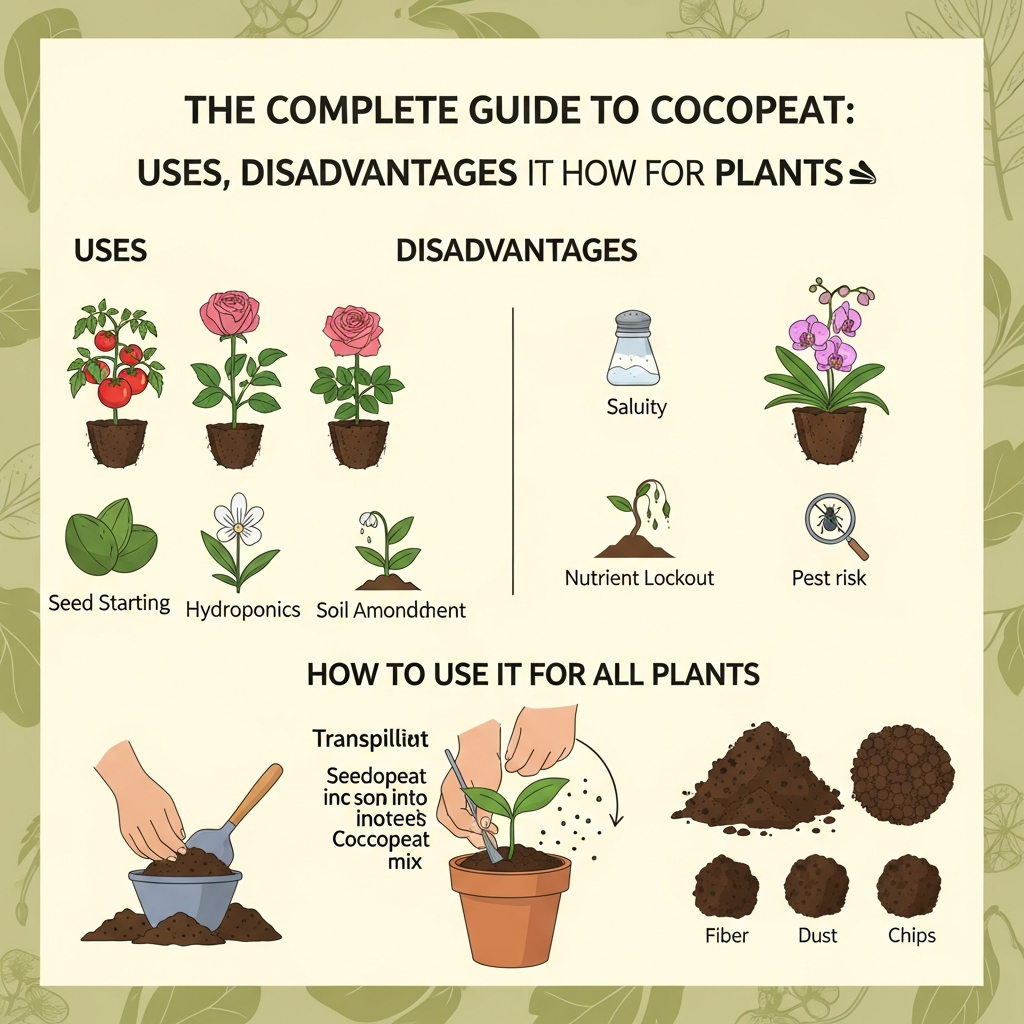
现代农业中椰糠的7大神奇用途
将这种卓越的椰子纤维产品无缝融入您的日常园艺中,可以释放出无可比拟的植物生命力。让我们一起探讨它在园艺领域中最有效、最成熟的应用。
1. 卓越的种子萌发
由于其极其柔软的质地和天然无菌的特性,椰壳纤维粉为娇嫩脆弱的幼苗提供了绝佳的生长环境。它能积极预防毁灭性的真菌病害(如猝倒病),而这种病害在传统花园土壤中经常摧毁幼芽。
此外,其独特的保水特性可确保种子在其最关键、最脆弱的发育阶段永远不会脱水干燥。
2. 先进水培农业系统
现代水培农户在规模化无土栽培中高度依赖这种多功能基质。由 美国国家卫生研究院(NIH) 发表的突破性研究明确指出,与合成岩棉相比,使用椰壳纤维的水培系统能获得明显更高的作物产量。
它能牢固地固定深层根系,同时让维持生命所必需的氧气自由循环,成倍加速养分吸收。
3. 优质盆栽混合土与土壤改良
将这种轻质材料与厚重的标准土壤混合,几乎可以立竿见影地大幅改善整体土壤结构。配制椰糠基盆栽混合土的主要优势包括:
- 疏松致密、不透气的粘土,安全促进显著卓越的排水性能。
- 为疏松的沙质土壤增加关键的结构支撑,防止水分过快、不良流失。
- 营造天然无菌的根系环境,主动保护脆弱的幼苗。
对于自行调配肥料的可持续农业种植者来说,将这种基质与营养丰富的 棕榈仁压榨机 智能配比,可引入丰富的缓释有机化合物。
4. 玻璃造景箱与爬宠垫材应用
除传统农业外,这种多功能的椰子副产品还被异宠饲养者广泛用于雨林造景缸。其天然的保水能力使其在维持热带蛙类、蜥蜴和蛇类所需的高湿度环境方面表现非凡。
它还能自然吸收异味,使饲养箱在更长时间内保持极度清洁和高度卫生。
5. 椰糠在食用菌栽培中的应用
商业食用菌种植者经常将 椰糠 与蛭石混合,配制理想的出菇培养基质。椰糠无菌且高度多孔的特性,能有效防止杂菌孢子侵染脆弱的菌丝网络。
这种透气与水合的精准平衡,可常年培育出高产、高利润的珍稀食用菌。
6. 环保型水土流失治理与园林绿化
园林绿化专业人士依托压缩椰纤维卷和生态毯来稳固陡坡并防止严重的水土流失。暴雨来袭时,坚韧的椰子纤维可吸收冲击力,并大幅减缓具有破坏性的径流冲刷。
随着时间的推移,该材料会安全生物降解融入泥土中,滋养表土,完全不会残留任何合成微塑料。
7. 蚯蚓堆肥(蚯蚓养殖)垫材
蚯蚓养殖者认为水洗椰糠是维持蚯蚓堆肥箱繁盛的最佳垫料。它完美模拟了天然、高透气的森林地表,为红蚯蚓快速消耗有机废弃物提供了理想环境。
产出的蚯蚓粪与降解椰糠充分混合,形成了当今最强效、养分最密集的天然肥料。
必须规避的椰糠严重缺点
尽管椰糠拥有诸多显著优势,但如果使用不当,极易迅速导致严重的农业灾害甚至造成作物绝收。您必须高度警惕以下这些常见且关键的弊端。
未处理椰糠中危险的盐分积累
品质较差、完全未经水洗的椰糠通常含有达到致命且有毒水平的钠和氯化物。由于椰子天然生长并成熟于沿海地区,其厚实的果壳会吸收大量且危险的海洋盐分。
如果未经彻底清洗和缓冲处理,这种极高的盐度将严重灼伤脆弱的植物根系。在种植任何作物之前,请务必核实准确的电导率(EC)值。
钙和镁养分锁定
该基质天然具有极高的阳离子交换量(CEC)。因此,它会紧密结合游离的钙和镁分子,导致植物无法吸收这些必需的营养元素。
这种危险的养分锁定的常见直观症状包括:
- 植物整体生长矮化、严重迟缓或完全停滞。
- 上部新叶边缘迅速变脆、变褐并坏死。
- 叶脉之间出现明显的黄化现象(褪绿病)。
为了严格防止这些问题发生,种植者必须使用专用的钙镁溶液对基质进行充分的前期缓冲处理。
完全缺乏天然养分
与富含有机质的堆肥或深色表土不同,纯椰糠几乎不含任何主要必需养分(如氮、磷或钾)。它的作用纯粹是物理结构介质,而非肥料。
您必须执行严格且高度一致的液体施肥计划。或者,将该基质与 椰干粉 混合,可以有效帮助将关键的天然养分重新引入脆弱的土壤生态系统中。
椰糠与泥炭藓:全面对比
几十年来,传统的泥炭藓完全主导了商业园艺行业。然而在今天,高度可持续的替代品正在迅速且永久地取代它。让我们客观对比这两种主流选择。
| 特征 | 椰糠 | 泥炭藓 |
|---|---|---|
| 环境可持续性 | 100% Renewable, eco-friendly natural byproduct | Non-renewable, brutally destroys fragile natural bogs |
| 自然 pH 水平 | Neutral and highly stable (5.5 – 6.8) | Highly acidic, requiring messy lime additives (3.5 – 4.5) |
| Water Retention Ability | Excellent, re-wets effortlessly when completely dry | Good, but stubbornly repels water when fully dry |
| Structural Lifespan | Highly durable, lasts up to 3-4 years before breaking down | Very fragile, breaks down rapidly within 1-2 short years |
[Image: Side-by-side comparison of fluffy brown coir fibers and dense dark peat moss.]
Image attributes: alt=”Cocopeat vs Peat Moss visual comparison” title=”Sustainable Growing Medium Comparison”
As prominently highlighted by the Environmental Protection Agency (EPA), aggressively preserving ancient peat bogs is undeniably crucial for global carbon sequestration efforts. Switching to 椰糠 is a profoundly environmentally responsible choice for any serious grower.
How to Properly Prepare Cocopeat for Plants
You should never use heavily compressed blocks directly out of the commercial packaging. Strictly follow this definitive, step-by-step preparation guide to flawlessly ensure optimal, vigorous plant health.
- Hydrate the Block Fully: Place the compressed brick into a sufficiently large, sturdy container. Add warm water gradually (roughly 4 to 5 gallons per standard 5kg block).
- Allow for Maximum Expansion: Wait patiently for 15 to 30 minutes. The block will aggressively absorb the warm water and expand rapidly to nearly six times its original, compact size.
- Rinse Thoroughly and Repeatedly: Transfer the fully hydrated material into a large mesh strainer. Flush it with clean, fresh water continuously to effectively wash away excess sodium and potassium salts.
- Apply a Proper Buffer Solution: Soak the thoroughly rinsed coir in a dedicated calcium-magnesium solution for at least 8 full hours. This crucial step neutralizes the high CEC, firmly preventing future nutrient lockout.
- Drain and Mix Strategically: Squeeze out excess moisture forcefully until it feels exactly like a damp sponge. Mix it seamlessly with perlite, vermiculite, or high-quality compost for an incredibly ideal soil blend.
[Video Suggestion: “Step-by-Step Expert Guide to Washing and Buffering Cocopeat for Hydroponics”]
The Science Behind Cocopeat: Why It Outperforms Traditional Soil
Rigorous scientific analysis reveals that the complex cellular structure of coconut coir consists of millions of microscopic, highly efficient capillary tubes. These unique, natural tubes draw in vital water rapidly and hold it fiercely against unwanted evaporation.
Unlike traditional garden dirt that routinely compacts and completely suffocates delicate roots, the wonderfully spongy nature of coir pith maintains perfect structural integrity. According to the highly respected 英国皇家园艺学会 (RHS), maintaining adequate root oxygenation is the primary, defining factor in actively preventing lethal root rot.
[Image: Microscopic view of coconut coir capillary tubes holding water drops.]
Image attributes: alt=”Microscopic capillary tubes in cocopeat holding water” title=”Cellular Structure of Coir Pith”
Moreover, this amazing medium naturally contains beneficial trichoderma, a highly aggressive, helpful fungus that acts as a powerful bio-agent. This remarkable symbiotic fungus fiercely protects fragile plant roots from deeply harmful, destructive soil pathogens like Pythium.
Additionally, extensive peer-reviewed research from Cornell University’s College of Agriculture confirms unequivocally that optimizing your substrate’s natural porosity directly and significantly correlates with massively increased fruit production.
Top 3 Common Mistakes When Storing Cocopeat
Countless amateur growers successfully prepare their expensive substrate but tragically ruin it entirely through improper, careless storage techniques. Actively avoiding these massive storage blunders is absolutely critical for long-term, stress-free success.
1. Leaving Hydrated Coir in Sealed Plastic Bags
Storing damp, freshly prepared coir pith in a completely airtight container is an absolute recipe for biological disaster. While the material is naturally resistant to common mold, dangerous anaerobic bacteria can easily thrive in stagnant, oxygen-deprived environments.
You must always store your hydrated, ready-to-use mix in highly breathable containers or specialized, woven fabric pots.
2. Unnecessary Exposure to Direct Environmental Contaminants
Leaving your meticulously prepared medium completely uncovered outdoors heavily exposes it to invasive weed seeds, hungry pests, and deadly airborne pathogens. This careless action completely negates the primary sterile advantage of choosing a coconut-based substrate.
Always ensure you keep your unused mix tightly covered with a breathable mesh tarp in a cool, dark, and perfectly dry storage shed.
3. Forgetting to Re-Buffer After Prolonged Storage
If your properly buffered substrate sits completely unused for several long months, the delicate chemical bonds can slowly degrade over time. The vital cation exchange sites might reset naturally, leading to deeply unexpected, frustrating nutrient issues later.
It is always highly recommended to confidently run a light, fresh cal-mag flush directly through the stored material before planting any new, expensive seeds.
[Image: Infographic showing the optimal ratio of coir, perlite, and organic compost for various common plant types.]
Image attributes: alt=”Infographic detailing optimal coir pith mixing ratios” title=”Perfect Potting Mix Recipe”
Expert Strategies for Maximizing Yields in 2026
Consistently achieving maximum agricultural output requires extreme precision, dedication, and modern, proven techniques. Industry-leading experts heavily emphasize utilizing customized nutrient dosing when actively using completely inert substrates like 椰糠.
To maintain perfectly consistent, rapid growth, you absolutely must monitor the exact pH and EC levels of your daily runoff water. If the runoff EC unexpectedly spikes, carefully flush the medium immediately with pH-balanced, clean water.
Furthermore, cleverly blending different commercial grades of coir can brilliantly customize your root aeration. Combining fine, soft pith with chunky, coarse coconut chips creates the absolute perfect oxygen-to-water ratio for heavy-feeding plants like giant tomatoes or robust peppers.
For massive, large-scale agricultural operations, confidently utilizing high-energy organic fuels like 棕榈仁壳 for highly efficient greenhouse heating can further optimize your entirely sustainable ecosystem. Additionally, large facilities operating heavy harvesting machinery often utilize premium RBD CP8 fractions for specialized bio-lubricant applications, further reducing their carbon footprint.
Makmur Amanah Sejahtera 我们提供高品质的棕榈产品,例如棕榈仁粕、棕榈仁壳、原棕榈油、棕榈仁油等。请通过 WhatsApp 联系我们。 +6282140002198 或发送电子邮件至 admin@makmuramanah.co.id.
关于椰糠的常见问题
椰糠的用途是什么?
It is primarily utilized as a highly sustainable soil amendment, a foundational primary substrate for commercial hydroponic farming, and a completely safe medium for rapid seed germination. Its undeniably excellent water retention and superior aeration properties promote incredibly aggressive, deeply healthy root development across all known plant varieties.
椰糠含有养分吗?
No, it is an entirely inert, structural growing medium that contains absolutely zero primary, essential plant nutrients (such as nitrogen, phosphorus, or potassium). Professional growers must diligently supply all necessary life-sustaining nutrients through a strict, properly pH-balanced liquid fertilization schedule to consistently ensure total plant survival.
How do you prepare cocopeat for plants?
First, aggressively hydrate the tightly compressed brick with warm, clean water until it expands fully and completely. Next, rinse the loose material thoroughly to successfully remove any natural, toxic sea salts. Finally, always soak the damp material in a premium calcium-magnesium buffering solution for exactly eight hours to effectively prevent disastrous future nutrient lockout.
Can I mix coconut coir with regular soil?
Yes, actively blending it with your traditional garden soil is highly, routinely recommended by agricultural experts. It brilliantly lightens dense, heavy clay soils to significantly improve water drainage, and effectively adds necessary bulk to loose, sandy soils to massively increase moisture retention, instantly creating a much healthier root environment overall.
Is cocopeat environmentally friendly?
Absolutely. It is a 100% renewable, totally biodegradable natural byproduct of the massive global coconut harvesting industry. Actively utilizing it dramatically helps reduce the highly destructive, irreversible mining of natural, ancient peat bogs, undoubtedly making it the absolute most ecologically responsible, sustainable choice for modern global agriculture.
结论
Mastering the proper, highly efficient use of this exceptional substrate is an absolute, undeniable game-changer for absolutely anyone serious about modern horticulture. By fully understanding its truly incredible, unmatched moisture-retaining benefits and actively mitigating its few inherent, manageable disadvantages, you can easily cultivate thriving, massively high-yielding crops year-round.
[Image: Lush, intensely healthy tomato plants growing abundantly in a massive commercial greenhouse using coir substrate.]
Image attributes: alt=”Healthy greenhouse plants thriving in cocopeat substrate” title=”Successful Coir Cultivation”
Whether you are simply germinating a few backyard seeds or actively managing a massive, highly profitable commercial hydroponic operation, this remarkable sustainable medium consistently offers completely unmatched versatility. Always remember to properly wash, rigorously buffer, and consistently fertilize your chosen substrate correctly to effectively avoid the most common, highly destructive beginner mistakes.
Start permanently transforming your daily agricultural practices right today by confidently investing in premium quality 椰糠, and happily watch your entire 2026 harvest season reach entirely unprecedented, truly incredible new heights!
Recommended Schema Markup for this Article
- 文章 (Article) Schema: To establish authorship and strong E-E-A-T signals.
- 常见问题 (FAQ) Schema: To seamlessly capture featured snippets for the 5 questions listed above.
- 操作指南 (HowTo) Schema: For the “How to Properly Prepare” numbered instructional section.
- 产品 (Product) Schema: For the internal product links dynamically mentioned throughout the content.
- 面包屑导航 (Breadcrumb) Schema: To enhance navigational structure in 2026 search engines.



