
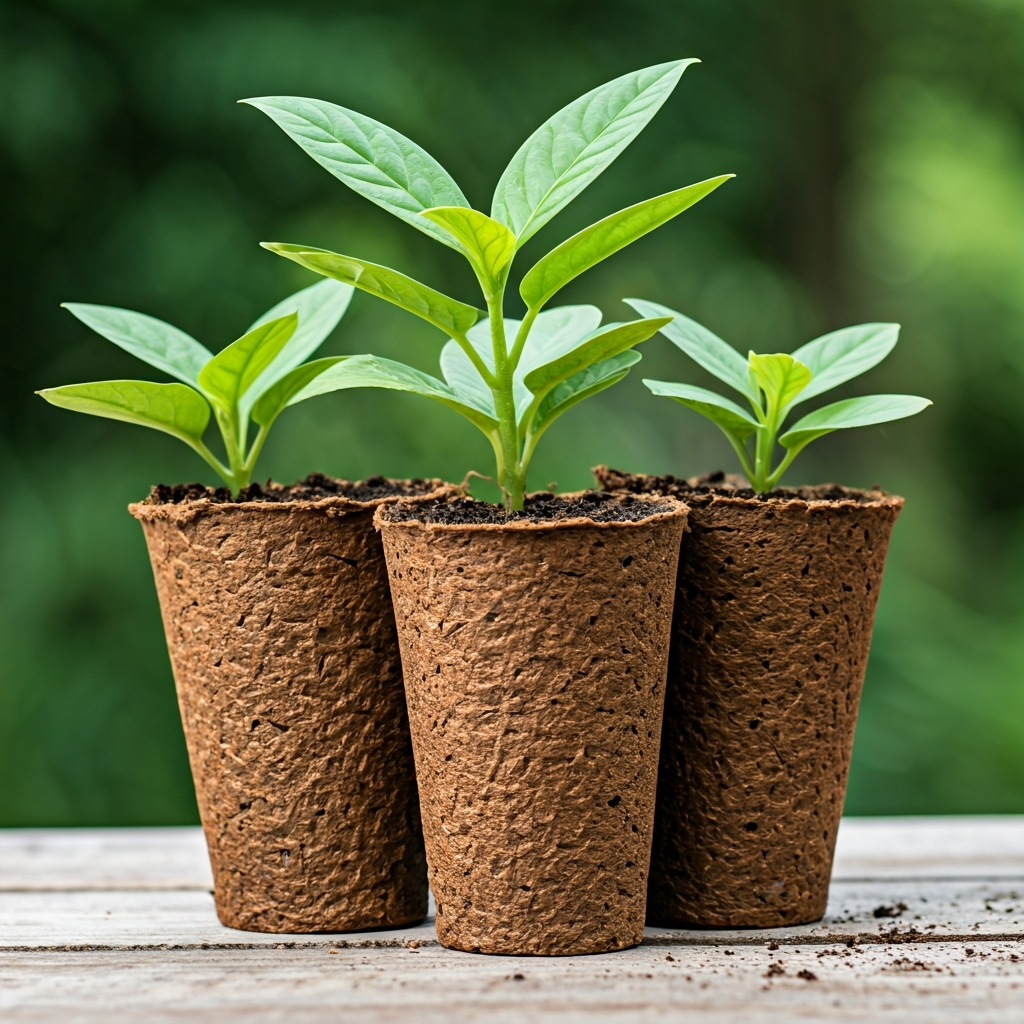
Cocopeat vs. Soil: The Ultimate Guide to Benefits, Uses, and Getting Started
The Cocopeat vs. Soil debate is a pivotal conversation for every modern gardener and commercial grower in 2026. Making the right choice for your growing medium is the single most important factor for plant health, yield, and sustainability. This guide provides the definitive answer to the Cocopeat vs. Soil question, leaving no stone unturned.
For centuries, soil has been the default medium for cultivation. However, with increasing concerns over soil degradation, inconsistent quality, and pests, a revolutionary alternative has surged in popularity. Enter cocopeat, a versatile, sustainable, and powerful growing medium derived from coconut husks.
According to research highlighted by HortScience, soilless substrates like cocopeat can increase water use efficiency by up to 50% compared to traditional soil. This is a critical advantage in our water-conscious world. This article will dissect the differences, benefits, and practical applications of both, empowering you to make the best choice for your gardening goals.
[Image: A clear, side-by-side visual of a mound of light brown, fluffy cocopeat next to a mound of dark, rich garden soil. Title: Cocopeat vs. Soil – The Visual Difference. Alt Text: A visual comparison of fluffy brown cocopeat vs. dark, rich soil, illustrating the core topic of the Cocopeat vs. Soil article.]
What is Cocopeat and Why Is It So Popular?
Cocopeat, also known as coco coir, is a 100% natural fiber from coconut husks. A byproduct of the coconut industry which produces goods like Copra Meal, this “golden fiber” is now a top-tier growing medium for hydroponics and container gardening. Its rise in popularity is a key factor in the modern cocopeat vs. soil discussion.
Its popularity stems from its incredible consistency and efficiency. Unlike garden soil, which can vary wildly in texture, pH, and nutrient content, cocopeat provides a standardized, sterile, and pathogen-free starting point for your plants.
Key Properties of Cocopeat
- Exceptional Water Retention: Cocopeat can hold up to 10 times its weight in water. This ensures your plant roots have a consistent supply of moisture and reduces watering frequency.
- Superior Aeration: Despite holding immense water, its fibrous structure creates air pockets, providing ample oxygen to the root zone. This prevents suffocation and root rot, a common issue in compacted soil.
- Neutral pH: Most Cocopeat products have a pH range of 5.5 to 6.8. This is ideal for a vast majority of plants, eliminating the need for pH adjustments.
- Sustainable and Renewable: As a byproduct of the coconut industry, it’s an eco-friendly alternative to peat moss, which is harvested from sensitive peat bogs. These properties give cocopeat an edge in many cocopeat vs. soil comparisons.
Traditional Soil: The Tried-and-True Growing Medium
Soil is the complex, living ecosystem that has supported plant life for millennia. It’s a mixture of minerals, organic matter (humus), water, air, and countless living organisms. For many gardeners, it remains the foundation of traditional, in-ground gardening.
However, not all soil is created equal. Its quality can be affected by location, previous land use, and pollution. It can be heavy, prone to compaction, and often harbors pests, diseases, and weed seeds. This variability is why the cocopeat vs. soil topic is so relevant today.
Cocopeat vs. Soil: A Head-to-Head Comparison
To truly understand the Cocopeat vs. Soil dynamic, a direct comparison is essential. We’ve broken down the core attributes to help you decide which is best for your specific needs. This data-driven approach is critical for anyone serious about optimizing plant growth.
| Attribute | Cocopeat | Traditional Soil |
|---|---|---|
| Water Retention | Excellent (Holds 8-10x its weight) | Variable (Low in sandy, high in clay) |
| Aeration / Drainage | Excellent (Prevents root rot) | Poor in clay, excessive in sand |
| pH Level | Neutral (5.5 – 6.8), stable | Variable, requires testing & amendment |
| Nutrient Content | Inert (Requires feeding from day one) | Contains micronutrients, but can be depleted |
| Pests & Diseases | Sterile and pathogen-free | Can harbor pests, fungi, and weed seeds |
| Reusability | High (Can be reused for 3-5 years) | Requires amendment and replenishment |
| Sustainability | High (Renewable byproduct) | Low (Topsoil is a finite resource) |
[Image: A healthy, vibrant tomato plant in a pot filled with cocopeat, showcasing its effectiveness. Title: Thriving Plants in Cocopeat. Alt Text: A healthy tomato plant thriving in a pot, demonstrating the benefits of using cocopeat vs. soil for container gardening.]
Cocopeat vs. Soil: 7 Undeniable Benefits of a Soilless Medium
When you shift from soil to cocopeat, you are not just changing the medium; you are upgrading your entire cultivation system. Here are the undeniable advantages in the Cocopeat vs. Soil matchup:
- Mistake-Proof Watering: Its unique ability to hold water while maintaining aeration acts as a buffer against both overwatering and underwatering—the most common gardening mistakes.
- Explosive Root Growth: The airy, fibrous texture allows plant roots to expand effortlessly. This leads to a larger, healthier root system, which is the engine for vigorous plant growth and higher yields.
- Complete Control Over Nutrients: Because cocopeat is inert, you are the master of plant nutrition. You provide a balanced nutrient solution, ensuring your plants get exactly what they need, when they need it. For certain crops, this can be supplemented with additives like Calcium Salts of Palm Oil Fatty Acids to improve performance.
- A Clean and Sterile Start: Say goodbye to weeding and fighting soil-borne diseases. Cocopeat is naturally anti-fungal and free from the pests, pathogens, and weed seeds that plague traditional soil.
- Long-Term Value and Reusability: While the initial cost can be higher, cocopeat’s durability makes it a smart investment. It breaks down very slowly and can be reused for multiple seasons. For more on byproducts, see this study on using palm industry waste.
- Eco-Friendly Choice: By choosing cocopeat, you support a sustainable industry and help preserve precious peat bogs. Some related sustainable products include Palm Kernel Shell used for biofuel.
- Lightweight and Easy to Handle: Compressed cocopeat bricks are incredibly lightweight and easy to transport compared to heavy bags of potting soil. This is a huge advantage for urban and balcony gardeners.
Getting Started with Cocopeat: A Step-by-Step Guide
Making the switch to cocopeat is simple. Follow these steps for guaranteed success, which is a game-changer for many gardeners debating cocopeat vs. soil.
1. Purchase Quality Cocopeat
Look for low-EC (low salt), washed cocopeat from a reputable supplier. It is most often sold in lightweight, compressed bricks for easy transport and storage.
2. Hydrate the Brick
Place the brick in a large container like a wheelbarrow or tub. Add the amount of warm water specified on the packaging. A single 5kg brick can expand to over 60 liters of medium!
3. Wait and Fluff
Allow the brick to sit for 20-30 minutes to absorb the water as it expands dramatically. Once fully hydrated, break the cocopeat apart with your hands or a small trowel until it is light and fluffy.
The Crucial Step: Adding Nutrients to Cocopeat
This is the most important step to remember. Pure cocopeat is an inert medium, meaning it contains no nutrients. You must provide them. This is the biggest difference when comparing cocopeat vs. soil. Plan to liquid-feed your plants from day one with a balanced nutrient solution, or mix in a high-quality, slow-release fertilizer before planting. For an extra boost, many gardeners create a mix of 70% cocopeat and 30% compost to provide a perfect blend of moisture, aeration, and natural nutrients.
5. Pot Your Plants
Use your prepared cocopeat mix just as you would use potting soil. Settle your plant in, water it lightly with your nutrient solution, and get ready to see it thrive.
Advanced Insight: A Winning Cocopeat vs. Soil Strategy
For the best of both worlds, create a custom blend. As noted by horticultural experts like the Royal Horticultural Society, mixing cocopeat into heavy clay soil can dramatically improve its aeration. Adding it to sandy soil can significantly boost its water and nutrient-holding capacity. A common ratio is one-part cocopeat to two-parts garden soil for amending beds. This is a winning strategy in the Cocopeat vs. Soil debate, as it uses cocopeat as a powerful soil conditioner.
[Video: A time-lapse video showing how to hydrate a cocopeat brick and its massive expansion. Title: How to Prepare Cocopeat for Your Garden. Alt Text: A video demonstrating the process of hydrating a compressed cocopeat brick.]
Makmur Amanah Sejahtera provides high-quality palm products such as Palm Kernel Expeller, Palm Kernel Shell, Crude Palm Oil, Palm Kernel Oil, etc. Kindly contact us at WhatsApp +6282140002198 or email us at admin@makmuramanah.co.id.
[Image: An infographic concept. Title: Cocopeat vs. Soil: The Ultimate Showdown. The infographic would visually compare Water Retention, Aeration, pH Stability, Nutrient Content, Sustainability, and Cost with clear icons and stats. Alt text: An infographic comparing the key differences in the Cocopeat vs. Soil debate.]
Frequently Asked Questions (FAQ)
1. Is cocopeat better than soil for all plants?
For container gardening, seed starting, and hydroponics, cocopeat is often superior due to its sterile, consistent nature. For large, in-ground gardens or plants that need a complex soil ecosystem, traditional soil remains a great choice. The best answer in the cocopeat vs. soil discussion depends on your specific application.
2. What are the disadvantages of cocopeat?
The main drawback is its lack of nutrients, requiring you to provide all plant nutrition. Secondly, low-quality, unwashed cocopeat can have high salt levels. As emphasized by university extensions like Penn State Extension, always buy from a reputable source to ensure a low-salt product.
3. Can I mix cocopeat with my garden soil?
Absolutely! This is one of its best uses. Mixing cocopeat into garden soil is an excellent way to improve structure, water retention, and aeration. A common ratio is 1 part cocopeat to 2 parts soil to enhance the quality of your existing garden beds.
4. How long does cocopeat last?
Cocopeat decomposes very slowly due to its high lignin content. It remains effective as a growing medium for 3 to 5 years. This makes it a highly reusable and cost-effective option compared to potting soils that compress and break down within a single season.
5. Is cocopeat more expensive than soil?
Initially, a compressed brick of cocopeat may seem more expensive than a bag of soil. However, because it expands significantly and is reusable for several years, it is often more economical in the long run. The durability of cocopeat makes the cocopeat vs. soil cost comparison favorable over time.
Conclusion: The Final Verdict in 2026
The evidence is overwhelmingly clear. For container gardening, hydroponics, and seed starting, cocopeat is not just an alternative to soil—it is an upgrade. Its superior water management, perfect aeration, and sterile nature provide a controlled, high-performance environment that eliminates guesswork and prevents common gardening failures.
While soil will always have its place, the future of efficient, sustainable gardening belongs to soilless media. This makes the cocopeat vs. soil choice clear for modern gardeners. By embracing cocopeat, you can achieve healthier plants, bigger harvests, and a more sustainable practice. Making the switch is the single best decision you can make for your garden this year.
[Image: A gardener’s hands holding a hydrated, fluffy pile of cocopeat, ready for planting. Title: Get Started with Cocopeat Today. Alt Text: A gardener preparing a potting mix with hydrated cocopeat, signifying the end of the Cocopeat vs. Soil article.]
 English
  Indonesian
  Chinese
  Arabic