
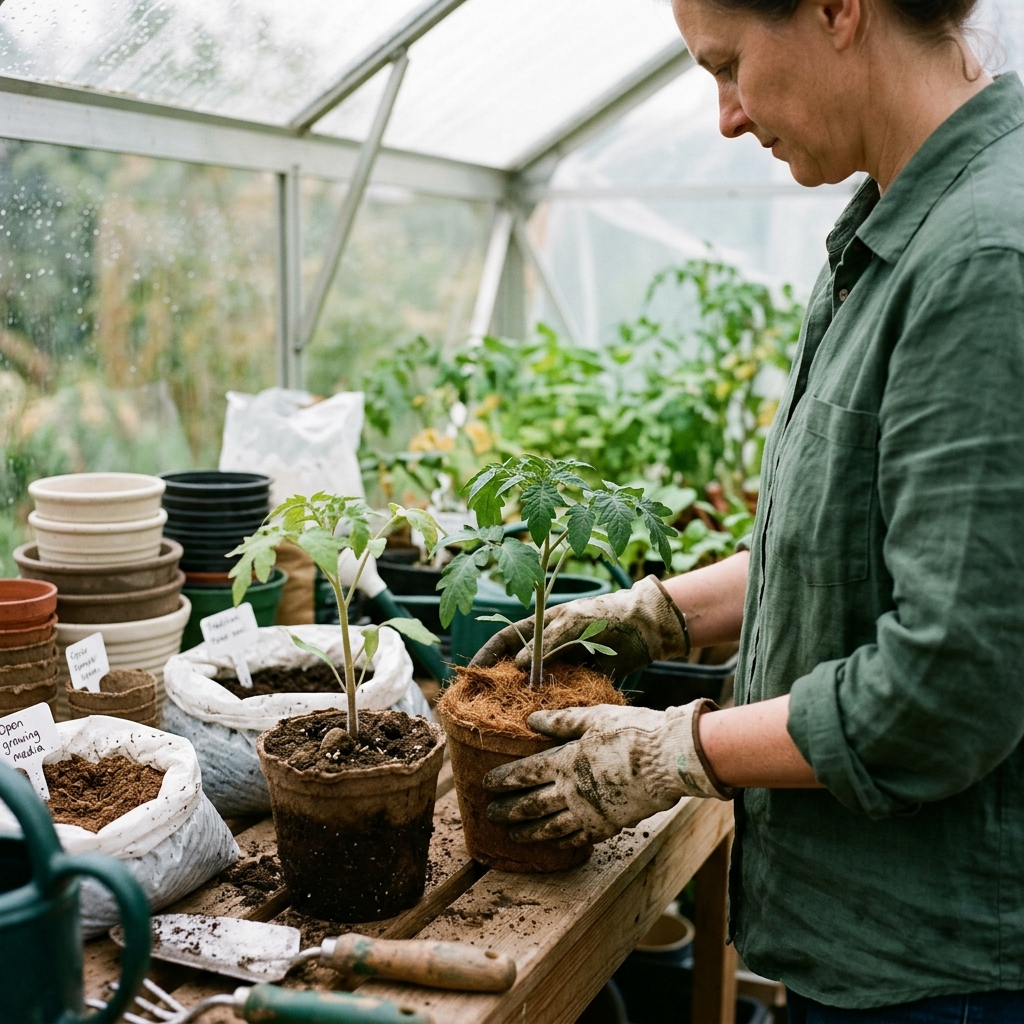
When asking is coco peat better than soil, growers often discover that coir holds up to 900% of its weight in water while maintaining superior aeration. Traditional topsoil compacts rapidly inside containers, suffocating delicate root hair systems and causing waterlogging. By supplementing or replacing conventional potting dirt with coconut husk fiber, gardeners unlock rapid root development and healthier overall foliage.
Is coco peat better than soil? In modern container gardening, coco peat outperforms soil in water retention, aeration, pest sterility, and structural reusability. However, because pure coconut coir is an inert growing medium devoid of natural nutrients, it requires supplemental fertilizing, whereas topsoil delivers inherent mineral fertility and microbial activity.
In modern horticulture, selecting the ideal substrate directly dictates harvest yields, root strength, and plant longevity. Standard topsoil has served traditional farming for centuries, yet urban container gardens and high-tech hydroponics demand media with predictable drainage, sterile composition, and lasting porosity.
As sustainable agriculture advances into 2026, high-purity coconut coir substrate has transformed routine planting practices. Scientific research confirms that root systems thrive in lightweight, porous media that balance moisture retention capacity with immediate oxygen delivery.
[Image: A crisp side-by-side photo comparing rich organic potting mix soil next to fluffy, golden-brown coconut coir substrate in transparent garden containers. Alt: Side-by-side comparison evaluating is coco peat better than soil for container root growth. Title: Coco Peat vs Soil Substrate Comparison]
Understanding Coco Peat vs Soil: What Are You Growing In?
To determine if is coco peat better than soil for your specific garden setup, you must first examine how these two media differ biologically and structurally. Native soil consists of weathered rock minerals, decomposing forest matter, clay particles, and living micro-organisms. While field dirt supports deep-rooted trees in natural ecosystems, it quickly packs down tightly inside plant pots.
In contrast, coir substrate is an organic growing medium manufactured from processed coconut husks. This renewable byproduct is thoroughly washed, cured, and compressed into compact bricks or loose bags for distribution. Growers requiring dependable agricultural inputs often source premium cocopeat to establish uniform root conditions across indoor and outdoor container crops worldwide.
Peer-reviewed literature indexed by the National Center for Biotechnology Information (NCBI) confirms that coconut coir maintains stable pore spaces even after repeated irrigation cycles. Standard dirt tends to collapse inward, squeezing out the vital air pockets required for cellular respiration in root zones.
Physical Composition: Soil Aeration vs Coir Density
Soil aeration relies heavily on sand grains and organic aggregates to create macro-pores. Over time, frequent watering breaks down soil aggregates, turning fluffy topsoil into dense mud that restricts oxygen transfer.
Coconut coir contains natural lignin fibers that resist cellular decomposition for years. This resilience preserves generous macro-pore structures, allowing plant roots to breathe continuously even immediately following deep watering sessions.
Why Is Coco Peat Better Than Soil for Moisture Control?
One primary reason horticulturists investigate is coco peat better than soil centers on long-term moisture management. Soil frequently suffers from two extreme problems: compacting into soggy mud, or drying out into a hydrophobic mass where irrigation water simply runs down the sides of the pot.
Processed coir acts like a high-performance sponge. It absorbs water instantly upon contact and distributes it evenly throughout the container. Extensive field trial data from the University of Florida IFAS Extension highlights that coconut coir holds high water volumes while maintaining 20% to 30% air-filled pore space.
- Instant Hydration: Coir rewets rapidly without requiring synthetic surfactant wetting agents.
- Capillary Distribution: Moisture travels horizontally across coir fibers rather than channeling straight out container drain holes.
- Extended Irrigation Cycles: Plants grown in coconut fiber maintain available moisture longer during intense summer heat.
[Infographic: Detailed visual chart depicting water retention capacity, air porosity percentage, and rewetting speed of coco peat compared to traditional topsoil. Alt: Infographic demonstrating water retention capacity in coco peat vs topsoil. Title: Substrate Hydration and Porosity Analysis]
Key Differences: Nutrients, pH, and Root Development
While water dynamics favor coconut coir, native soil retains distinct advantages regarding biological nutrition. Soil naturally contains decomposed humus and beneficial microbial networks that continuously break down organic nitrogen, phosphorus, and trace minerals.
Conversely, coir is essentially an inert matrix. It provides zero baseline fertilizer to growing plant tissues. However, coir delivers an ideal naturally neutral pH range (5.8 to 6.8), whereas topsoil often swings heavily alkaline or overly acidic without frequent soil amendments.
Cation Exchange Capacity (CEC) Explained
The cation exchange capacity measures how efficiently a substrate binds positively charged nutrient ions like Calcium (Ca++), Magnesium (Mg++), and Potassium (K+). Unbuffered coir carries natural sodium and potassium ions that must be balanced prior to planting delicate seedlings.
By pre-treating coir with calcium nitrate, growers optimize the substrate’s site-binding capacity. Incorporating organic supplements such as copra meal for soil enrichment helps feed micro-organisms while expanding total organic nutrient availability.
Is Coco Peat Better Than Soil for Root Aeration?
Robust root development requires an ongoing balance of moisture and oxygen. In dense soil mixes, roots spend energy fighting physical resistance to push through compacted dirt, resulting in short, thick root structures.
In lightweight coir substrates, delicate root hairs penetrate easily, forming massive feeder networks. This expansive root volume allows plants to absorb nutrients and water rapidly during vegetative and flowering phases.
[Image: High-magnification root system photograph comparing fuzzy white feeder roots in coir against short roots in dense soil. Alt: Comparison diagram asking is coco peat better than soil for potted houseplant aeration. Title: Root System Architecture in Growing Substrates]
Is Coco Peat Better Than Soil for Indoor Gardening?
Indoor potted house plants suffer constantly from low humidity, stagnant air, and variable light levels. Home gardeners frequently evaluate coco peat vs topsoil for indoor plants to keep sensitive tropical foliage healthy without inviting unwanted pests.
Bringing natural garden dirt indoors introduces hidden fungus gnat larvae, weed seeds, and destructive soil-borne pathogens like Pythium. Coconut coir is steam-sterilized during commercial production, creating a clean growing space free from common home pests.
- Ergonomic Handling: Dehydrated coir bricks weigh very little, making indoor container handling and potting effortless.
- Natural Pest Prevention: Rapidly drying coir surface layers starve fungus gnat larvae of decaying organic materials.
- Structural Stability: Indoor pots maintain optimal pore structure for years without collapsing or souring.
Pros and Cons of Coco Peat for Gardening
Evaluating the pros and cons of coco peat for gardening ensures you select the right medium for your specific crops and environmental conditions.
Key Advantages of Coir Media
Coir fiber is fully renewable and eco-friendly, offering an ethical replacement for harvested peat moss. Its slow decomposition rate allows growers to rewash, sanitize, and reuse coir across multiple growing seasons without structural degradation.
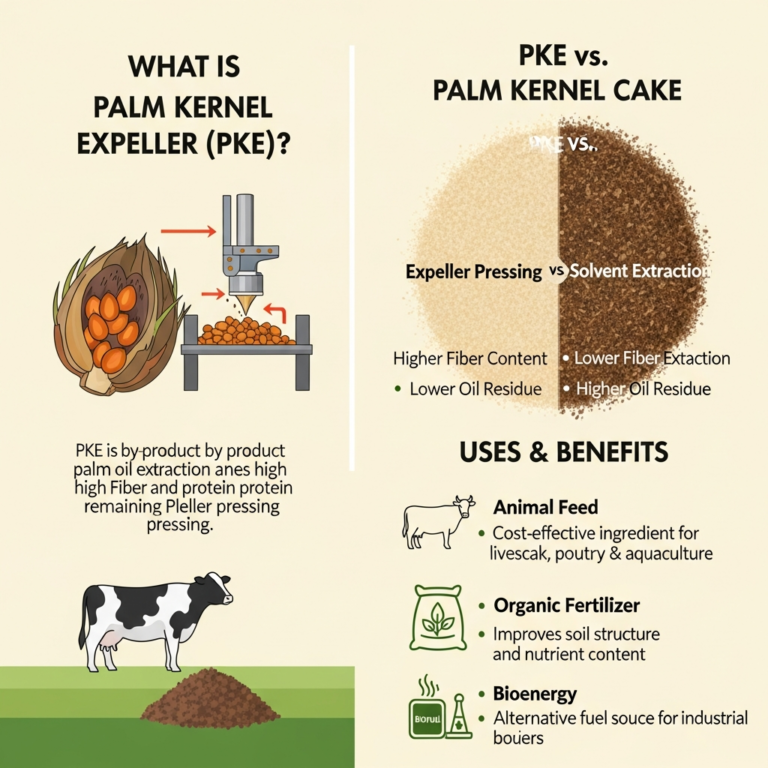
Furthermore, agricultural operators utilize complementary co-products like Palm Kernel Expeller and specialized amendments to create rich, custom organic growing mixtures.
Disadvantages of Coco Peat and How to Fix Them
The primary drawback of coir is its lack of natural minerals. Because pure coir contains no NPK content, plants will show nutrient deficiencies if watered with plain tap water. Gardeners must provide complete water-soluble fertilizers or mix organic slow-release meals into the medium.
Additionally, lower-grade coir processed near marine environments can retain residual salts. Choosing reputable, thoroughly flushed commercial substrates prevents salinity burn on sensitive young roots.
How to Prepare and Excel at Growing Vegetables in Pure Coco Peat
Successfully growing vegetables in pure coco peat requires simple preparation steps to maximize crop yields in container gardens and raised beds:
- Hydrate fully: Place compressed coir bricks into a container and add warm water (roughly 4 to 5 liters per 1kg brick).
- Fluff and expand: Allow 15 minutes for complete expansion, then break up remaining clusters by hand.
- Buffer calcium levels: Rinse the fluffed coir with a mild calcium-magnesium solution to displace excess sodium ions.
- Add structural drainage: Mix in 20% coarse perlite or clean Palm Kernel Shell aggregates to optimize long-term drainage in heavy rainfall zones.
- Integrate nutrients: Blending balanced organic supplements or mineral feeds ensures immediate nutrient uptake for hungry vegetable crops like tomatoes and peppers.
[Video Embed Placeholder: YouTube video titled ‘How to Hydrate, Buffer, and Prepare Coco Peat for Container Gardening’ featuring step-by-step substrate mixing techniques. Alt: Video tutorial demonstrating coir block hydration and buffering steps. Title: Coco Peat Preparation Video Guide]
Comparative Analysis: Coco Peat vs Soil vs 50/50 Blend
To evaluate how coir compares against native soil and mixed substrates, review the performance matrix below compiled from agricultural trial data published by the Food and Agriculture Organization (FAO) and ScienceDirect research papers:
| Property / Performance Metric | Traditional Potting Soil | Pure Coco Peat Substrate | 50/50 Coir & Soil Mix |
|---|---|---|---|
| Water Retention Capacity | Moderate (30% – 40%) | Exceptional (700% – 900%) | Optimal High (60% – 70%) |
| Aeration & Air-Filled Porosity | Low (Compacts over time) | Very High (20% – 30% air space) | Balanced (15% – 20% air space) |
| Native Mineral Content | High (Rich in native NPK) | Inert (Zero native NPK) | Moderate Baseline Fertility |
| pH Stability Range | Variable (5.0 – 8.5) | Stable Neutral (5.8 – 6.8) | Slightly Acidic to Neutral |
| Pathogen & Weed Risk | High (Weed seeds, rot fungi) | Sterile (Pest-free) | Low to Moderate Risk |
| Structural Reusability | Poor (Degrades in 1 season) | High (Reusable 3-5 seasons) | Moderate (2-3 seasons) |
As demonstrated in empirical trials, blended media combine the natural mineral fertility of earth with the superior aeration of fiber. In specialized livestock feed and agricultural formulations, producers also utilize refined components like RBD CP8 and Calcium Salts of Palm Oil Fatty Acids to maintain strict quality standards across high-efficiency agricultural operations.
Makmur Amanah Sejahtera provides high-quality palm products such as Palm Kernel Expeller, Palm Kernel Shell, Crude Palm Oil, Palm Kernel Oil, etc. Kindly contact us at WhatsApp +6282140002198 or email us at admin@makmuramanah.co.id.
Frequently Asked Questions
Is coco peat better than soil for container vegetables?
Yes, coco peat is better than soil for container vegetables because it prevents dirt compaction and keeps root zones oxygenated. However, because pure coir is nutrient-free, growers must supply regular organic liquid fertilizers or mixed amendments to harvest healthy vegetable crops.
Can plants grow in 100% pure coco peat without soil?
Plants can grow in 100% pure coco peat, provided you supply continuous liquid hydroponic nutrients. Because raw coir contains no natural nitrogen, phosphorus, or potassium, watering with plain tap water alone causes plant nutrient deficiencies within a few weeks.
How do you correctly prepare compressed coco peat blocks?
Place the dry coir brick into a large container and add warm water (roughly 4 to 5 liters per 1kg block). Allow the fibers to absorb moisture for 15 minutes, fluff thoroughly with your hands, and buffer with a calcium-magnesium supplement before planting.
Does coco peat decompose faster than garden dirt?
No, coconut coir contains complex natural lignin fibers that break down much slower than traditional potting soil or peat moss. With proper washing and sanitizing, coir substrates can be reused safely in garden containers for 3 to 5 growing seasons.
Should I mix coco peat with topsoil for outdoor garden beds?
Yes, blending 30% to 50% coir into heavy clay or sandy topsoil dramatically enhances water retention capacity, soil aeration, and root penetration. Mixing coir with native soil combines natural mineral nutrition with optimized moisture control.
Final Verdict: Is Coco Peat Better Than Soil for Your Garden?
Ultimately, determining whether is coco peat better than soil depends on your gardening container, feeding routine, and environmental conditions. For potted indoor houseplants, elevated raised beds, and seed propagation trays, coconut coir outshines standard topsoil by preventing root compaction, maintaining high aeration, and keeping soil-borne pests out of your home.
For low-maintenance outdoor ground beds, blending native soil with organic coir delivers an ideal balance of baseline mineral fertility and fiber-driven moisture management. By adopting quality substrates and custom amendments, your garden will achieve healthy root growth and bumper harvests throughout 2026 and beyond.

 English
  Indonesian
  Chinese
  Arabic