
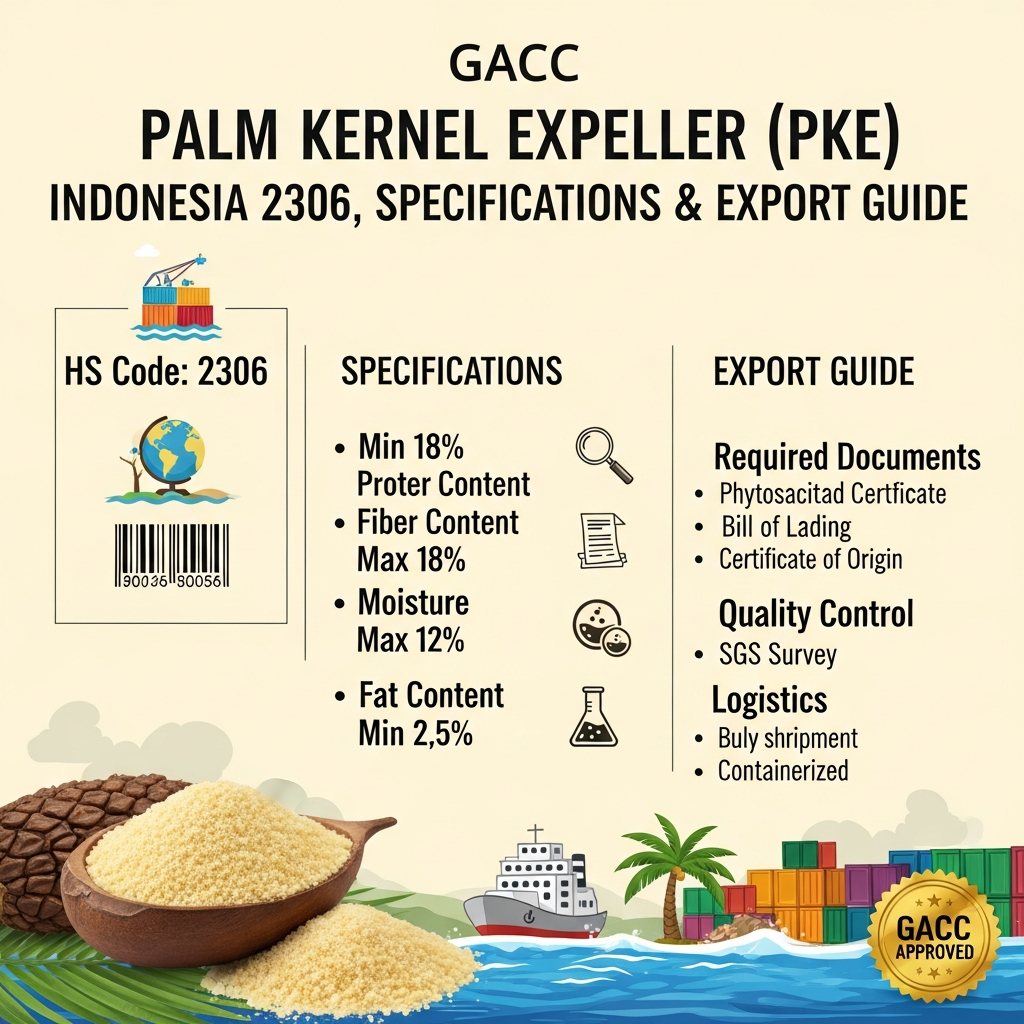
GACC Palm Kernel Expeller: #1 Proven Indonesia Export Guide (2026)
GACC Palm Kernel Expeller from Indonesia is the cornerstone of high-performance animal feed imports into China. If you are struggling to navigate the complex HS Code 2306 regulations or secure reliable suppliers for 2026, you are in the right place.
The landscape of agricultural trade between Indonesia and China has evolved rapidly. With stricter biosecurity measures and heightened demand for quality biomass, understanding the nuances of GACC Palm Kernel Expeller is no longer optional—it is a survival requirement for importers and feed millers alike.
This comprehensive guide will demystify the General Administration of Customs China (GACC) requirements, break down the exact specifications needed for clearance, and reveal how to source premium Indonesian Palm Kernel Expeller (PKE) efficiently.
Why GACC Palm Kernel Expeller Matters in 2026
The demand for sustainable, cost-effective livestock feed has never been higher. As we move into 2026, China’s strict import protocols mean that only facilities with valid GACC registration can access the market. The “GACC” label is not merely bureaucratic jargon; it is the primary filter used by Chinese customs to block substandard goods.
GACC Palm Kernel Expeller represents a seal of quality and safety. The General Administration of Customs China (GACC) enforces rigorous standards to prevent biosecurity risks such as pest infestation and chemical contamination. For Indonesian exporters and Chinese importers, understanding these protocols is non-negotiable.
According to the General Administration of Customs China (GACC), compliance failures—specifically regarding administrative registration and pest control—are the number one reason for shipment rejections at ports like Guangzhou and Shanghai. Securing a supplier with a valid GACC registration ensures your supply chain remains uninterrupted and your livestock receives safe nutrition.
Key Specifications for GACC Palm Kernel Expeller
To qualify as premium GACC Palm Kernel Expeller, the product must meet specific chemical and physical parameters. These specifications ensure the feed is safe for ruminants and provides optimal nutritional value without exceeding toxin limits.
Below is the standard specification table for export-quality Indonesian PKE in 2026. Note the strict limits on moisture and aflatoxin, which are heavily scrutinized during GACC inspections.
| Parameter | Specification Range | Importance for Feed |
|---|---|---|
| Proflex (Protein + Fat) | 21.0% Minimum | Determines total energy value for cattle. |
| Crude Protein | 14.0% – 16.0% | Essential for muscle growth and milk production. |
| Crude Fat | 6.0% – 10.0% | Provides high calorie density. |
| Moisture Content | 10.0% Maximum | Critical to prevent mold and spontaneous combustion. |
| Dirt & Shell | 15.0% Maximum | Lowers digestibility if too high. |
| Aflatoxin (B1) | < 20 ppb | Strict safety limit to prevent livestock poisoning. |
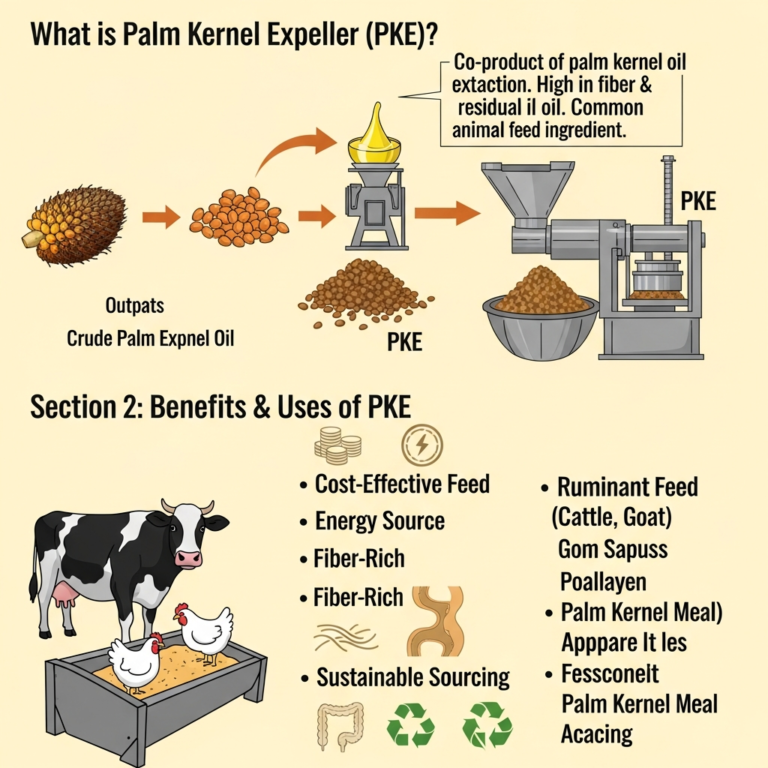
High-quality Palm Kernel Expeller typically boasts a proflex level above 21%, making it an excellent energy source for dairy cattle. Unlike solvent-extracted meals, the mechanical expeller process leaves a higher residual oil content, which is highly beneficial for energy-dense rations.
HS Code 2306 Breakdown and Compliance Strategy
When importing GACC Palm Kernel Expeller, using the correct Harmonized System (HS) code is critical for customs clearance. The global HS Code for oilcake and other solid residues resulting from the extraction of palm nuts or kernels is 2306.60.00.
Avoiding Common Customs Pitfalls
While the general code is 2306.60, specific Indonesian export codes may vary slightly depending on the processing method (solvent extraction vs. mechanical expeller) and the destination port’s specific interpretation.
- Description Accuracy: Ensure the commercial invoice describes the goods exactly as “Palm Kernel Expeller” or “Palm Kernel Cake” to match the HS code description.
- GACC Code Matching: The HS code declared on your Bill of Lading must match the HS code category your supplier is registered for in the GACC system. A mismatch here leads to immediate rejection.
- CIQ Certification: The China Inspection and Quarantine (CIQ) certificate will reference this HS code. Any discrepancy between the CIQ document and the actual cargo specs can result in the cargo being returned to Indonesia.
Always verify the exact 8-digit or 10-digit code with your customs broker to avoid costly delays. Misclassification can lead to fines ranging from 15% to 50% of the cargo value.
The 5-Step Export Process for GACC PKE
Successfully exporting or importing GACC Palm Kernel Expeller involves a systematic approach. Follow these five proven steps to ensure a smooth transaction in 2026.
1. Supplier Verification (The “CT” Check)
Before negotiating price, verify that the Indonesian supplier appears on the official GACC list of registered overseas manufacturers. You need their registration number, often referred to as the “CT number.” Without this, the cargo cannot legally enter China.
2. Contract and Specification Agreement
Clearly define moisture, protein, and impurity limits in your sales contract. It is advisable to set the rejection limit for moisture at 12%, though your target should be below 10%. Specify that the product must be GACC Palm Kernel Expeller compliant.
3. Pre-Shipment Inspection
Engage a surveyor like Sucofindo or Cotecna to verify quality before loading. They will check the chemical composition and ensuring the cargo is free from live insects. This step is crucial for obtaining the Certificate of Analysis (COA).
4. Phytosanitary Certification
The Indonesian Agricultural Quarantine Agency (IAQA) must issue a certificate stating the cargo is free from quarantine pests. This document is linked to the GACC system and is mandatory for clearance.
5. Customs Declaration
Submit all documents, including the Certificate of Origin, Bill of Lading, and Packing List, upon arrival in China. Ensure the consignee listed matches the entity with the import license.
For those looking to diversify their biomass energy sources, similar verification processes apply to Palm Kernel Shell exports, which are also regulated under strict environmental and quarantine standards.
Why Choose Indonesian GACC Palm Kernel Expeller?
Indonesia is the world’s largest producer of palm oil, and consequently, the leading source of GACC Palm Kernel Expeller. But quantity isn’t the only advantage. The nutritional profile of Indonesian PKE makes it a superior choice for feed formulators.
Boosting Dairy Performance
Indonesian PKE is renowned for its consistent nutritional profile. Research published in the Journal of Animal Science and Biotechnology highlights that palm kernel byproducts can significantly improve milk fat content in dairy cows due to their residual oil content. The “Proflex” (Protein + Fat) combination provides a steady release of energy that supports lactation without causing rumen acidosis.
Sustainability and Traceability
Indonesian producers are increasingly adopting sustainable practices. Many suppliers now offer traceability, ensuring that the palm products do not contribute to deforestation. This is becoming a key requirement for multinational buyers who must adhere to global ESG (Environmental, Social, and Governance) standards.
Nutritional Efficiency vs. Alternatives
While GACC Palm Kernel Expeller is a staple, it is often used in conjunction with other supplements. Understanding how it compares to other feed ingredients helps in formulating the most cost-effective diet.
| Feed Ingredient | Protein % | Fiber % | Primary Use |
|---|---|---|---|
| Palm Kernel Expeller | 14-16% | 15-18% | Energy & Fiber Source |
| Copra Meal | 18-22% | 12-14% | Protein Supplement |
| Soybean Meal | 44-48% | 3-6% | High Protein Source |
For high-yielding dairy herds, nutritionists might recommend adding Calcium Salts of Palm Oil Fatty Acids to boost energy density further without disrupting rumen fermentation. However, compared to Soyhull or Wheat Bran, PKE offers a balanced fiber-to-energy ratio that is far more cost-effective for bulk filling.
It also pairs well with RBD CP8 derivatives in specialized feed formulations where specific fatty acid profiles are required.
Common Mistakes When Importing PKE
Even seasoned traders can fall into traps when dealing with GACC Palm Kernel Expeller. The intricacies of international trade mean that a small oversight can lead to massive losses. Avoid these common errors to protect your investment.
Ignoring Moisture Content
PKE with moisture above 12% is prone to mold and spontaneous combustion during transit. The heat in the ship’s hold can accelerate fungal growth, producing mycotoxins that render the feed unsafe. Always insist on a maximum of 10% moisture in your contract and verify it with a pre-shipment test.
Incomplete Documentation
Missing the AQSIQ certificate or a mismatch in the consignee name can lead to cargo rejection at Chinese ports. Chinese customs are notoriously strict; even a typo in the HS Code on the Bill of Lading can stall a shipment for weeks.
Overlooking Fumigation
Proper fumigation is mandatory to prevent insect infestation. Ensure your supplier uses accredited fumigation services using Methyl Bromide or Phosphine, depending on the current regulations of the destination port. Failure to provide a valid fumigation certificate will result in immediate quarantine.
According to the Food and Agriculture Organization (FAO), proper storage and handling of oilseed byproducts are essential to maintaining food safety standards in the global supply chain. This includes using clean, dry warehouses and ensuring transport vessels are free from previous cargo residues.
Logistics: Bulk vs. Bagged Shipments
When ordering GACC Palm Kernel Expeller, you typically have two options: loose bulk or bagged packing.
- Loose Bulk: Best for large feed mills ordering 10,000 MT or more. It is cost-effective but requires specialized unloading equipment at the destination port.
- Bagged (PP Bags): Usually 50kg or Jumbo Bags (1 MT). This is ideal for smaller distributors or facilities without bulk storage silos. It offers better protection against moisture and contamination during handling.
Regardless of the method, ensure the packaging material is clean and new to comply with GACC hygiene standards. For those interested in other palm derivatives, similar logistics considerations apply to Cocopeat and other agricultural exports.
Frequently Asked Questions
What is the difference between Palm Kernel Expeller (PKE) and Palm Kernel Meal (PKM)?
Technically, they are often used interchangeably. However, “Expeller” (PKE) usually refers to the byproduct of mechanical oil extraction, containing higher residual oil (6-10%). “Meal” (PKM) often refers to solvent-extracted residue, which has lower oil content (1-2%). For GACC Palm Kernel Expeller exports, the mechanical extraction variety is more common due to its higher energy value.
How do I verify a supplier’s GACC registration?
You can verify a supplier by checking the official GACC website under the “Import and Export Food Safety” section. You will need the supplier’s registration number (starts with ‘CT’ followed by digits) or their company name to confirm their status for exporting GACC Palm Kernel Expeller. Never rely solely on a PDF certificate provided by the supplier.
Is GACC Palm Kernel Expeller suitable for non-ruminants?
PKE is high in fiber and gritty, making it most suitable for ruminants like cattle and sheep which can digest the fiber effectively. It can be used in limited quantities for poultry or swine (usually 5-10%), but high inclusion rates may affect digestibility. For specialized dietary needs, consult a nutritionist.
What is the minimum order quantity (MOQ) for export?
The standard MOQ for export is usually one 20ft container (approx. 18-20 MT) for bagged shipments. However, bulk shipments of several thousand metric tons are common for large Chinese feed mills. Check with reputable suppliers for specific terms regarding minimums and payment methods.
Does PKE contain Aflatoxin?
PKE is generally resistant to Aflatoxin compared to corn or copra, but it is not immune. Improper storage can lead to fungal growth. GACC regulations strictly limit Aflatoxin B1 to under 20 ppb (parts per billion). Regular testing is required to ensure compliance.
Conclusion
Securing high-quality feed ingredients in 2026 requires diligence, deep market knowledge, and the right strategic partners. GACC Palm Kernel Expeller from Indonesia offers a superior blend of nutritional value and economic efficiency for the Chinese market, but accessing it requires navigating a maze of regulations.
By adhering to the HS Code 2306 regulations, enforcing strict moisture controls, and partnering with a transparent, GACC-registered supplier, you can optimize your supply chain and avoid costly disruptions. Whether you need PKE for dairy cattle or are exploring biomass applications, prioritizing compliance and quality is the key to success.
Ensure you double-check all specifications and documentation before finalizing your order. With the insights from this guide, you are now equipped to master the trade of GACC Palm Kernel Expeller and secure a prosperous year ahead.
Makmur Amanah Sejahtera provides high-quality palm products such as Palm Kernel Expeller, Palm Kernel Shell, Crude Palm Oil, Palm Kernel Oil, etc. Kindly contact us at WhatsApp +6282140002198 or email us at admin@makmuramanah.co.id.
 English
  Indonesian
  Chinese
  Arabic