
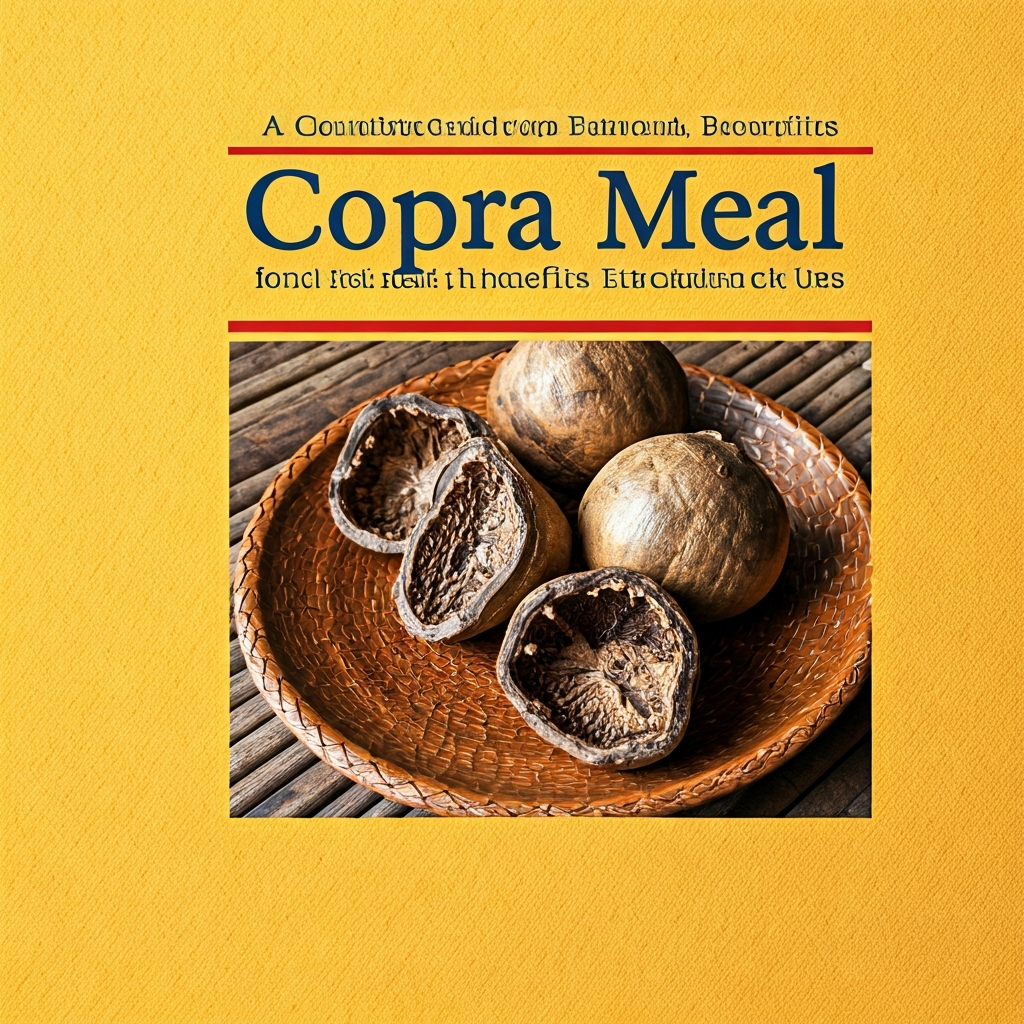
Copra Meal: A Complete Guide to Its Benefits, Nutrition, and Uses
Copra meal is one of the most essential and cost-effective protein supplements revolutionizing the 2026 animal feed market. For farmers and livestock managers battling volatile feed costs, this complete guide unlocks the secret to leveraging this powerful coconut by-product for amazing gains.
By understanding its value, you can achieve significant improvements in animal health, performance, and overall farm profitability. This article provides a comprehensive, expert-driven analysis of everything you need to know, from its nutritional science to practical applications for your specific livestock needs. Get ready to transform your feeding strategy.
What Exactly Is Copra Meal?
Copra meal is a highly valuable feed ingredient derived from the dried kernel of the coconut (Cocos nucifera). It is the sustainable by-product remaining after oil extraction, making it a resourceful and mid-range protein and high-energy source for livestock. Often called “coconut meal” or “copra cake,” it is a globally recognized commodity.
Its unique properties make it distinct from other feed alternatives. Unlike soybean meal, it contains lower protein but higher levels of digestible fiber, which is particularly beneficial for ruminant animals like cattle, sheep, and goats. Understanding its role is the first step toward optimizing your feed formulation. You can learn more about the raw material from its Wikipedia page.

The Unbeatable Nutritional Profile of Copra Meal
The true power of Copra Meal lies in its dense and unique nutritional makeup. While protein is a primary selling point, its combination of fiber, fat, and essential minerals provides a holistic boost to animal diets. A deep dive into its components reveals why it is a superior choice for informed livestock managers.
Its nutrient density offers a cost-effective way to meet the dietary requirements of various animals without relying solely on more expensive alternatives. This balance supports everything from muscle development to milk production and digestive health.
Key Macronutrients in Copra Meal: Protein, Fiber, and Fat
On a dry matter basis, copra meal typically contains 20-25% crude protein. This makes it an excellent protein source, providing a significant amount of bypass protein. This type of protein is crucial for ruminants as it escapes microbial digestion in the rumen and is absorbed in the small intestine.
Moreover, it boasts a high concentration of neutral detergent fiber (NDF), often ranging from 40-60%. This digestible fiber is a fantastic energy source for cattle and other ruminants, promoting a healthy gut microbiome. The residual oil content (5-12%) also adds to its energy value, providing a rich source of calories.
Essential Amino Acids for Animal Growth
While Copra Meal‘s protein is abundant, its amino acid profile is a key consideration. It contains a favorable balance of amino acids but is known to be limiting in lysine and methionine compared to other protein sources. This is easily corrected by supplementing the diet with other protein sources or synthetic amino acids to create a complete and balanced ration for monogastric animals like poultry and swine.
Comparison: Copra Meal vs. Other Feed Ingredients
To fully appreciate its value, it’s helpful to compare Copra Meal against other common feedstuffs. This comparison highlights its unique position as a balanced, multi-purpose ingredient.
| Nutrient | Copra Meal | Soybean Meal | Palm Kernel Expeller | Palm Kernel Shell |
|---|---|---|---|---|
| Crude Protein | 20-25% | 44-48% | 15-18% | 2-6% |
| Crude Fiber | 10-14% | 5-7% | 16-22% | ~70% |
| Crude Fat | 5-12% | 1-2% | 8-10% | <1% |
| Metabolizable Energy (MJ/kg) | ~11.5 (Ruminants) | ~12.5 (Ruminants) | ~10.5 (Ruminants) | N/A (Energy Source) |

7 Proven Benefits of Using Copra Meal in Animal Feed
Incorporating Copra Meal into livestock diets offers a cascade of benefits that directly impact animal health, productivity, and your bottom line. Here are the seven most significant advantages confirmed by industry experience and scientific research.
- A Cost-Effective Protein Source: In an era of fluctuating grain prices, it provides a stable and affordable alternative to expensive proteins like soybean meal, helping to lower overall feed costs without sacrificing quality.
- Enhances Ruminant Health and Digestion: Its high concentration of digestible fiber promotes a healthy rumen environment, reducing the risk of metabolic issues like acidosis. Research published in journals like the Journal of Dairy Science often highlights the benefits of fibrous by-products in ruminant diets.
- Boosts Milk Production and Butterfat: The unique combination of bypass protein and saturated fats in copra meal has been shown to increase milk yield and, notably, the percentage of butterfat in dairy cattle, leading to higher quality milk.
- Improves Growth Rates: When properly balanced, diets including copra meal support consistent and healthy weight gain in beef cattle, poultry, and swine. It is an excellent energy source for growth and finishing phases.
- Sustainable and Eco-Friendly: As a by-product of the coconut industry, using it reduces waste and promotes a circular economy. It’s a feeding solution you can feel good about, especially when sourced from sustainable producers. Consider pairing it with other sustainable products like Cocopeat for a fully green operation.
- High in Beneficial Lauric Acid: The residual coconut oil is rich in lauric acid, a medium-chain fatty acid known for its antimicrobial properties. According to research from institutions like Cornell University, these fatty acids can help improve gut health and immunity.
- Excellent Palatability: Most livestock find the slightly sweet, nutty aroma of copra meal highly palatable, which encourages feed intake and ensures consistent nutrition, especially during stressful periods.
Practical Applications: How to Use Copra Meal for Different Livestock
Successfully integrating Copra Meal requires understanding the specific needs of each animal. While it is incredibly versatile, optimal inclusion rates vary between species. Adhering to these expert recommendations ensures you maximize benefits and maintain a balanced diet.
Recommended Rations for Dairy and Beef Cattle
For ruminants, copra meal is a star performer. Key recommendations include:
- Dairy Cows: It can be included at up to 20-30% of the total diet concentrate. This level is effective at boosting butterfat and providing necessary energy.
- Beef Cattle: It can be used in both backgrounding and finishing rations at similar levels to support muscle growth and marbling.
Integrating Copra Meal into Poultry Diets
In poultry, the high fiber content limits its use compared to cattle. Best practices are:
- Broilers: An inclusion rate of 5-10% is generally considered safe and effective.
- Laying Hens: Up to 15% can be used without negatively impacting egg production.
For all poultry diets, it’s crucial to balance the feed with lysine and methionine. When you buy, ensure you are getting high-quality copra meal to avoid any issues.
Use in Swine, Horse, and Aquaculture Feeds
This versatile ingredient also benefits other animals:
- Swine: Diets can include 5-15% copra meal, depending on the age of the pig. Its fiber is particularly beneficial for sow gut health.
- Horses: It is prized as a “cool” energy source due to its high fat and fiber content, often included at 10-20% of the grain portion.
- Aquaculture: It is gaining traction in aquaculture feeds, especially for herbivorous fish like tilapia.
Potential Drawbacks and How to Mitigate Them
While an excellent feedstuff, it’s important to be aware of potential limitations to use Copra Meal effectively. An expert approach involves acknowledging and planning for these factors.
Quality Control and Contamination Risks
The primary concern is variability in quality and the potential for aflatoxin contamination if the raw copra is not dried and stored correctly. According to research from leading bodies like the Food and Agriculture Organization (FAO), mycotoxins can pose a significant threat in tropical feedstuffs. Therefore, it is absolutely critical to source your meal from reputable suppliers who conduct rigorous quality control and testing.
Nutritional Balancing for Monogastrics
Additionally, the lower levels of lysine must be accounted for in monogastric diets (poultry and swine). This is not a drawback but a formulation challenge. It is easily solved by consulting an animal nutritionist to create a precisely balanced feed. Working with a trusted supplier who provides a consistent product specification is your best mitigation strategy.

Makmur Amanah Sejahtera provides high-quality palm products such as Palm Kernel Expeller, Palm Kernel Shell, Crude Palm Oil, Palm Kernel Oil, etc. Kindly contact us at WhatsApp +6282140002198 or email us at admin@makmuramanah.co.id.
Frequently Asked Questions (FAQ)
What is copra meal primarily used for?
Copra meal is primarily used as a protein and energy supplement in animal feed. It is especially popular for ruminants like cattle due to its high digestible fiber and bypass protein, but it is also used in diets for poultry, swine, and horses.
Is copra meal good for horses?
Yes, it is excellent for horses. It is considered a “cool” energy source because its energy comes from fat and fiber rather than starch, reducing the risk of digestive upset. It helps with weight gain, coat condition, and provides sustained energy.
What is the protein content of copra meal?
The crude protein content of copra meal typically ranges from 20% to 25%. While lower than soybean meal, a significant portion of this is “bypass protein,” which is highly valuable for ruminants as it is digested more efficiently.
How does copra meal compare to palm kernel expeller?
Both are tropical by-products, but copra meal generally has higher protein (20-25% vs 15-18%) and is more palatable. Palm kernel expeller has higher fiber content, but copra is often preferred for boosting energy and protein simultaneously.
Can high levels of copra meal be toxic?
The meal itself is not toxic. However, the raw material (copra) can be susceptible to mold that produces mycotoxins (like aflatoxin) if not dried and stored properly. Sourcing from a trusted supplier who tests for these contaminants is essential.
Video Suggestion:
Consider embedding a video here, such as a short documentary on the coconut processing industry, showing how copra meal is made to visually engage readers.
The Future of Livestock Feed: Why Copra Meal is Essential
As the global demand for sustainable animal protein grows, the role of innovative feed ingredients becomes more critical. Copra meal is no longer a niche product but a mainstream solution for modern, efficient, and profitable livestock operations in 2026 and beyond.
From improving milk quality in dairy herds to providing safe, cool energy for performance horses, its applications are vast and proven. By embracing this resource, you align your operation with principles of sustainability and economic savvy. To stay competitive, it is vital to utilize ingredients that deliver multiple benefits.
In conclusion, a well-formulated feeding program that includes high-quality Copra Meal is a strategic move towards greater efficiency and profitability. It represents a perfect synergy of nutrition, value, and sustainability, making it an indispensable component of forward-thinking animal husbandry.
 English
  Indonesian
  Chinese
  Arabic