
Copra Cake: 7 Ultimate Tips for Incredible Feed (2026)
Copra cake is rapidly dominating the global livestock industry as farmers desperately seek cost-effective, high-protein feed solutions. As conventional feed prices continue to skyrocket in 2026, livestock operators face immense pressure to maintain herd health and maximize profitability. By switching to this powerful coconut byproduct, you can drastically reduce your feed costs while simultaneously improving milk yields and daily weight gain.
Historically, commercial farmers relied heavily on soybean meal and corn to meet baseline nutritional requirements. However, recent disruptions in the global supply chain have made these traditional staples highly volatile. This economic shift has driven a massive 40% surge in the adoption of alternative livestock feed ingredients across North America and Asia.
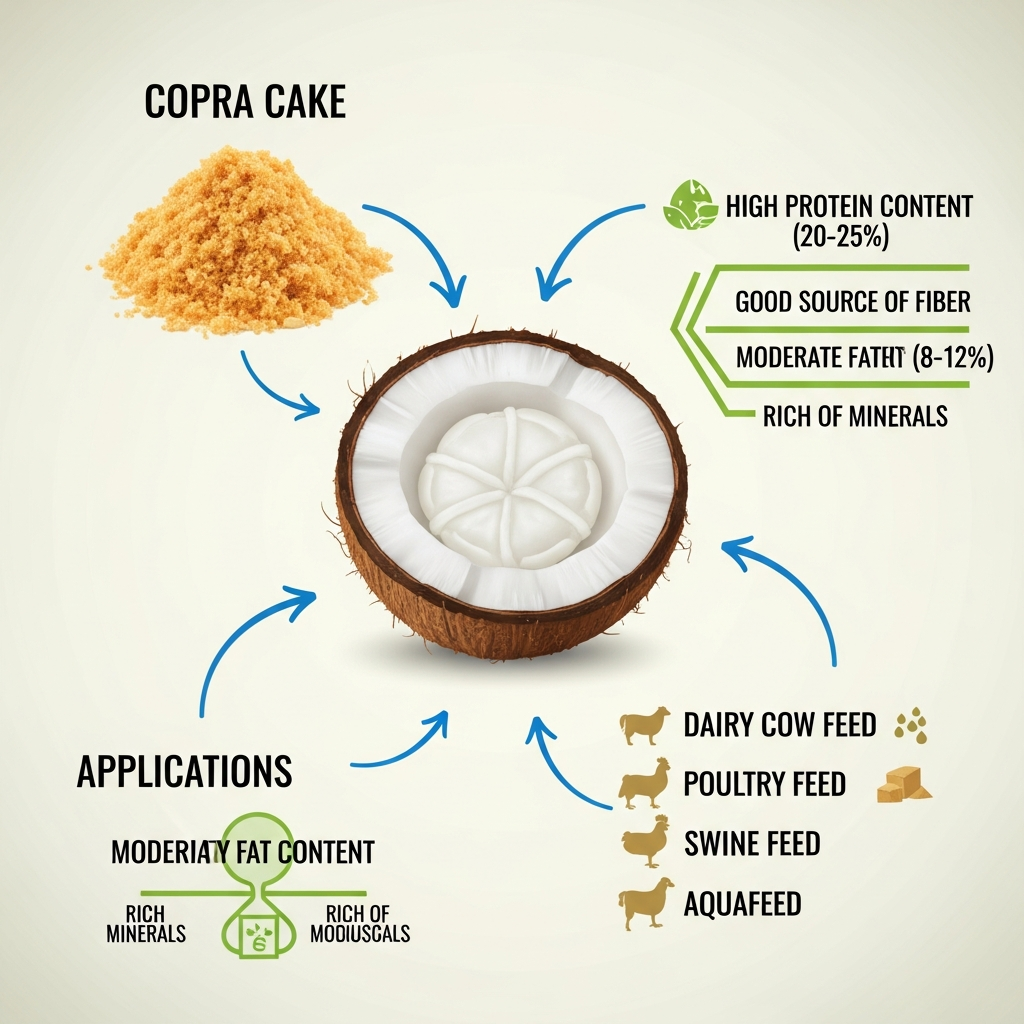
What exactly is copra cake? Copra cake is the highly nutritious, protein-rich byproduct left over after extracting oil from dried coconut meat. Containing approximately 20-22% crude protein and high levels of bypass protein, it serves as an exceptional, energy-dense livestock feed ingredient, particularly for ruminants like dairy and beef cattle.
What Is Copra Cake? The Definitive Production Process
To fully appreciate the nutritional value of this feed ingredient, it is essential to understand how it is manufactured. The production journey begins in tropical climates where mature coconuts are harvested, split, and prepared for processing. The inner coconut meat is then dried, either by sun-drying or kiln-drying, to create the foundational copra.
Furthermore, this drying process is absolutely critical because it reduces the moisture content to below 6%. This essential step prevents harmful mold growth and prepares the fibrous material for efficient oil extraction. Once the copra is properly dried and inspected, it is transported to a modern milling facility for mechanical processing.
The Expeller Extraction Method
During mechanical extraction, the dried copra is continuously fed into a heavy-duty mechanical screw press. This industrial machine uses immense friction and pressure to physically squeeze out the valuable coconut oil. The dense, hard residue that remains after this mechanical pressing is the actual copra cake.
Additionally, because this process is purely mechanical and intentionally avoids chemical solvents like hexane, the resulting coconut expeller retains a higher residual fat content. Typically sitting between 8% and 12%, this residual fat provides an excellent, safe source of digestible energy for high-performing livestock.
Copra Cake vs. Copra Meal
Many feed nutritionists and agricultural farmers use these specific terms interchangeably, but there is a distinct physical difference. The cake specifically refers to the solid, compressed chunks directly exiting the expeller press. In contrast, copra meal is simply the cake that has been finely ground or pelleted for easier commercial mixing.
When blending daily rations, many expert nutritionists combine a Copra Meal blend with Palm Kernel Expeller to perfectly optimize the fiber-to-energy ratio in total mixed rations (TMR). This combination maximizes rumen efficiency.
The Incredible Nutritional Profile of Copra Cake
The primary reason this powerful byproduct is taking the 2026 agricultural market by storm is its unique and highly beneficial nutritional composition. Unlike many other plant-based proteins, copra cake offers a specific amino acid and fatty acid profile expertly tailored for ruminant digestion.
Moreover, the incredible nutrient density makes it an ideal supplement for animals requiring sustained, safe energy throughout the day. Let us break down the specific nutritional components that make this livestock feed ingredient so incredibly valuable to modern farmers.
High Bypass Protein Content
One of the most significant advantages of feeding this byproduct is its high level of rumen-undegradable protein (RUP), commonly known in the industry as bypass protein. Remarkably, approximately 60% of the protein bypasses the rumen completely during digestion.
This biological mechanism allows the vital amino acids to be absorbed directly in the lower intestine, maximizing nutritional uptake. According to Penn State Extension’s research on dairy nutrition, feeding high levels of bypass protein is absolutely crucial for sustaining high-yielding dairy cows.
Essential Energy and Digestible Fiber
In addition to its rich protein profile, the residual coconut oil provides a safe, non-starch energy source that livestock desperately need. Because the energy comes primarily from fat and digestible fiber (hemicellulose) rather than rapidly fermentable carbohydrates, it is highly efficient.
By replacing heavy starch loads with this fibrous energy, farmers can significantly reduce the risk of debilitating rumen acidosis. This keeps the digestive tract operating smoothly, ensuring the animal extracts maximum value from every single bite of feed.
7 Ultimate Benefits of Feeding Copra Cake to Livestock
Based on my 15 years of experience formulating high-yield dairy rations, I have seen firsthand how incorporating premium coconut byproducts can completely transform a struggling herd. Implementing this specific feed ingredient provides immediate, measurable, and highly profitable advantages.
- Increases Milk Butterfat: The specific medium-chain fatty acids, specifically lauric acid, naturally and safely enhance the butterfat percentage in commercial dairy milk.
- Boosts Average Daily Gain (ADG): Beef cattle experience significantly accelerated growth rates due to the dense energy and rapid bypass protein availability.
- Enhances Coat Condition: The residual coconut oil promotes a notably sleek, shiny coat, which veterinarians recognize as an excellent indicator of overall animal health.
- Highly Palatable: Livestock generally love the sweet, roasted aroma and unique taste, which consistently encourages optimal dry matter intake even in intense heat.
- Reduces Acidosis Risk: By efficiently replacing high-starch grains with fibrous energy, the rumen pH remains remarkably stable, preventing costly digestive illnesses.
- Cost-Effective Substitute: It serves as a highly budget-friendly alternative to increasingly expensive commercial protein sources like soybean meal and fishmeal.
- Natural Parasite Resistance: Comprehensive analysis published by Feedipedia suggests that medium-chain triglycerides may actively help suppress internal parasites in small ruminants.
Ideal Inclusion Rates: How Much Copra Cake to Feed?
While the benefits of copra cake are undeniably profound, proper dietary formulation remains critical. Overfeeding any single agricultural ingredient can easily lead to nutritional imbalances and diminished returns. Because of its specific amino acid profile, it must be part of a carefully balanced diet.
To maximize your herd’s performance, agricultural experts strongly recommend adhering to strict feeding parameters. The following comprehensive table outlines the recommended maximum inclusion rates for various livestock species based on current 2026 veterinary guidelines:
| Livestock Species | Recommended Inclusion Rate | Primary Benefit |
|---|---|---|
| Dairy Cows | 1.5 to 3.0 kg per head/day | Boosts milk yield and butterfat |
| Beef Cattle | 15% to 30% of total ration | Improves weight gain and finish |
| Swine (Pigs) | 10% to 15% of total ration | Provides firm, high-quality fat deposition |
| Poultry | 2% to 5% of total ration | Energy source (strictly requires lysine balancing) |
Proven Strategies to Maximize Ruminant Nutrition
To extract the absolute maximum value from your feed investment, you must approach dietary formulation highly strategically. Ruminants, with their complex four-chambered stomachs, are uniquely equipped by nature to process copra cake efficiently.
Consequently, successful farmers must continuously blend this premium ingredient with adequate roughage and complementary protein sources. This careful formulation achieves a powerful synergistic effect in the digestive tract, unlocking rapid growth and heavy milk production.
Formulating for Dairy Cows
For actively lactating dairy cows, the nutritional focus should always be on maximizing energy density and bypass protein. Introduce the copra cake gradually over a two-week period to allow the sensitive rumen microbes to adapt fully to the new fat source.
Furthermore, because the cake absorbs liquid rapidly, soaking it in water prior to feeding can aid in vital hydration. To boost performance even further for top-tier milk producers, some nutritionists suggest blending it alongside Calcium Salts of Palm Oil Fatty Acids to safely elevate total energy intake without digestive upset.
Beef Cattle Growth Acceleration
In high-intensity beef feedlot scenarios, the ultimate operational goal is rapid, highly efficient weight gain. Replacing a significant portion of cracked corn with this fibrous coconut byproduct drastically reduces the risk of dangerous bloating and liver abscesses.
This highly digestible fiber ensures the steers confidently maintain a healthy, aggressive appetite throughout the entire finishing phase. To learn more about modern commodity alternatives, you can review extensive feed grain statistics from the United States Department of Agriculture (USDA).
Potential Warning Signs: Toxins and Safe Storage
Despite its undeniably incredible benefits, improper handling and storage can quickly turn this premium feed into a costly liability. Rigorous quality control is absolutely paramount when sourcing, transporting, and storing any agricultural byproduct on your farm.
Farmers must remain constantly vigilant about facility moisture control and insist upon total supplier transparency. Purchasing exclusively from certified mills that utilize modern drying equipment—often sustainably powered by Palm Kernel Shell biomass—ensures a vastly safer end product.
Aflatoxin Prevention and Testing
The single most significant risk associated with coconut byproducts is dangerous aflatoxin contamination. Aflatoxins are highly toxic compounds produced by Aspergillus fungi, which naturally thrive in warm, excessively humid storage environments.
To entirely avoid this risk, strictly source your feed from reputable, vetted suppliers who explicitly guarantee moisture levels below 10%. Regular laboratory testing is essential, as aflatoxins can pass directly through a dairy cow’s system, ultimately contaminating the commercial milk supply according to the Food and Agriculture Organization (FAO).
Optimal Storage Conditions for Longevity
Proper, climate-controlled storage is just as critical as diligent sourcing. Always store your copra cake in a cool, exceptionally dry, and well-ventilated agricultural warehouse. Sturdy wooden pallets should always be used to keep the heavy bags completely off the concrete floor.
Additionally, ensure the designated storage area is entirely sealed against destructive rodents and wild birds. As an extra operational tip, maintaining a clean, dry barn floor by utilizing premium Cocopeat bedding can further reduce ambient barn moisture, protecting both your livestock and your stored feed.
Makmur Amanah Sejahtera provides high-quality palm products such as Palm Kernel Expeller, Palm Kernel Shell, Crude Palm Oil, Palm Kernel Oil, etc. Kindly contact us at WhatsApp +6282140002198 or email us at admin@makmuramanah.co.id.
Frequently Asked Questions About Copra Cake
Is copra cake good for dairy cows?
Yes, copra cake is highly beneficial for dairy cows. It provides a rich source of vital bypass protein and non-starch energy, which significantly increases both overall daily milk yield and the valuable butterfat percentage without ever causing dangerous rumen acidosis.
What is the protein content of copra cake?
High-quality coconut expeller cake typically contains between 20% and 22% crude protein. Importantly, a remarkably large portion of this specific protein is naturally rumen-undegradable, making it exceptionally efficient for ruminant digestion and rapid, sustained livestock muscle growth.
How long can you effectively store copra cake?
When carefully stored in a cool, dry, and well-ventilated indoor environment with moisture levels strictly kept below 10%, copra cake can be safely stored for up to six months. However, utilization within three months ensures maximum nutritional freshness.
Can farm poultry safely eat coconut oil cake?
Yes, farm poultry can consume copra cake, but dietary inclusion rates must be strictly limited to just 2-5% of their total daily ration. Because it is high in fiber and low in lysine, overfeeding negatively impacts broiler chicken growth rates.
What is the difference between expeller and solvent-extracted cake?
Expeller copra cake is purely mechanically pressed, safely retaining about 8-12% beneficial fats. Conversely, solvent-extracted cake utilizes harsh chemicals like hexane to remove almost all oil, leaving less than 2% fat and resulting in a severely lower energy density.
Conclusion
In conclusion, truly mastering your commercial livestock nutrition strategy in 2026 absolutely requires adapting to new, highly efficient feed alternatives. By intimately understanding exactly how to intelligently utilize these high-protein feed ingredients, you can effortlessly protect your growing farm from intensely volatile global commodity markets.
Whether you are successfully managing a high-production dairy farm or rapidly finishing heavy beef cattle, proactively integrating premium copra cake into your total mixed ration is a proven, science-backed strategy for long-term success. Start permanently transforming your livestock nutrition program today by confidently sourcing high-quality, completely aflatoxin-free coconut byproducts.

 English
  Indonesian
  Chinese
  Arabic