
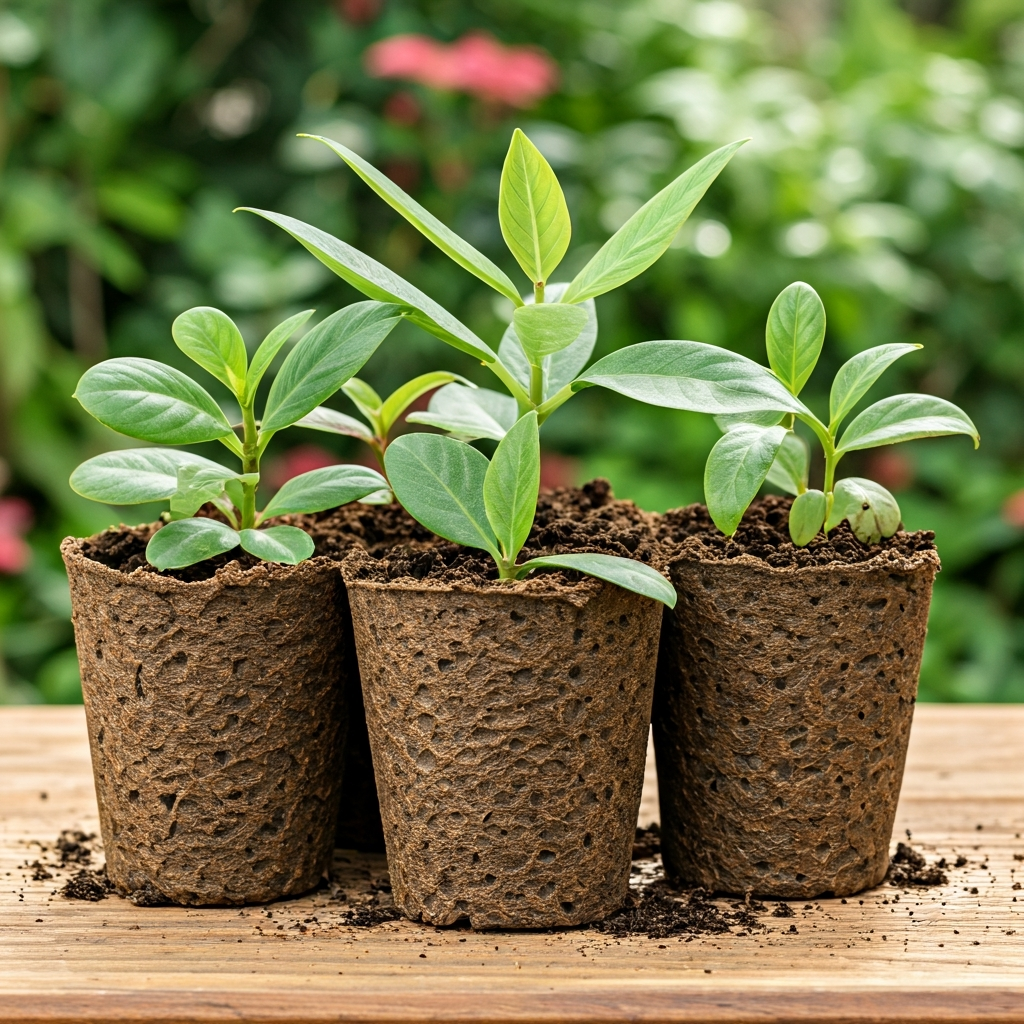
What is Cocopeat: The #1 Ultimate Guide to Amazing Benefits (2026)
What is cocopeat? It is a 100% natural, versatile growing medium made from the fibrous pith of a coconut husk. Once considered waste, this sustainable peat moss alternative is now celebrated by gardeners for its superior water retention and aeration. Understanding what cocopeat is provides the key to helping your garden thrive like never before.
If you’ve struggled with poor soil drainage, inconsistent moisture, or the environmental impact of peat moss, you’ve found the solution. This guide will walk you through everything you need to know about cocopeat, transforming your gardening practices for good.
A Deeper Look: Understanding the Origins of Cocopeat
For decades, gardeners relied on peat moss, but its harvest degrades vital peatland ecosystems, which act as massive carbon sinks. As environmental awareness grows, so does the search for sustainable alternatives. According to research from the University of California, horticulture’s shift towards renewables has put coconut coir (cocopeat) in the spotlight.
This isn’t just a trend; it’s a fundamental shift. Cocopeat is a byproduct of the coconut industry, from the pith between the shell and outer coating. What was once waste is now a key resource, making it an incredible example of upcycling. Its adoption helps reduce landfill waste and provides a superior growing medium, a core benefit when considering what is cocopeat.
[Image: A close-up shot showing the fine, earthy texture of loose cocopeat in a gardener’s hands. Title: The Fine Texture of Premium Cocopeat. Alt: A gardener holding a handful of cocopeat, illustrating the answer to ‘What is Cocopeat’.]
What is Cocopeat’s Secret? 7 Amazing Benefits for Your Plants
So, why the excitement? The benefits go far beyond being eco-friendly. Integrating this medium can lead to visibly healthier plants and a more manageable routine. Many gardeners find that understanding what is cocopeat and its advantages is a complete game-changer.
- Incredible Water Retention: Cocopeat can hold up to 8-10 times its weight in water. This means less frequent watering and a consistent moisture supply for your plant’s roots, crucial for preventing dryness during hot 2026 summer days.
- Superior Aeration & Drainage: While it holds water, its fibrous structure prevents compaction. This allows excellent oxygen flow to the root zone, which is critical for preventing root rot and promoting strong, healthy growth. This dual-action is central to what is cocopeat’s primary function.
- Neutral pH Level: Most cocopeat has a pH range of 5.5 to 6.8, which is ideal for the majority of plants. This neutral starting point makes it easier to control the nutrient environment without having to amend the pH drastically.
- Anti-Fungal and Pest-Resistant: Cocopeat naturally contains lignin and suberin, which help suppress harmful pathogens and root diseases like pythium. It also deters common soil pests, giving your plants a safer start.
- Environmentally Sustainable: As a byproduct, cocopeat is a completely renewable resource. Using it helps preserve the world’s vital peat bogs. For more on coir’s sustainability, the Wikipedia page on Coir offers extensive background.
- Long-Lasting and Reusable: Unlike mediums that decompose quickly, cocopeat breaks down very slowly. This durability is a key part of what is cocopeat’s value, as you can reuse a high-quality batch for several growing cycles.
- Easy to Store and Handle: It is most often sold in compressed, dehydrated bricks. They are lightweight and easy to store. Just add water, and a small brick can expand to several times its volume in minutes.
Cocopeat vs. Peat Moss vs. Soil: A Head-to-Head Comparison
To truly grasp the answer to “what is cocopeat,” it helps to see how it stacks up against traditional options. Each medium has its place, but cocopeat often provides a superior balance of features for container gardening and soil amendment, as noted by experts at Gardeners’ World.
Below is a table that breaks down the key differences, helping you decide which is best for your specific needs.
| Feature | Cocopeat | Peat Moss | Garden Soil |
|---|---|---|---|
| Sustainability | High (Renewable byproduct) | Low (Non-renewable resource) | Variable (Can be depleted) |
| Water Retention | Excellent | Excellent | Poor to Good (Variable) |
| pH Level | Neutral (5.5-6.8) | Acidic (3.5-4.5) | Variable (4.0-8.0) |
| Nutrient Content | Inert (Requires fertilizer) | Very Low | Variable (Contains organic matter) |
| Reusability | High (Lasts for years) | Low (Compacts over time) | High (but can degrade) |
[Image: A side-by-side comparison of three pots: one with dark soil, one with light brown peat moss, and one with reddish-brown cocopeat. Title: Visual Comparison of Growing Media. Alt: Pots of cocopeat, soil, and peat moss to show the difference, a key part of understanding what is cocopeat.]
How to Prepare and Use Cocopeat Like a Pro
Getting started with cocopeat is simple. It typically comes in a dense, compressed brick that needs rehydration. Following these steps ensures your medium is perfectly prepared for optimal plant growth. This is a crucial part of learning the answer to “what is cocopeat.”
Step 1: Rehydrating the Cocopeat Brick
Place your compressed cocopeat brick in a large container, like a wheelbarrow or a large tub. Add the amount of water specified on the packaging (it’s usually several gallons). The brick will begin to expand almost immediately. Let it soak for 15-30 minutes until it becomes a loose, fluffy, and damp material. Break apart any remaining clumps with your hands or a small spade.
Step 2: Buffering (The Pro Step)
Unbuffered cocopeat naturally holds onto calcium and magnesium, making them unavailable to your plants. To prevent this, buffer your cocopeat. After rehydration, soak the loose coir in a solution of calcium-nitrate and magnesium-sulfate (Epsom salts) for 8-12 hours, then rinse. This step is vital for serious growers. Thankfully, many high-quality brands now sell pre-buffered cocopeat, saving you time.
Step 3: What is Cocopeat’s Role in a Perfect Potting Mix?
While cocopeat can be used alone, it truly shines as part of a mix. For a general-purpose potting mix, a great recipe is:
- 50% Cocopeat (for moisture and aeration)
- 30% Perlite or Pumice (for extra drainage)
- 20% Compost or Worm Castings (for initial nutrients)
This mix creates a lightweight, well-draining, and nutrient-rich environment perfect for most potted plants. It showcases the versatility of palm byproducts, which also includes materials like Copra Meal and Calcium Salts of Palm Oil Fatty Acids for animal feed.
What is Cocopeat Best For? Top Applications
The unique properties of cocopeat make it suitable for a wide range of gardening applications. Its consistency and reliability are why commercial nurseries and hydroponic farms are increasingly using it. Scientific studies, like this research on soilless culture systems, have validated its effectiveness, reinforcing what is cocopeat’s value in modern agriculture.
Here are some of its best uses:
- Seed Starting: Its fine texture and sterile nature provide a perfect environment for delicate seeds to germinate without fear of fungal diseases.
- Potted Plants: From houseplants to patio containers, a cocopeat-based mix prevents the soil from becoming waterlogged or overly compacted.
- Hydroponics: Cocopeat is a dominant medium in hydroponic drip systems due to its excellent water-holding capacity and structural stability.
- Soil Amendment: Mixing cocopeat into dense clay soil improves aeration and drainage. In sandy soil, it improves water retention. For more on this, the University of Minnesota Extension provides valuable insights.
- Worm Bedding: It’s an ideal bedding material for vermicomposting bins, as it retains moisture and is easy for worms to move through.
Makmur Amanah Sejahtera provides high-quality palm products such as Palm Kernel Expeller, Palm Kernel Shell, Crude Palm Oil, Palm Kernel Oil, etc. Kindly contact us at WhatsApp +6282140002198 or email us at admin@makmuramanah.co.id.
[Image: An infographic showing the journey from a coconut on a tree to a hydrated block of cocopeat ready for planting. Title: The Cocopeat Lifecycle Infographic. Alt: An infographic answering ‘What is Cocopeat’ by showing its production cycle.]
Frequently Asked Questions (FAQs)
Even with all this information, you might have a few more questions. Here are answers to some of the most common queries gardeners have about what is cocopeat.
Is cocopeat good for all plants?
Cocopeat is excellent for most plants, especially those that thrive in well-draining, moist soil. For succulents or cacti that require very dry conditions, use it sparingly and mix it with a high percentage of drainage materials like pumice or sand.
How long does cocopeat last?
A key feature of what is cocopeat is its durability. It decomposes very slowly, much slower than peat moss or compost. A good quality batch of cocopeat can be reused for up to four years before it begins to lose its beneficial structure.
Can you mix cocopeat with soil?
Absolutely. Mixing cocopeat into your garden beds is a fantastic way to improve your native soil’s structure. For heavy clay soil, it improves aeration and prevents compaction. For sandy soil, it dramatically increases water retention, reducing your watering chores.
Does cocopeat attract pests?
No, cocopeat is naturally resistant to many common soil pests and gnats. Because it’s a sterile medium, it doesn’t harbor the insect larvae or pathogens that can be present in traditional compost or topsoil, making it a safer choice for indoor plants.
What is the difference between coco coir and cocopeat?
The terms are often used interchangeably, but knowing the distinction is part of understanding what is cocopeat. “Coco coir” is the general term for all fibrous material from the coconut husk. “Cocopeat” specifically refers to the fine, peat-like particles within that material.
Conclusion: Your Garden’s Sustainable Future
Understanding what is cocopeat is the key to unlocking a more efficient and environmentally responsible way of gardening in 2026. This versatile, renewable medium offers unparalleled water retention and aeration, providing the perfect foundation for healthy plants. It’s more than just a peat moss alternative; it’s an upgrade. As you move forward, consider the broader family of palm-based products, from soil conditioners like our premium Cocopeat to other resources like Palm Kernel Expeller.
By making the switch, you not only improve your garden’s vitality but also cast a vote for a more sustainable planet. The journey to a better garden begins with better materials, and learning exactly what is cocopeat is the first step.
[Image: A vibrant, thriving container garden with lush green plants and colorful flowers, showcasing the results of using a cocopeat-based mix. Title: The Thriving Results of a Cocopeat Garden. Alt: A beautiful garden showing the benefits of understanding what is cocopeat for plants.]
[Video Suggestion: An embedded YouTube video titled “How to Prepare a Cocopeat Brick in Under 5 Minutes,” showing a time-lapse of a brick expanding and then being mixed into a potting soil.]

 English
  Indonesian
  Chinese
  Arabic