
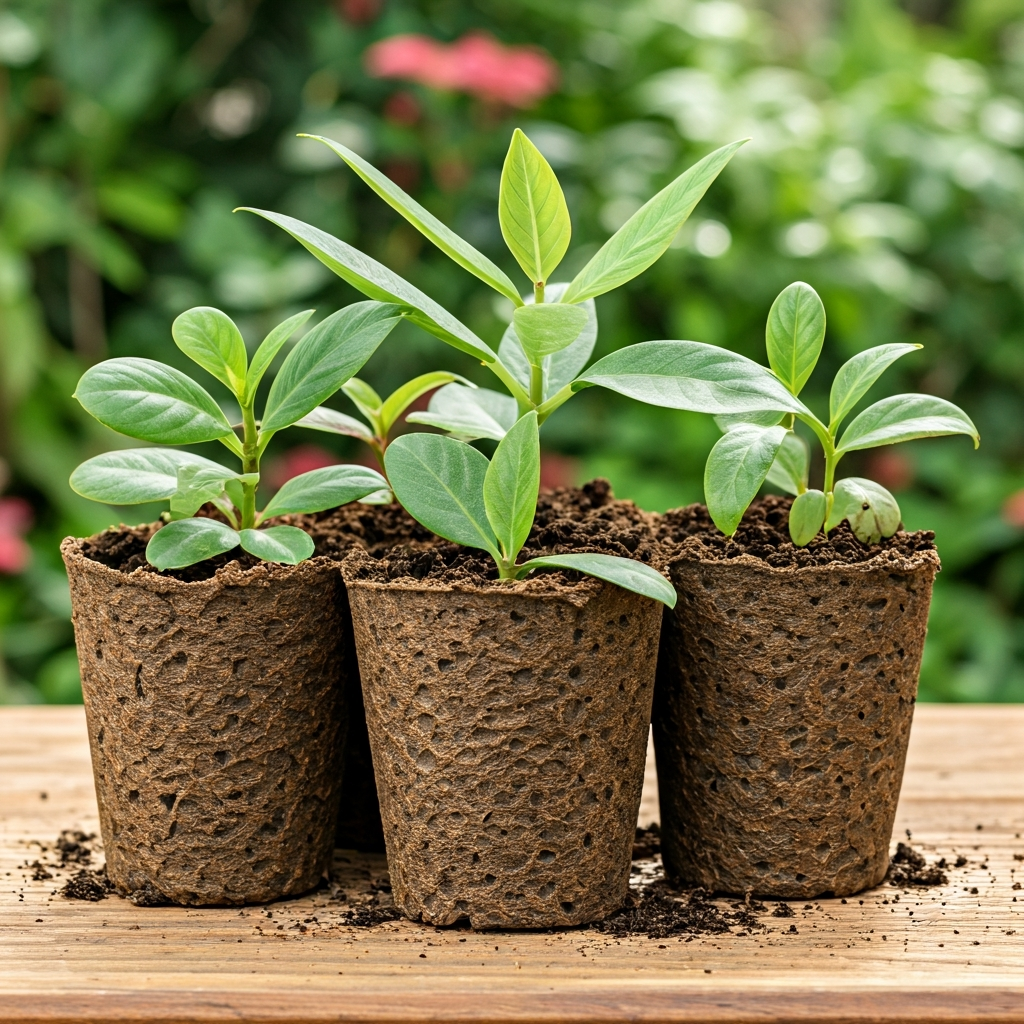
What is Cocopeat: The #1 Ultimate Guide to Amazing Benefits (2026)
什么是椰糠? It is a 100% natural, versatile growing medium made from the fibrous pith of a coconut husk. Once considered waste, this sustainable peat moss alternative is now celebrated by gardeners for its superior water retention and aeration. Understanding what cocopeat is provides the key to helping your garden thrive like never before.
If you’ve struggled with poor soil drainage, inconsistent moisture, or the environmental impact of peat moss, you’ve found the solution. This guide will walk you through everything you need to know about cocopeat, transforming your gardening practices for good.
A Deeper Look: Understanding the Origins of Cocopeat
For decades, gardeners relied on peat moss, but its harvest degrades vital peatland ecosystems, which act as massive carbon sinks. As environmental awareness grows, so does the search for sustainable alternatives. According to research from the University of California, horticulture’s shift towards renewables has put coconut coir (cocopeat) in the spotlight.
This isn’t just a trend; it’s a fundamental shift. Cocopeat is a byproduct of the coconut industry, from the pith between the shell and outer coating. What was once waste is now a key resource, making it an incredible example of upcycling. Its adoption helps reduce landfill waste and provides a superior growing medium, a core benefit when considering what is cocopeat.
[Image: A close-up shot showing the fine, earthy texture of loose cocopeat in a gardener’s hands. Title: The Fine Texture of Premium Cocopeat. Alt: A gardener holding a handful of cocopeat, illustrating the answer to ‘What is Cocopeat’.]
What is Cocopeat’s Secret? 7 Amazing Benefits for Your Plants
So, why the excitement? The benefits go far beyond being eco-friendly. Integrating this medium can lead to visibly healthier plants and a more manageable routine. Many gardeners find that understanding 什么是 cocopeat and its advantages is a complete game-changer.
- 卓越的保水性能: Cocopeat can hold up to 8-10 times its weight in water. This means less frequent watering and a consistent moisture supply for your plant’s roots, crucial for preventing dryness during hot 2026 summer days.
- 卓越的透气性与排水性: While it holds water, its fibrous structure prevents compaction. This allows excellent oxygen flow to the root zone, which is critical for preventing root rot and promoting strong, healthy growth. This dual-action is central to what is cocopeat’s primary function.
- 中性 pH 值: Most cocopeat has a pH range of 5.5 to 6.8, which is ideal for the majority of plants. This neutral starting point makes it easier to control the nutrient environment without having to amend the pH drastically.
- 抗真菌与防虫害: Cocopeat naturally contains lignin and suberin, which help suppress harmful pathogens and root diseases like pythium. It also deters common soil pests, giving your plants a safer start.
- 环保可持续: As a byproduct, cocopeat is a completely renewable resource. Using it helps preserve the world’s vital peat bogs. For more on coir’s sustainability, the 关于椰壳纤维的 Wikipedia 页面 offers extensive background.
- 经久耐用且可重复使用: Unlike mediums that decompose quickly, cocopeat breaks down very slowly. This durability is a key part of what is cocopeat’s value, as you can reuse a high-quality batch for several growing cycles.
- 易于储存和操作: It is most often sold in compressed, dehydrated bricks. They are lightweight and easy to store. Just add water, and a small brick can expand to several times its volume in minutes.
Cocopeat(椰糠)vs. 泥炭藓 vs. 土壤:全面对比分析
To truly grasp the answer to “what is cocopeat,” it helps to see how it stacks up against traditional options. Each medium has its place, but cocopeat often provides a superior balance of features for container gardening and soil amendment, as noted by experts at Gardeners’ World.
Below is a table that breaks down the key differences, helping you decide which is best for your specific needs.
| 特征 | 椰糠 | 泥炭藓 | 花园土壤 |
|---|---|---|---|
| 可持续性 | 高(可再生副产品) | 低(不可再生资源) | 不稳定(可能会枯竭) |
| 水分保留 | 极佳 | 极佳 | Poor to Good (Variable) |
| pH值 | 中性(5.5-6.8) | 酸性(3.5-4.5) | Variable (4.0-8.0) |
| 营养成分 | 惰性(需要补充肥料) | 极低 | Variable (Contains organic matter) |
| 可重复使用性 | 高(可持续使用数年) | 低(随时间推移易板结) | High (but can degrade) |
[Image: A side-by-side comparison of three pots: one with dark soil, one with light brown peat moss, and one with reddish-brown cocopeat. Title: Visual Comparison of Growing Media. Alt: Pots of cocopeat, soil, and peat moss to show the difference, a key part of understanding what is cocopeat.]
如何像专业人士一样准备和使用椰糠
Getting started with cocopeat is simple. It typically comes in a dense, compressed brick that needs rehydration. Following these steps ensures your medium is perfectly prepared for optimal plant growth. This is a crucial part of learning the answer to “what is cocopeat.”
Step 1: Rehydrating the Cocopeat Brick
Place your compressed cocopeat brick in a large container, like a wheelbarrow or a large tub. Add the amount of water specified on the packaging (it’s usually several gallons). The brick will begin to expand almost immediately. Let it soak for 15-30 minutes until it becomes a loose, fluffy, and damp material. Break apart any remaining clumps with your hands or a small spade.
Step 2: Buffering (The Pro Step)
Unbuffered cocopeat naturally holds onto calcium and magnesium, making them unavailable to your plants. To prevent this, buffer your cocopeat. After rehydration, soak the loose coir in a solution of calcium-nitrate and magnesium-sulfate (Epsom salts) for 8-12 hours, then rinse. This step is vital for serious growers. Thankfully, many high-quality brands now sell pre-buffered 椰糠, saving you time.
Step 3: What is Cocopeat’s Role in a Perfect Potting Mix?
While cocopeat can be used alone, it truly shines as part of a mix. For a general-purpose potting mix, a great recipe is:
- 50% Cocopeat (for moisture and aeration)
- 30% Perlite or Pumice (for extra drainage)
- 20% Compost or Worm Castings (for initial nutrients)
This mix creates a lightweight, well-draining, and nutrient-rich environment perfect for most potted plants. It showcases the versatility of palm byproducts, which also includes materials like 椰干粉 和 棕榈油脂肪酸钙盐 for animal feed.
椰糠最适合什么?主要应用领域
The unique properties of cocopeat make it suitable for a wide range of gardening applications. Its consistency and reliability are why commercial nurseries and hydroponic farms are increasingly using it. Scientific studies, like this research on soilless culture systems, have validated its effectiveness, reinforcing what is cocopeat’s value in modern agriculture.
Here are some of its best uses:
- 育苗播种: Its fine texture and sterile nature provide a perfect environment for delicate seeds to germinate without fear of fungal diseases.
- 盆栽植物: From houseplants to patio containers, a cocopeat-based mix prevents the soil from becoming waterlogged or overly compacted.
- 水培法: Cocopeat is a dominant medium in hydroponic drip systems due to its excellent water-holding capacity and structural stability.
- 土壤改良: Mixing cocopeat into dense clay soil improves aeration and drainage. In sandy soil, it improves water retention. For more on this, the 明尼苏达大学推广中心 provides valuable insights.
- 蚯蚓养殖垫料: It’s an ideal bedding material for vermicomposting bins, as it retains moisture and is easy for worms to move through.
Makmur Amanah Sejahtera 提供高质量的棕榈产品,例如: 棕榈仁压榨机, 棕榈仁壳、Crude Palm Oil、Palm Kernel Oil 等。请随时联系我们: WhatsApp +6282140002198 或发送电子邮件至 admin@makmuramanah.co.id.
[Image: An infographic showing the journey from a coconut on a tree to a hydrated block of cocopeat ready for planting. Title: The Cocopeat Lifecycle Infographic. Alt: An infographic answering ‘What is Cocopeat’ by showing its production cycle.]
常见问题解答 (FAQ)
Even with all this information, you might have a few more questions. Here are answers to some of the most common queries gardeners have about what is cocopeat.
椰糠适合所有植物吗?
Cocopeat is excellent for most plants, especially those that thrive in well-draining, moist soil. For succulents or cacti that require very dry conditions, use it sparingly and mix it with a high percentage of drainage materials like pumice or sand.
椰糠可以保存多久?
A key feature of what is cocopeat is its durability. It decomposes very slowly, much slower than peat moss or compost. A good quality batch of cocopeat can be reused for up to four years before it begins to lose its beneficial structure.
Can you mix cocopeat with soil?
Absolutely. Mixing cocopeat into your garden beds is a fantastic way to improve your native soil’s structure. For heavy clay soil, it improves aeration and prevents compaction. For sandy soil, it dramatically increases water retention, reducing your watering chores.
椰糠会吸引害虫吗?
No, cocopeat is naturally resistant to many common soil pests and gnats. Because it’s a sterile medium, it doesn’t harbor the insect larvae or pathogens that can be present in traditional compost or topsoil, making it a safer choice for indoor plants.
What is the difference between coco coir and cocopeat?
The terms are often used interchangeably, but knowing the distinction is part of understanding what is cocopeat. “Coco coir” is the general term for all fibrous material from the coconut husk. “Cocopeat” specifically refers to the fine, peat-like particles within that material.
结语:助您打造花园的可持续未来
理解 什么是 cocopeat is the key to unlocking a more efficient and environmentally responsible way of gardening in 2026. This versatile, renewable medium offers unparalleled water retention and aeration, providing the perfect foundation for healthy plants. It’s more than just a peat moss alternative; it’s an upgrade. As you move forward, consider the broader family of palm-based products, from soil conditioners like our premium 椰糠 to other resources like 棕榈仁压榨机.
By making the switch, you not only improve your garden’s vitality but also cast a vote for a more sustainable planet. The journey to a better garden begins with better materials, and learning exactly what is cocopeat is the first step.
[Image: A vibrant, thriving container garden with lush green plants and colorful flowers, showcasing the results of using a cocopeat-based mix. Title: The Thriving Results of a Cocopeat Garden. Alt: A beautiful garden showing the benefits of understanding what is cocopeat for plants.]
[Video Suggestion: An embedded YouTube video titled “How to Prepare a Cocopeat Brick in Under 5 Minutes,” showing a time-lapse of a brick expanding and then being mixed into a potting soil.]



