

GACC Approved PKE: Your Ultimate Guide for Export Success (2026)
Securing your GACC Approved PKE status is the single most critical step for successfully exporting Palm Kernel Expeller to China in 2026. Many international exporters face confusing regulations, bureaucratic hurdles, and costly rejections at port.
This guide delivers the definitive, expert-led roadmap to navigate the GACC process seamlessly. The path to compliance is paved with precise requirements and zero tolerance for error. Attempting to enter the Chinese market without full GACC registration is not a risk—it’s a guaranteed failure. We will break down every essential step, ensuring your product is market-ready.
What is GACC Approved PKE? A 2026 Definition
GACC Approved PKE refers to Palm Kernel Expeller from a production facility that has been officially registered and validated by the General Administration of Customs of the People’s Republic of China (GACC).
This approval certifies that the entire supply chain—from raw material sourcing to processing and exporting—meets China’s stringent safety, quality, and traceability protocols for animal feed ingredients. It is the mandatory key for legal import and sale in China.
Without this official registration number linked to your product, your shipment will be denied entry. This system, primarily governed by GACC Decree 248, is designed to protect China’s agricultural sector and ensure feed safety. Therefore, achieving this status is not just a recommendation; it’s a fundamental requirement for market access.

Why GACC Approval is Non-Negotiable for PKE Exports
For any entity looking to export PKE to China, understanding the gravity of GACC approval is paramount. The Chinese animal feed market is one of the largest in the world, but it is also one of the most regulated.
GACC acts as the gatekeeper, and its approval is the only key that unlocks the gate. Furthermore, this approval serves as a powerful signal of quality and trustworthiness to Chinese buyers. It demonstrates a commitment to meeting international standards and respecting regulatory demands. This can significantly enhance business relationships and open doors to larger, more lucrative contracts. Neglecting this process inevitably leads to seized shipments, financial losses, and reputational damage.
The Legal Framework for GACC Approved PKE
The primary regulation governing this process is the “Regulations on the Registration and Administration of Overseas Manufacturers of Imported Food” (GACC Decree 248). This decree mandates that all overseas producers of food and feed raw materials must be registered with GACC before their products can enter China.
It unified and strengthened previous rules, placing a heavy emphasis on the manufacturer’s responsibility to ensure product safety. For more detailed information, exporters should always consult the official source. You can find official announcements and regulations on the GACC official website, which serves as the ultimate authority on import requirements.
The Complete 7-Step GACC Registration Process for PKE
The journey to becoming a supplier of GACC Approved PKE is a systematic one. While complex, it can be managed effectively by following a clear, step-by-step process. This structured approach minimizes the risk of errors and accelerates your timeline for market entry.
Here is the proven 7-step framework for success:
- Internal Audit and Document Preparation: Before you begin the application, conduct a thorough internal review of your facility and processes against GACC standards. Gather all necessary documents, including business licenses, production flowcharts, quality control manuals, and traceability plans.
- Application via the CIFER System: All applications must be submitted through GACC’s online portal, the China Import Food Enterprise Registration (CIFER) system. This requires creating an account and meticulously filling out all required fields, ensuring information is accurate and translated where necessary.
- GACC Preliminary Review: Once submitted, GACC officials conduct a preliminary review of your application. They check for completeness and basic compliance. If any information is missing or incorrect, the application is returned, causing delays.
- Technical Review and Risk Assessment: This is the most intensive phase. GACC experts will scrutinize your production processes, HACCP plans, and safety protocols. They assess the potential risks associated with your product and facility. For insights into the types of measures that are reviewed, the WTO provides context on international sanitary and phytosanitary measures.
- Potential On-Site or Video Audit: For high-risk products like animal feed, GACC may require an audit. In the post-pandemic era, this is often conducted via a live video tour of the facility, though on-site inspections are still possible. This is a critical test of your operational readiness.
- Approval and Registration Number Issuance: Upon successful completion of the review and audit, GACC will grant approval. Your facility will be listed on the GACC database and issued a unique registration number that must be displayed on all product packaging destined for China.
- Maintaining Compliance: Achieving GACC Approved PKE status is not a one-time event. The registration is valid for 5 years, and you must apply for renewal at least 3-6 months before expiration.

Essential Pre-Audit Preparations: Your GACC Checklist
Passing the GACC audit, whether virtual or in-person, is the most crucial hurdle. Preparation is everything. A failed audit can set your application back by months. Use this checklist to ensure your facility and team are ready for scrutiny.
- Documentation Readiness: Have all documents from Step 1 (licenses, flowcharts, QC manuals) organized, translated, and available in a digital format for screen sharing.
- Mock Audit Drills: Conduct at least one full mock audit. Have a team member play the role of the GACC inspector, asking tough questions and requesting to see specific areas of the facility.
- Staff Training: Your key personnel (Plant Manager, Quality Control Head) must be fluent in your HACCP plan and safety protocols. They should be prepared to answer questions clearly and concisely.
- Facility “Show-Ready” Condition: The entire production facility must be exceptionally clean and organized, from raw material intake to the final storage warehouse. Ensure all equipment is functioning correctly and safety signage is visible.
- Live-Stream Technology Test: If preparing for a video audit, test your streaming equipment thoroughly. Ensure you have a stable, high-speed internet connection throughout the facility, good lighting, and clear audio.
GACC vs. AQSIQ: What’s Changed for PKE Exporters?
Veterans of the export industry will remember GACC’s predecessor, AQSIQ (General Administration of Quality Supervision, Inspection and Quarantine). In 2018, AQSIQ’s responsibilities for import/export food safety were merged into the newly consolidated GACC. This change streamlined the process but also introduced new requirements for those seeking GACC Approved PKE status.
While the goal remains the same—ensuring import safety—the GACC framework is more digitized and places greater accountability on the manufacturer. Understanding these differences is key to adapting your strategy for 2026.
Key Differences at a Glance
| Feature | AQSIQ (Pre-2018) | GACC (2026) |
|---|---|---|
| Governing Body | Separate entity focused on quality supervision. | Unified customs authority controlling all border entry. |
| Registration System | Often paper-based or through older, less integrated systems. | Mandatory use of the integrated, online CIFER system. |
| Manufacturer Accountability | Shared responsibility between exporter and importer. | Heavy emphasis on the overseas manufacturer’s primary responsibility. |
| Audit Method | Primarily on-site physical inspections. | Mix of on-site, remote video audits, and document review. |
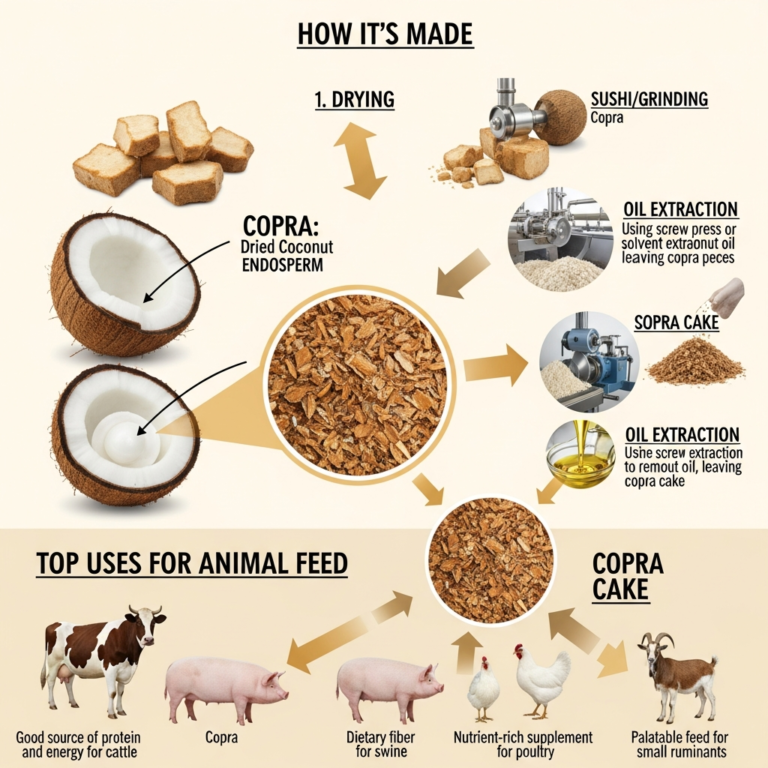
While PKE is a primary focus, similar GACC regulations apply to other feed ingredients. For instance, exporters of Copra Meal must undergo a comparable registration process to access the Chinese market, highlighting the comprehensive nature of these food safety laws.

Common Mistakes When Seeking GACC Approved PKE Status
The path to obtaining GACC Approved PKE registration is fraught with potential pitfalls. Based on our experience, exporters commonly stumble in a few key areas, leading to significant delays and added costs. Awareness of these mistakes is the first step toward avoiding them.
Mistake 1: Incomplete or Inaccurate Documentation
Even minor omissions or inconsistencies in your application can lead to immediate rejection. All documents must be perfectly aligned with GACC’s expectations. A common error is a mismatch between the company name on the business license and the application form.
Mistake 2: Poor Quality Chinese Translations
Key documents often require Chinese translation. Using automated or low-quality translation services can misrepresent critical technical information. This creates major red flags for GACC reviewers and shows a lack of professionalism.
Mistake 3: Failing the Facility Audit
Being unprepared for a video or on-site audit is a fatal error. Your facility must be clean, organized, and your staff must be trained to answer questions confidently and accurately. A simple thing like a pest control log being out of date can cause a failure.
Mistake 4: Misunderstanding Product Classification
Incorrectly classifying your PKE or not knowing the specific HS code and the standards it must meet (e.g., protein content, moisture levels) can invalidate your application. This is a technical detail that must be perfect.
Finding Reliable GACC Approved PKE Suppliers
For importers and distributors, the easiest way to ensure a smooth supply chain is to partner with a producer that has already navigated this complex process. A supplier with existing GACC approval has demonstrated their commitment to quality and regulatory compliance.
When vetting potential partners, always ask for their GACC registration number and verify it in the public database. The most straightforward method is to work directly with an established producer known for their quality. A reliable partner provides not just the product but also the assurance that comes with it, offering high-quality, GACC Approved Palm Kernel Expeller ready for the market. This proactive approach eliminates regulatory headaches for the buyer.
Moreover, a vertically integrated supplier often provides other certified commodities. For example, China’s growing bio-energy sector creates demand for sustainable fuels, and a trusted PKE supplier may also offer biomass products like Palm Kernel Shell or soil conditioners like Cocopeat that meet similarly strict import criteria.
Makmur Amanah Sejahtera provides high-quality palm products such as Palm Kernel Expeller, Palm Kernel Shell, Crude Palm Oil, Palm Kernel Oil, etc. Kindly contact us at WhatsApp +6282140002198 or email us at admin@makmuramanah.co.id.
Frequently Asked Questions (FAQ)
How long is a GACC registration for PKE valid?
A GACC registration for Palm Kernel Expeller is valid for five years. Exporters must apply for renewal at least three to six months before the expiration date to ensure there is no lapse in their approved status, which could disrupt shipments.
Can I export PKE to China without GACC approval?
No. It is impossible to legally export PKE to China without a valid GACC registration number. Any attempt to do so will result in the shipment being rejected at the port of entry, returned, or destroyed, all at the exporter’s expense.
What are the main quality requirements for PKE for China?
China has specific quality standards for imported PKE, focusing on nutrition and safety. Key parameters include minimum crude protein, maximum moisture, and limits on contaminants like aflatoxins. For a deeper look at industry expectations, publications like FeedNavigator often cover changes in China’s import policies.
How much does GACC registration cost?
The cost varies significantly. Direct costs include application fees, while indirect costs can include facility upgrades, documentation translation, and consultant fees. The total can range from a few thousand to tens of thousands of dollars depending on your facility’s readiness.

Your Partner for a Smooth Export Journey to China
Navigating the complexities of Chinese import regulations is a significant undertaking, but achieving GACC Approved PKE status is the definitive key to unlocking this massive and lucrative market. It is a rigorous process that demands precision, preparation, and an unwavering commitment to quality.
By understanding the steps, avoiding common mistakes, and leveraging expert knowledge, you can position your business for success. For an academic perspective on feed quality, data from the Journal of Animal Feed Science and Technology provides excellent benchmarks.
Ultimately, this guide serves as your roadmap. By following its principles and considering a partnership with an experienced supplier, you can ensure a smooth and profitable export journey. Remember, thorough preparation and continuous compliance are the cornerstones of a successful trade relationship with China, and it all begins with your GACC Approved PKE registration.
 English
  Indonesian
  Chinese
  Arabic