
What is Palm Kernel Expeller? The Ultimate Guide to Its Uses and Benefits
Palm Kernel Expeller stands as one of the most vital and cost-effective feed ingredients in the global livestock industry. As farmers and nutritionists continually seek sustainable, high-energy feed sources, understanding PKE is no longer optional—it’s essential for optimizing animal performance and farm profitability.
The challenge of securing consistent, affordable, and nutrient-rich animal feed is a persistent pressure point in modern agriculture. With commodity prices fluctuating and demand for animal protein rising, relying solely on traditional feeds like soybean meal and corn can be financially strenuous. This guide introduces Palm Kernel Expeller as a powerful solution, detailing its journey from a simple by-product to a cornerstone of livestock nutrition.
What Exactly is Palm Kernel Expeller (PKE)?
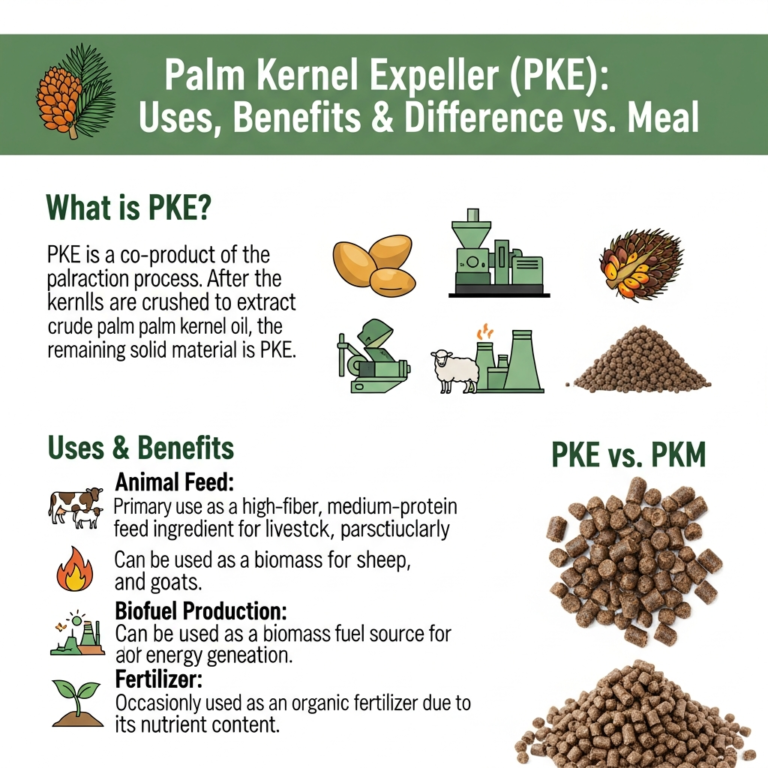
At its core, Palm Kernel Expeller (PKE) is a nutrient-rich by-product from the palm oil industry. It is derived from the kernel (the seed) of the palm fruit after the mechanical extraction of Palm Kernel Oil.
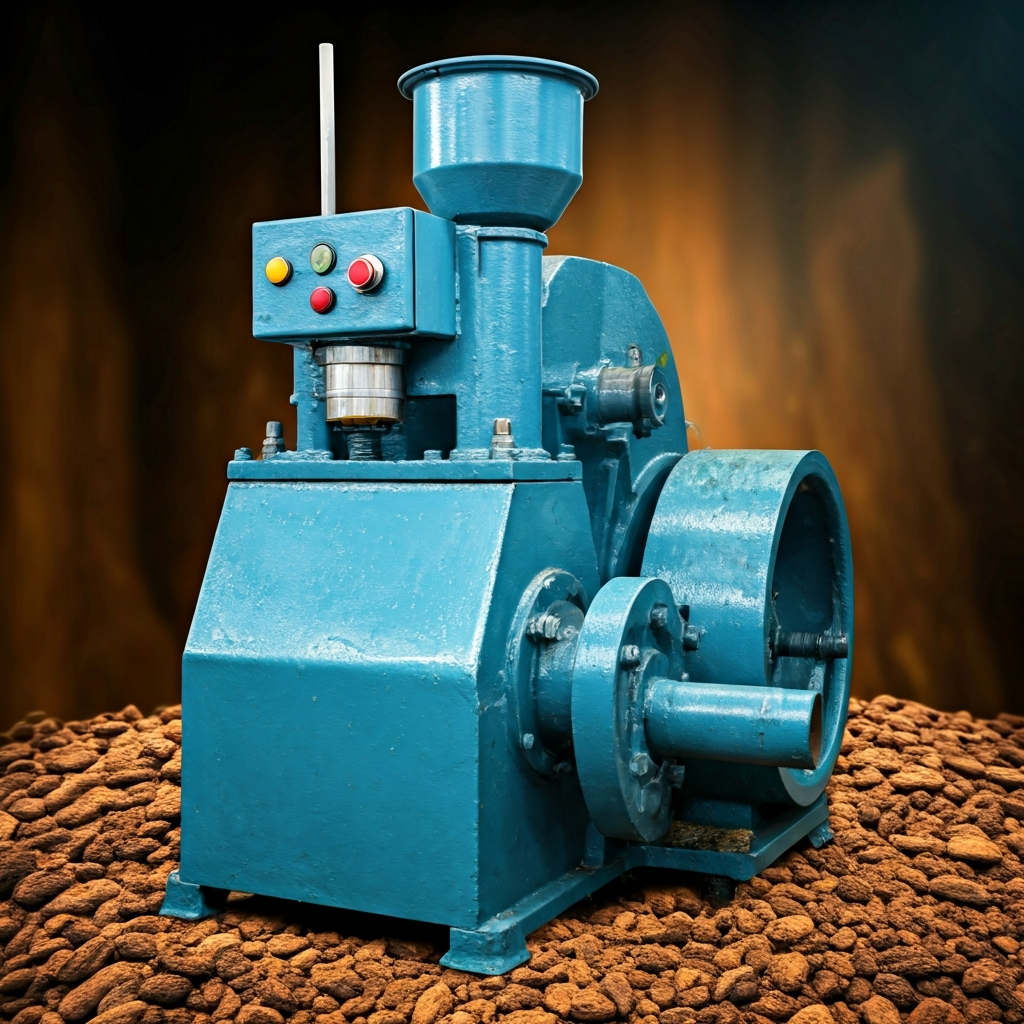
Once a screw press crushes the kernel to squeeze out the oil, the leftover fibrous material, or “cake,” is the Palm Kernel Expeller. This material is a highly fibrous and protein-rich ingredient, making it an excellent component in compound feed for livestock, particularly ruminants.
[Image: Close-up shot of raw, coarse Palm Kernel Expeller, showing its texture and color. | alt=”A pile of high-quality Palm Kernel Expeller for animal feed.” | title=”Palm Kernel Expeller Texture”]
From Palm Fruit to PKE: The Production Process
The journey to create PKE is a straightforward mechanical process that ensures no part of the palm kernel goes to waste. It begins after the palm fruit’s flesh is pressed to produce Crude Palm Oil, leaving the nut which contains the kernel.
- Kernel Crushing: The harvested palm kernels are cracked and then crushed to prepare them for oil extraction.
- Mechanical Pressing: A screw press applies immense mechanical pressure to the crushed kernels, squeezing out the valuable Palm Kernel Oil.
- Expeller Formation: The solid, fibrous residue left behind is the Palm Kernel Expeller. It emerges as a dense, coarse cake.
- Cooling and Storage: The freshly pressed PKE is cooled and stored in a dry, well-ventilated area, ready for integration into animal feed formulations.
Palm Kernel Expeller vs. Palm Kernel Meal
It’s crucial to distinguish between Palm Kernel Expeller and Palm Kernel Meal. While both originate from the same source, their processing method significantly alters their nutritional content.
PKE is a product of mechanical pressing, a process which leaves a higher residual oil content, typically 8-12%. This higher fat content provides more metabolic energy for animals. In contrast, Palm Kernel Meal undergoes solvent extraction (using a solvent like hexane) to maximize oil extraction. This results in a lower fat content (1-3%) and a less energy-dense feed ingredient.
The Core Benefits of Using Palm Kernel Expeller in Feed
The widespread adoption of PKE in livestock diets stems from a powerful combination of economic and nutritional advantages. It is far more than a simple filler; it is a functional ingredient that enhances animal health and farm productivity.
1. A Highly Cost-Effective Feed Source
Compared to mainstream ingredients like soybean meal or corn, PKE is often significantly more affordable. This price advantage allows feed manufacturers and farmers to lower production costs without compromising on essential nutrients. Its balance of moderate protein (14-18%) and high energy makes it a valuable dual-purpose ingredient.
2. Enhances Ruminant Health and Digestion
PKE’s high fiber content is particularly beneficial for ruminants like dairy and beef cattle. This fiber promotes healthy rumen function, stimulating chewing and saliva production, which acts as a natural buffer against acidosis. According to research from the Journal of Dairy Science, fibrous feedstuffs are essential for maintaining stable rumen pH and overall digestive wellness.
3. Improves Milk Production and Quality
The energy-dense nature of PKE, thanks to its high fat content, directly fuels the energy demands of lactation. When correctly incorporated into a balanced diet, it can improve milk fat percentage and overall milk yield. This makes it a favored ingredient for dairy farmers aiming to boost output efficiently. For high-energy needs, some farms also utilize Calcium Salts of Palm Oil Fatty Acids.
4. Sustainable and Environmentally Friendly
PKE represents a key part of the agricultural circular economy. By upcycling a by-product of the palm oil industry, it reduces waste and maximizes resource utilization. As noted by the Food and Agriculture Organization of the United Nations (FAO), efficient use of by-products is critical for sustainable food systems.
5. Promotes Natural Foraging Behavior
The fibrous, coarse texture of PKE encourages more natural chewing and rumination behaviors in cattle. This not only aids digestion but also contributes to animal welfare by satisfying their innate behavioral needs, leading to more contented and healthier herds.
Nutritional Profile of Palm Kernel Expeller
Understanding the specific nutritional makeup of PKE is key to formulating an effective and balanced feed ration. While values can vary based on processing and source, a typical profile provides a solid foundation for animal nutrition.
[Image: Infographic detailing the nutritional breakdown of Palm Kernel Expeller (Protein: 16%, Fiber: 15%, Fat: 10%, Ash: 4%, etc.). | alt=”Infographic showing the nutritional value of Palm Kernel Expeller.” | title=”Nutritional Breakdown of Palm Kernel Expeller”]
Palm Kernel Expeller vs. Other Common Feeds
To put its value into perspective, here is a comparison between PKE and other popular feed ingredients. This comparison, highlighted by industry publications like FeedNavigator, shows why PKE holds a unique position in the market.
| Nutrient | Palm Kernel Expeller | Soybean Meal | Copra Meal | Corn DDGS |
|---|---|---|---|---|
| Crude Protein | 14-18% | 44-48% | 20-22% | 25-30% |
| Crude Fiber | 14-18% | 5-7% | 10-12% | 8-10% |
| Crude Fat/Oil | 8-12% | 1-2% | 6-10% | 8-13% |
| Primary Use | Energy & Fiber (Ruminants) | High Protein (All Livestock) | Protein & Energy | Protein & Energy (Pigs/Poultry) |
While soybean meal offers higher protein, PKE provides a more balanced profile of protein, fiber, and energy, making it a versatile and often more economical choice, especially compared to alternatives like Copra Meal.
Practical Applications of Palm Kernel Expeller in Livestock Feed
While PKE is versatile, its unique composition makes it better suited for certain types of livestock. Its primary application remains in the ruminant sector, but it has found a place in other diets as well.
[Video: YouTube video showing a palm kernel expeller press in action | title=”Palm Kernel Expeller Mechanical Press”]
Ruminants: Dairy and Beef Cattle
This is where PKE truly shines. For cattle, it offers a trifecta of benefits with typical inclusion rates in Total Mixed Rations (TMR) ranging from 20% to 50% of the concentrate mix.
- High Digestible Fiber: Promotes rumen health and prevents metabolic issues like acidosis.
- Good Energy Source: Supports growth in beef cattle and sustained milk production in dairy cows.
- Palatability: When mixed into a TMR, its slightly sweet taste encourages consumption.
Poultry and Swine Considerations
Using PKE in monogastric diets (poultry and swine) requires careful formulation. The high fiber content, specifically non-starch polysaccharides (NSPs), can be difficult for these animals to digest. Therefore, inclusion rates are typically lower.
For best results, nutritionists often add exogenous enzymes to the feed to help break down the fiber and improve nutrient absorption. According to a study in the Journal of Poultry Science, enzyme supplementation can significantly improve the performance of birds fed PKE-based diets.
- Broilers: 5-10% inclusion rate.
- Layers: Up to 15% inclusion rate.
- Swine: 5-12% inclusion rate, depending on the growth stage.
Sourcing High-Quality Palm Kernel Expeller
The quality of PKE can vary significantly, so partnering with a reliable supplier is critical for success. Inconsistent quality can negatively impact animal health, performance, and your bottom line. A trustworthy, transparent supply chain is non-negotiable for feed millers and large-scale farms.
Key Quality Indicators to Check:
- Nutritional Specifications: Demand guarantees on protein, fat, and fiber levels.
- Low Shell Content: Excessive shell fragments reduce digestibility and nutritional value.
- Moisture Content: Should be below 12% to prevent mold growth and spoilage.
- Safety from Contaminants: Must be free from aflatoxins and other harmful mycotoxins.
- Consistent Availability: Ensure your supplier can meet your demands consistently.
Finding a reliable source is crucial, whether for Palm Kernel Expeller or other by-products like Palm Kernel Shell for bioenergy.
[Image: A healthy-looking dairy cow eating from a trough containing a mixed feed, visibly content. | alt=”Dairy cow benefiting from a diet including Palm Kernel Expeller.” | title=”PKE in Dairy Cow Rations”]
Makmur Amanah Sejahtera provides high-quality palm products such as Palm Kernel Expeller, Palm Kernel Shell, Crude Palm Oil, Palm Kernel Oil, etc. Kindly contact us at WhatsApp +6282140002198 or email us at admin@makmuramanah.co.id.
Frequently Asked Questions (FAQ)
How is palm kernel expeller made?
Palm Kernel Expeller is made through a mechanical process where palm kernels are crushed and pressed using a screw press. This action extracts the oil from the kernel, and the remaining solid, fibrous cake is the PKE. No chemicals or solvents are used in this process.
Is palm kernel expeller good for cattle?
Yes, it is excellent for cattle. Its high fiber content supports healthy rumen function, while its residual oil provides a great source of energy. It is widely used in diets for both dairy and beef cattle to improve health, milk fat, and growth rates cost-effectively.
What is the difference between palm kernel meal and expeller?
The main difference lies in the oil extraction method. Palm Kernel Expeller is produced via mechanical pressing, leaving 8-12% residual oil. Palm Kernel Meal is produced using solvent extraction, resulting in a much lower oil content (1-3%) and a different nutritional profile.
What is the protein content of palm kernel expeller?
The crude protein content of Palm Kernel Expeller typically ranges from 14% to 18%. While lower than high-protein sources like soybean meal, it provides a valuable and cost-effective protein contribution to a balanced feed ration, especially when combined with its energy content.
Can PKE be used in poultry feed?
Yes, but with limitations. Due to its high fiber, PKE is included at lower levels (typically 5-15%) in poultry diets. Often, feed formulators add enzymes to the mix to help the birds digest the fiber and access the nutrients more effectively.
Conclusion: The Future of Feed is Efficient and Sustainable
In the complex world of animal nutrition, Palm Kernel Expeller has carved out an indispensable role. It stands as a testament to the efficiency of the palm oil industry, converting a by-product into a high-value resource that supports global food security.
Its unique combination of protein, high fiber, and energy at a competitive price point makes it a powerful tool for farmers, nutritionists, and feed millers worldwide. As we move towards 2026 and beyond, the focus on sustainable and economical feed solutions will only intensify.
By understanding its benefits, applications, and quality parameters, you can leverage Palm Kernel Expeller to enhance livestock performance, support animal health, and improve your bottom line. Integrating high-quality PKE into your feeding strategy is a forward-thinking decision for any modern agricultural operation.
[Image: Diagram showing the mechanical pressing process of palm kernels to produce oil and PKE. | alt=”Diagram of the Palm Kernel Expeller production process.” | title=”PKE Production Process”]
 English
  Indonesian
  Chinese
  Arabic