
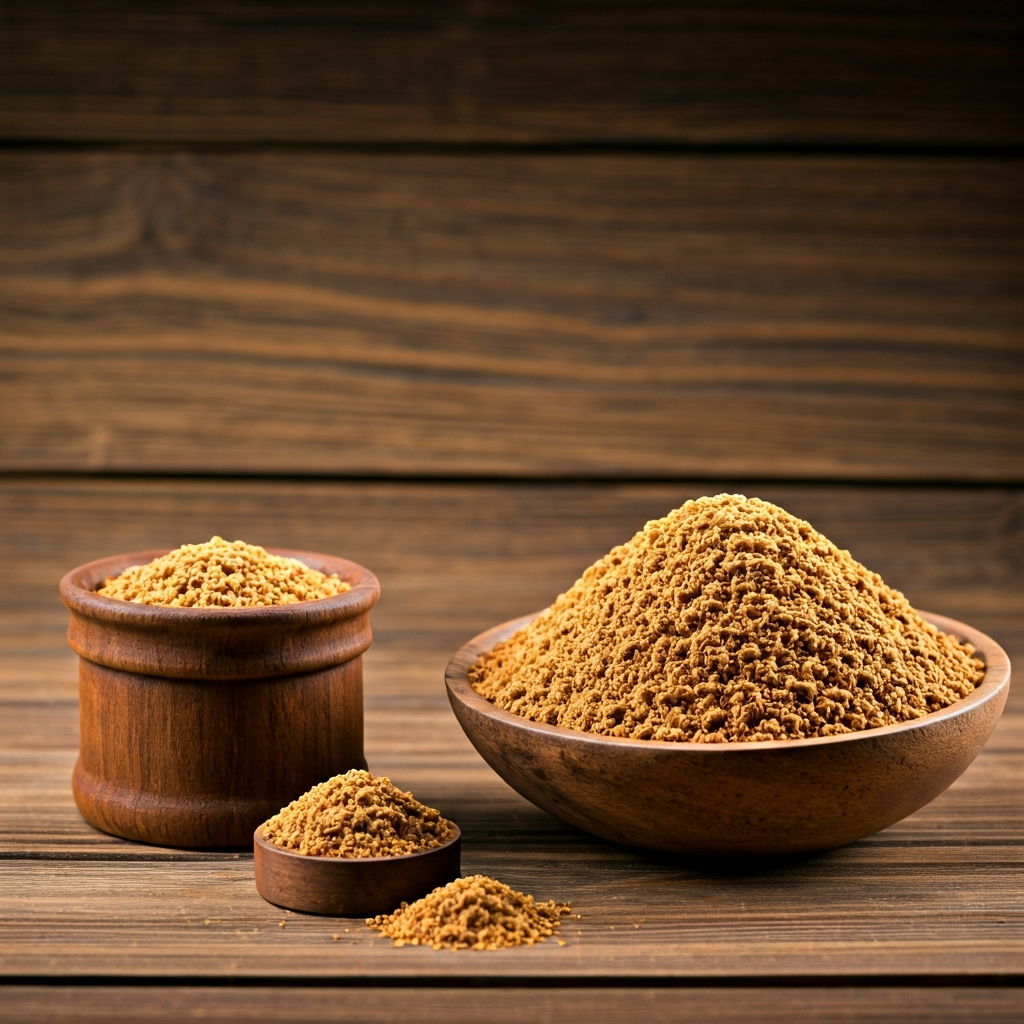
Copra Meal: The Ultimate Guide to Its Benefits, Uses, and Nutrition
The Copra Meal you feed your livestock is a critical investment in their health, productivity, and your bottom line. Sourced from the dried kernel of the coconut, this powerful feed ingredient is a cornerstone of animal nutrition. However, many farmers fail to unlock its full potential. This guide provides a comprehensive, expert-led exploration into maximizing its benefits.
As a key player in the global feed industry, the demand for sustainable and cost-effective protein sources is at an all-time high. A 2025 market analysis projects significant growth in the compound feed market, with ingredients like copra meal leading the charge. Its favorable nutritional profile and economic advantages make understanding this ingredient essential for competitive, modern farming.

What Exactly Is Copra Meal?
Copra Meal is a high-protein feed ingredient derived from the coconut palm (Cocos nucifera). After extracting valuable coconut oil from the dried kernel (copra), the remaining byproduct is known as copra cake. This material is then ground into a palatable and digestible meal, creating the valuable livestock feed supplement known as Copra Meal.
It serves as a vital source of protein, energy, and fiber, making it a popular choice for ruminant, swine, poultry, and equine diets. Unlike some vegetable protein sources, it has a unique fatty acid profile and a high bypass protein content, which is crucial for high-producing dairy cattle, as noted by the American Society of Animal Science.
How is Copra Meal Produced?
The journey from a fresh coconut to nutritious feed is a multi-step process that ensures both quality and safety. It begins with harvesting mature coconuts, which are then de-husked and split open.
- Drying the Kernel: The wet coconut meat is carefully dried to become ‘copra.’ This can be done through sun-drying, smoke-drying, or kiln-drying. The chosen method significantly impacts the final quality and nutritional value of the meal.
- Oil Extraction: The dried copra undergoes mechanical pressing (expeller pressing) to separate the coconut oil. For a well-rounded feed strategy, we recommend exploring other valuable byproducts like Palm Kernel Expeller.
- Grinding: Finally, the remaining solids (copra cake) are ground into a uniform, coarse meal. This final product is the Copra Meal ready for inclusion in animal feed formulations.
The Nutritional Profile of Copra Meal: A Deep Dive
Understanding the nutritional composition of Copra Meal is key to its effective use. While values can vary based on the oil extraction method and copra quality, it is consistently recognized for its rich protein and fiber. According to the Food and Agriculture Organization (FAO), it is a significant feed resource in many tropical countries.
Furthermore, it contains a favorable balance of essential amino acids, although it is typically lower in lysine and methionine compared to soybean meal. Therefore, nutritionists often use it in combination with other protein sources to create a complete and balanced diet. Sustainable agriculture also utilizes other byproducts, like Palm Kernel Shell, as a renewable energy source.
Nutritional Value Comparison Table
For a clearer perspective, here is how Copra Meal stacks up against other common feed ingredients. This data, sourced from industry analyses, underscores its position as a competitive and viable protein alternative.
| Nutrient | Copra Meal | Soybean Meal | Palm Kernel Expeller |
|---|---|---|---|
| Crude Protein (%) | 20-22 | 44-48 | 15-18 |
| Crude Fiber (%) | 10-12 | 5-7 | 16-18 |
| Crude Fat (%) | 6-10 | 1-2 | 8-10 |
| Metabolizable Energy (MJ/kg) | 10-11 | 12-13 | 8-9 |

Top 7 Benefits of Using Copra Meal in Animal Feed
Integrating Copra Meal into feed rations offers a multitude of advantages that go beyond simple nutrition. These benefits contribute directly to animal health, performance, and overall farm profitability.
- High Bypass Protein: A significant portion of its protein resists digestion in the rumen, passing to the lower gut for more efficient absorption. This is especially beneficial for milk production in dairy cows, as confirmed by animal science research.
- Cost-Effective Protein Source: It is often more economically priced than soybean meal or fish meal, allowing for a significant reduction in feed costs without compromising quality.
- Improves Gut Health: The high fiber content promotes healthy gut motility. Additionally, the presence of mannan-oligosaccharides (MOS) can help bind to pathogens, reducing the risk of gastrointestinal diseases.
- Enhances Feed Palatability: Its pleasant, sweet aroma makes feed more attractive to animals. This can improve overall feed intake, particularly in picky eaters or young stock.
- Boosts Energy Levels: The residual coconut oil provides a dense source of energy. These medium-chain fatty acids (MCFAs) are readily digestible and give a quick source of fuel.
- Improves Coat Condition: The unique oil profile contributes to a glossier, healthier coat in horses, cattle, and other livestock—a visible indicator of good health.
- Sustainable and Natural: As a byproduct of the coconut industry, it is a sustainable ingredient that reduces waste. Using it supports a circular economy and more environmentally friendly farming. Consider pairing it with other coconut products like Cocopeat for a holistic approach.
Practical Applications: Which Livestock Thrive on Copra Meal?
The versatility of Copra Meal makes it suitable for a wide range of animals. However, a nutritionist must carefully manage inclusion rates to align with the specific dietary needs of each species and age group.

Ruminants (Cattle, Goats, Sheep)
In ruminants, Copra Meal is prized for its bypass protein. For dairy cattle, this translates directly to higher milk yields and milk fat content. For beef cattle, it supports efficient weight gain and muscle development. Inclusion rates typically range from 15-30% of the concentrate mix.
Swine
For pigs, it is an excellent source of fiber and energy. While its high fiber can limit inclusion for young piglets, it is highly effective in grower-finisher and sow diets. It promotes satiety and gut health, leading to calmer, healthier animals. Combining it with products like Calcium Salts of Palm Oil Fatty Acids can further optimize fat digestion.
Poultry (Broilers and Layers)
In poultry diets, Copra Meal can replace a portion of soybean meal. Research published in leading industry publications like FeedNavigator shows that moderate inclusion (5-10%) can support growth performance in broilers and egg quality in layers. Proper enzyme supplementation is key to maximizing its digestibility in birds.
Equine
For horses, it is a fantastic “cool” energy source. Being low in sugar and starch, it’s excellent for weight gain without the hyperactivity associated with high-grain diets. The oil content also promotes a fantastic coat shine, making it popular in the performance horse industry.
Watch: How Byproduct Feeds Like Copra Meal Are Processed
(Suggestion: Embed a relevant video explaining feed production or ruminant nutrition.)
Risks and Considerations When Using Copra Meal
While highly beneficial, there are important factors to consider for safe and effective use. Awareness of these points ensures you get the benefits without the drawbacks.
- Mycotoxin Contamination: Poorly dried or stored copra is susceptible to mold, which can produce harmful mycotoxins like aflatoxin. Always source from a reputable supplier who can provide a certificate of analysis.
- Amino Acid Imbalance: As mentioned, Copra Meal is lower in lysine and methionine than soybean meal. It cannot be the sole protein source; it must be part of a balanced ration formulated by a nutritionist.
- Rancidity: The residual oil content, while beneficial, can go rancid if the meal is stored improperly or for too long. This reduces palatability and nutritional value.
Sourcing the Best Quality Copra Meal
Not all copra is created equal. Quality can be affected by mold, improper drying, or inconsistent grinding. When sourcing, it is crucial to perform a quality check to ensure you’re getting a premium product.
Key Quality Indicators to Check
- Color and Aroma: Look for a light, golden-brown color and a fresh, sweet coconut smell. Avoid any product that appears dark, clumpy, or has a musty odor.
- Texture: High-quality meal should be granular and free-flowing. Clumps can indicate excess moisture or improper storage.
- Supplier Reputation: Purchase from a trusted supplier who provides consistent quality and can offer documentation regarding mycotoxin testing and nutritional analysis.
Makmur Amanah Sejahtera provides high-quality palm products such as Palm Kernel Expeller, Palm Kernel Shell, Crude Palm Oil, Palm Kernel Oil, etc. Kindly contact us at WhatsApp +6282140002198 or email us at admin@makmuramanah.co.id.

Frequently Asked Questions about Copra Meal
1. What is the main difference between Copra Meal and Palm Kernel Expeller?
While both are oil extraction byproducts, Copra Meal comes from coconuts and has higher protein (20-22%) and energy. Palm Kernel Expeller comes from palm fruit seeds and is more fibrous, with a protein content of around 15-18%.
2. Is Copra Meal safe for all horses?
Yes, it is very safe and beneficial for most horses as a “cool” energy source. It is low in sugar and starch, making it great for weight gain without the fizz of high-grain diets. It also promotes a fantastic coat shine due to its oil content.
3. Can it completely replace soybean meal in a diet?
Not completely. It is lower in the essential amino acids lysine and methionine than soybean meal. For optimal performance, it should be used to replace a portion of soybean meal, creating a more balanced and cost-effective amino acid profile in the final ration.
4. How should I store Copra Meal?
Store it in a cool, dry place away from direct sunlight and moisture to prevent mold and rancidity. Keep it in a well-ventilated area, preferably on a pallet, and ensure the storage area is protected from rodents. Use within a few months of purchase.
5. What are signs of poor-quality Copra Meal?
Poor quality meal is often dark brown or black, feels clumpy or damp, and has a sour or musty smell. These are clear signs of mold contamination or rancidity. High-quality meal should be golden-brown, granular, and have a pleasant coconut aroma.
Conclusion: The Smart Choice for Modern Animal Nutrition in 2026
In conclusion, Copra Meal stands out as a premier feed ingredient for 2026 and beyond. Its unique combination of bypass protein, digestible energy, and functional fiber makes it an invaluable tool for improving animal performance while managing feed costs effectively. From dairy cows to poultry, its benefits are tangible and scientifically supported.
By understanding its nutritional profile, sourcing high-quality products, and being aware of its application nuances, you can leverage this coconut byproduct to its full potential. Incorporating a trusted source of Copra Meal is not just a feeding strategy; it is a smart, sustainable, and profitable decision. This choice positions any modern agricultural operation for peak efficiency, superior animal health, and a stronger bottom line.
 English
  Indonesian
  Chinese
  Arabic