
Palm Kernel Meal for Animal Feed: The Best 2026 Guide
Palm kernel expeller for animal feed has become the most sought-after alternative feed solution for smart livestock farmers in Indonesia. Amid the challenges of soaring conventional feed prices, finding an economical yet high-quality nutritional source is the key to success. This article is your most comprehensive guide to mastering the use of palm kernel meal, from nutritional content to the best application strategies in 2026.
The high cost of imported corn and soybeans often leaves farmers feeling overwhelmed. According to data from the Indonesian Feed Mill Association (GPMT), approximately 80% of feed raw materials are still imported, making this industry vulnerable to exchange rate fluctuations and global prices. This situation compels farmers to seek more stable and affordable local feed innovations.
This is where palm kernel cake (BIS) or Palm Kernel Meal (PKM) comes into play. As a byproduct of Indonesia's abundant palm oil industry, its availability is guaranteed throughout the year. With proper understanding, this ingredient is no longer merely a "byproduct" feed, but a primary component capable of boosting the profitability of your livestock business.
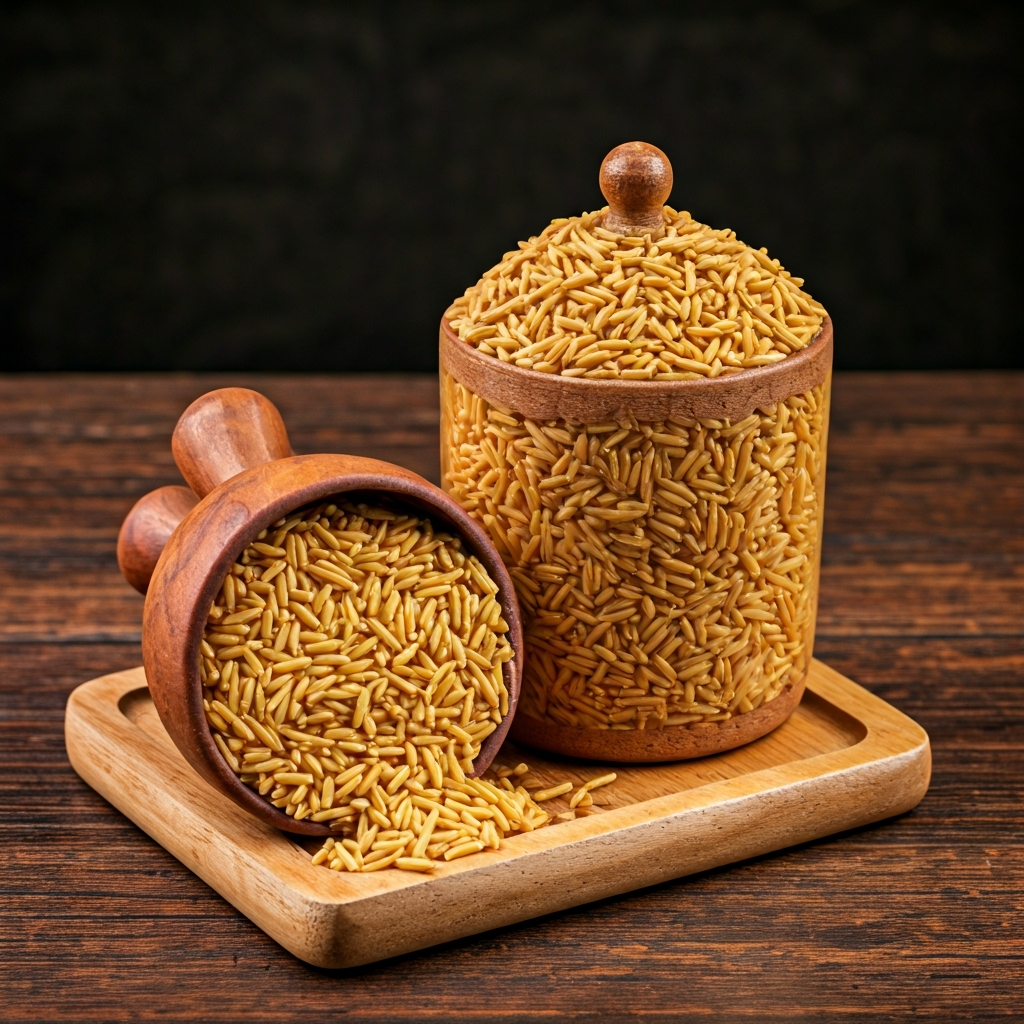
[Image: Close-up shot of high-quality, granular palm kernel meal, showing its texture and color. | alt=”Close-up view of premium quality palm kernel meal for animal feed.” | title=”Dry Palm Kernel Meal Texture”]
What Exactly Is Palm Kernel Expeller?
Palm kernel meal is the product obtained after oil is extracted from the kernel (seed) of the oil palm fruit. This process leaves behind a solid residue rich in protein, fiber, and energy, making it a highly promising candidate for animal feed. It is important not to confuse palm kernel meal with other byproducts such as palm sludge or palm fiber, which have different nutritional values.
Here is a clear and concise definition for your quick reference: Palm kernel meal is an animal feed derived from the processing of palm kernels after the oil has been extracted, containing approximately 14-18% crude protein and high crude fiber, serving as an economical source of energy and protein for various types of livestock.
Production Processes That Determine Quality
The quality of palm kernel meal heavily depends on the oil extraction method. There are two primary methods:
- Mechanical Extraction (Expeller Press): This method uses mechanical pressure to extract the oil. The resulting meal (Palm Kernel Expeller) usually retains residual oil of about 8-12%, making it richer in energy.
- Solvent Extraction: Uses chemical solvents to extract nearly all the oil. The resulting meal (Palm Kernel Meal) has a lower oil content (around 1-3%) but slightly higher protein.
Differences Between Palm Kernel Expeller and Other By-Products
It is crucial for farmers to recognize the differences among various oil palm byproducts. While palm kernel meal originates from the kernel, products like Palm Kernel Shell or palm kernel shells are more suitable for use as bioenergy fuel due to their very high lignocellulose content and low nutritional value for feed.
Complete Nutritional Profile of Palm Kernel Meal for Animal Feed
Understanding the nutritional profile is key to utilizing palm kernel expeller for animal feed effectively. Although it can vary depending on the processing method and raw material quality, here is the average nutritional content:
- Crude Protein: 14% – 18%
- Crude Fiber: 16% – 22%
- Crude Fat: 8% – 12% (for expeller type)
- Metabolizable Energy: 1,700 – 2,200 kcal/kg (for poultry) & 2,500 – 2,900 kcal/kg (for ruminants)
- Minerals: Rich in Phosphorus, Potassium, and Magnesium.
The main drawback is a lower content of essential amino acids (such as lysine and methionine) and high crude fiber. However, as we will discuss, this can be addressed through proper feed formulation and further processing technologies.
Feed Nutritional Comparison Table
To provide a clearer picture, let us compare palm kernel meal with other popular feed ingredients. This table shows why the use of palm kernel expeller for animal feed becomes an attractive alternative in terms of cost and several nutritional components.
| Nutrient | Palm Kernel Expeller | Soybean Meal | Milled Corn |
|---|---|---|---|
| Crude Protein (%) | 15 – 17 | 44 – 48 | 8 – 9 |
| Crude Fiber (%) | 18 – 22 | 5 – 7 | 2 – 3 |
| Energy (kcal/kg) | ~2700 (ruminant) | ~3000 (ruminant) | ~3300 (ruminant) |
| Price Estimation | Low | High | Medium |
[Image: Infographic comparing nutritional content (protein, fiber, energy) and price of Palm Kernel Meal vs. Soybean Meal vs. Corn. | alt=”Infographic comparing the nutritional content of palm kernel meal for animal feed.” | title=”Nutritional Comparison of Animal Feed Ingredients”]
7 Key Benefits of Using Palm Kernel Expeller for Animal Feed
Integrating palm kernel meal into feed rations offers significant benefits that go beyond mere cost savings. Here are the 7 key benefits of using palm kernel expeller for animal feed that you must know.
- Drastically Lowering Feed Costs: This is the most obvious benefit. With prices often less than half the cost of soybean meal, partial substitution can significantly reduce the overall operating costs of livestock farming.
- Good Source of "Slow-Release" Energy: The high fiber and residual fat content provides a slow-release energy source, which is ideal for ruminants such as cattle and goats to sustain productivity.
- Improving Ruminant Digestive Health: The crude fiber in palm kernel meal acts as a "broom" in the rumen, stimulating cud-chewing activity (rumination) and maintaining a healthy rumen pH, thereby reducing the risk of acidosis.
- Abundant Local Availability: As the world's largest palm oil producing country, the supply of palm kernel meal in Indonesia is very stable, reducing reliance on volatile imported feeds. A reliable source for high-quality Palm Kernel Expeller is readily available.
- Increasing Milk Fat Content: In dairy cattle, the use of palm kernel meal within certain limits has been shown to increase the percentage of milk fat. For further optimization, farmers can also look into supplements such as Calcium Salts of Palm Oil Fatty Acids.
- A More Sustainable Feed: Utilizing palm industry by-products is part of circular economy practices. This aligns with sustainable agriculture principles supported by various institutions, including Food and Agriculture Organization (FAO).
- Supports Gizzard Development in Poultry: The somewhat coarse texture of palm kernel meal can help gizzard development in chickens and reduce feather pecking behavior, although its use must be limited.
Challenges and Solutions: How to Improve Palm Kernel Meal Quality
Despite being economical, the primary challenge of palm kernel expeller for animal feed is the high crude fiber content and deficiencies in certain amino acids. However, modern farmers need not worry. There are several processing technologies proven effective to overcome these limitations and enhance its nutritional value.
Fermentation Methods for Better Feed (Fermentation)
Fermentation using probiotic microorganisms (such as yeast or lactic acid bacteria) is the most popular and effective method. This process works by breaking down complex crude fiber into simpler compounds that are easier for livestock to digest. The main benefits include increased crude protein, reduced crude fiber, and an improved feed aroma preferred by livestock.
The Role of Enzyme and Amino Acid Supplements
For large-scale farming or precise formulations, adding supplements is the solution. Enzymes such as cellulase and xylanase can be added directly to the feed mix to help break down fiber cell walls. In addition, supplementing with essential amino acids such as L-Lysine and DL-Methionine directly covers the deficiencies in palm kernel expeller for animal feed, ensuring livestock performance remains optimal.
Guidelines for Using Palm Kernel Meal Across Various Livestock Types
Although beneficial, palm kernel expeller for animal feed is not a "one-size-fits-all" feed. Dosage and feeding methods must be tailored to the type of livestock for optimal results and to prevent negative effects.
[Video: A YouTube video showing a farmer mixing palm kernel meal into cattle feed, with testimonials on cost savings. | alt=”Video guide on mixing palm kernel meal for cattle feed.” | title=”Practical Video on Using Palm Kernel Meal”]
Palm Kernel Meal Dosage for Cattle Feed
Cattle, both beef and dairy, are the primary target for using palm kernel expeller for animal feed. Their ruminant digestive system is highly efficient at digesting fiber.
- Beef Cattle: Can be fed up to 30-50% of the total concentrate. This helps significantly reduce rearing costs without sacrificing growth.
- Dairy Cattle: Recommended at a level of 15-25% of the concentrate. Excessive use may slightly reduce total feed intake due to its bulky.
Usage in Poultry (Chickens and Ducks)
This is a more challenging area. The main challenge of using palm kernel expeller for animal feed poultry is their simple digestive system, which struggles to process crude fiber.
- Broiler Chickens: Maximum 5-7% in the ration. According to studies from IOP Conference Series, levels above 10% can inhibit growth.
- Laying Hens (Layers): Can be up to 10-12%. However, it must be balanced with enzyme supplements (such as cellulase) and amino acids to ensure egg production is not compromised.
Research from the Scientific Journal of IPB University (Bogor Agricultural University) frequently discusses innovations to enhance the digestibility of this feed in poultry.
Application for Goats and Sheep
Similar to cattle, goats and sheep can tolerate palm kernel meal well. A dosage of 20-40% in the concentrate mix is a safe and effective level for fattening, making palm kernel expeller for animal feed this an economical choice.
[Image: Healthy cows and goats eating from a trough filled with a mixed feed that includes palm kernel meal. | alt=”Various livestock consuming mixed feed containing palm kernel meal.” | title=”Application of Palm Kernel Meal in Ruminant Livestock”]
Makmur Amanah Sejahtera supplying high-quality palm products such as Palm Kernel Expeller, Palm Kernel Shell, Crude Palm Oil, Palm Kernel Oil, and more. For guaranteed supply and superior quality, please contact us via WhatsApp +6282140002198 or send an email to admin@makmuramanah.co.id.
Frequently Asked Questions (FAQ)
Here are answers to some of the most frequently asked questions about palm kernel expeller for animal feed.
1. Is palm kernel meal safe for all livestock?
It is generally safe, but not optimal for all animals. Highly recommended for ruminants (cattle, buffaloes, goats). For non-ruminants such as poultry and swine, its use should be limited (typically below 12%) due to its high crude fiber content, which is difficult for them to digest without special treatment.
2. What is the ideal percentage of palm kernel meal in feed rations?
The ideal percentage varies significantly: up to 50% of concentrate for beef cattle, around 20-25% for dairy cattle, and below 12% for laying hens. It is highly recommended to consult a livestock nutritionist for the most precise formulation tailored to your farm's specific needs.
3. How should palm kernel meal be stored to prevent spoilage?
Store it in a dry, cool, and non-humid area to prevent the growth of toxic mold (aflatoxins). Use wooden pallets to avoid direct contact with the floor. Ensure good air circulation in your feed warehouse to preserve its quality longer.
4. What is the difference between palm kernel meal and copra meal?
Both are by-products of oil extraction. Palm kernel meal comes from palm kernels, while Copra Meal (copra meal) comes from dried coconut meat. Copra meal generally has slightly higher protein and an aroma preferred by livestock, but tends to come at a higher price.
Conclusion: The Future of Efficient Animal Feed
In conclusion, there is no doubt that palm kernel expeller for animal feed is no longer just an alternative, but a strategic necessity for farmers seeking to remain competitive and profitable in 2026 and beyond. With significant cost advantages, abundant availability, and a solid nutritional profile (especially for ruminants), palm kernel meal offers a tangible solution.
The key to success lies in a deep understanding of its characteristics—both its advantages and its limitations. By applying appropriate dosages, monitoring quality, and adopting processing technologies such as fermentation or enzyme supplementation, you can maximize the potential of palm kernel expeller for animal feed. Integrating this feed is a smart step toward more self-sufficient, efficient, and sustainable farming.
[Image: A farmer smiling confidently while inspecting a bag of palm kernel meal. | alt=”Successful farmer using palm kernel meal for animal feed.” | title=”Farmer Success with Efficient Feed”]



