
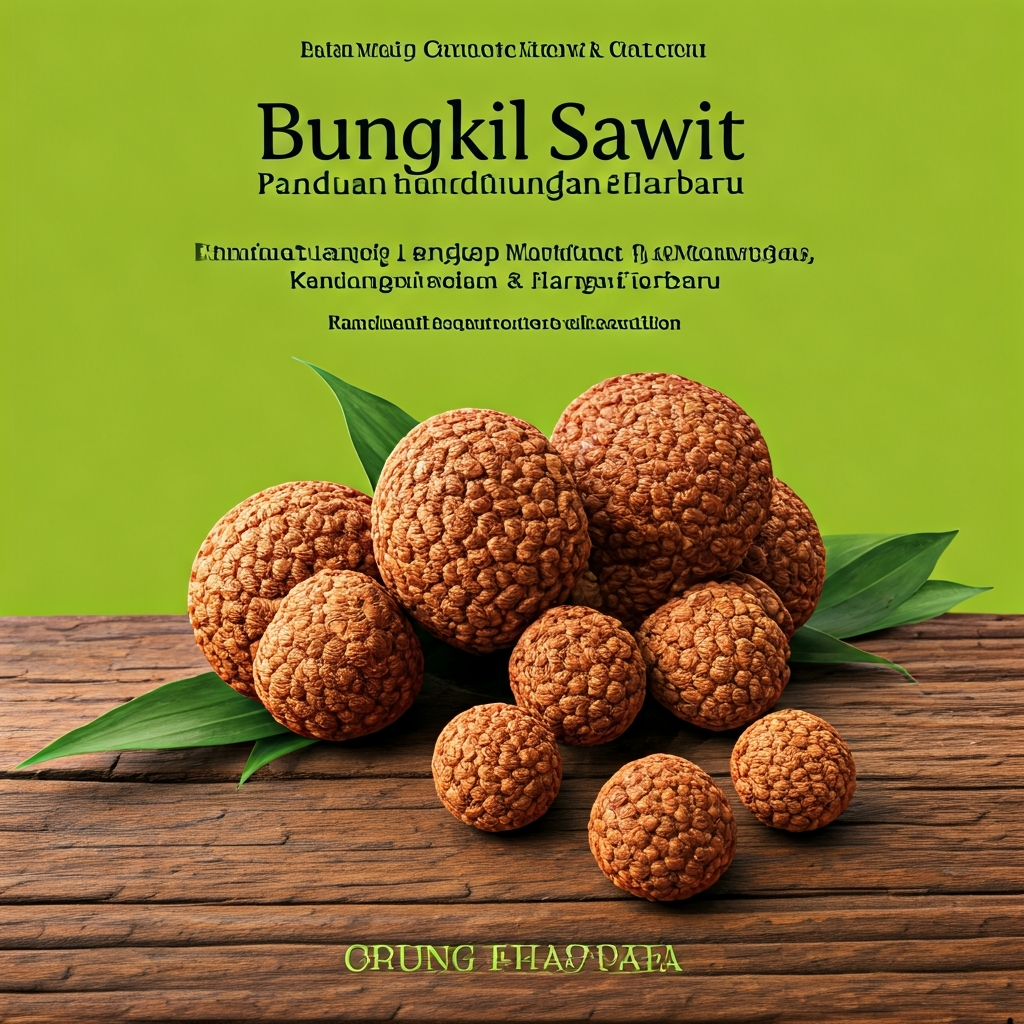
Palm Kernel Expeller: Complete Guide to Benefits, Nutritional Content, & Latest 2026 Prices
Are you looking for ways to reduce livestock feed costs without sacrificing nutrition? Palm kernel expeller could be the answer you have been searching for. Amid fluctuating feed raw material prices, finding an economical and nutritious alternative is key to livestock farming profitability.
The livestock industry in Indonesia continues to face the challenge of feed costs, which consume up to 70% of total production costs. Many farmers rely on conventional ingredients such as corn or rice bran, whose prices are often unstable.
This article presents the most comprehensive guide to palm kernel expeller as an efficient, effective, and sustainable livestock feed solution for 2026.
What Exactly Is Palm Kernel Expeller?
Palm kernel expeller, internationally known as Palm Kernel Expeller (PKE), is a by-product of the oil extraction process from palm fruit kernels.
After the palm kernel oil is extracted, the remaining solid residue is what is called palm kernel expeller. This product is one of the most vital livestock feed components in the world.
Unlike empty waste such as shells, this expeller meal is very rich in nutrients. The production process ensures that beneficial protein, fiber, and residual oil content remain intact, making it a highly valuable feed ingredient rather than mere production waste.

Difference Between Expeller Palm Kernel vs. Solvent Extraction
There are two main methods in the production of PKE that produce products with slightly different characteristics. The first method is the mechanical process (expeller press), which produces meal with a higher residual oil content (around 8-12%).
The second method is solvent extraction, which produces meal with very low residual oil (around 1-3%) but slightly higher protein. Both have their respective advantages depending on specific feed formulation requirements.
Complete Nutritional Content of Palm Kernel Meal
The main advantage of palm kernel meal lies in its balanced and dense nutritional profile. This composition makes it an ideal choice to supplement or even partially replace other, more expensive feed ingredients.
It is essential to source the product from a reliable supplier to ensure its quality. Below is the average proximate nutritional analysis of quality PKE, based on data from various studies, including research at Indonesian Oil Palm Research Institute:
- Crude Protein: 14% – 18%
- Crude Fiber: 16% – 20%
- Crude Fat: 8% – 12%
- Metabolizable Energy: 1,700 – 2,200 kcal/kg (for poultry)
- Calcium: 0.2% – 0.4%
- Phosphorus: 0.5% – 0.7%
The high crude fiber content is highly beneficial for the digestive health of ruminants such as cattle and goats, while its protein and energy support efficient body weight gain.
7 Key Benefits of Palm Kernel Meal for Animal Feed
Integrating palm kernel meal into feed rations provides various strategic benefits for livestock farmers. Here are the seven main benefits proven both scientifically and in the field.
- Cost-Effective Source of Protein & Energy: Compared to soybean meal or other imported ingredients, the price of palm kernel meal is far more competitive without sacrificing essential energy and protein values.
- Improves Digestive Health: The high fiber content helps maintain rumen function in cattle and gut health in other livestock, preventing digestive issues.
- Improves Body Weight Gain: The combination of energy from residual fat and quality protein has proven effective in increasing Average Daily Gain (ADG) in beef cattle.
- Abundant and Sustainable Availability: As the largest palm oil producing country, Indonesia has a stable supply of Palm Kernel Expeller year-round, supported by an industry regulated by organizations such as GAPKI.
- Alternative Substitute for Corn and Rice Bran: It can be used to partially substitute the use of corn and bran, providing flexibility in feed formulation when other commodity prices surge.
- Enhances Livestock Product Quality: Studies from Food and Agriculture Organization (FAO) show that the use of PKE can improve milk quality, especially its fat content.
- Supporting the Circular Economy: Utilizing by-products of the palm oil industry means reducing waste and creating added value—a sustainable circular economy practice.

Comparison of Palm Kernel Meal with Other Alternative Feeds
To provide a clearer picture, let us compare the nutritional profile and estimated price of palm kernel expeller with several alternative feed ingredients commonly used in Indonesia. This will help you make a more informed decision.
| Feed Ingredients | Crude Protein (%) | Crude Fiber (%) | Price Estimation |
|---|---|---|---|
| Palm Kernel Expeller | 14 – 18 | 16 – 20 | Low – Medium |
| Soybean Meal | 44 – 48 | 5 – 7 | Very High |
| Rice Bran | 10 – 13 | 10 – 14 | Low |
| Copra Meal | 20 – 22 | 10 – 12 | Medium |
Palm Kernel Expeller Usage Guide for Various Livestock Types
Although highly beneficial, the use of palm kernel expeller must be tailored to the livestock species and its growth phase. Proper formulation is key to achieving optimal results and avoiding potential issues.
Palm Kernel Expeller Usage in Cattle Feed (Beef & Dairy)
For cattle, palm kernel expeller is a near-perfect feed ingredient. Beef cattle can be fed up to 50% of the total concentrate. For dairy cattle, a level of 15-25% is recommended to balance milk production and maintain rumen health. Its use can also be combined with supplements such as Calcium Salts of Palm Oil Fatty Acids to increase milk fat content.

Usage in Poultry Feed (Chickens & Ducks)
High fiber content is the main limitation for poultry. For broilers, the recommended maximum inclusion is 10-15%. For laying hens, it can be slightly higher, around 15-20%. Adding enzymes can help improve digestibility.
Limitations and Methods to Overcome Anti-Nutritional Factors
The main limiting factor is the high crude fiber content, especially NDF (Neutral Detergent Fiber), which is difficult for poultry to digest. The solution is fermentation or the addition of enzyme supplements (such as cellulase and xylanase) to break down complex fibers into simpler sugars. We will discuss this further.
Palm Kernel Expeller Fermentation Process for Maximum Nutrition
One of the most effective ways to improve the quality of palm kernel expeller, especially for non-ruminants such as poultry and fish, is through fermentation. Fermentation helps break down hard-to-digest crude fiber and bind anti-nutritional factors.
This process uses microorganisms (such as yeast or beneficial bacteria) to alter the chemical composition of the meal, making it easier for livestock to absorb.
[VIDEO: Palm Kernel Expeller Fermentation Process for Animal Feed]
Key Benefits of Palm Kernel Expeller Fermentation
- Reduces Crude Fiber: Microbes break down cellulose and hemicellulose, reducing crude fiber levels by up to 30-50%.
- Increases Digestible Protein: The fermentation process increases the availability of essential amino acids.
- Reducing Anti-Nutritional Factors: Fermentation can deactivate substances that inhibit nutrient absorption.
- Improving Palatability: The aroma produced by fermentation is often preferred by livestock, thereby increasing appetite.
Palm Kernel Expeller Fermentation Steps (Simple Method)
Here is a basic guide for small-scale fermentation:
- Material Preparation: Prepare palm kernel expeller, probiotics or yeast as a starter, and enough water.
- Mixing: Dissolve the starter in water, then mix it evenly with the palm kernel expeller until the mixture is moist but not soaking wet (moisture content around 60%).
- Anaerobic Incubation: Place the mixture into an airtight container (plastic drum or thick bag). Compact it to remove air.
- Storage: Seal the container tightly and store it in a cool, shaded place for 7-14 days.
- Harvesting: Once completed, the fermented palm kernel expeller will have a pleasant, fermented aroma like tape. Air it out before feeding it to livestock.
With fermentation, you can increase the inclusion rate of palm kernel expeller in poultry rations up to 25-30% without negative effects.
Latest Palm Kernel Meal Price Analysis (2026 Update)
Understanding palm kernel expeller price dynamics is important for purchasing planning. Prices are not static and are influenced by various domestic and international factors. As a smart farmer, you need to know these factors.
Factors Influencing Price Fluctuations
The price of PKE is strongly influenced by the price of crude palm oil (CPO), export demand, logistics costs, and the availability of substitute feed ingredients. In addition, seasonality and government policies, such as those regulated by Ministry of Agriculture, also play an important role in price stability.
Tips for Getting the Best Palm Kernel Expeller Prices
To get the best offers, consider purchasing in bulk to reduce logistics costs. Establish good relationships with reliable suppliers who can guarantee quality and continuity of supply. Sometimes, purchasing other derivative products such as Palm Kernel Shell from the same supplier can provide pricing advantages.
Makmur Amanah Sejahtera provides high-quality palm products such as Palm Kernel Expeller, Palm Kernel Shell, Crude Palm Oil, Palm Kernel Oil, and others.
Please contact us via WhatsApp +6282140002198 or email to admin@makmuramanah.co.id.
Frequently Asked Questions (FAQ)
What is the difference between palm kernel meal and palm kernel shells?
Palm kernel meal is the residue of palm kernels after oil extraction, rich in protein and energy for animal feed. Meanwhile, palm kernel shells are the hard outer layer of palm seeds, generally used as biomass fuel due to their high calorific value, not for feed.
What is the maximum percentage of palm kernel meal usage in feed rations?
The maximum limit varies. For cattle, it can be up to 50% of the concentrate. For poultry, the safe limit without fermentation is 10-20%. With fermentation, it can be increased to 25-30% depending on the growth phase and livestock species.
Is palm kernel meal safe for all livestock?
Generally it is safe, but the formulation must be accurate. The copper (Cu) content in some PKE can be a concern for sensitive sheep. Always consult with an animal nutritionist for a safe and effective formulation.
How to store palm kernel expeller so it doesn't get moldy?
Store in a dry, cool, and well-ventilated place. Avoid direct sunlight and use pallets to prevent contact with damp floors. Ensure the meal is dry when stored to prevent mold growth.
Where can I buy quality palm kernel meal?
You can purchase palm kernel expeller quality products from trusted suppliers. Companies like Makmur Amanah Sejahtera provide PKE with guaranteed quality standards for your livestock needs, both in regular and processed forms.
Conclusion: Maximize Profit with Palm Kernel Meal
Palm kernel meal is no longer just a byproduct, but a strategic solution for feed efficiency in the modern livestock industry. With rich nutritional content, competitive pricing, and abundant availability, PKE offers a way out from high conventional feed costs.
By understanding the benefits, nutritional content, limitations, and price dynamics, you can make smarter decisions for your business. Through techniques such as fermentation, the utility value of palm kernel meal can be further optimized. With this comprehensive guide, you are ready to utilize palm kernel expeller to the fullest for your livestock farming success in 2026 and beyond.




