
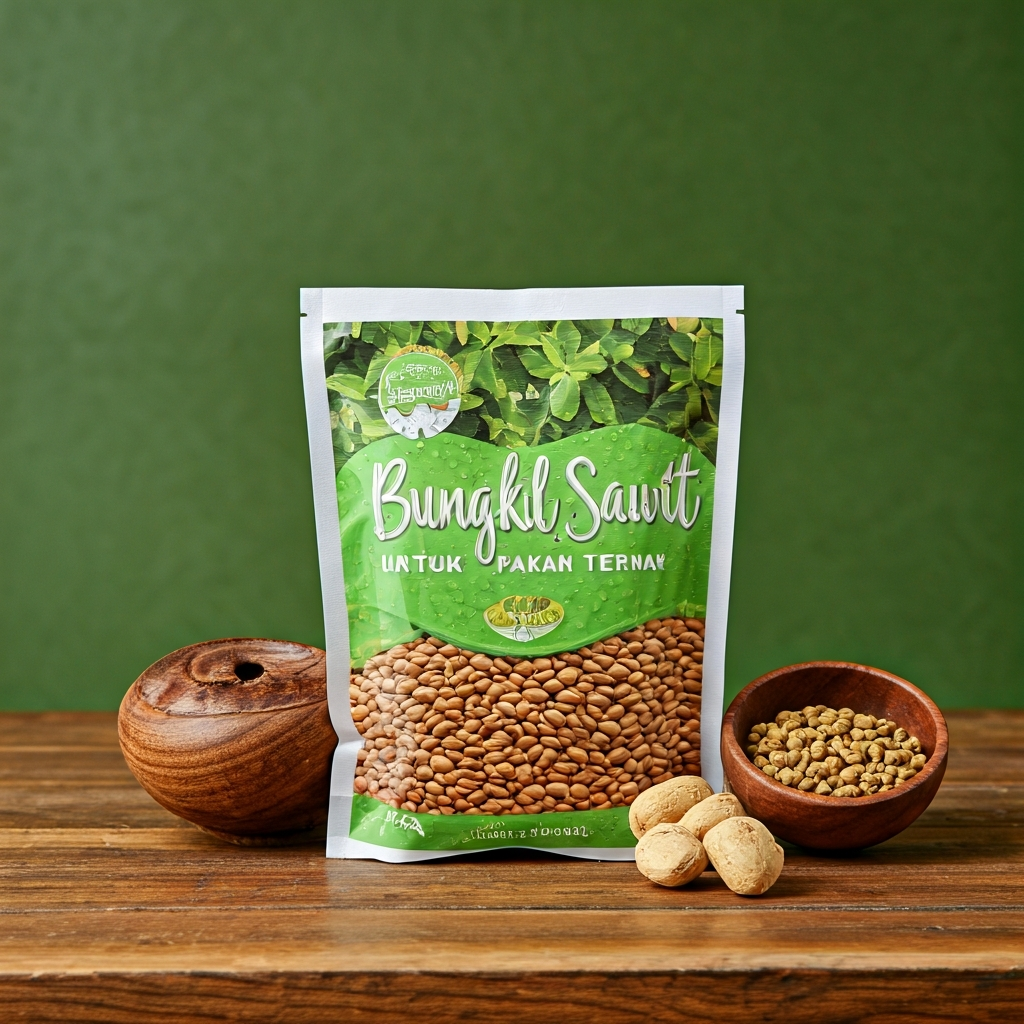
Palm Kernel Meal for Animal Feed: The #1 Best Guide for 2026
Palm kernel expeller for animal feed has become a smart solution for modern farmers facing the challenge of skyrocketing conventional feed costs. If you are looking for ways to cut operational costs without sacrificing nutritional quality, this article is the answer you need.
We will thoroughly explore everything you need to know about this leading alternative feed, from its benefits and nutritional content to the latest price analysis in 2026.
In the competitive livestock industry, efficiency is the main key to profitability. Feed costs often consume more than 70% of total production costs. This drives farmers to continuously innovate and seek more economical yet highly nutritious alternative feed ingredients.
This is where palm kernel meal, often referred to as Palm Kernel Meal (PKM), plays a crucial role as an alternative feed proven effective and efficient in supporting your livestock business.
What Exactly Is Palm Kernel Meal for Animal Feed?
By definition, palm kernel expeller for animal feed is a by-product of the oil extraction process from palm fruit kernels. After the palm kernel oil is extracted, the solid residue left behind is what is called palm kernel meal.
This product is rich in protein, fiber, and energy, making it a highly valuable and sought-after feed component. It is not just ordinary 'waste', but rather a concentrated source of nutrients.
It is important not to equate palm kernel meal with other palm waste. Its quality and nutritional content are far superior to other by-products, making it a preferred choice for formulating feed rations for ruminants such as cattle and goats, as well as poultry in measured amounts.
[Image: A pile of Palm Kernel Expeller ready to be processed into animal feed, showing its characteristic texture and color.]
alt=”Pile of palm kernel expeller for high-quality animal feed”
title=”Quality Palm Kernel Expeller for Animal Feed”
The Manufacturing Process of Palm Kernel Meal (PKM)
The production process of palm kernel meal begins with the separation of the palm kernel from its shell. These kernels are then crushed and heated to maximize the oil yield during processing.
Next, a mechanical pressing process is carried out to extract the oil from the crushed kernels. The residue from this pressing process is the final product: palm kernel meal or Palm Kernel Expeller (PKE).
The quality of palm kernel meal is strongly influenced by the efficiency of the oil extraction process. Typically, the less residual oil (fat) in the meal, the higher the crude protein content.
Difference Between Palm Kernel Meal and Palm Sludge/Fiber
Although often considered the same, there is a fundamental difference between palm kernel meal and palm sludge/fiber. Understanding this is crucial to ensure livestock receive the right nutrition.
- Palm Kernel Meal (PKM/PKE): Derived from the kernel of the oil palm fruit. Its protein content is higher (around 14-18%) and its fiber is more digestible. This is the primary raw material for palm kernel expeller for animal feed.
- Palm Sludge / Decanter Cake (Solid): Derived from the mesocarp (fruit pulp) of the oil palm fruit after extracting CPO. Its fiber content is very high, but its protein and energy levels are significantly lower.
Therefore, for the purpose of weight gain and production, palm kernel meal (PKE) is a far superior and more effective choice.
Complete Nutritional Content of Palm Kernel Meal
Main advantages palm kernel expeller for animal feed lies in its balanced nutritional profile. It is not merely a filler, but a functional nutrient source that delivers a real impact on livestock growth.
Here is a comparison of the average nutritional content between palm kernel expeller and other popular feed ingredients such as rice bran, soybean meal, and copra meal. This data is based on proximate analysis (As-Fed Basis).
| Nutrient | Palm Kernel Expeller (PKE) | Copra Meal | Rice Bran | Soybean Meal |
|---|---|---|---|---|
| Crude Protein (%) | 14 – 18 | 20 – 22 | 12 – 14 | 44 – 48 |
| Crude Fiber (%) | 16 – 18 | 10 – 12 | 10 – 13 | 5 – 7 |
| Crude Fat (%) | 7 – 9 | 6 – 10 | 12 – 15 | 1 – 2 |
| Metabolizable Energy (Kcal/kg) | 2.400 – 2.700 | ~2.100 | 2.700 – 2.900 | 2.200 – 2.500 |
Source: Compiled data from various animal nutrition studies, including research from Journal of the Saudi Society of Agricultural Sciences and FAO.
7 Key Benefits of Palm Kernel Expeller for Your Livestock Feed
Integrating palm kernel expeller for animal feed into your ration is not just about cost savings. It is a smart strategy to boost overall livestock productivity and health.
- Cost-Effective Source of Protein & Energy: Compared to soybean meal or imported ingredients, palm kernel meal offers a combination of protein and energy at a much more competitive price, directly reducing production costs.
- Increases Average Daily Gain (ADG): Particularly in beef cattle, the energy and protein content in palm kernel meal is proven to support optimal Average Daily Gain (ADG).
- Improves Milk Quality: In dairy cows, the unique fatty acid profile of palm kernel meal can help increase butterfat levels, an essential quality parameter that enhances the market value of milk.
- Good Fiber Structure for the Rumen: The crude fiber in palm kernel meal provides a “scratch factor” that stimulates rumen activity, maintains gastric pH, and supports digestive health in cattle, goats, and sheep.
- Good Palatability: Despite its distinctive palm aroma, most ruminant livestock relish its taste. A brief adaptation period is usually sufficient for livestock to consume it eagerly.
- Abundant Availability in Indonesia: As the world's largest palm producer, the availability of palm kernel expeller is guaranteed throughout the year, unlike imported feed which is vulnerable to supply fluctuations and USD exchange rates.
- Supporting the Circular Economy: By utilizing by-products from the local industry, you also reduce reliance on imported feed and support a more sustainable circular economy.
[Image: Well-fed cattle on a farm eating from a trough filled with feed mixed with palm kernel meal, demonstrating excellent health and body condition.]
alt=”Healthy cattle consuming feed mixed with palm kernel meal for livestock feed”
title=”Benefits of Palm Kernel Meal for Cattle Growth”
Recommended Usage of Palm Kernel Meal for Various Livestock
Although highly beneficial, the use of palm kernel expeller for animal feed must be tailored to the type of livestock and production goals. Providing the right dosage is key to achieving maximum results and preventing digestive issues.
Dosage of Palm Kernel Meal for Cattle and Goat Feed
As ruminants, cattle and goats can utilize palm kernel meal very efficiently thanks to their complex digestive systems.
- Beef Cattle: Can be included up to 30-40% of the total concentrate. This is highly effective during the fattening phase to increase body weight economically.
- Dairy Cattle: The general recommendation is 15-25% in the ration. This inclusion rate is proven to increase milk fat content without negatively affecting overall milk yield.
- Goats and Sheep: The use of around 20-30% of the concentrate mix is highly recommended to support growth and reproduction.
To support higher energy requirements, especially in lactating cows, the use of supplements such as Calcium Salts of Palm Oil Fatty Acids can also be a strategic choice.
Guide for Poultry and Other Bird Feed
Its use in poultry requires more attention. Its relatively high crude fiber content can limit inclusion rates if fed without processing.
- Broiler Chickens: Maximum 5-7% in the ration. Exceeding this rate can reduce feed efficiency and inhibit growth.
- Laying Hens (Layers): Can be up to 10% in the feed formulation. However, it must be balanced with other essential amino acid sources such as lysine and methionine.
To improve the nutritional value of palm kernel expeller for animal feed for poultry, the fermentation process is highly recommended. We will discuss this further below.
Use in Fish and Other Livestock
Palm kernel expeller is also becoming increasingly popular for freshwater fish feed. In tilapia or catfish feed, palm kernel expeller can be used as an alternative plant protein source at up to 15-20% of the total diet. As with poultry, fermentation can significantly improve its digestibility.
Challenges and Solutions: Anti-Nutritional Factors and Fermentation
The main challenge of using palm kernel expeller, especially for non-ruminant (monogastric) animals, is the crude fiber content and anti-nutritional compounds such as Non-Starch Polysaccharides (NSP). These compounds are difficult to digest and can inhibit the absorption of other nutrients.
However, this challenge can be overcome with modern feed technology. The most effective solution is through a fermentation process. With the help of microorganisms (probiotics) such as mold Aspergillus niger, crude fiber can be broken down into simpler components.
This process not only reduces fiber content, but has also been proven to increase crude protein levels by up to 2-4% and improve overall feed digestibility. As a result, fermented palm kernel meal becomes a high-quality feed ingredient even for poultry and fish.
[Video: Process of mixing palm kernel meal in cattle feed rations at a modern farm.]
alt=”Tutorial video on using palm kernel meal for livestock feed”
title=”Palm Kernel Meal Feed Process Video”
Latest Palm Kernel Meal Price Analysis (2026 Update)
Entering 2026, the price of palm kernel expeller for animal feed remains one of the decisive factors in farmers' cost calculations. Prices tend to fluctuate, influenced by various domestic and global market factors.
Factors Affecting Market Prices
Several key factors that determine palm kernel meal price dynamics in the market include:
- Crude Palm Oil (CPO) Price: The price of CPO as the primary product has a direct correlation with its derivatives, including palm kernel meal.
- Export Demand: Countries such as China, New Zealand, and the European Union are major consumers of palm kernel meal. An increase in export demand can drive up domestic prices.
- Government Policy: Regulations such as export levies or biodiesel programs (which also use palm derivatives) can affect supply and prices. Official sources such as Ministry of Agriculture are often used as references.
- Season and Weather: Climatic factors affecting palm oil harvests can impact raw material availability and supply stability.
- Logistics Costs: Harga transportasi dari pabrik ke peternakan, terutama dengan kenaikan harga bahan bakar, menjadi komponen biaya signifikan. Beberapa pabrik bahkan menggunakan palm kernel shells sebagai sumber energi untuk efisiensi.
[Image: Infografik yang menunjukkan faktor-faktor yang mempengaruhi harga bungkil sawit, seperti harga CPO, permintaan ekspor, biaya logistik, dan musim panen.]
alt=”Infografik harga bungkil sawit untuk pakan ternak di tahun 2026″
title=”Faktor Penentu Harga Bungkil Sawit 2026″
Cara Mendapatkan Harga Terbaik dari Supplier
Untuk mendapatkan harga yang kompetitif, peternak disarankan untuk membeli langsung dari pemasok besar atau pabrik. Membangun hubungan jangka panjang dan membeli dalam volume besar seringkali memberikan diskon signifikan.
Selalu pastikan untuk memeriksa kualitas produk, terutama kadar air (maksimal 12%), kebersihan dari kontaminan seperti sisa cangkang, dan warna yang seragam. Jangan ragu meminta Certificate of Analysis (CoA) dari supplier Anda.
Butuh Pasokan Bungkil Sawit Berkualitas?
Makmur Amanah Sejahtera provides high-quality palm products such as Palm Kernel Expeller, Palm Kernel Shell, Crude Palm Oil, Palm Kernel Oil, etc. Please contact us via WhatsApp +6282140002198 or email to admin@makmuramanah.co.id.
Frequently Asked Questions (FAQ)
Is palm kernel meal good for animal feed?
Ya, bungkil sawit sangat bagus sebagai komponen pakan, terutama untuk ruminansia seperti sapi. Kandungan protein (14-18%) dan energinya yang tinggi menjadikannya alternatif yang efektif dan lebih ekonomis dibandingkan pakan konvensional untuk meningkatkan bobot dan produksi.
Berapa persen bungkil sawit untuk pakan ayam?
Untuk ayam, penggunaan bungkil sawit murni harus terkontrol. Dosis yang direkomendasikan adalah maksimal 5-7% untuk ayam pedaging (broiler) dan hingga 10% untuk ayam petelur. Dosis bisa ditingkatkan jika menggunakan bungkil sawit yang telah difermentasi.
Bungkil sawit cocok untuk ternak apa saja?
Bungkil sawit paling cocok untuk ternak ruminansia seperti sapi potong, sapi perah, kambing, dan domba. Selain itu, dapat juga digunakan dalam porsi lebih kecil untuk pakan unggas (ayam, bebek) dan beberapa jenis ikan air tawar seperti lele dan nila.
Bagaimana cara meningkatkan kualitas bungkil sawit?
Kualitas nutrisi bungkil sawit, terutama untuk ternak non-ruminansia, dapat ditingkatkan melalui proses fermentasi. Fermentasi menggunakan probiotik seperti Aspergillus niger dapat memecah serat kasar, meningkatkan protein, dan membuat nutrisinya lebih mudah diserap oleh ternak.
Berapa harga bungkil sawit per kg di tahun 2026?
Harga bungkil sawit per kg sangat fluktuatif. Diperkirakan pada tahun 2026, harganya akan berada di kisaran Rp 2.500 – Rp 4.000 tergantung kualitas, lokasi, dan volume pembelian. Untuk harga pasti, hubungi supplier terpercaya seperti yang direkomendasikan dalam artikel ini.
Kesimpulan: Maksimalkan Profit dengan Pakan yang Tepat
Pada akhirnya, penggunaan palm kernel expeller for animal feed bukan lagi sekadar alternatif, melainkan sebuah strategi cerdas dan keharusan untuk bertahan dan berkembang di industri peternakan modern.
Dengan profil nutrisi yang solid, harga yang kompetitif, dan ketersediaan yang melimpah, bungkil sawit memberikan solusi nyata untuk menekan biaya pakan—komponen pengeluaran terbesar dalam beternak. Ini adalah langkah menuju efisiensi dan profitabilitas yang lebih tinggi.
[Image: Peternak tersenyum di depan kandang sapinya, melambangkan kepuasan dan kesuksesan setelah menggunakan pakan yang efisien.]
alt=”Peternak sukses menggunakan bungkil sawit untuk pakan ternak.”
title=”Kesuksesan Peternak dengan Bungkil Sawit”
Dengan memahami manfaat, dosis yang tepat, dan cara mendapatkan produk berkualitas, Anda dapat secara signifikan meningkatkan keuntungan peternakan Anda di tahun 2026 dan seterusnya. Jangan ragu untuk menjadikan palm kernel expeller for animal feed sebagai bagian integral dari manajemen pakan Anda.



