
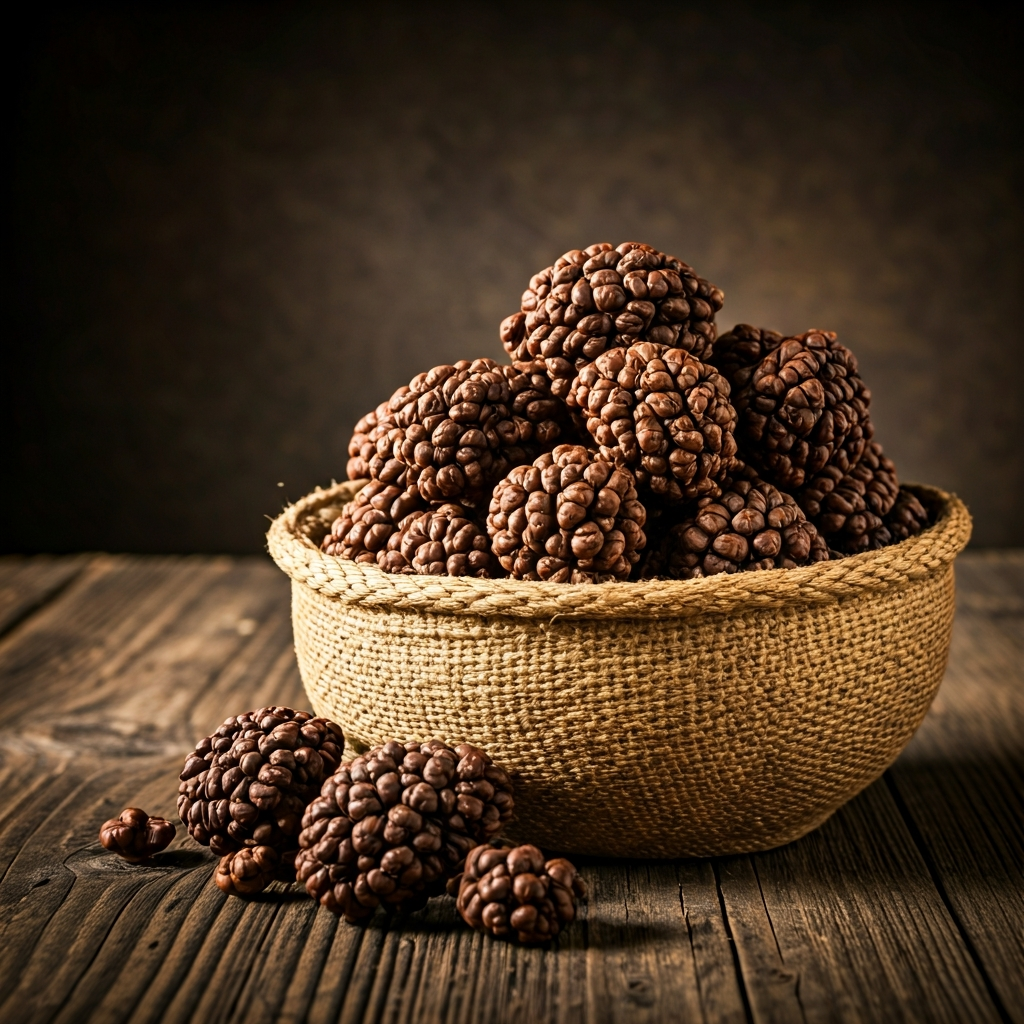
Copra Meal: The Ultimate Guide to Its Powerful Benefits (2026)
Tepung kelapa is a cornerstone of effective animal nutrition, yet many producers are unaware of its full potential. You have livestock to feed and need a cost-effective, high-protein supplement, but navigating the options can be overwhelming. This guide provides the definitive answer, unlocking the power of this essential coconut by-product for your operation.
The global demand for high-quality animal feed is soaring. According to industry analysis mirroring reports from organizations like the Organisasi Pangan dan Pertanian (FAO), demand is projected to increase significantly in the coming decade. This places immense pressure on producers to find sustainable and economical solutions.
Copra meal, a by-product of coconut oil extraction, stands out as a premier choice. Derived from the dried kernel of the coconut, this ingredient, also known as coconut meal, offers a unique nutritional profile. It can significantly enhance livestock performance and health. As we move through 2026, understanding how to properly integrate this feedstuff is not just beneficial—it’s a strategic imperative for profitability and sustainability.
[Image: High-quality, golden-brown copra meal in a large pile, with fresh coconuts beside it to show the source. | alt_text: A pile of high-quality copra meal ready for livestock feed. | title: Copra Meal for Animal Nutrition]
What Is Copra Meal? A Guide to Its Production
Copra meal is the residual product that remains after the extraction of oil from dried coconut kernels (copra). This process makes it an abundant and valuable resource in coconut-producing regions. The quality and nutritional content can vary based on the oil extraction method, which is a critical factor for any buyer to consider.
The Journey from Coconut to Copra Cake
The transformation begins with fresh coconuts. The kernel is dried, either by sun-drying or kiln-drying, to create copra. This copra is then subjected to one of two primary oil extraction methods:
- Mechanical Pressing (Expeller Pressed): This is the most common method, where the copra is mechanically crushed to squeeze out the oil. The resulting solid, known as copra cake or expeller copra meal, is rich in protein and still contains a moderate amount of residual oil (around 8-12%), which adds to its energy value.
- Ekstraksi Pelarut: In this industrial process, solvents are used to extract the maximum amount of oil. The resulting meal has a lower fat content but a higher protein concentration.
For most agricultural applications, the expeller-pressed variety is preferred due to its higher energy content from the residual coconut oil.
The Core Components of Copra Meal
At its heart, this coconut by-product is a protein and energy powerhouse. Its nutritional value is what makes it a sought-after ingredient in feed formulations worldwide. We will explore this in greater detail, but its primary contributions are crude protein, digestible fiber, and essential fats.
The Difference Between Copra and Palm Kernel Expeller
It’s crucial to distinguish copra meal from another popular feed ingredient, Mesin Pengekstrak Inti Sawit (PKE). While both are by-products of oil extraction, they come from different plants—coconut and palm, respectively.
They have different nutritional profiles and palatability, making them suitable for different applications. We’ll compare them directly in the table below.
The Nutritional Value of Copra Meal: A Deep Dive
The nutritional composition of copra meal is what makes it a star performer in the world of animal feeds. Its unique balance of protein, fat, and fiber provides a multi-faceted approach to livestock nutrition, supporting everything from growth to milk production.
Protein Profile: The Building Blocks of Growth
Protein is often the most expensive component of animal feed, making this ingredient an economically attractive option. Typically, it contains 20-25% crude protein.
While it is not as high in lysine as soybean meal, it offers a good profile of other essential amino acids, such as methionine and cysteine. This makes it an excellent complementary protein source when blended with other feedstuffs, optimizing the amino acid balance for poultry and swine.
Energy Content: Fueling Performance
The residual oil content in expeller-pressed tepung kelapa is a significant source of energy. This fat is highly digestible and provides readily available calories for energy-intensive activities like lactation in dairy cows or growth in beef cattle.
Furthermore, the medium-chain fatty acids (MCFAs) present in coconut oil, like lauric acid, are known for their antimicrobial properties. As noted in research from institutions like Cornell University’s Animal Science department, these fatty acids can contribute to improved gut health.
Fiber: More Than Just Roughage
Copra contains a high percentage of digestible fiber. This fiber is particularly beneficial for ruminants, such as cattle and goats, as it supports healthy rumen function.
The fiber helps maintain a stable rumen pH and promotes the growth of beneficial microorganisms. These microbes are essential for digesting forage and converting it into energy and milk. For non-ruminants, this fiber adds bulk and aids in digestive regularity.
Key Benefits of Copra Meal in Livestock Diets
Mengintegrasikan tepung kelapa into livestock diets can yield impressive results across various species. Its palatability and nutritional profile make it a versatile tool for farmers and nutritionists aiming to enhance animal health and productivity.
Untuk Hewan Ruminansia (Sapi, Kambing, Domba)
In ruminant nutrition, copra is prized for its “rumen-friendly” nature. Its high fiber and moderate protein content make it an ideal supplement for grazing animals.
- Sapi Perah: Supplementing with copra has been shown to increase milk fat content due to its unique fatty acid profile. It provides a consistent source of energy and protein, supporting higher milk yields.
- Sapi potong: It serves as a cost-effective protein and energy source in feedlot rations, promoting steady weight gain and good carcass quality.
- Goats and Sheep: It improves the overall diet quality, especially during periods of low pasture availability, supporting growth and reproduction.
Untuk Hewan Monogastrik (Unggas dan Babi)
While historically used more in ruminant feeds, modern research highlights the benefits for poultry and swine, provided it is used in correctly formulated rations.
- Poultry (Broilers and Layers): When included at rates of 5-15% of the diet, it can be a valuable protein source. Its gritty texture can also encourage natural foraging behavior. Research from the Jurnal Masyarakat Ilmu Pertanian Saudi confirms its efficacy in broiler diets.
- Babi: It is particularly useful in sow diets due to its high fiber content, which can improve satiety and reduce constipation issues common during gestation.
For Horses: A Word of Caution
While some feeds for horses contain small amounts of copra (often marketed as “cool energy”), it is a topic of debate. The primary concern is its high oil content and specific protein structure. This can be difficult for some horses to digest and may lead to issues if not introduced carefully and as part of a balanced diet formulated by an equine nutritionist. Therefore, caution is advised.
[Image: A healthy dairy cow eating from a trough that contains a mixed feed including copra meal. | alt_text: A dairy cow benefits from a diet including copra meal. | title: Copra Meal for Dairy Cows]
Copra Meal vs. Other Feedstuffs: A Comparative Analysis
To truly appreciate the role of tepung kelapa, it’s helpful to compare it to other common protein supplements. As highlighted by industry publications like FeedNavigator, the choice of protein impacts both cost and performance.
This comparison highlights its unique strengths and helps producers decide when and where to incorporate it.
| Feedstuff | Crude Protein (%) | Crude Fat (%) | Crude Fiber (%) | Terbaik untuk |
|---|---|---|---|---|
| Tepung Kopra | 20-25% | 8-12% | 10-14% | Ruminants, Sows |
| Tepung Kedelai | 44-48% | 1-2% | 3-5% | Poultry, Swine |
| Mesin Pengekstrak Inti Sawit | 14-18% | 5-8% | 15-20% | Beef Cattle, Fiber source |
| Canola Meal | 36-40% | 2-3% | 10-12% | Dairy Cattle, Swine |
This table clearly shows that while soybean meal is higher in protein, copra offers a superior energy profile due to its fat content and provides significantly more beneficial fiber than soy. This makes it a multi-purpose ingredient rather than just a simple protein source.
Practical Application: How to Use Copra Meal in Your Feed
Properly incorporating this feed into your rations is key to maximizing its benefits. Simply adding it without considering the overall dietary balance can be ineffective. Here are some guidelines for its use.
Tingkat Inklusi yang Direkomendasikan
The optimal amount of copra to include varies by animal, age, and production stage. These are general recommendations; always consult with an animal nutritionist for specific formulations.
- Sapi Perah: 10-20% of the total ration concentrate.
- Sapi potong: Up to 25% of the concentrate mix.
- Sows: 10-15% in gestation and lactation feeds.
- Broiler Chickens: 5-15% of the total diet.
- Laying Hens: Up to 10% of the total diet.
Storage and Handling for Maximum Freshness
Because of its oil content, copra is more prone to becoming rancid than other meals if not stored correctly. To maintain its quality and palatability, follow these storage rules:
- Keep it Dry: Store in a cool, dry place away from direct sunlight. Moisture is the enemy and can lead to mold growth.
- Ensure Airflow: If storing in bags, stack them on pallets to allow for air circulation.
- First-In, First-Out: Use older stock before new deliveries to ensure feed remains fresh.
Proper storage not only preserves nutritional value but also ensures the animals find the feed palatable, leading to consistent intake.
Makmur Amanah Sejahtera menyediakan produk kelapa sawit berkualitas tinggi seperti Mesin Pengekstrak Inti Sawit, Cangkang Inti Sawit, Crude Palm Oil, Palm Kernel Oil, Cocopeat, and more. For inquiries about our premium products, kindly contact us at WhatsApp +6282140002198 atau kirim email kepada kami di admin@makmuramanah.co.id.
[Infographic Suggestion: A visual flowchart showing a coconut on a tree, leading to drying (copra), pressing (oil extraction), and the resulting copra meal being fed to various animals (cow, chicken, pig) with icons showing the benefits (muscle growth, milk production, gut health). | title: The Journey and Benefits of Copra Meal]
Pertanyaan yang Sering Diajukan (FAQ)
1. What is copra meal used for?
Copra meal is primarily used as a protein and energy supplement in animal feed. It is especially popular for ruminants like dairy and beef cattle, but is also incorporated into diets for swine, poultry, and horses to improve nutritional balance and support growth and production.
2. Is copra meal good for chickens?
Yes, it can be a beneficial ingredient in chicken feed when used at moderate inclusion rates (typically 5-15%). It provides a good source of protein and energy. However, its high fiber content means it should be part of a well-balanced diet to ensure optimal digestion and performance.
3. What is the difference between copra meal and coconut flour?
While both come from coconuts, they are different products. Copra meal is produced from the dried kernel (copra) after oil extraction and is used for animal feed. Coconut flour is typically made from the fresh, defatted coconut meat, processed to a finer texture, and is intended for human consumption.
4. How much protein is in copra meal?
The crude protein content of copra meal typically ranges from 20% to 25%. The exact percentage can vary depending on the efficiency of the oil extraction process. Expeller-pressed meal generally falls within this range, making it a valuable mid-range protein source.
[Video Suggestion: A short, 2-minute YouTube video titled “Copra Meal in Action: From Farm to Feed”. It would show the production process, feature an interview with an animal nutritionist explaining the benefits, and include footage of healthy livestock thriving on a diet that includes it. | title: Copra Meal Production and Use in Livestock Feed]
Conclusion: Your Strategic Partner in Animal Nutrition
In the competitive landscape of 2026, every element of your operation must be optimized for efficiency and performance. As we have explored, tepung kelapa is far more than just a by-product; it is a powerful, versatile, and cost-effective tool for enhancing animal nutrition.
From its excellent protein and energy profile to its benefits for digestive health, it offers a strategic advantage that can lead to healthier livestock and a healthier bottom line. By understanding its nutritional value and proper application, you can confidently integrate this essential feedstuff into your program. The key is sourcing high-quality, fresh tepung kelapa from a trusted supplier to ensure you reap all the amazing benefits it has to offer.
 Indonesian
  English
  Chinese
  Arabic