
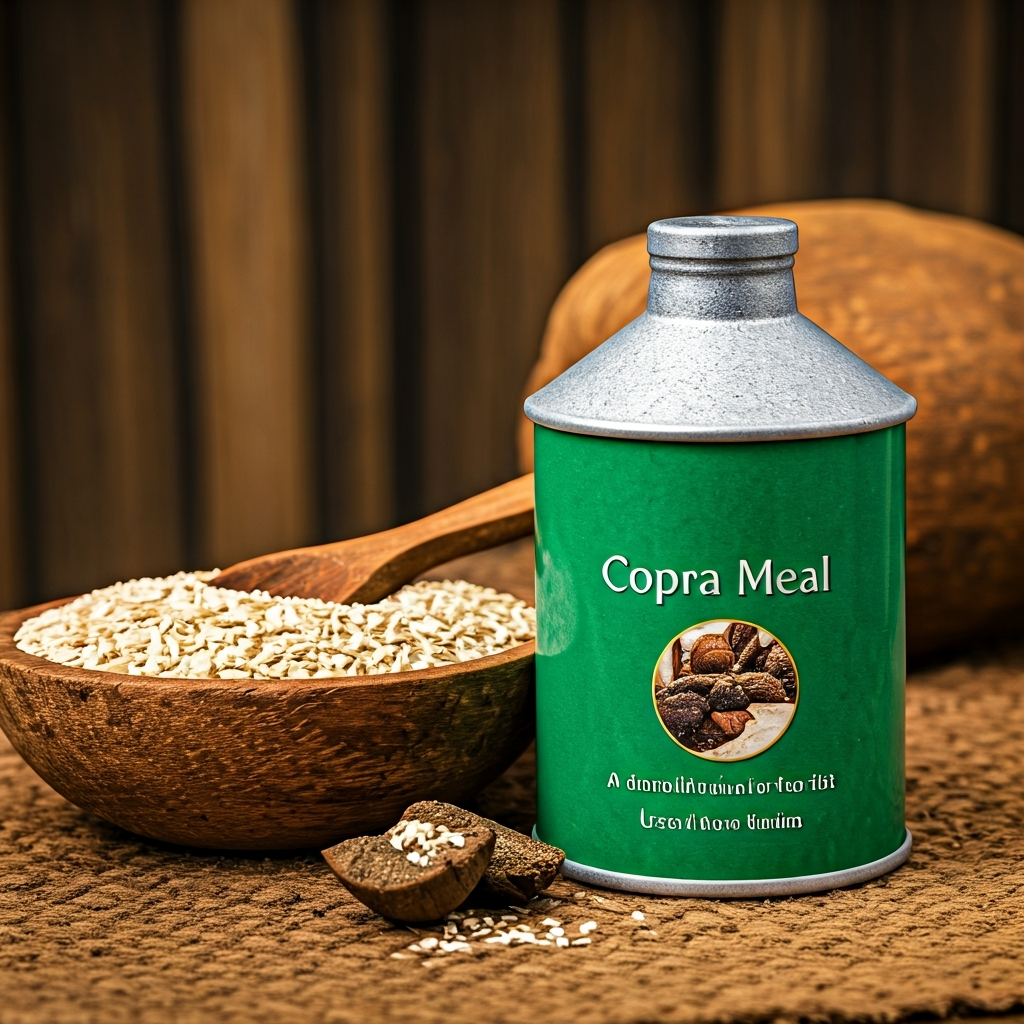
Copra Meal: The Definitive 2026 Guide to Its 7 Powerful Benefits
Tepung kelapa is one of the most underrated yet powerful ingredients in the agricultural industry. It offers a sustainable and cost-effective solution for animal nutrition that deserves a closer look.
As global feed prices continue to surge, savvy farmers and livestock managers are seeking viable alternatives. The goal is to find options that don’t compromise on quality or animal performance, and this coconut by-product fits the bill perfectly.
This guide provides a comprehensive overview of this incredible feed ingredient. We will explore its nutritional value, proven benefits, and practical applications for various types of livestock. According to the Organisasi Pangan dan Pertanian (FAO), millions of tons of coconuts are produced annually, creating a consistent supply of this valuable resource. By the end, you will understand exactly how to leverage copra meal to optimize your feeding strategy, improve animal health, and boost your bottom line.
What Exactly Is Copra Meal?
Copra meal is a highly valuable feed ingredient derived from the coconut palm tree (Cocos nucifera). It is the by-product that remains after the oil extraction process from copra—the dried kernel or “meat” of the coconut.
This resulting “copra cake” is then processed into a meal format. This creates a palatable and protein-rich resource ideal for animal feed formulations.
Often overlooked in favor of more common feeds like soybean or corn, this coconut by-product provides a unique nutritional profile. Its availability in tropical regions where coconuts are abundant makes it a crucial component of local agricultural economies and a sustainable choice for livestock operations globally.

From Coconut to Meal: The Production Process
The journey from a fresh coconut to nutritious animal feed involves several key stages. Understanding this process is essential for appreciating the quality and characteristics of the final product.
- Harvesting and De-husking: Mature coconuts are harvested, and their outer fibrous husks are removed. This husk is itself a valuable product, similar in composition to Cangkang Inti Sawit.
- Splitting and Drying: The coconut is split open, and the kernel is dried to reduce moisture content. This can be done through sun-drying, smoke-drying, or kiln-drying. The resulting dried kernel is known as copra.
- Ekstraksi Minyak: The copra undergoes an oil extraction process. This typically uses a mechanical press (expeller) or solvent extraction to separate the valuable coconut oil.
- Meal Production: The remaining solid residue, called copra cake, is then ground into a more uniform and manageable size. This final product is what we know as Tepung Kopra.
Copra Cake vs. Copra Meal: Is There a Difference?
The terms “copra cake” and “copra meal” are often used interchangeably, but they can refer to slightly different forms. “Copra cake” typically describes the larger, chunkier pieces left immediately after the oil is pressed.
“Copra meal” refers to the result of grinding that cake into a finer, more consistent particle size. This form is much more suitable for mixing into complete feed rations.
Essentially, the meal is simply a more processed and refined version of the cake. For feed formulation, the meal is almost always preferred due to its uniformity, which ensures even mixing and prevents animals from selectively eating. In this guide, we use the term to refer to this final, feed-ready product.
Nutritional Profile of Copra Meal: A Deep Dive
The nutritional composition of this coconut feed makes it a compelling ingredient for a variety of animal diets. While composition can vary based on the oil extraction method and copra quality, it is primarily valued for its protein, energy, and fiber.
For a deeper dive into its components, you can explore scientific analyses from resources like Sains Langsung. Its unique properties, such as its fat content from residual coconut oil, offer benefits that other protein sources lack.
These fats are rich in medium-chain fatty acids (MCFAs), which are known for their high digestibility and antimicrobial properties, contributing to overall gut health.
Macronutrient Breakdown and Comparison
On average, copra meal contains a moderate level of crude protein, typically ranging from 18% to 25%. This makes it an excellent supplementary protein source. It is particularly high in crude fiber (10-15%), which is beneficial for ruminant animals that can efficiently digest fibrous materials.
The residual oil content usually falls between 6% and 12%, providing a significant source of energy. This fat includes beneficial fatty acids like lauric acid. For more specialized dietary fat needs, supplements like Garam Kalsium dari Asam Lemak Minyak Sawit can also be considered.
To put its value into perspective, here is a comparison table against soybean meal, one of the most common protein sources in animal feed.

| Gizi | Copra Meal (Avg.) | Soybean Meal (Avg.) |
|---|---|---|
| Protein Kasar | 20-22% | 44-48% |
| Serat Kasar | 10-15% | 5-7% |
| Lemak Kasar | 6-12% | 1-2% |
| Manfaat Utama | High energy & fiber | High protein & lysine |
While soybean meal has a higher protein content, this coconut derivative provides significantly more energy from fat and beneficial fiber. This makes it a complementary ingredient, not just a simple replacement.
The 7 Proven Benefits of Using Copra Meal in Animal Feed
Integrating this coconut by-product into livestock rations delivers multiple, measurable advantages. These benefits range from economic savings to direct improvements in animal health and productivity.
This makes it a smart choice for modern agriculture. Its unique properties provide a competitive edge over more conventional feedstuffs, which is why its popularity is growing among knowledgeable formulators.
- Kandungan Energi Tinggi: The residual coconut oil provides a dense source of “cool” energy, supporting growth, lactation, and performance without the high-starch risks.
- Excellent Palatability: Most animals find the slightly sweet taste and aroma of coconut appealing, which can help improve overall feed intake, especially in picky eaters.
- Efektivitas Biaya: It is often more affordable than soybean or fish meal, significantly lowering overall feed costs without sacrificing quality.
- Supports Gut Health: The high fiber content promotes healthy digestive function and motility, particularly in ruminants that thrive on fibrous materials.
- Antimicrobial Properties: The presence of lauric acid and other MCFAs can help suppress harmful pathogens in the gut, acting as a natural health supplement.
- Sustainable and Natural: As a by-product, it reduces waste from the coconut industry and utilizes a renewable resource, enhancing the sustainability of your operation.
- Improves Product Quality: In dairy cattle, it has been linked to an increase in milk fat content. In layers, it can contribute to richer yolk color.
A Cost-Effective Alternative to Traditional Feeds
The primary driver for many farmers to consider tepung kelapa is economics. In regions with access to coconut products, it is almost always cheaper per unit of protein and energy compared to imported feeds like corn or soy.
This cost advantage allows for the formulation of high-quality rations without inflating production expenses, directly impacting profitability. For more insights into the feed market, authoritative sources like FeedNavigator offer a global perspective.
Case Study Spotlight: Dairy Farm Cuts Costs by 15%
A mid-sized dairy operation in Southeast Asia switched 20% of their conventional feed mix to high-quality copra meal. Over six months, they reported a 15% reduction in total feed costs. Additionally, milk fat content increased by 0.2%, leading to higher payments from their cooperative. This real-world example showcases the direct financial and productivity gains possible with strategic formulation.
Choosing Quality Copra Meal: What to Look For
Not all coconut feed is created equal. The quality of the final product can vary significantly depending on the drying process, oil extraction method, and storage conditions. Ensuring you source a high-quality product is crucial for animal safety and performance.
Indikator Kualitas Utama
When purchasing this feed ingredient, it’s important to assess several factors to ensure you’re getting a premium product:
- Warna dan Aroma: Good quality meal should have a light brown to golden color and a fresh, pleasant coconut smell. A dark brown or burnt smell indicates overheating during drying, which can damage proteins.
- Kandungan Air: The ideal moisture level is below 12%. Higher levels can lead to mold growth and spoilage.
- Consistency: The meal should be granular and free-flowing, without large clumps or excessive dust, ensuring it mixes well into rations.
- Kemurnian: It should be free from contaminants like sand, stones, or other foreign materials. Some soil components can be useful, like in Cocopeat, but not in feed.
Potential Risks and Mitigation (Mycotoxins)
The biggest risk associated with poor-quality copra is contamination by mycotoxins, particularly aflatoxins. These are produced by molds (like Aspergillus flavus) that can grow on improperly dried or stored copra.
Aflatoxins are highly toxic and can cause liver damage, reduced growth, and suppressed immunity in livestock. To mitigate this risk:
- Sumber dari Pemasok Terpercaya: Always buy from suppliers like Tepung Kopra providers who can provide a Certificate of Analysis (COA) showing mycotoxin levels are within safe limits.
- Proper Storage: Store the meal in a cool, dry, and well-ventilated area to prevent moisture buildup and mold growth.
- Visual Inspection: Never use feed that looks or smells moldy.
For more information on feed safety, consult resources from university extension programs, such as the Ekstensi Penn State on mycotoxins.
Copra Meal Applications Across Different Livestock
The versatility of copra meal allows for its inclusion in the diets of a wide range of animals. However, the optimal inclusion rate varies depending on the species, age, and production goals. It’s crucial to balance the diet to account for its high fiber and specific amino acid profile.

Untuk Hewan Ruminansia (Sapi, Kambing, Domba)
Ruminants are exceptionally well-suited to digest the high fiber content in this feed. It is an excellent supplement for both dairy and beef cattle, providing both protein and “bypass” energy from its fat content.
In dairy cows, it can enhance milk fat and yield. Recommended inclusion rates are typically between 15% and 30% of the total feed concentrate, depending on the other ingredients in the ration.
For Poultry (Broilers and Layers)
When formulating for poultry, care must be taken. Due to its high fiber and lower levels of key amino acids like lysine and methionine, it should be used at lower inclusion rates than in ruminant feeds.
For broilers and layers, a 5-10% inclusion is generally considered safe and effective. It is often best used in conjunction with enzymes to improve fiber digestibility and nutrient availability.
For Swine (Pigs)
In pig nutrition, copra meal is best used for growers and finishers rather than young piglets, who have more sensitive digestive systems. The high fiber can limit intake if not managed properly.
An inclusion rate of 10-20% is common for growing pigs, providing a good source of energy and protein to support growth in the later stages. Always ensure the diet is balanced with other protein sources to meet amino acid requirements.
[Video Embed: A short documentary showing the process of making copra meal from coconut harvesting to the final product.]
Makmur Amanah Sejahtera menyediakan produk kelapa sawit berkualitas tinggi seperti Mesin Pengekstrak Inti Sawit, Palm Kernel Shell, Crude Palm Oil, Palm Kernel Oil, etc. Kindly contact us at WhatsApp +6282140002198 atau kirim email kepada kami di admin@makmuramanah.co.id.
Pertanyaan yang Sering Diajukan (FAQ)
What is copra meal used for?
It is primarily used as a protein and energy supplement in animal feed. It is commonly included in the diets of cattle, goats, pigs, and poultry to provide essential nutrients, improve feed palatability, and reduce overall feed costs in a sustainable manner.
Is copra meal good for horses?
Yes, it can be beneficial for horses as a “cool” energy source due to its high fat and fiber, with low starch levels. However, it must be introduced slowly and fed in moderation as part of a balanced diet to avoid any digestive upset.
What is the protein content of copra meal?
The crude protein content typically ranges from 18% to 25%. While lower than soybean meal, it is a significant protein source valued for its combined protein-and-energy profile, making it a highly efficient ingredient for many animal rations.
How does it compare to palm kernel expeller?
Both are oil-extraction by-products. Copra meal (from coconuts) generally has higher energy, protein, and palatability. Mesin Pengekstrak Inti Sawit (from palm seeds) is often more fibrous and can be more cost-effective in certain regions, serving a similar but distinct role.
Where can I buy high-quality copra meal?
You can source high-quality feed from reputable agricultural suppliers specializing in coconut and palm products. It is crucial to choose a supplier who guarantees consistent quality and provides a nutritional analysis of their product for reliable feed formulation.
Conclusion: The Future is Sustainable Feed
As the global demand for affordable and sustainable animal feed intensifies, copra meal stands out as a premier ingredient with immense potential. Its balanced profile of protein, energy, and fiber, combined with its economic and environmental benefits, makes it an indispensable tool for the modern farmer.
By understanding its applications, nutritional value, and quality indicators, you can unlock significant improvements in livestock performance and operational profitability. Incorporating this high-quality coconut by-product into your feeding program is not just a smart economic decision—it’s a step towards a more sustainable and efficient agricultural future.

 Indonesian
  English
  Chinese
  Arabic