
GACC Approved PKE: The Ultimate 2026 Guide to Vetting Suppliers
Finding a reliable source of GACC Approved PKE is the single most critical challenge for importers targeting the Chinese market. The complexities of compliance, the risk of fraudulent suppliers, and ever-changing regulations can cause costly shipment rejections, turning profitable ventures into logistical nightmares. This guide provides the definitive solution.
As China’s demand for high-quality animal feed surges, the General Administration of Customs of China (GACC) has tightened import regulations to ensure safety and quality. In fact, China’s feed imports have grown by over 15% in the last two years, making it a lucrative but challenging market.
This comprehensive article is your roadmap to navigating this landscape. We’ll help you find and verify legitimate suppliers of GACC Approved PKE for 2026 and beyond, ensuring every shipment meets full compliance.
What Exactly is GACC Approved PKE?
Before diving into the verification process, it’s essential to understand the fundamentals. This isn’t just about the product; it’s about a rigorous certification system that underpins one of the world’s largest trade relationships. Understanding this system is the first step to mastering it.
The Role of GACC in China’s Import Safety
Itu General Administration of Customs of China (GACC) serves as the gatekeeper for all goods entering the country. It replaced the former AQSIQ system and now oversees the registration and approval of all overseas manufacturers of food and agricultural products, including feed raw materials like GACC Approved PKE.
GACC approval signifies that a facility and its products have met China’s stringent safety, quality, and traceability standards. Without it, market access is impossible.
PKE Explained: From Palm Fruit to Animal Feed
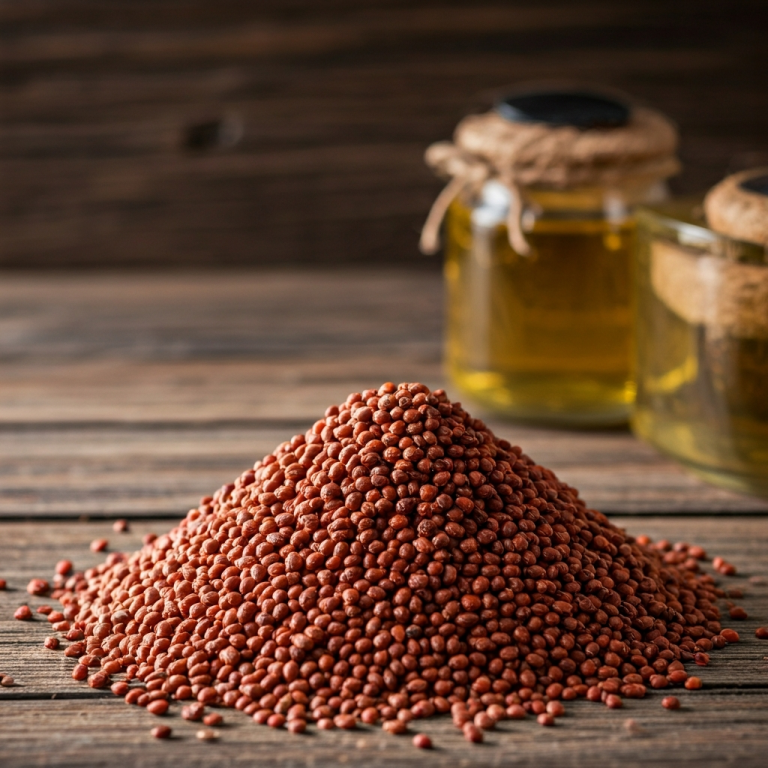
Palm Kernel Expeller (PKE) is a high-energy, high-fiber byproduct of the palm oil extraction process. It is a crucial ingredient in compound feed for livestock, particularly cattle. However, not all PKE is created equal. The quality, nutritional value, and safety can vary dramatically, which is precisely why GACC oversight is so strict.
Why Unapproved PKE is a Major Risk
Attempting to import PKE from a non-approved supplier is a high-stakes gamble. The consequences include immediate shipment rejection at the port, hefty fines, and potential blacklisting of the importer. Furthermore, these risks cascade down the supply chain, causing production delays and financial losses for feed mills and farms awaiting the raw materials.
[Image: A detailed flowchart illustrating the GACC approval process from application to final approval for GACC Approved PKE. Alt: Flowchart of the GACC approval process for GACC Approved PKE suppliers.]
The GACC Registration Process: A 2026 Overview
The path to becoming a supplier of GACC Approved PKE is methodical and demanding. For importers, understanding this process helps in appreciating the value and legitimacy of a truly certified supplier. It involves a detailed application, rigorous audits, and a commitment to ongoing compliance.
Key Requirements for Overseas Manufacturers
To gain approval, PKE producers must demonstrate a robust quality management system. This includes everything from raw material sourcing and processing controls to finished product testing and storage. They must prove that their facilities are sanitary and that they have systems in place to prevent contamination and ensure full traceability.
The Application and Auditing Steps
The journey to GACC approval involves several key stages. Understanding these steps is crucial for any importer looking to vet a potential partner.
- Online Application Submission: The manufacturer submits a detailed application through the GACC’s designated online portal, the China Import Food Enterprise Registration (CIFER) system.
- Documentation Review: GACC officials meticulously review business licenses, production flowcharts, quality control manuals, HACCP plans, and other essential documents.
- Video or On-Site Audit: GACC may conduct a remote video audit or an in-person inspection of the production facility to verify the information provided and assess real-world operations.
- Persetujuan dan Pencatatan: Once satisfied, GACC grants a unique registration number and adds the facility to its official list of approved exporters. This public listing is the only true proof of status for GACC Approved PKE.
Renewal and Ongoing Compliance for GACC Approved PKE
GACC registration is not a one-time event. Approved facilities are subject to periodic reviews and must renew their registration every five years. They are expected to stay current with any updates to Chinese feed regulations, with specific 2026 amendments focusing on enhanced traceability and contaminant testing protocols for products like GACC Approved PKE.
How to Verify a GACC Approved PKE Supplier
With the stakes so high, you cannot afford to take a supplier’s claims at face value. Independent verification is a non-negotiable step in your due diligence process. Fortunately, GACC provides official channels to confirm a supplier’s status for producing GACC Approved PKE.
Menggunakan Basis Data Resmi GACC
The most reliable method is to use the GACC’s official query system for “Registration Information of Overseas Manufacturers of Imported Feed and Feed Additives.” You can search using the supplier’s registration number or company name. A legitimate supplier of our GACC Approved PKE will be proud to provide their registration number for verification.
Red Flags to Watch For in 2026
As you vet potential suppliers, be vigilant for these warning signs:
- Refusal to Provide a GACC Number: A legitimate supplier will provide this freely. Hesitation is a major red flag and suggests they are not on the approved list.
- Documents That Look Altered: Scrutinize certificates for any signs of digital manipulation, blurry text, or inconsistent formatting.
- Pressure for Quick Payment: Fraudulent sellers often create false urgency to secure funds before you can perform due diligence on their GACC Approved PKE claims.
- Prices Far Below Market Rate: If a deal seems too good to be true, it almost certainly is. Compliance, quality control, and proper testing cost money.
[Image: An infographic titled “5 Red Flags to Spot Fake GACC PKE Suppliers in 2026”. Alt: Infographic listing 5 red flags for identifying fake suppliers of GACC Approved PKE.]
Top Considerations When Choosing a PKE Supplier
Beyond GACC approval, several other factors determine a successful supplier relationship. A truly great partner offers more than just a certificate; they provide quality, reliability, and transparency. In your search, it is important to also look at their other offerings, such as high-quality tepung kelapa, as it shows their wider expertise in the agricultural byproduct industry.
Here is a comparison table to help guide your selection process:
| Factor | Poor Supplier | Excellent Supplier |
|---|---|---|
| GACC Verification | Vague promises, no registration number. | Provides GACC number upfront for verification. |
| Quality Specs (Protein/Fat) | Inconsistent, no Certificate of Analysis (COA). | Guaranteed specs with a detailed COA per shipment. |
| Contaminant Testing | No data on aflatoxin or moisture levels. | Provides recent lab results confirming low levels. |
| Logistics & Communication | Poor communication, frequent shipping delays. | Proactive updates and reliable shipping schedules. |
Navigating the Complexities of PKE Specifications
A GACC certificate gets your product to the port, but the product quality determines its value. As an informed buyer, you must be familiar with the key specifications of PKE. This expertise allows you to negotiate better and ensure you receive a product that meets your livestock’s nutritional needs. Procuring true GACC Approved PKE means ensuring the product matches the paperwork.
Understanding Protein, Fat, and Fiber Content
The nutritional value of PKE is defined by its balance of crude protein (typically 14-16%), crude fat (8-12%), and crude fiber (15-18%). High-quality PKE has a consistent composition that is vital for animal health and growth. Reputable suppliers, especially those offering other high-quality palm derivatives like Cangkang Inti Sawit, will always provide a detailed Certificate of Analysis.
The Importance of Low Moisture and Contaminant Levels
Moisture content is a critical quality parameter. Levels above 12% can lead to mold growth and the development of harmful aflatoxins during shipping and storage. According to a study in the Journal of Stored Products Research, controlling moisture is the most effective way to preserve feed quality.
Beyond moisture, be mindful of other quality factors. For instance, some feed formulations require additional supplements like Garam Kalsium dari Asam Lemak Minyak Sawit, which also have their own stringent quality metrics. A good supplier understands this ecosystem.
[Image: A high-quality photo of palm kernel expeller being loaded into a shipping container, with inspectors in the background. Alt: Workers loading GACC Approved PKE into a shipping container under inspection.]
Logistics of Importing GACC Approved PKE
Impor berhasil GACC Approved PKE involves more than just finding a certified supplier; it demands flawless logistics and documentation. A single error can lead to delays that jeopardize your entire supply chain. As noted by the World Shipping Council, regulatory compliance is the backbone of modern maritime trade.
Required Shipping Documentation
For a shipment to clear Chinese customs smoothly, a complete and accurate set of documents is non-negotiable. This typically includes:
- Surat Muatan (Bill of Lading/B/L): The official contract between the shipper and the carrier.
- Faktur Komersial: Details the price, value, and quantity of the goods.
- Daftar Barang Bawaan: An itemized list of the shipment’s contents.
- Certificate of Origin (CO): Verifies the country where the PKE was produced.
- Sertifikat Analisis (COA): Confirms the product’s specifications and that it is free from contaminants.
- Nomor Registrasi GACC: Must be clearly visible on the documentation.
Port Procedures and Inspections
Upon arrival, your shipment of GACC Approved PKE will be subject to inspection by customs officials. They will verify that the documentation matches the physical goods and may draw samples for laboratory testing. This is the final checkpoint to confirm compliance with China’s import standards. Delays here are often due to incomplete paperwork or a supplier who is not truly on the GACC approved list.
[Image: A close-up of official shipping documents with a GACC stamp of approval. Alt: Shipping documents for importing GACC Approved PKE, showing an official customs stamp.]
Makmur Amanah Sejahtera provides high-quality palm products such as Palm Kernel Expeller, Palm Kernel Shell, Crude Palm Oil, Palm Kernel Oil, and even soil conditioners like Cocopeat. Kindly contact us at WhatsApp +6282140002198 atau kirim email kepada kami di admin@makmuramanah.co.id.
Pertanyaan yang Sering Diajukan (FAQ)
What is the difference between GACC and the old AQSIQ system?
GACC absorbed AQSIQ’s responsibilities in a 2018 restructuring. While the mission of ensuring import safety remains, GACC implemented more streamlined, digital registration systems (like CIFER) and has different auditing protocols. All previous AQSIQ registrations for PKE are now invalid; only GACC approval is recognized.
How long does GACC registration for PKE last?
A GACC registration for feed manufacturers is valid for five years. After this period, the overseas facility must undergo a renewal process to maintain its approved status. This ensures it complies with any new regulations introduced during that time for products like GACC Approved PKE.
Can I import PKE into China without GACC approval?
No. It is illegal to import PKE or any other designated feed raw material into China from a manufacturer that is not registered and approved by GACC. Any attempt to do so will result in the shipment being seized and likely destroyed at the port.
How do I check the 2026 list of approved suppliers?
You must use the official GACC query database, which is the only source of truth and is regularly updated. While a trustworthy industry publication like FeedNavigator may report on major changes, the GACC portal is the only 100% reliable source for verification.
What happens if a shipment of PKE is rejected by GACC?
If a shipment is rejected for non-compliance (e.g., from an unapproved facility, contamination), the importer is typically given two options: re-export the goods to another country or have the goods destroyed. Both options result in significant financial loss and supply chain disruption.
[Embedded Video: A short YouTube video titled “How to Use the GACC Database to Verify Your PKE Supplier in Under 3 Minutes.”]
Your Partner in Compliant and Quality Sourcing
In conclusion, successfully importing Palm Kernel Expeller into China in 2026 hinges entirely on sourcing from verified suppliers of GACC Approved PKE. The process requires diligence, a keen eye for detail, and a firm understanding of the regulatory and logistical landscape. By using the official database, watching for red flags, and prioritizing quality, you mitigate risks and build a resilient supply chain.
Ultimately, your goal is to secure a consistent supply of high-quality feed ingredients. Partnering with a trusted, transparent, and certified company is the only way to achieve this. By following the steps in this guide, you are now well-equipped to find a supplier that provides not just a product, but also the peace of mind that comes with sourcing authentic GACC Approved PKE.

 Indonesian
  English
  Chinese
  Arabic