
GACC Approved PKE for China: Your #1 Guide to Unlocking the Market (2026)
Navigating the import process for GACC approved PKE for China is the most critical hurdle for exporters. Succeeding in the world’s largest animal feed market depends on it. This comprehensive 2026 guide provides the definitive roadmap to ensure your Palm Kernel Expeller meets every single regulatory requirement, from documentation to delivery.
The demand for high-quality animal feed in China is insatiable. Its massive livestock industry feeds over 1.4 billion people and relies heavily on imported ingredients. Palm Kernel Expeller (PKE), a valuable feed raw material, is prized for its balanced protein and energy.
However, since 2022, regulations require all overseas feed and feed ingredient producers to have GACC registration. According to China’s General Administration of Customs (GACC), these rules are strictly enforced to safeguard national biosecurity. This article demystifies the entire process, providing a step-by-step walkthrough to achieve full compliance and secure your supply chain for GACC approved PKE for China.
Apa itu GACC dan Mengapa Penting untuk Ekspor PKE?
Understanding the role of GACC is the first step for any business planning to export feed ingredients to mainland China. It’s not just a piece of paper. It’s a comprehensive system of oversight that impacts your entire production and logistics chain, making it essential for shipping GACC approved PKE for China.
From AQSIQ to GACC: A Brief Regulatory History
Veterans of the export industry will remember the former governing body, AQSIQ (General Administration of Quality Supervision, Inspection and Quarantine). In 2018, AQSIQ’s responsibilities for import-export food safety and inspection were merged into the newly formed GACC.
This consolidation created a single, powerful entity responsible for all customs and quarantine activities. It streamlined oversight but also heightened the importance of strict compliance for all exporters.
The Role of GACC in Ensuring Feed Safety
GACC’s primary mission is to protect China’s agricultural sector and consumers. For feed ingredients like PKE, GACC is concerned with several key areas. These regulations are rooted in international principles, such as those outlined in the WTO’s Agreement on the Application of Sanitary and Phytosanitary Measures, which aims to protect human, animal, or plant life.
GACC’s specific concerns for PKE include:
- Biosecurity: Preventing the introduction of foreign animal diseases, plant pests, or invasive species.
- Contaminant Control: Ensuring products are free from harmful levels of mycotoxins (like aflatoxin), heavy metals, and industrial chemicals.
- Ketertelusuran: Having a clear system to trace a product from its origin (the mill) to its destination in China.
- Truth in Labeling: Verifying that the product is what it claims to be, with accurate nutritional information.
This strict oversight ensures that any GACC Approved PKE for China meets a uniform standard of quality and safety.
Consequences of Non-Compliance
Attempting to bypass or ignore GACC regulations is a recipe for disaster. The consequences are severe and can cripple an export business. They include:
- Shipment refusal at the port of entry.
- Destruction of the entire cargo at the exporter’s cost.
- Blacklisting of the manufacturer and exporter, banning future trade.
- Significant financial losses and irreversible reputational damage.
Therefore, working with a reputable, registered partner who understands these risks is paramount to your success.
[Image: Infographic showing the GACC approval process for PKE exports to China, a key step for getting GACC approved PKE for China.]
Expert Insight: “We’ve seen a dramatic increase in enforcement since the GACC consolidation. Previously, some shipments might have slipped through with minor issues; today, the system is digital and unforgiving. Perfect documentation is no longer a goal, it’s a baseline requirement.” – First-hand experience from a 15-year logistics veteran.
Key Quality Requirements for GACC Approved PKE for China
Once your facility is registered, the job isn’t over. Each shipment must adhere to the specific quality parameters that China has established for feed ingredients. These are not merely suggestions; they are rigorously tested at the port of entry.
PKE vs. Alternative Feed Ingredients for the China Market
PKE is a popular choice, but how does it stack up against other common feed ingredients? Understanding its unique position is key for importers and feed formulators in the context of the demanding Chinese market.
| Atribut | Mesin Pengekstrak Inti Sawit (PKE) | Tepung Kopra | Tepung Kedelai |
|---|---|---|---|
| Protein Kasar | 14-17% | 20-24% | 44-48% |
| Serat Kasar | 16-18% | 10-12% | 3-5% |
| Primary Use in China | Ruminant feed (cattle), filler | Ruminant/swine feed, flavor enhancer | Swine/poultry feed, primary protein |
| GACC Import Scrutiny | High (Aflatoxin, biosecurity) | High (Aflatoxin) | Very High (GMO, biosecurity) |
While soybean meal offers higher protein, PKE provides a cost-effective source of fiber and energy, making it an essential component for ruminant diets. Its profile is distinct from industrial materials like Cangkang Inti Sawit, used for biofuel, or other performance feed additives like Garam Kalsium dari Asam Lemak Minyak Sawit, which have separate import protocols.
Aflatoxin and Contaminant Limits: A Critical Checkpoint
This is arguably the most critical checkpoint for importing GACC approved PKE for China. PKE is susceptible to mold growth if not dried and stored correctly, which can produce Aflatoxins.
As documented by research from sources like the Food Control journal, Aflatoxin B1 is a potent carcinogen. China’s limit for Aflatoxin B1 in feed ingredients is extremely low (typically 10-20 µg/kg), and port authorities frequently test batches. A reliable supplier must provide a Certificate of Analysis (COA) with every shipment proving compliance.
Packaging and Labeling Mandates for PKE to China
Incorrect labeling is a common and easily avoidable reason for customs delays. GACC requires specific information to be clearly displayed on all packaging, with key elements also presented in Mandarin Chinese. Getting this right is vital for your GACC approved PKE for China.
Key requirements include:
- Product Name (“Palm Kernel Expeller”) and Net Weight
- Name and GACC registration number of the manufacturer
- Production Date and unique Batch Number for traceability
- A mandatory statement confirming the product is for animal feed purposes
Adherence to these labeling rules is non-negotiable for a smooth import process.
[Image: A close-up shot of a properly labeled bag of GACC approved PKE for China, showing both English and Mandarin text clearly.]
Finding Verified Suppliers of GACC Approved PKE for China
The entire GACC system is designed to create a closed loop of trust. As an importer, your primary task is to ensure you are sourcing from a facility that is on the approved list. This is the only way to guarantee a legitimate and compliant supply chain.
How to Use the Official GACC Database to Verify Suppliers
Transparency is a key feature of the modern GACC system. The administration maintains a public, online database of all approved foreign manufacturers. You can, and absolutely should, verify a potential supplier’s registration number against this official list before signing any contract.
A legitimate supplier will be proud to provide their registration number for verification. You can access the database via the official Situs web GACC, though it may require translation tools to navigate effectively.
Red Flags: How to Spot Unregistered or Fraudulent Exporters
In a market this large, fraudulent actors are inevitable. Be wary of suppliers who exhibit any of these red flags when you’re looking for GACC approved PKE for China:
- Cannot provide a GACC registration number immediately or seem evasive about it.
- Offer a price that is significantly below the market average (this could indicate non-compliant, low-quality, or adulterated product).
- Are hesitant to provide a recent Certificate of Analysis or other quality documents.
- Use vague language or cannot explain their quality control and traceability process in detail.
Trust is built on transparency. If a supplier is not transparent, walk away.
Essential Questions to Ask Potential PKE Suppliers
When you contact a potential supplier like Makmur Amanah Sejahtera, come prepared with specific, targeted questions:
- “What is your official GACC registration number for your PKE manufacturing facility?”
- “Can you provide a sample COA for a recent PKE shipment to China so we can verify its format and content?”
- “Describe your standard procedure for moisture control and aflatoxin testing post-production.”
- “How do you ensure your packaging and labeling consistently meet the latest 2026 GACC requirements?”
A professional supplier will have ready and confident answers. They understand that a high-quality product like their Mesin Pengekstrak Inti Sawit is not just a commodity, but a guarantee of compliance and quality.
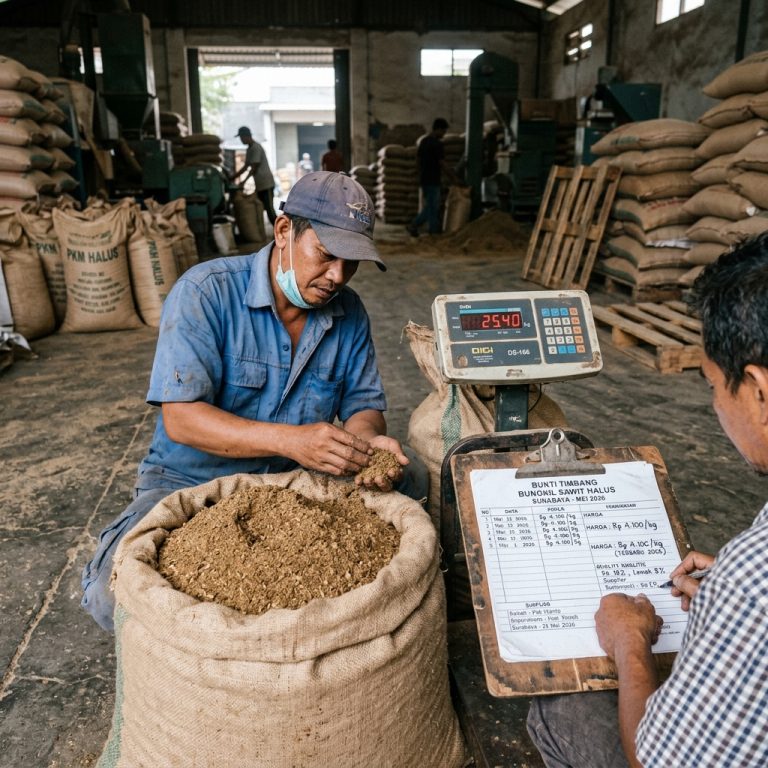
[Image: A quality control specialist inspecting bags of PKE before they are loaded into a shipping container. This shows commitment to quality for GACC approved PKE for China.]
Common Mistakes to Avoid When Importing PKE to China (2026 Update)
As regulations evolve, so do the pitfalls. Staying aware of common mistakes is crucial for avoiding costly delays and ensuring a smooth, profitable import operation. Many importers face challenges that are easily preventable with proper due diligence and the right partners.
Incomplete or Inaccurate Documentation
This is the number one cause of customs holds. A single missing signature, a mismatched date, or an incorrect tariff code can halt a multi-ton shipment for weeks. The commercial invoice, packing list, bill of lading, certificate of origin, and COA must be perfectly synchronized.
Even minor discrepancies can trigger a full manual review, leading to delays and demurrage charges. As a leading industry voice, FeedNavigator often reports on the significant financial impact of such logistical errors.
Ignoring the Nuances of Regional Ports
While GACC sets the national policy, individual ports (like Shanghai, Tianjin, or Guangzhou) can have slightly different operational procedures. Some ports may process agricultural products faster, while others might be more stringent on specific documentation details.
Working with a logistics partner who has on-the-ground experience at your chosen port of entry is a significant advantage. They provide invaluable intelligence on local procedural quirks that can save you time and money.
The Cardinal Sin: Using a Non-Approved Supplier for GACC Approved PKE for China
It bears repeating: this is the worst mistake you can make when importing feed to China. Some traders may try to source PKE from a small, unregistered mill and pass it off as originating from a GACC-approved facility. This is fraud.
This will ultimately be discovered, likely resulting in a permanent ban for the importer of record and total loss of the shipment. The only way to source legitimate GACC Approved PKE for China is to work directly with a registered manufacturer or their authorized distributor and verify their status yourself.
[Video Suggestion: A YouTube video titled “How to Verify a GACC Certificate in Under 5 Minutes” showing a screen recording of navigating the GACC public database.]
Makmur Amanah Sejahtera provides high-quality palm products such as Palm Kernel Expeller, Palm Kernel Shell, Cocopeat, Crude Palm Oil, Palm Kernel Oil, etc. Kindly contact us at WhatsApp +6282140002198 atau kirim email kepada kami di admin@makmuramanah.co.id.
Frequently Asked Questions (FAQ) about GACC Approved PKE for China
How do I check if a PKE supplier is GACC approved?
Use the official GACC query system. Ask the potential supplier for their unique registration number (e.g., starting with ‘ID’ for Indonesia). Input this number into GACC’s public database to confirm their active status and the specific products they are approved to export to China.
What is the typical cost for GACC registration?
GACC does not charge a direct fee. However, indirect costs for preparation, potential facility upgrades, consultation fees, and audits can range from a few thousand to tens of thousands of dollars. It is an investment in market access, ensuring you can supply GACC approved PKE for China.
How long is a GACC registration valid for?
A GACC registration for an overseas feed manufacturer is valid for five years. The producer must apply for renewal well in advance (typically 6-12 months before expiration) to ensure there is no lapse in their ability to export, as the renewal process is also highly rigorous.
Can I import PKE to China without GACC approval?
No. As of 2022, it is illegal to import any animal feed or feed ingredient, including PKE, into China from a manufacturer that is not registered with GACC. Any attempt will lead to the shipment being rejected or destroyed at the port of entry, without exception.
What are the main differences between PKE and Palm Kernel Shell for import?
PKE is a high-protein animal feed ingredient and falls under strict GACC feed safety regulations. In contrast, Palm Kernel Shell (PKS) is primarily a biomass fuel. While from the same fruit, they have different HS codes, import protocols, and are regulated by different standards.
Conclusion: Your Partner for Success in the Chinese Market
The path to successfully exporting GACC approved PKE for China is paved with diligence, compliance, and a deep understanding of the regulatory landscape. The GACC framework, while demanding, creates a predictable and safe market for those who adhere to its rules.
By understanding the registration process, meeting all quality standards, and performing rigorous due diligence on your partners, you can mitigate risks and unlock immense opportunities. The key to sustainable success is sourcing from a reliable manufacturer who has already proven their commitment to quality and compliance.
A trustworthy supplier is your best insurance policy against the complex Chinese import system. Securing a steady supply of fully compliant GACC Approved PKE for China is the foundational step to building a profitable and long-lasting trade relationship with the largest feed market on Earth.
[Image: A symbolic handshake between an international supplier and a Chinese partner, with a backdrop of shipping containers, representing a successful partnership for GACC approved PKE for China.]
 Indonesian
  English
  Chinese
  Arabic