
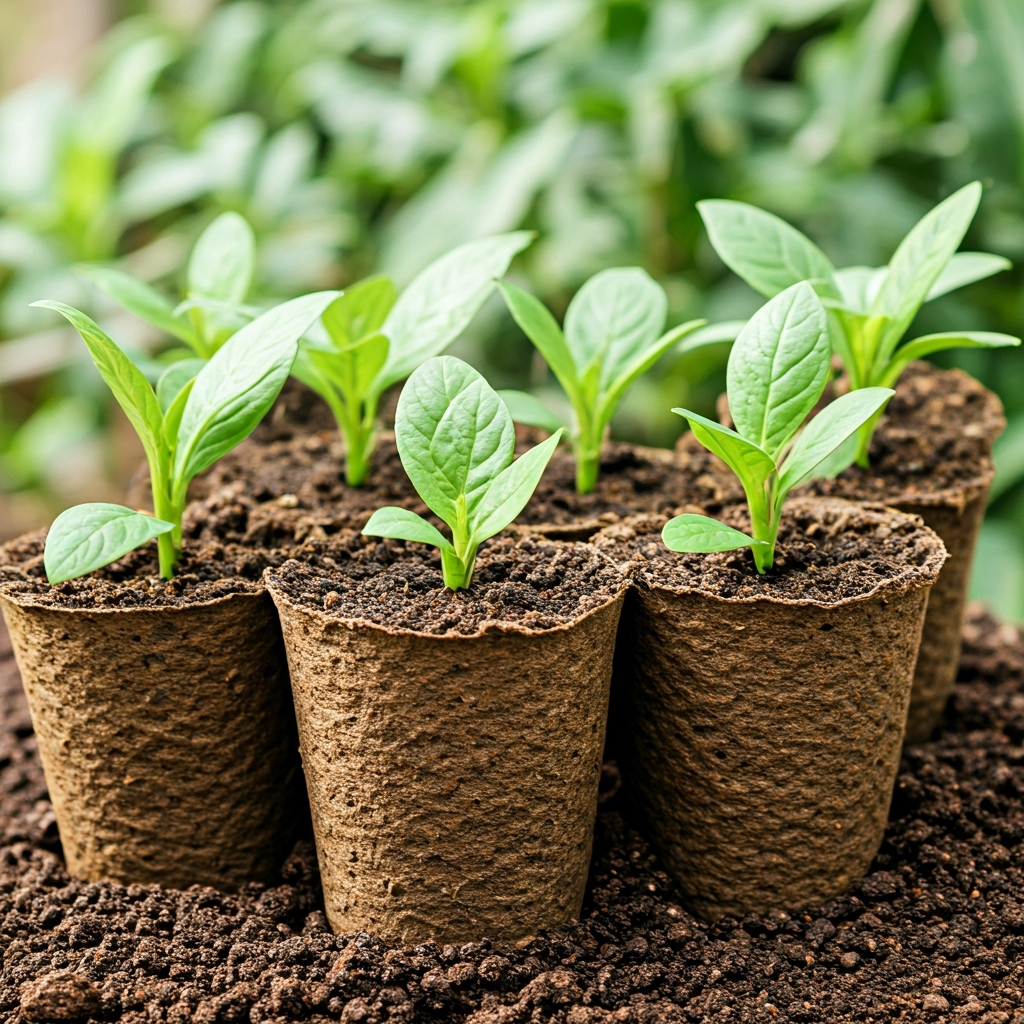
Cocopeat for Plants: The Ultimate 2026 Success Guide
Are you still struggling with compacted, poorly draining soils that stunt your plant’s potential? Using cocopeat for plants is the secret weapon savvy gardeners are turning to in 2026 for explosive growth, vibrant health, and incredibly resilient root systems. If you’ve ever felt the frustration of watching your plants suffer in subpar soil, this comprehensive guide will show you how to unlock the full, transformative power of cocopeat.
For decades, gardeners have searched for the perfect growing medium—one that retains consistent moisture without becoming a waterlogged swamp, provides excellent aeration for roots to breathe, and is environmentally sustainable. That search is over. Cocopeat, a natural and renewable byproduct of the coconut industry, ticks all these boxes and more, positioning itself as the superior alternative to traditional peat moss and low-quality potting soils.
What Exactly is Cocopeat? A Gardener’s Introduction
Cocopeat, also widely known as coco coir, is a 100% natural growing medium derived from the fibrous pith found between a coconut’s shell and its outer coating. Previously considered waste, this material is now celebrated for its incredible horticultural benefits. It is a sustainable alternative to traditional peat moss, prized for its phenomenal water retention, superior aeration properties, and near-perfect neutral pH level, making it an ideal foundation for a wide variety of plants.
The 3 Main Types of Cocopeat
Understanding the different forms of cocopeat allows you to create the perfect custom blend for your specific gardening needs. Each type serves a unique function:
- Cocopeat Pith (or Coco Dust): With a texture similar to fine peat moss, this is the most common form. It has exceptional water-holding capacity and is the foundation of most high-quality potting mixes that use cocopeat for plants.
- Cocopeat Fiber: These longer strands create air channels within your mix. This is crucial for improving aeration and drainage, allowing vital oxygen to reach the plant’s roots and preventing the pith from compacting over time.
- Cocopeat Chips: These are small chunks of the coconut husk that function like a more sustainable form of bark. They create large air pockets, providing excellent drainage and aeration, making them a perfect medium for epiphytes like orchids and anthuriums.

The 7 Astonishing Benefits of Using Cocopeat for Plants
The advantages of incorporating cocopeat into your gardening are transformative. Here are seven reasons why it’s the go-to choice for hobbyists and commercial growers alike.
- Incredible Water Retention: Cocopeat can absorb up to 10 times its own weight in water. This acts as a buffer, ensuring your plants have a consistent moisture supply and drastically reducing watering frequency, which is perfect for busy gardeners.
- Aerasi Akar Unggul: Despite its high water retention, cocopeat’s fibrous structure remains light and airy. This porous nature allows oxygen to flow freely to the root zone, which is scientifically proven to prevent root rot and promote a healthier, more vigorous root system.
- Optimal pH Level: With a pH range of 5.5 to 6.8, cocopeat is naturally near-neutral. This makes it ready to use for most plants without the tedious pH adjustments often required by highly acidic peat moss.
- Environmentally Sustainable: Cocopeat is a renewable byproduct. Using it reduces landfill waste and provides an eco-friendly alternative to peat moss, the harvesting of which damages fragile peatland ecosystems that are vital carbon sinks.
- Anti-Fungal and Pest-Resistant: This amazing material contains natural lignins and tannins that discourage soil-borne pathogens and common garden pests. This leads to healthier plants with less reliance on chemical fungicides and pesticides. Using cocopeat for plants is a step towards a cleaner garden.
- Prevents Soil Compaction: When mixed into dense garden soil (like heavy clay), cocopeat lightens the texture and prevents it from compacting. This allows plant roots to grow freely, penetrating deeper into the soil to access more nutrients and water.
- Long-Lasting and Reusable: Cocopeat decomposes very slowly, meaning a single application can benefit your soil for several years. It can also be rinsed, re-buffered, and reused for multiple growing cycles, making it a highly cost-effective and resource-efficient choice.
Suggestion: Embed a video showing the time-lapse of a cocopeat brick expanding in water.
Cocopeat vs. Peat Moss: A Head-to-Head Comparison
For decades, peat moss was the standard amendment. However, as environmental awareness and horticultural science have advanced, it’s clear that cocopeat is superior in nearly every critical aspect for modern, sustainable gardening.
| Fitur | Cocopeat (Coco Coir) | Lumut Gambut Sphagnum |
|---|---|---|
| Sumber | Renewable (Coconut Husks) | Non-Renewable (Ancient Bogs) |
| Tingkat pH | Near Neutral (5.5 – 6.8) | Highly Acidic (3.5 – 4.5) |
| Re-Wettability | Easy to re-wet when dry (Hydrophilic) | Hard to re-wet when dry (Hydrophobic) |
| Dampak Lingkungan | Sustainable & Reduces Waste | Harvesting Degrades Ecosystems |
| Daya tahan | Lasts 3-5 years | Compacts and degrades in 1-2 years |
| Kandungan gizi | Inert, requires added nutrients | Very few nutrients |

How to Prepare and Use Cocopeat: A Step-by-Step Guide
Preparing cocopeat from a compressed brick is a simple but vital process. Following these steps correctly ensures your plants get the best possible start and you maximize the benefits of using cocopeat for plants.
Step 1: Choose a High-Quality Product
Begin with a high-quality, low-sodium compressed brick of Cocopeat. Lower-grade cocopeat bricks can be high in sea salts, which are detrimental to most plants. Always choose reputable suppliers who properly wash, age, and process their products for horticultural use.
Step 2: Rehydrate the Brick
Place your cocopeat brick in a large container, such as a wheelbarrow or a large plastic tub. Add the amount of warm water specified by the manufacturer (typically 3-4 liters per kilogram of coir). Over the next 15-30 minutes, you will see the brick absorb the water and swell up to 5-7 times its original volume, transforming into a fluffy, soil-like material.
Step 3: Rinse and Buffer (The Crucial Step for Healthy Plants)
Raw cocopeat naturally contains high levels of potassium and sodium. These elements are bound to the coir’s cation exchange sites. If not addressed, they will be released into your soil and can interfere with the uptake of essential nutrients like calcium and magnesium, causing deficiencies.
To prevent this, you must rinse and buffer. After expansion, thoroughly rinse the cocopeat with fresh water until the runoff is clear. Next, soak the rinsed material in a Cal-Mag (Calcium and Magnesium) fertilizer solution for 8-12 hours. This critical process, confirmed by horticultural research, displaces the sodium and potassium, saturating the coir with calcium and magnesium, ensuring they are available for your plants.
Step 4: Mix and Amend Your Soil
Your buffered cocopeat is now a premium, ready-to-use medium! You can use it in several highly effective ways:
- As a Potting Mix: A classic, all-purpose recipe is 2 parts cocopeat, 1 part perlite (for extra aeration), and 1 part high-quality compost or worm castings for initial nutrients. This is an excellent mix when using cocopeat for plants in containers.
- As a Soil Amendment: Improve your garden beds by mixing in cocopeat at a ratio of 30-40% cocopeat to 60-70% native soil. This will dramatically improve water retention and soil structure for years to come.
- For Seed Starting: Pure, buffered cocopeat is an unmatched medium for germinating seeds. Its fine texture, sterility, and moisture-retentive properties provide the perfect environment for delicate seedlings to thrive.

The Sustainable Choice: Beyond the Garden
The use of agricultural byproducts represents a major step forward in sustainable resource management. The same principles that make cocopeat a valuable gardening resource apply to other industries. For instance, after coconut or palm oil is extracted, the remaining fibrous material is processed into highly nutritious animal feeds like Tepung Kopra. Similarly, the leftover Mesin Pengekstrak Inti Sawit becomes a sought-after ingredient in livestock rations, ensuring that every part of the harvest is put to good use in a circular economy.
Kesalahan Umum yang Harus Dihindari
To ensure your success with cocopeat, be mindful of these common pitfalls:
- Using Unwashed/Unbuffered Coir: As detailed above, skipping the rinsing and buffering step can lead to nutrient lockout. Always start with properly prepared cocopeat.
- Overwatering: Because it holds so much water, it’s easy to overwater plants in a cocopeat-heavy mix. Always check the top 1-2 inches of soil; if it’s dry, it’s time to water. If it’s damp, wait another day.
- Forgetting to Fertilize: Remember, cocopeat is inert. It gives you a perfect blank slate, but you must provide the nutrition. Incorporate compost or begin a regular feeding schedule with a balanced liquid fertilizer shortly after planting.
- Using it for All Plants: While using cocopeat for plants is broadly beneficial, desert-dwellers like succulents and cacti need extremely fast-draining soil. For these species, use a mix with a higher percentage of sand, grit, or pumice, and a smaller percentage of cocopeat. Using other materials like Cangkang Inti Sawit can also aid aeration in specific agricultural applications.
Makmur Amanah Sejahtera Menyediakan produk-produk kelapa sawit berkualitas tinggi seperti bungkil inti kelapa sawit, cangkang inti kelapa sawit, minyak kelapa sawit mentah, minyak inti kelapa sawit, dll. Silakan hubungi kami di WhatsApp +6282140002198 atau kirim email kepada kami di admin@makmuramanah.co.id.
Pertanyaan yang Sering Diajukan (FAQ)
Is using cocopeat for plants a good idea for every species?
Cocopeat is excellent for a vast majority of plants—including vegetables, flowers, herbs, and tropical houseplants—due to its neutral pH and superior aeration. However, for plants that demand very dry, arid conditions, like many succulents or cacti, you should use it more sparingly in favor of grittier materials.
Does cocopeat contain any nutrients for my plants?
No, cocopeat is an inert growing medium, meaning it contains no significant nutrients on its own. This is actually a benefit, as it gives you complete control over your plant’s nutrition. You must add nutrients via compost, worm castings, or a balanced liquid fertilizer program.
How often should I water my plants in a cocopeat mix?
You will water less frequently than with traditional potting soils. Because cocopeat retains water so effectively, the best method is to check the medium by touch. If the top inch or two feels dry, it’s time to water thoroughly. This prevents both dehydration and overwatering.
Can I reuse my cocopeat potting mix?
Absolutely! Cocopeat is extremely durable and can be reused for several growing cycles, making it a very economical choice. After a harvest, simply shake out the old roots, rinse the medium thoroughly to flush out any accumulated salts, and re-buffer it with Cal-Mag if necessary before replanting.
What is the difference between cocopeat and coco coir?
The terms are often used interchangeably, which can be confusing. “Coco coir” is the broader term for any fibrous material from the coconut husk. “Cocopeat” (or pith) specifically refers to the most common, dust-like part of the coir used to create high-quality gardening and potting mixes.

Conclusion: Make the Switch for a Better Garden
In conclusion, the evidence is overwhelmingly clear. With its incredible water retention, superior aeration, optimal pH, and impeccable eco-friendly credentials, cocopeat is more than just a soil amendment—it’s a gardening revolution. By following the proper preparation steps, you provide the perfect foundation for stronger, healthier, and more productive plants.
Whether you are a novice gardener or a seasoned expert, making the switch is one of the most impactful upgrades you can make for your garden’s success. Embracing the use of cocopeat for plants is the game-changer for modern gardeners, guaranteeing amazing results for years to come.

 Indonesian
  English
  Chinese
  Arabic