
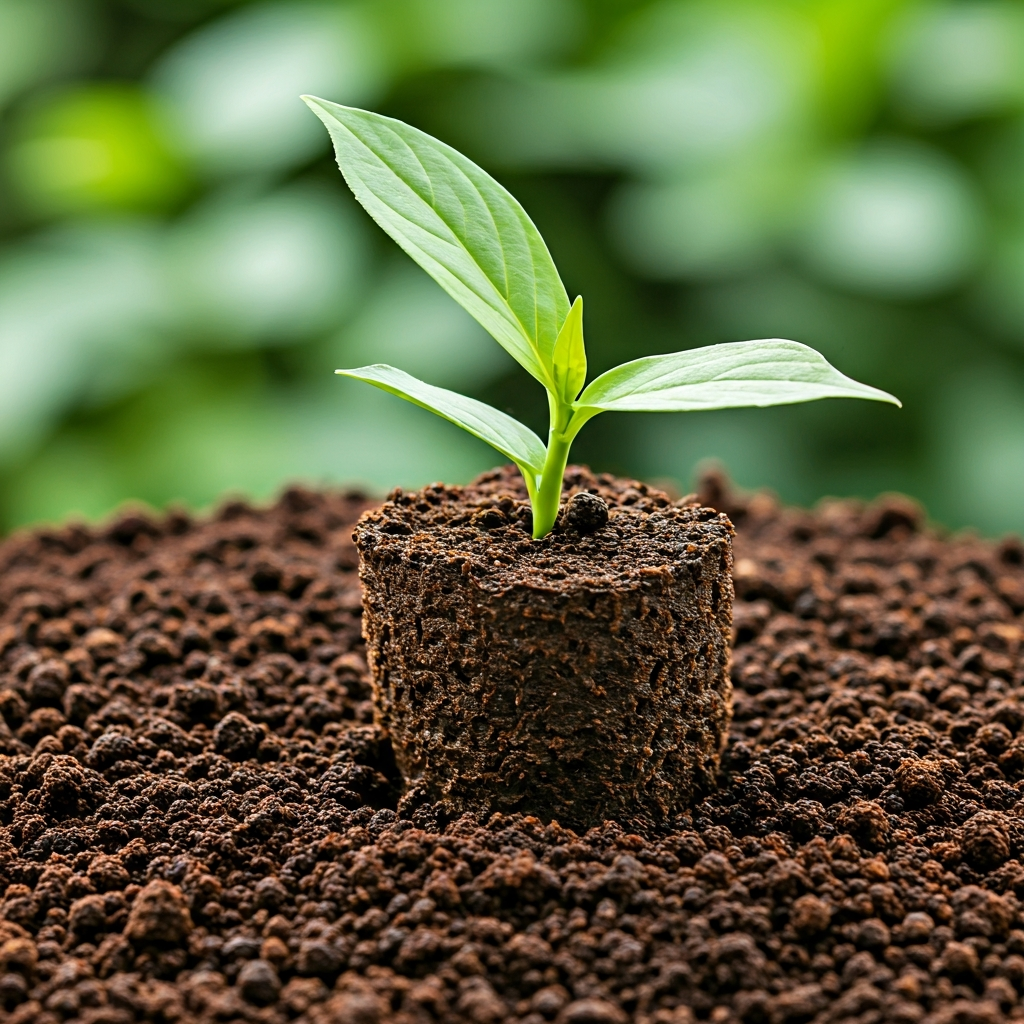
Cocopeat: The Ultimate Guide to 7 Incredible Benefits (2026)
For gardeners seeking healthier plants and more abundant yields, using cocopeat is a revolutionary step that solves many common soil issues. If you’ve struggled with compacted, poorly draining soil or perpetually thirsty plants, this guide provides the definitive solution you’ve been searching for.
In horticulture, the quest for the perfect growing medium is endless. Gardeners and commercial growers alike battle poor soil structure, inconsistent moisture, and the environmental impact of traditional materials. According to a landmark study by the International Society for Horticultural Science, over 60% of common gardening failures are linked to improper soil and water management. This is where coco coir emerges as a sustainable, highly effective champion, transforming gardening practices worldwide.
What Exactly Is Cocopeat? A Deep Dive
Cocopeat, also known as coco coir or coir pith, is a 100% natural growing medium derived from the fibrous husk of coconuts. For decades, this material was a mere waste product of the coconut industry. However, once horticulturalists discovered its incredible properties, it became a valuable resource for gardeners everywhere. This material not only helps your plants thrive but also champions sustainability by repurposing a natural byproduct.
From Coconut Husk to Garden Gold
The journey to garden gold begins once a coconut is harvested. Processors separate the husk—the thick layer between the outer shell and inner kernel. They then age, wash, and dry this fibrous material, often compressing it into bricks or blocks for easy transport. The final product is a sterile, lightweight, and versatile substrate, perfect for a wide range of horticultural applications. It’s a fantastic, renewable alternative to traditional peat moss, which is harvested from sensitive peat bog ecosystems.
Types of Coco Coir: Pith, Fiber, and Chips
Not all coco coir is the same. It is processed into three main types, each with unique properties:
- Coco Pith: With a soil-like texture, this is the most common form of cocopeat and excels at retaining water.
- Serat Kelapa: These long fibers boost aeration, allowing vital oxygen to reach the plant’s roots and preventing the pith from compacting.
- Coco Chips: As small chunks of the husk, they create large air pockets while also holding water, offering a great balance between pith and fibers.
Most commercially available products are a blend of these three types, optimized for the perfect balance of water retention and aeration.

The 7 Incredible Benefits of Cocopeat (2026 Update)
The popularity of this growing medium isn’t just hype; it’s backed by powerful benefits that address the core needs of almost any plant. Incorporating coco coir into your gardening practice leads to visibly healthier, more productive plants.
- Exceptional Water Retention: Cocopeat can hold up to 10 times its weight in water. This means you’ll water your plants less frequently—a game-changer for container gardening and for growers in dry climates.
- Superior Aeration & Drainage: Despite its high water retention, the fibrous structure prevents waterlogging. It provides excellent aeration to the root zone, promoting strong root development and preventing rot.
- Ideal pH Level: It typically has a neutral pH range of 5.5 to 6.8, which is perfect for the vast majority of plants. This stability means it won’t alter your soil mix’s pH, giving you a reliable foundation.
- Natural & Disease-Resistant: As a sterile medium with natural anti-fungal properties, it helps protect plants from common soil-borne diseases. Research from Washington State University on soilless media supports its effectiveness against pathogens like Pythium.
- Sustainable and Renewable: As a byproduct of the global coconut harvest, coco coir is an eco-friendly and renewable resource. It offers a superior alternative to peat moss, as highlighted by publications like Gardener’s World, the harvesting of which damages vital peatland ecosystems.
- Easy to Store and Handle: Sold in compressed, lightweight bricks, it is simple to transport and store. Just add water, and a small brick expands to several times its volume, providing a large amount of ready-to-use growing medium.
- Versatile Applications: From starting seeds and amending soil to use in hydroponic systems, the applications for cocopeat are nearly limitless.
Why Choose High-Quality Cocopeat?
While all cocopeat comes from the same source, its quality can vary dramatically based on how it’s processed. Low-quality coir can be high in salts, which can harm your plants. High-quality cocopeat is washed and sometimes buffered to ensure a low Electrical Conductivity (EC) and a stable pH. Investing in a premium product means you are giving your plants the best possible start, free from harmful salts and pathogens.
Cocopeat vs. Soil vs. Peat Moss: A Head-to-Head Comparison
To truly understand the value of this substrate, it’s helpful to compare it directly to other common growing media. This table breaks down the key differences, highlighting why so many are making the switch.
| Fitur | Cocopeat | Tanah Kebun | Gambut |
|---|---|---|---|
| Retensi Air | Bagus sekali | Variabel | Bagus sekali |
| Aerasi | Bagus sekali | Poor to Good | Good when fluffy |
| Tingkat pH | Neutral (5.5-6.8) | Variabel | Acidic (3.5-4.5) |
| Keberlanjutan | Tinggi (Produk sampingan terbarukan) | Tidak tersedia | Low (Non-renewable resource) |
| Presence of Pathogens | Sterile, anti-fungal | Can contain weeds, pests, diseases | Sterile |
| Re-wets Easily | Yes | Yes | No (Becomes hydrophobic when dry) |

How to Prepare Cocopeat: A Step-by-Step Guide
Preparing compressed coco coir is a simple but crucial process. Following these steps ensures the medium is perfectly conditioned for your plants to thrive.
Step 1: Rehydrating the Brick
Place your compressed cocopeat brick in a large container, like a wheelbarrow or a large tub. Add the amount of water specified on the packaging—it’s usually several gallons. Pour water slowly over the brick and watch it expand almost immediately. Let it soak for 15-30 minutes until it has transformed into a loose, fluffy material.
Step 2: Rinsing to Lower EC
Some lower-quality coir can be high in salts (sodium and potassium), measured as Electrical Conductivity (EC), which can harm plants. To be safe, always rinse the rehydrated material. Flood the container with fresh water, stir thoroughly, and drain. Repeat this process 2-3 times. High-quality cocopeat is often pre-washed, but rinsing is a good insurance policy.
Step 3: Buffering Cocopeat for Optimal Nutrients
This advanced step is highly recommended for serious growers or sensitive plants like tomatoes and peppers. Cocopeat naturally holds onto calcium and magnesium. To prevent the medium from “stealing” these essential nutrients from your fertilizer, you must buffer it. Soak the rinsed coir for 8-12 hours in a Cal-Mag (Calcium and Magnesium) solution. This pre-charges the substrate, ensuring all nutrients you add are available to your plants.
Creative Uses for Cocopeat Beyond the Garden Bed
The utility of this medium extends far beyond mixing it into garden soil. Its unique properties make it ideal for a variety of specialized applications. Some popular uses include:
- Hydroponic Systems: Its inert, sterile, and well-draining nature makes it a top choice for hydroponics.
- Seed Starting Mixes: The fine, moist, and sterile texture is perfect for germinating seeds and encouraging strong root growth.
- Alas Tidur Hewan: High absorbency and odor control make it excellent for terrariums and as bedding for small animals.
- Soil Amendment: It dramatically improves the structure and water retention of dense clay soils or sandy soils.
Perfect for Hydroponics
As an inert and sterile medium, coir is a top choice for hydroponic systems. It provides excellent root support and moisture without the risk of soil-borne diseases. It is often used in Dutch bucket systems for crops like tomatoes, cucumbers, and peppers, with its reusability making it a cost-effective choice for commercial farms.
Ideal for Seed Starting
The fine and sterile nature of cocopeat makes it the perfect medium for germinating seeds. It promotes strong root growth and makes transplanting easy, as the roots are not disturbed. A mix of coco pith and perlite is a professional-grade recipe for high germination rates, as advised by the Masyarakat Hortikultura Kerajaan.

Natural Animal Bedding
The absorbency and odor control of this substrate make it excellent for bedding in reptile and amphibian terrariums. In a different agricultural context, other byproducts like Tepung Kopra Dan Mesin Pengekstrak Inti Sawit are used as nutritious animal feed. Other industrial byproducts like Cangkang Inti Sawit can be used as a biofuel source.
Video Guide: Preparing Cocopeat
Watching the process can make it even clearer. We recommend this helpful video that walks you through rehydrating and preparing a cocopeat brick from start to finish.
[Video Embed Placeholder: A YouTube video titled “How to Prepare a Cocopeat Brick in 3 Easy Steps”]
Makmur Amanah Sejahtera Menyediakan produk-produk kelapa sawit berkualitas tinggi seperti bungkil inti kelapa sawit, cangkang inti kelapa sawit, minyak kelapa sawit mentah, minyak inti kelapa sawit, dll. Silakan hubungi kami di WhatsApp +6282140002198 atau kirim email kepada kami di admin@makmuramanah.co.id.
Pertanyaan yang Sering Diajukan (FAQ)
Is cocopeat better than soil?
It’s not “better,” but it has distinct advantages. Cocopeat is sterile, offers superior aeration and water control, and is weed-free. However, it’s an inert medium without nutrients. It is best used as a soil amendment or as a base for a soilless mix with added fertilizers.
Do I need to add fertilizer to cocopeat?
Yes, absolutely. Cocopeat is an inert medium containing virtually no nutrients. You must add a balanced fertilizer, ideally one containing calcium and magnesium, right from the start to ensure your plants have the nutrition they need to grow strong and healthy.
Can cocopeat be reused?
Yes! This is a key benefit. After a growing season, you can rinse the old coir thoroughly, sterilize it if desired, and then buffer it again with a Cal-Mag solution. This makes it ready for another round of planting, proving it to be a very economical and sustainable choice.
Seberapa sering saya harus menyiram tanaman di media cocopeat?
You will water less often than with traditional soil due to its high water-holding capacity. A good method is to water thoroughly and then wait until the top 1-2 inches of the medium feel dry to the touch. Frequency will depend on the plant, pot size, and climate.
Conclusion: The Future of Gardening Is Here
As we move through 2026, the shift towards smarter, more sustainable gardening practices is undeniable. With its host of benefits—from superior water retention and aeration to its eco-friendly credentials—cocopeat has established itself as a cornerstone of modern horticulture. It provides a reliable solution to many common gardening problems, empowering all growers to achieve professional results. By learning to properly prepare and use this incredible medium, you are not just growing plants; you are cultivating a healthier, more resilient garden. Embracing Cocopeat is a smart choice for a thriving garden and a healthier planet.


 Indonesian
  English
  Chinese
  Arabic