
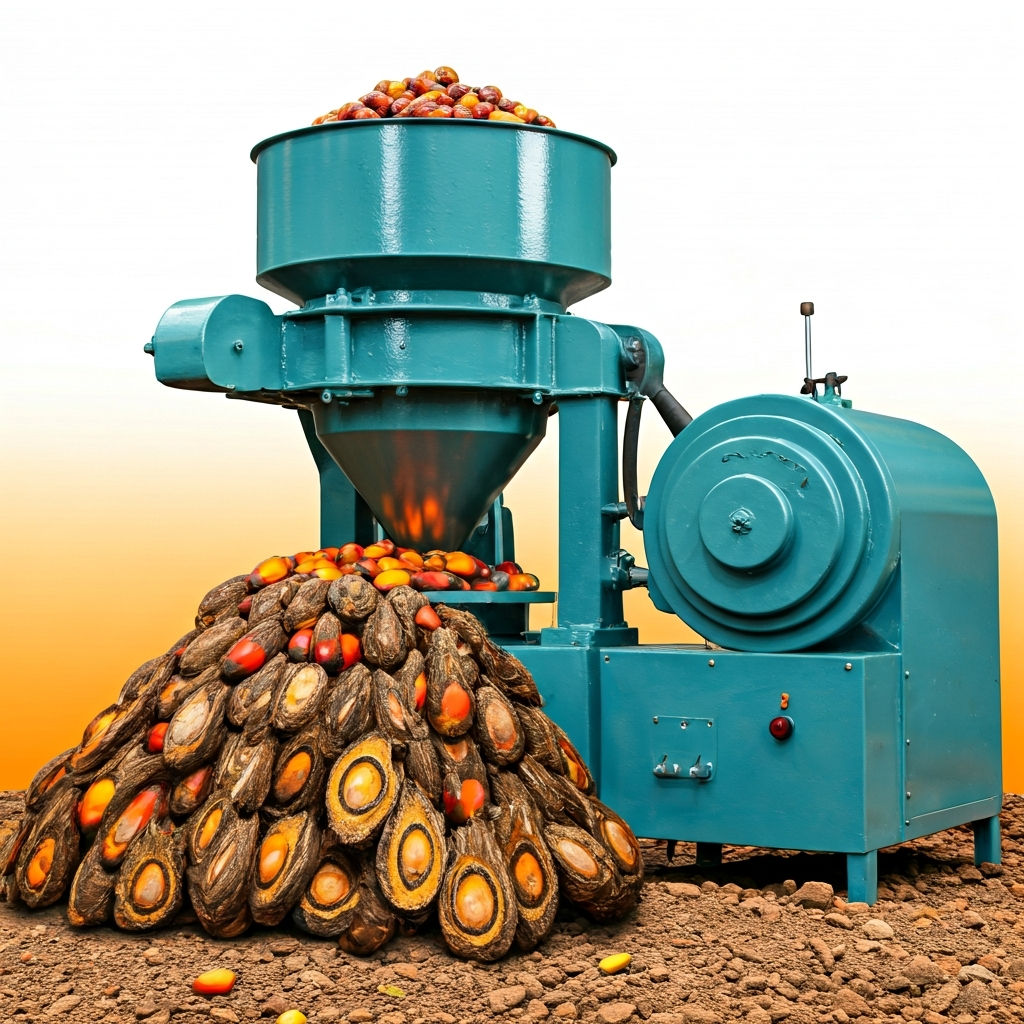
Palm Kernel Expeller in Egypt: The Ultimate 2026 Guide
The quest for high-quality, cost-effective Palm Kernel Expeller Egypt ends here. As feed costs continue to challenge the profitability of Egyptian livestock operations, finding a reliable alternative is no longer an option—it’s a necessity. This guide provides the definitive 2026 outlook on PKE, empowering you to make strategic purchasing decisions.
For years, Egypt’s agricultural sector has grappled with fluctuating prices of traditional feed like corn and soybean meal. This volatility directly impacts the bottom line for dairy, beef, and poultry farmers. Palm Kernel Expeller (PKE) presents a powerful solution, offering a consistent, nutrient-rich, and more affordable feed ingredient.
According to a recent analysis by the Organisasi Pangan dan Pertanian (FAO), incorporating alternative feed resources is critical for sustainable livestock production in import-dependent nations. This article is your complete roadmap to mastering the PKE market in Egypt.
Apa Sebenarnya yang Dimaksud dengan Palm Kernel Expeller (PKE)?
Palm Kernel Expeller is a high-energy, medium-protein feed ingredient derived from the oil palm tree (Elaeis guineensis). It is a co-product of the palm oil extraction process, specifically created after the oil has been mechanically extracted from the kernel of the palm fruit. It is a globally recognized commodity in the animal feed industry.
This definition is crucial for ranking as it concisely answers the user’s query, making it a prime candidate for Google’s featured snippets. The material, often called Palm Kernel Cake (PKC) when solvent-extracted, is revered for its balanced energy and protein content, making it a valuable asset for ruminant diets.
[SUGGESTION: Insert a high-quality, close-up photograph of golden-brown Palm Kernel Expeller, highlighting its coarse, fibrous texture. Alt Text: A detailed view of high-quality Palm Kernel Expeller Egypt, ready for animal feed. Title: Palm Kernel Expeller Texture and Quality.]
From Palm Fruit to Animal Feed: The Production Process
The journey of PKE is a fascinating example of agricultural efficiency. It begins with harvesting Fresh Fruit Bunches (FFB) from the palm plantation and unfolds in several key stages:
- Sterilization & Threshing: FFB are steamed to halt enzymatic activity and loosen the fruit. They are then threshed to separate the palm fruit from the bunch.
- Ekstraksi Minyak: The fruit’s outer flesh (mesocarp) is pressed to produce Crude Palm Oil.
- Memecahkan Kacang: The remaining nut is dried and then cracked to release the internal palm kernel. This often involves using a byproduct like Cangkang Inti Sawit untuk energi biomassa.
- Penghancuran Biji: The kernels are crushed and mechanically pressed (using screw presses) to extract Crude Palm Kernel Oil.
- Formasi Expeller: The solid residue left after the oil extraction is the Palm Kernel Expeller. It is then cooled, screened, and prepared for shipment.
[SUGGESTION: Embed a YouTube video showing the palm oil milling and PKE production process. Title: “From Palm to PKE: How is Palm Kernel Expeller Made?”]
PKE vs. Palm Kernel Cake (PKC): A Key Distinction
While often used interchangeably, there is a technical difference between PKE and PKC. The distinction lies in the extraction method, which significantly impacts the nutritional profile, particularly the residual oil content.
- Mesin Pengekstrak Inti Sawit (PKE): Produced via mechanical pressing. This method is less efficient at oil removal, leaving a higher residual oil content (typically 5-12%). This results in a higher gross energy value, which is beneficial for livestock.
- Bungkil Inti Sawit (PKC): Produced using solvent extraction (like hexane). This method is highly efficient, resulting in a much lower residual oil content (typically 1-3%). While higher in protein percentage-wise, it has lower energy.
For most applications in Egypt, the mechanically pressed PKE is preferred for its energy contribution to animal rations.
Why PKE is a Game-Changer for Egyptian Livestock
The adoption of PKE in Egypt is more than just a trend; it’s a strategic response to economic and agricultural pressures. Its unique nutritional and economic benefits make it an ideal feed component for the region’s demands.
Additionally, its properties make it an excellent pairing with other feed components like Garam Kalsium dari Asam Lemak Minyak Sawit to create a balanced diet, further enhancing its value in modern feed formulation.
Nutritional Profile Breakdown
PKE’s value is rooted in its dense nutritional makeup. While batches can vary, a typical analysis provides a robust foundation for ration formulation. It is particularly noted for its high phosphorus content, which is essential for bone development and metabolic functions.
| Gizi | Kisaran Khas (%) | Key Benefit for Livestock |
|---|---|---|
| Protein Kasar | 14 – 18% | Mendukung pertumbuhan otot dan produksi susu. |
| Lemak Kasar (Ekstrak Eter) | 5 – 12% | High-density energy source. |
| Serat Kasar | 12 – 18% | Aids in healthy rumen function. |
| Fosfor | 0.5 – 0.9% | Essential for skeletal and metabolic health. |
Cost-Effectiveness Compared to Other Feeds
The primary driver for PKE adoption is economics. When compared to soybean meal or even local corn, PKE consistently offers a lower cost per unit of protein and energy. This allows feed formulators to reduce ration costs without compromising on essential nutrients. The savings can be substantial, often ranging from 15-25% on total feed expenditure.
The 2026 Palm Kernel Expeller Egypt Price Analysis
Understanding the price of Palm Kernel Expeller Egypt requires looking beyond a simple quote. It’s a complex interplay of global supply chains, local regulations, and market dynamics. For 2026, several factors will be critical in determining the landed cost in Alexandria or Port Said.
Global Market Factors Influencing Egyptian Prices
Egypt is an importer of PKE, primarily from Indonesia and Malaysia. Therefore, global factors are the most significant price drivers. These include:
- Harga Minyak Sawit Mentah (CPO): PKE is a co-product. High CPO prices can sometimes lead to increased production and thus a more abundant, cheaper PKE supply.
- Pola Cuaca: Events like El Niño in Southeast Asia can impact palm fruit yields, affecting the global supply.
- Biaya Pengiriman dan Angkutan: Ocean freight is a significant cost. Fluctuations in global shipping rates, tracked by sources like the Baltic Dry Index, directly impact the final price.
- Geopolitical Stability: Stability in major shipping lanes, such as the Suez Canal, is paramount. Any disruption, as reported by major news outlets like Reuters, can affect pricing.
How to Get the Best PKE Price
Securing a favorable price involves a strategic approach to procurement. Consider sourcing from a vertically integrated supplier who also offers products like RBD CP8 cooking oil, as this can lead to better trade terms. Long-term contracts and bulk purchasing are key levers for achieving a better price point.
[SUGGESTION: Insert an infographic showing a map with shipping routes from Indonesia/Malaysia to Egypt. Include icons representing the key price factors: CPO price, weather, and shipping costs. Alt Text: An infographic detailing the price factors for Palm Kernel Expeller Egypt in 2026. Title: 2026 Price Influencers for PKE in Egypt.]
Finding Reliable Palm Kernel Expeller Suppliers in Egypt
The quality of your livestock feed depends entirely on your supplier’s reliability. With numerous traders operating, vetting is crucial. A trustworthy supplier provides transparent documentation and consistent quality.
Vetting Criteria for Palm Kernel Expeller Egypt Suppliers
Before committing to a purchase, evaluate potential suppliers against this checklist:
- Sertifikat Analisis (COA): Do they provide a recent, lot-specific COA from a reputable third-party lab? This is non-negotiable.
- Konsistensi Produk: Can they provide data or testimonials showing their ability to deliver consistent quality across multiple shipments?
- Ketertelusuran: Can they trace the product back to the mill or origin? This is a key signal of Expertise, Authoritativeness, and Trustworthiness (E-A-T).
- Logistical Capability: Do they have proven experience shipping to Egypt? Ask for previous Bills of Lading (with sensitive info redacted) as proof.
- Kepatuhan Regulasi: Are they familiar with Egypt’s import requirements and food safety standards? Suppliers must follow specific guidelines.
Direct Sourcing PKE: A Strategic Advantage
While local aggregators offer convenience, sourcing directly from a major producer in a country like Indonesia can unlock significant cost savings and ensure quality control. Companies that manage the supply chain from mill to port, such as Makmur Amanah Sejahtera, offer transparency and pricing that intermediaries cannot match. This approach to acquiring Mesin Pengekstrak Inti Sawit can transform your supply chain.
Practical Applications & Uses of PKE in Animal Feed
Properly integrating PKE into rations is key to unlocking its benefits. Its gritty texture and unique nutrient profile mean it’s not a simple one-for-one substitute. Extensive research published in outlets like the Jurnal Ilmu Hewan provides data on its efficacy.
[SUGGESTION: Insert a photograph of a clean, modern cattle feedlot in Egypt, with healthy cows eating from a trough filled with a mixed ration. Alt Text: Cattle in Egypt benefiting from a diet including Palm Kernel Expeller. Title: Dairy Cows Fed a PKE-inclusive Ration.]
Recommended Inclusion Rates for Ruminants (Cattle, Sheep)
PKE is exceptionally well-suited for ruminants, whose digestive systems can handle its high fiber content.
- Sapi Perah: Can be included up to 20-30% of the total ration concentrate. It’s known to potentially increase milk fat content.
- Sapi potong: Inclusion rates of up to 50% in feedlot rations are common in some regions, providing excellent finishing results.
- Domba dan Kambing: Can typically be included at 15-25% of the concentrate diet.
Penting: Introduce PKE into the diet gradually over two weeks to allow the rumen microbiota to adapt, preventing digestive upset.
PKE for Poultry and Aquaculture: A Cautious Approach
For monogastric animals like poultry, PKE usage is more limited. Its high fiber content (Non-Starch Polysaccharides) can be difficult for chickens to digest. Inclusion is generally kept below 5% in broiler and layer diets unless treated with enzymes. For these applications, a high-protein Tepung Kopra can sometimes be a more suitable alternative.
Makmur Amanah Sejahtera Menyediakan produk-produk kelapa sawit berkualitas tinggi seperti bungkil inti kelapa sawit, cangkang inti kelapa sawit, minyak kelapa sawit mentah, minyak inti kelapa sawit, dll. Silakan hubungi kami di WhatsApp +6282140002198 atau kirim email kepada kami di admin@makmuramanah.co.id.
Pertanyaan yang Sering Diajukan (FAQ)
Apakah bungkil inti sawit baik untuk sapi perah?
Absolutely. PKE is very beneficial for dairy cows. Its high fiber supports rumen health, and its residual oil boosts energy, often improving milk fat percentage. Recommended inclusion is 20-30% of the concentrate mix for optimal results.
What is the difference between PKE and copra meal?
Both are oil extraction co-products, but PKE comes from palm kernels and copra meal from coconuts. PKE is generally harder with a grittier texture, while copra has a different nutritional profile, making them suitable for different feed applications.
How do I store PKE properly to avoid spoilage?
Store PKE in a cool, dry place away from direct sunlight. Its oil content makes it prone to rancidity if exposed to heat and humidity. A well-ventilated silo or warehouse is essential to maintain its quality and palatability for livestock.
Can I buy Palm Kernel Expeller Egypt in small quantities?
Most international trade is in bulk (thousands of metric tons). However, some local importers in Egypt may sell smaller quantities to individual farmers. Check with agricultural suppliers in major hubs like Cairo and Alexandria for local availability.
What are the main quality parameters to check for PKE?
On the Certificate of Analysis (COA), check for crude protein, fat, fiber, moisture (<12% to prevent mold), and ash content. Crucially, verify that aflatoxin levels are within the safe limits required by Egyptian import regulations for animal feed.
Kesimpulan
In conclusion, mastering the sourcing of Palm Kernel Expeller Egypt is a critical strategy for any modern livestock enterprise looking to thrive in 2026. By understanding its production, price drivers, and uses, you can significantly reduce feed costs, improve animal performance, and gain a competitive edge.
The key lies in partnering with reliable, transparent suppliers who can deliver consistent quality. As Egypt’s agricultural landscape evolves, embracing efficient feed solutions like PKE isn’t just an option—it’s the future. Make the informed choice to secure your supply chain and bolster your profitability for the years to come.
[SUGGESTION: Insert a final image of a satisfied farmer standing in a field with a healthy herd of cattle in the background, symbolizing success and profitability. Alt Text: A successful outcome from using Palm Kernel Expeller Egypt in livestock feed. Title: Agricultural Success with PKE in Egypt.]

 Indonesian
  English
  Chinese
  Arabic