
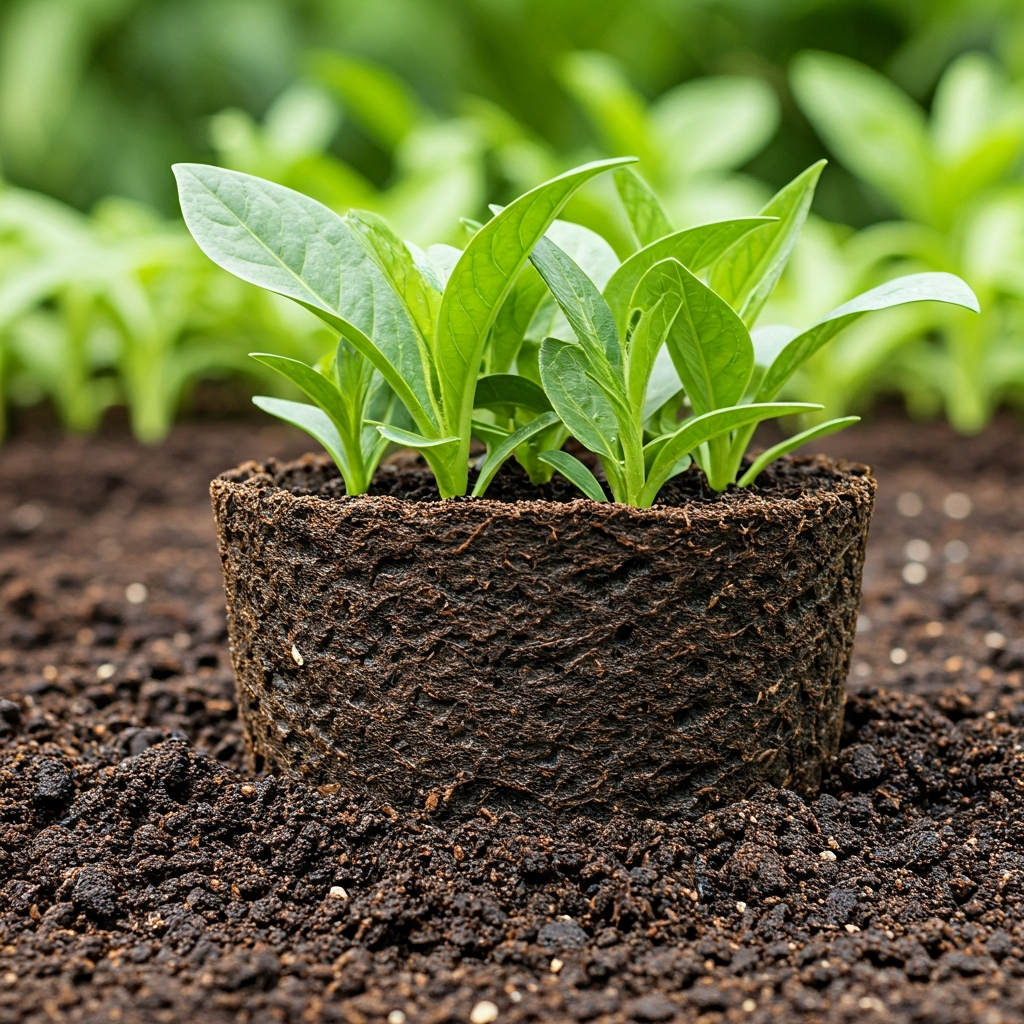
Cocopeat untuk Tanaman: 7 Manfaat Utama & Cara Menggunakannya (2026)
Menggunakan cocopeat untuk tanaman is one of the best decisions you can make for your garden, a secret weapon that professional horticulturists and expert gardeners rely on for consistently amazing results. If you struggle with compacted soil, improper drainage, or thirsty plants, you have found the solution.
Many gardeners face the frustrating challenge of providing the perfect balance of moisture and aeration to their plants. Traditional soil can be heavy, prone to pests, and inconsistent. This often leads to root rot from overwatering or stressed, dehydrated plants from underwatering.
According to a study highlighted by the International Journal of Environmental Science and Development, soil-less media like cocopeat significantly improve water use efficiency—a critical factor in modern gardening. This guide provides a comprehensive look at how cocopeat solves these problems and how you can harness its full potential.
What Exactly is Cocopeat and Why is it So Popular?
Cocopeat, also known as coco coir, is a versatile, 100% natural growing medium made from the fibrous pith of a coconut husk. Once considered a waste product of the coconut industry, it has become a revolutionary material for gardening and horticulture worldwide.
Its rise in popularity stems from its superior properties as a sustainable and effective alternative to traditional peat moss. The fibrous material undergoes a process of aging, washing, buffering, and drying to become the stable, beneficial product gardeners love. Unlike soil, it’s lightweight, free from pests, and has a neutral pH ideal for a wide variety of plants.
As gardeners become more environmentally conscious, the demand for sustainable products like high-quality Cocopeat has soared, making it a cornerstone of eco-friendly cultivation.
7 Manfaat Tak Terbantahkan Menggunakan Cocopeat untuk Tanaman
Integrating cocopeat into your gardening practices offers a multitude of advantages. These benefits address some of the most common challenges gardeners face, leading to healthier plants and more successful cultivation, making it a top choice over other mediums.
1. Incredible Water Retention
Cocopeat has a phenomenal ability to absorb and hold water, retaining up to 10 times its weight. This quality ensures a consistent moisture supply to plant roots, reducing watering frequency and protecting plants from drought stress. It acts like a sponge, releasing water slowly as the plants need it.
2. Superior Aeration and Drainage
Despite its high water retention, the fibrous structure of cocopeat prevents it from compacting. This creates excellent air-filled porosity, allowing oxygen to flow freely to the root zone. This optimal aeration is crucial for preventing root rot and promoting vigorous root development, a key advantage of using cocopeat untuk tanaman.
3. Neutral and Stable pH
Most cocopeat is processed to have a pH range of 5.5 to 6.8, which is ideal for the nutrient uptake of most plant species. This neutral pH ensures that essential minerals are readily available to the plants, unlike acidic peat moss which often requires lime additions to be usable.
4. Environmentally Sustainable
Cocopeat is a renewable resource, derived from the waste husks of the vast coconut industry. Its use helps reduce landfill waste and provides a sustainable alternative to peat moss. As noted by organizations like the Persatuan Internasional untuk Konservasi Alam (IUCN), harvesting peat moss degrades sensitive peatland ecosystems.
5. Free from Pests and Diseases
Because it is a soil-less medium, high-quality cocopeat is naturally resistant to common soil-borne pests, fungi, and bacterial diseases. This reduces the need for chemical pesticides and fungicides, promoting a healthier and more organic gardening environment.
6. Promotes Strong Root Growth
The unique combination of excellent aeration and moisture retention creates the perfect environment for root systems to thrive. The fibrous texture allows roots to penetrate easily, leading to a more extensive and robust root network—the foundation of any healthy plant.
7. Dapat Digunakan Kembali dan Tahan Lama
Cocopeat breaks down very slowly over several years due to its high lignin content. After a growing season, it can be rinsed, re-buffered if necessary, and reused for another cycle. This durability not only makes it cost-effective but also further enhances its sustainability profile.
Cocopeat vs. Peat Moss vs. Tanah: Perbandingan Head-to-Head
When choosing a growing medium, it’s essential to understand the differences between the main options available. This table provides a clear comparison to help you decide what’s best for your gardening needs.
| Fitur | Cocopeat (Coco Coir) | Lumut Gambut Sphagnum | Tanah Kebun Tradisional |
|---|---|---|---|
| Keberlanjutan | Tinggi (Produk sampingan terbarukan) | Low (Non-renewable, bog depletion) | Variable (Can be depleted/eroded) |
| Retensi Air | Bagus sekali | Sangat Tinggi | Variable (Depends on clay content) |
| Tingkat pH | Netral (5,5 – 6,8) | Asam (3,5 – 4,5) | Variabel |
| Keterbasahan | Rewets easily when dry | Hydrophobic when dry, hard to rewet | Can crust or repel water when very dry |
| Pests/Diseases | Naturally resistant | Generally sterile | Can contain pests, weeds, and pathogens |
How to Prepare and Use Cocopeat Bricks: A Step-by-Step Guide
Cocopeat is most commonly sold in dehydrated, compressed bricks for ease of transport and storage. Preparing it for use is a simple and satisfying process that unlocks its fluffy texture.
- Choose a Large Container: Place your cocopeat brick in a wheelbarrow, large bucket, or storage tote. Remember, it will expand to 5-7 times its original volume.
- Add Warm Water: Slowly pour warm water over the brick. Using warm water speeds up the expansion. A standard 5kg (11 lb) brick typically requires about 25 liters (6.5 gallons) of water.
- Let it Expand: Allow the brick to sit and absorb the water for 15-30 minutes. You will see it start to break apart and swell into a fluffy, soil-like consistency.
- Fluff and Mix: Once the brick has fully expanded, use a small shovel or your hands to break up any remaining clumps and fluff the material until it is uniform.
- Check for Buffering: High-quality cocopeat is “buffered,” meaning it has been treated to reduce sodium and stabilize calcium. If your cocopeat is unbuffered, you may need to soak it in a calcium-magnesium solution before use, a step confirmed as critical in research from institutions like the University of New Hampshire Extension.
Once prepared, you can use the cocopeat directly or create a custom potting mix. A popular recipe is 2 parts cocopeat, 1 part perlite (for extra drainage), and 1 part compost (for nutrients). When sourcing your materials, always choose high-quality cocopeat untuk tanaman to ensure low salt content and optimal performance.
Kesalahan Umum yang Harus Dihindari Saat Menggunakan Cocopeat
While cocopeat is incredibly beneficial, a few common mistakes can hinder your success. Avoiding these pitfalls will ensure you get the most out of this fantastic growing medium for your plants.
- Lupa Melakukan Buffering: Using unbuffered cocopeat can lead to a nutrient lockout, where high sodium levels prevent the plant from absorbing calcium and magnesium. Always use pre-buffered coir or buffer it yourself.
- Overwatering Seedlings: While excellent at retention, its sponge-like nature can be too much for delicate seedlings if kept saturated. Water lightly and allow the top layer to dry slightly between waterings.
- Tidak Menambahkan Nutrisi: Remember, cocopeat is an inert medium. Planting in 100% cocopeat without a feeding plan will result in starved, unhealthy plants. Mix in compost or use a regular liquid fertilizer.
- Using Low-Quality Bricks: Cheaper cocopeat bricks may not be properly washed, leading to high salt content (EC) and potential pathogens. Invest in reputable sources like the Masyarakat Hortikultura Kerajaan recommends for peat-free options.
Advanced Applications: Using Cocopeat for Plants in Hydroponics and Seed Starting
The unique properties of cocopeat make it an ideal medium for more advanced horticultural applications beyond simple potting, such as hydroponics and starting seeds.
Cocopeat in Hydroponics
In hydroponic systems, cocopeat is a top-tier substrate. Its ability to hold water and nutrients while providing excellent aeration creates a perfect anchor for plant roots. It’s often used in Dutch bucket systems and drip irrigation for growing crops like tomatoes, cucumbers, and peppers. Its sterility also helps prevent the spread of disease.
Starting Seeds with Cocopeat for Plants
The fine, uniform texture and excellent drainage of cocopeat make it a superior medium for seed germination. It provides the ideal conditions for young roots to establish themselves.
Why it works so well:
- Prevents damping-off disease in seedlings due to its antifungal properties.
- Maintains consistent moisture, which is critical for successful germination.
- Its soft texture allows delicate new roots to grow without any resistance.
Other Sustainable Agricultural Products
The focus on sustainable materials in agriculture extends beyond just growing media. The coconut and palm industries produce several valuable byproducts that contribute to a circular economy.
Misalnya, Bungkil Kopra is an excellent protein source for animal feed. Similarly, the broader palm industry offers useful materials like Palm Kernel Expeller Dan Cangkang Sawit, another valuable feed component and biofuel, showcasing a commitment to utilizing all parts of the agricultural process.
Makmur Amanah Sejahtera menyediakan produk sawit berkualitas tinggi seperti Palm Kernel Expeller, Cangkang Sawit, Crude Palm Oil, Palm Kernel Oil, dll. Silakan hubungi kami di WhatsApp +6282140002198 atau kirim email kepada kami di admin@makmuramanah.co.id.
Pertanyaan yang Sering Diajukan (FAQ)
Does cocopeat have any nutrients for plants?
By itself, cocopeat has very few nutrients as it is a sterile growing medium. You must add nutrients through compost, worm castings, or a balanced liquid fertilizer to support healthy plant growth. Its main role is providing structure, water retention, and aeration for the roots.
Apakah cocopeat baik untuk semua jenis tanaman?
Cocopeat is excellent for most plants, especially those thriving in moist, well-aerated soil like tropicals and vegetables. For succulents or cacti that require dry conditions, use it sparingly and mix it with a large proportion of drainage materials like perlite or sand.
Berapa lama cocopeat bertahan di dalam tanah?
Cocopeat decomposes very slowly due to its high lignin content, a fact supported by research referenced on platforms like Wikipedia. In a potting mix, it can maintain its structure and benefits for up to four years before needing to be replaced, making it a very durable soil amendment.
Can you use 100% cocopeat for growing?
Yes, you can grow plants in 100% cocopeat, which is common in hydroponics. However, for container gardening, it’s often better to mix it with other elements like perlite for enhanced drainage and compost for nutrients to create a more balanced growing medium.
What is the difference between cocopeat and coco chips?
Both come from the coconut husk. Cocopeat is the fine, dust-like material prized for water retention. Coco chips are larger, chunkier pieces, more like bark. Chips provide more aeration and are often used for orchids and epiphytes that need significant air pockets around their roots.
Conclusion: The Future of Your Garden is Here
As we’ve explored, the benefits of using cocopeat are too significant to ignore. From its incredible water-holding capacity and superior aeration to its status as a sustainable and reusable resource, it stands out as a superior choice for the modern gardener in 2026 and beyond.
Making the switch to a cocopeat-based mix is a powerful step towards a healthier, more productive, and environmentally friendly garden. By understanding how to prepare it, its best applications, and how it compares to other mediums, you are now fully equipped to harness the power of cocopeat untuk tanaman and achieve gardening success.



