
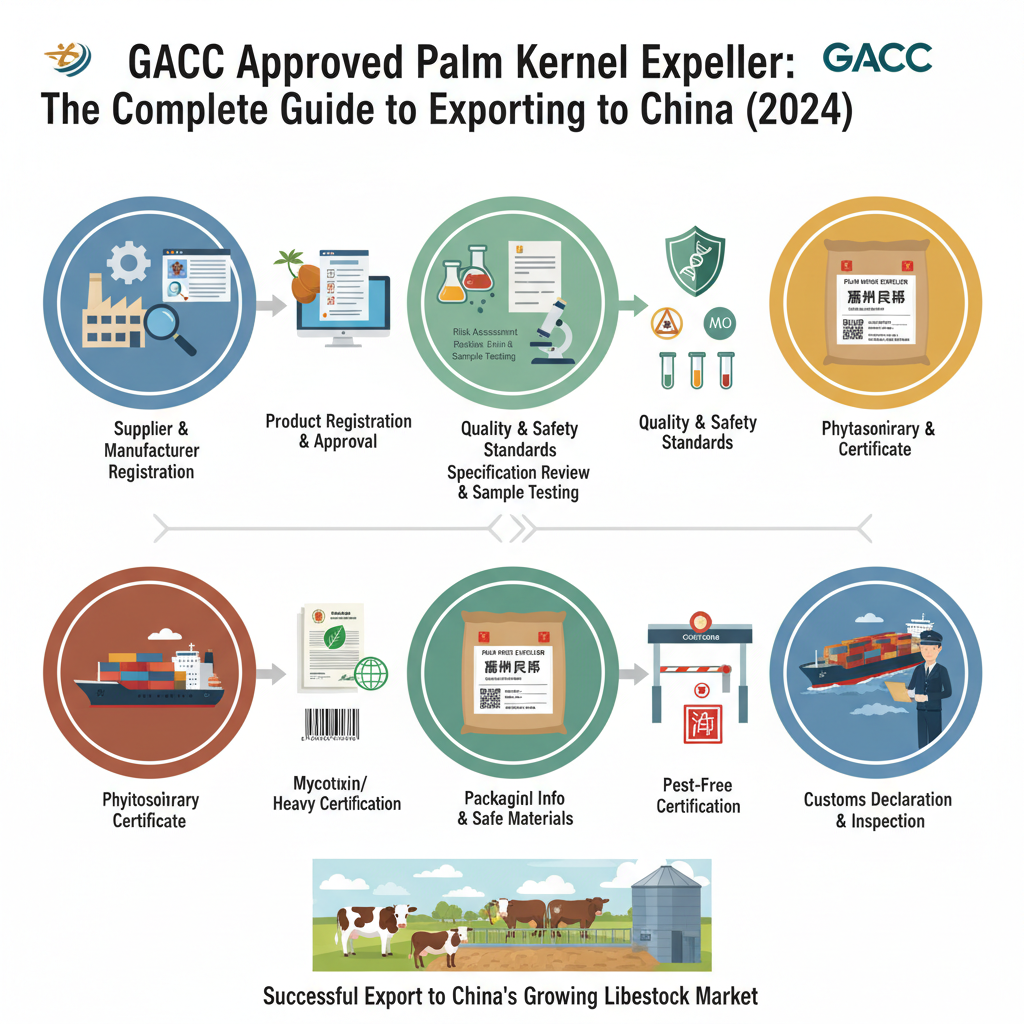
GACC Approved Palm Kernel Expeller: Your Ultimate 2026 Guide
Securing a shipment of Mesin Pengekstrak Inti Sawit yang Disetujui GACC is the single most critical step for successfully entering China’s massive animal feed market. With regulations tightening in 2026, many exporters face costly rejections, turning profitable opportunities into logistical nightmares.
This guide provides the definitive roadmap to ensure your palm kernel expeller meets every GACC requirement for seamless customs clearance. Don’t let your business be left behind.
The demand for high-protein animal feed ingredients in China is insatiable, driven by the world’s largest livestock industry. According to industry analysis, China’s feed production is projected to exceed 300 million metric tons by 2026. However, tapping into this lucrative market is impossible without navigating the stringent protocols set by the General Administration of Customs of the People’s Republic of China (GACC).
Our comprehensive guide demystifies the process, providing actionable steps to get your product from the mill to the mainland, fully compliant and ready for sale.
What Exactly is a GACC Approved Palm Kernel Expeller?
Understanding the terminology is the first step toward compliance. This isn’t just about the product; it’s about the certified status that grants it entry into one of the world’s most regulated markets. This section breaks down the core concepts.
Defining Palm Kernel Expeller (PKE) as a High-Value Feed Ingredient
Palm Kernel Expeller (PKE) is a by-product of the palm oil extraction process, derived from crushing the kernel of the palm fruit. It is a highly sought-after ingredient in compound feed for livestock, particularly ruminants, due to its excellent balance of protein (14-18%), fiber, and energy.
Tidak seperti Tepung Kopra, which comes from coconuts, PKE has a unique amino acid profile that makes it ideal for dairy cattle and beef fattening operations. Its cost-effectiveness and nutritional value make it a staple in global feed formulations.
Peran Penting GACC di Pasar Impor China
The GACC is the primary authority overseeing the safety and quality of all imported and exported goods in China, including agricultural products. It consolidated the functions of the former agency, AQSIQ. For exporters, GACC registration is a non-negotiable license to operate.
A facility that produces or handles PKE for export to China must be registered in the GACC’s CIFER (China Import Food Enterprise Registration) system. A product labeled as a “GACC Approved Palm Kernel Expeller” signifies that it originates from a facility that has passed this rigorous inspection and approval process, as detailed on the situs web resmi GACC.
Why Unregistered PKE Shipments Are Doomed to Fail
Attempting to export PKE to China from an unregistered facility is a guaranteed failure. As of January 1, 2022, GACC’s Decree 248 mandates that all overseas food-producing, processing, and storage facilities must be registered to be eligible for export to China.
Shipments arriving without a valid registration number are subject to immediate rejection, destruction, or re-export at the shipper’s expense. This results in devastating financial losses and can lead to a company being blacklisted from future trade.
[Image: High-quality photo of golden-brown Palm Kernel Expeller in a large, clean pile. Title: “High-Quality Palm Kernel Expeller (PKE)”. Alt: “Close-up of GACC Approved Palm Kernel Expeller ready for export.”]
The 2026 GACC Registration Process: A Step-by-Step Guide
Achieving GACC registration requires meticulous preparation and a systematic approach. The process involves far more than simply filling out a form; it requires a top-to-bottom commitment to quality and traceability. Follow these five steps to navigate the process successfully.
- Internal Audit & Gap Analysis: Before applying, conduct a thorough internal audit against GACC’s requirements and relevant Chinese National Standards (GB Standards). Identify and rectify any gaps in your production process, quality control, or traceability systems.
- Documentation Preparation: Compile a comprehensive dossier. This typically includes your business license, HACCP/ISO 22000 certification, facility blueprints, production flowcharts, pest control records, and a detailed product description, including specifications for your Mesin Pengekstrak Inti Sawit.
- Application via CIFER System: Your competent local authority (e.g., the Ministry of Agriculture in your country) must recommend your facility. Once recommended, you can complete the registration application through the online CIFER portal. All information must be accurate and consistent.
- GACC Review and Potential Inspection: The GACC will review your submitted documents. They may request additional information or, in some cases, conduct a remote video inspection or an on-site audit of your facility to verify compliance.
- Persetujuan dan Pencatatan: Once approved, your facility will be assigned a unique registration number in China and will be publicly listed in the GACC database. This number must be clearly marked on all packaging for products shipped to China.
Key Quality Specifications for GACC Approved Palm Kernel Expeller
Meeting GACC’s standards goes beyond registration; the product itself must consistently adhere to specific quality and safety parameters. These specifications for a Mesin Pengekstrak Inti Sawit yang Disetujui GACC are often stricter than in other markets. As a supplier, demonstrating control over these factors is paramount.
Nutritional Profile for GACC Approved Palm Kernel Expeller
GACC requires a clear and accurate declaration of the nutritional content. While PKE is valued for its nutrient density, consistency is key. Exporters must have robust quality control measures to ensure that every batch meets the declared specifications for crude protein, crude fat, crude fiber, and moisture content. Fluctuations can lead to disputes and rejections.
Contaminant Limits for GACC Approved Palm Kernel Expeller
This is the most critical area of GACC scrutiny. China has extremely low tolerance limits for contaminants. For instance, aflatoxin B1 levels in feed ingredients must be exceptionally low. According to research in journals like Ilmu dan Teknologi Pakan Ternak, proper drying and storage are crucial to inhibit mold growth that produces these toxins. Regular lab testing for heavy metals (like lead and arsenic) and pesticide residues is mandatory to prove compliance.
Ensuring Physical Characteristics of Your PKE
The physical state of the PKE is also assessed. It should have a uniform golden-brown color, a fresh and nutty odor, and be free from clumps, foreign objects, or signs of spoilage. Any deviation can be a red flag for customs inspectors, triggering further investigation and delays. Consistency in these physical traits signals a well-managed production process.
Comparing Compliant vs. Non-Compliant PKE Shipments
The difference between a successful export and a failed one lies in the details. Understanding these distinctions is crucial for risk management. Here’s a clear comparison of what inspectors look for:
| Factor | GACC Compliant Shipment | Non-Compliant (Rejected) Shipment |
|---|---|---|
| Registration Status | Origin facility has a valid GACC registration number clearly displayed. | No GACC number, expired registration, or number from a different facility. |
| Packaging & Labeling | Labels in both English and Mandarin, including GACC number, net weight, production date, and manufacturer details. | Missing Mandarin labels, incorrect GACC number, or incomplete information. |
| Sertifikat Analisis (COA) | COA matches the shipment, showing compliance with China’s GB standards for contaminants. | COA shows results exceeding limits, is missing, or does not match the product. |
| Product Consistency | Product is uniform in color and texture, free from foreign materials. | Visible mold, discoloration, foul odor, or presence of contaminants like stones or plastic. |
[Infographic Concept: “The 4-Step GACC Registration Process for PKE”. It would visually show: 1. Document Prep -> 2. CIFER Application -> 3. GACC Review -> 4. Approval & Listing. Alt: “Infographic detailing the GACC registration process for Palm Kernel Expeller.” Title: “GACC Registration Process for Palm Kernel Expeller”]
Common Mistakes to Avoid When Exporting PKE to China
Many experienced exporters falter due to avoidable errors when shipping Mesin Pengekstrak Inti Sawit yang Disetujui GACC. As reported by leading industry publications like World-Grain.com, compliance issues are a top reason for trade disruptions. Being aware of these common pitfalls is the first step to mitigating them.
- Inaccurate Documentation: Even minor typos or inconsistencies between your commercial invoice, bill of lading, and COA can trigger alarms. Ensure every document is perfectly aligned.
- Ignoring Chinese GB Standards: Don’t assume that because your product meets EU or US standards, it will pass in China. You must test against and comply with China’s specific National Standards (known as GB standards) for animal feed. To understand the core requirements, review the specifications for a compliant Mesin Pengekstrak Inti Sawit yang Disetujui GACC.
- Poor Supplier Vetting: As an importer, relying on a supplier who is not truly GACC-compliant is a massive risk. Always verify a supplier’s GACC registration number directly on the official database before committing to a purchase.
- Mislabeling and Packaging Errors: The GACC has strict rules for labeling. The GACC registration number must be on every single bag or container. All required information must be present and legible in both English and Mandarin.
Partnering with a Top-Tier GACC Approved Palm Kernel Expeller Supplier
The easiest way to ensure compliance and minimize risk is to partner with a supplier who has a proven track record of successfully exporting to China. These suppliers have already integrated GACC requirements into their core operations.
What to Look For in a Reliable PKE Manufacturer
Look for a supplier that offers full transparency. They should be willing to provide their GACC registration details for verification and share recent COAs from independent labs.
A reliable partner acts as more than a seller; they are a compliance expert who understands the intricacies of the Chinese market, including related products like Cangkang Inti Sawit which also has specific import requirements.
Makmur Amanah Sejahtera Menyediakan produk-produk kelapa sawit berkualitas tinggi seperti bungkil inti kelapa sawit, cangkang inti kelapa sawit, minyak kelapa sawit mentah, minyak inti kelapa sawit, dll. Silakan hubungi kami di WhatsApp +6282140002198 atau kirim email kepada kami di admin@makmuramanah.co.id.
[Image: A logistics photo showing PKE being loaded into a shipping container, with workers in safety vests overseeing the process. Title: “Exporting Palm Kernel Expeller to China”. Alt: “Loading a shipment of GACC Approved Palm Kernel Expeller for China.”]
Pertanyaan yang Sering Diajukan (FAQ)
How long is a GACC registration for PKE valid?
A GACC registration for feed ingredient facilities is valid for 5 years. Exporters must apply for renewal before the expiration date to ensure continuous, uninterrupted export eligibility to China and avoid any potential trade disruptions.
Apa perbedaan utama antara Palm Kernel Expeller dan Palm Kernel Cake?
While often used interchangeably, “expeller” refers to PKE made via mechanical pressing, which has higher oil content. “Cake” can imply solvent extraction with lower oil. For GACC, the specific production method and final specifications must be clearly defined and declared.
Can I export other products like Calcium Salts of Palm Oil Fatty Acids under the same registration?
No, GACC registration is product-specific. Each product category, such as PKE or more specialized derivatives like Garam Kalsium dari Asam Lemak Minyak Sawit, needs its own separate registration and approval, as the production methods, risks, and standards differ.
Is the GACC registration process the same for all animal feed ingredients?
The general framework under Decree 248 is consistent, but specific requirements vary. Risk levels, documentation, and standards can differ significantly between high-risk animal-origin feed and lower-risk plant-based ingredients like a Mesin Pengekstrak Inti Sawit yang Disetujui GACC.
How much does the GACC registration itself cost?
GACC does not charge a direct fee for the registration application itself. However, significant indirect costs exist, including consultant fees, mandatory lab testing, system upgrades, and potential audit travel expenses. Exporters must budget for these essential associated costs.
[Embedded Video Topic: “How to Test PKE for Aflatoxin Levels – A Lab Demonstration”. This would show the process of taking a sample, preparing it, and using testing equipment to get a precise reading, demonstrating a commitment to quality control.]
Conclusion: Your Gateway to the Chinese Feed Market
Successfully exporting to China in 2026 is a discipline, not a transaction. The regulations are complex, but they are navigable with the right knowledge and partners. By prioritizing compliance, focusing on quality control, and maintaining meticulous records, you can secure your position in this vital market.
The ultimate key is to ensure that every shipment you prepare is a fully compliant, certifiably Mesin Pengekstrak Inti Sawit yang Disetujui GACC, leaving no room for error at the port of entry. This commitment to excellence is what separates successful exporters from those left behind.
 Indonesian
  English
  Chinese
  Arabic