
Buy Palm Kernel Expeller in Egypt: 7 Proven Tips (2026)
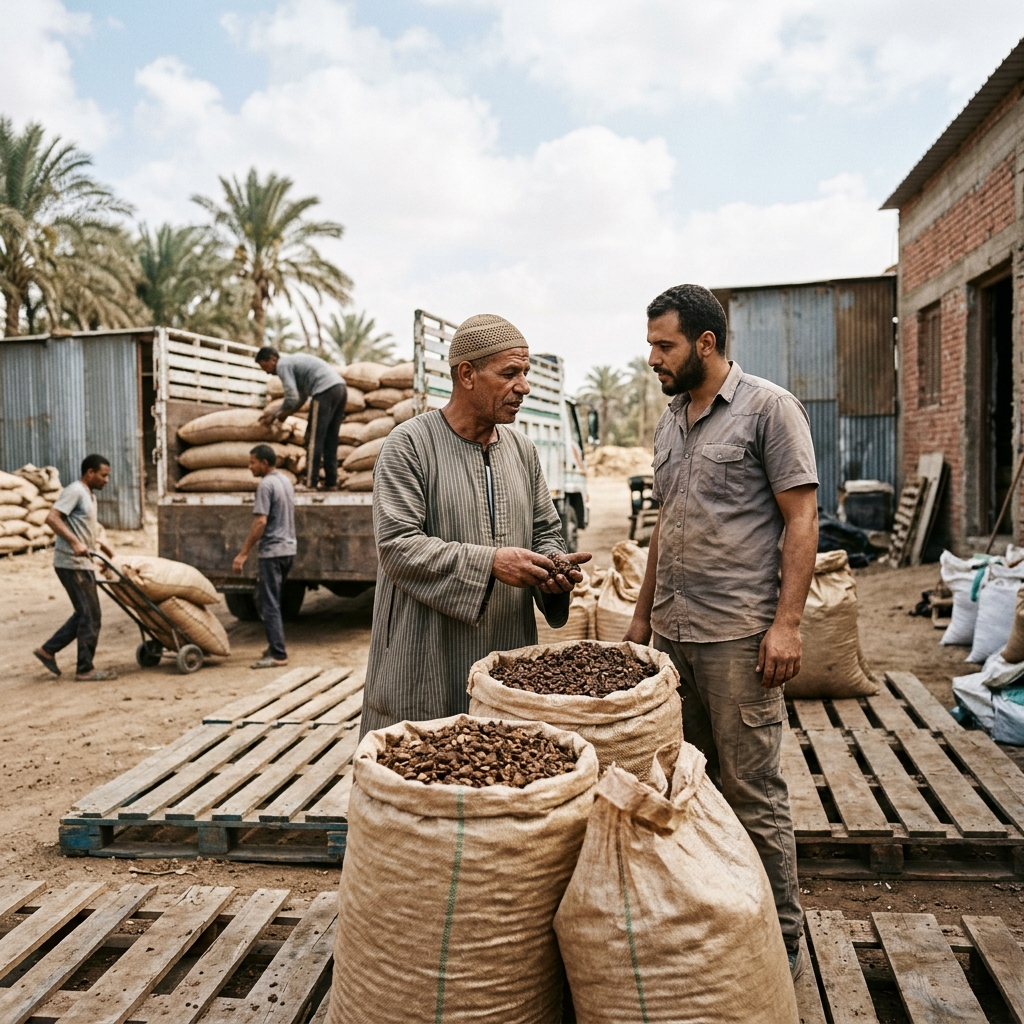
To buy palm kernel expeller in Egypt without enduring supply delays or inflated intermediary markups, feed millers and livestock producers must master direct origin sourcing. Rising commodity prices across North Africa have forced livestock operators to reconsider their traditional feed rations. Sourcing high-energy, protein-rich animal nutrition directly from established Southeast Asian producers is no longer optional—it is a competitive necessity.
Egyptian animal agriculture relies heavily on imported feedstuffs, with corn and soybean meal traditionally dominating dietary formulations. According to reports from the Organisasi Pangan dan Pertanian (FAO), Egypt imports over 60% of its feed ingredients, exposing domestic producers to global price volatility. Palm Kernel Expeller (PKE)—the nutrient-dense byproduct of mechanical palm oil extraction—has emerged as a cost-effective powerhouse for dairy, beef, and sheep nutrition. If you seek to lower ration expenses while sustaining production yields, this guide delivers an actionable blueprint to navigate supply chains, import rules, and quality verification in 2026.
Understanding the Rising Demand to Buy Palm Kernel Expeller in Egypt
Demand for alternative feed ingredients across Egypt has surged at an unprecedented rate. Commercial livestock operations throughout the Nile Delta and reclaimed agricultural zones actively adjust formulations to preserve profit margins against fluctuating grain prices. Consequently, procurement officers increasingly prefer to buy palm kernel expeller in Egypt as a proven substitute for costlier grain components.
Furthermore, local feed compounders recognize that Palm Kernel Expeller delivers a dependable source of both medium-chain fats and digestible fiber. Unlike basic roughage, PKE provides balanced nutrition that complements standard Egyptian fodder such as clover (berseem) and corn silage. Dairy producers who choose to buy palm kernel expeller in Egypt routinely maintain butterfat metrics even during hot summer months.
The Shift Toward Cost-Effective Alternative Feeds
Feed represents approximately 70% to 75% of total operating overhead for Egyptian dairy and beef feedlots. Historically, excessive reliance on imported yellow corn created severe liquidity strains during currency devaluations. By integrating quality palm oil byproducts Egypt compounders significantly lower raw material expenditures without sacrificing dry matter intake.
Moreover, modern ration formulation software treats PKE as an exceptional energy-and-protein bridge. In contrast to single-dimension fillers, premium pengepres inti sawit supplies critical rumen-degradable fiber. This unique nutritional matrix makes it an indispensable buffer ingredient for intensive feedlot regimes across the country.
Nutritional Profile: Balancing Protein, Fiber, and Energy
Nutritional value determines real feed efficiency. Standard mechanical expeller meal contains 14.5% to 17.5% crude protein alongside an oil fraction of 7% to 10%. Because the oil is cold-expelled rather than chemically extracted, the residual fat remains biologically accessible, delivering high metabolizable energy.
Additionally, researchers published in the Jurnal Ilmu dan Teknologi Pakan Hewan demonstrate that the neutral detergent fiber (NDF) in PKE digests smoothly without inciting metabolic acidosis. This makes the ingredient both a safe energy reserve and an exceptional digestive conditioner for commercial ruminants.
Strategic Logistics to Buy Palm Kernel Expeller in Egypt Wholesale
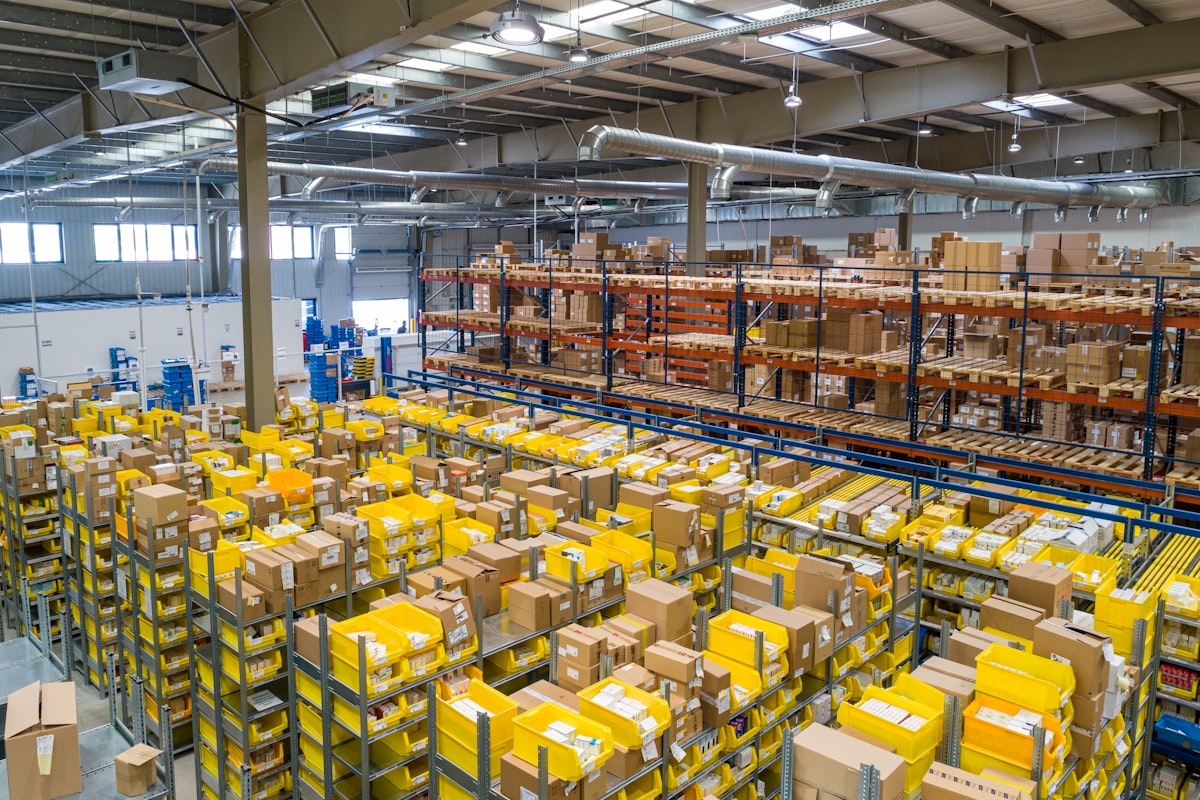
Purchasing wholesale bulk commodities demands rigorous shipping coordination. Commercial livestock associations often consolidate cargo volumes to buy palm kernel expeller in Egypt at favorable freight scales. Consolidating volume allows buyers to reduce inland haulage rates between regional maritime gates and central agricultural valleys.
Similarly, smart feed compounders combine their PKE imports with high-grade absorbent materials like cocopeat for modernized livestock housing and desert soil remediation. Coordinating multipurpose agricultural cargo ensures container capacities remain fully optimized on every voyage.
Why Commercial Livestock Producers Buy Palm Kernel Expeller in Egypt
When livestock operators make the commercial decision to buy palm kernel expeller in Egypt, they gain both nutritional and operational benefits. The physical resilience of the meal prevents early spoiling, which is a major advantage given Egypt’s dry, warm climate. Storage losses drop dramatically when compared against moist or unrefined local residues.
Furthermore, the physical pellet or broken flake structure simplifies automated mechanical blending. Egyptian feed factories mix bulk PKE cleanly with molasses, mineral premixes, and concentrated proteins. The resulting mash or pellet displays consistent bulk density and flowability.

Rumen Health and Milk Fat Optimization
Dairy farming along the Nile Delta relies on maintaining high butterfat yields for commercial milk processors. High-starch rations frequently induce subacute ruminal acidosis (SARA), which cuts milk fat yield and harms cattle hoof health. However, PKE replaces starch-based energy with digestible neutral detergent fiber and lipid energy.
Because the residual oil in PKE contains valuable lauric and myristic fatty acids, ruminants convert these dietary fats straight into milk fat precursors. Farms that buy palm kernel expeller in Egypt routinely achieve stable milk fat metrics above 3.8% across Holstein and crossbred herds throughout seasonal heat waves.
Digestive Safety in Commercial Beef Feedlots
Beef finishing units in desert backlands demand rapid average daily gain (ADG) without digestive crashes. Feeding high proportions of cracked corn routinely threatens ruminal parakeratosis. In contrast, incorporating 20% to 35% palm kernel meal provides dense caloric value while stabilizing rumen pH.
Additionally, livestock nutritionists often pair PKE with protected lipids such as garam kalsium dari asam lemak minyak sawit. This approach elevates caloric density during the terminal 60-day finishing phase, producing optimum carcass yields and marbling scores.
Hedging Against Volatile Grain Markets
Global grain trading environments fluctuate due to shipping constraints and climatic anomalies. Maintaining multiple import options shields feed mills against localized supply interruptions. According to agricultural commodity data from the Departemen Pertanian Amerika Serikat (USDA), diversified ingredient sourcing cuts financial risk significantly during grain supply disruptions.
When commercial operators buy palm kernel expeller in Egypt, they diversify procurement channels beyond the Black Sea and the Americas toward reliable Southeast Asian ports. This strategic hedge ensures that milling machinery continues operating without costly downtime.
PKE Compared to Alternative Ruminant Feed Ingredients
Evaluating feed ingredients requires comparing their complete nutritional delivery, storage stability, and landed cost. The following table highlights why commercial operations buy palm kernel expeller in Egypt to optimize their livestock feeding programs:
| Bahan Pakan | Crude Protein (CP %) | Crude Fat / Oil (%) | Crude Fiber (%) | Acidosis Risk | Relative Cost per Ton |
|---|---|---|---|---|---|
| Mesin Pengekstrak Inti Sawit (PKE) | 14.5% – 17.5% | 7.0% – 10.0% | 15.0% – 18.0% | Sangat Rendah | Economical / Low |
| Yellow Corn | 8.0% – 9.0% | 3.5% – 4.0% | 2.0% – 2.5% | High (Starch) | Tinggi |
| Soybean Meal (44%) | 44.0% – 48.0% | 1.0% – 2.0% | 5.0% – 7.0% | Rendah | Sangat Tinggi |
| Wheat Bran | 14.0% – 16.0% | 3.5% – 4.5% | 9.0% – 11.0% | Sedang | Sedang |
| Tepung Kopra | 20.0% – 22.0% | 6.0% – 9.0% | 11.0% – 13.0% | Sangat Rendah | Sedang |
As demonstrated in the nutritional matrix above, PKE supplies an ideal balance between moderate crude protein animal feed requirements and safe dietary lipids. It eliminates the metabolic acidosis risks common with heavy grain feeding while offering substantial raw material savings per ton.
Step-by-Step Guide to Buy Palm Kernel Expeller in Egypt
Importing agricultural commodities into North Africa demands strict planning and dependable trade logistics. Feed producers must coordinate with regulatory authorities while managing international maritime routes. Follow these five practical steps to buy palm kernel expeller in Egypt securely and cost-effectively:
- Calculate Accurate Intake: Determine monthly factory consumption to choose between 20-foot containerized shipments (FCL) or chartering handysize bulk breakbulk vessels (5,000 to 15,000 MT).
- Source Direct from Certified Mills: Partner with established Indonesian export consolidators possessing ISO 9001, GMP+, or certified chain-of-custody protocols.
- Request Certified Laboratory Assays: Validate pre-shipment Certificates of Analysis (COA) specifying crude protein, moisture, sand/silica, and aflatoxin thresholds.
- Coordinate Discharge Ports: Select Alexandria, Damietta, or Port Said based on inland transit corridors to your feed manufacturing facility.
- Secure Regulatory Clearances: Obtain advance import permits through the Ministry of Agriculture and Land Reclamation prior to vessel discharge.
Sourcing from Verified Indonesian Suppliers
Indonesia remains the premier global origin for high-grade oil palm byproducts. Sourcing directly from verified Indonesian processors removes unnecessary brokerage layers and ensures competitive bulk feed import Alexandria rates. It also guarantees fresher shipments with minimal storage degradation.
Furthermore, established suppliers can combine various cargo components within unified logistical arrangements. For example, commercial biomass buyers often combine feed imports with cangkang inti sawit for industrial boilers, cutting overall freight overhead.
Port Clearance at Alexandria, Damietta, and Port Said
Alexandria and Damietta handle the bulk of imported animal feed entering Egypt. Damietta provides dedicated deep-water grain quays and conveyor machinery suitable for rapid discharge of bulk agricultural commodities. These automated terminals significantly reduce vessel turnaround times and demurrage expenses.
Conversely, containerized shipments packed into 50kg polypropylene bags or 1-ton jumbo bags frequently enter via Port Said. Container deliveries are ideal for small to mid-sized feed plants lacking large-scale port silo access.
Egyptian Veterinary and Phytosanitary Regulations
The Central Administration of Plant Quarantine (CAPQ) and the General Organization for Export and Import Control (GOEIC) enforce rigorous standards on feed imports. All consignments must arrive with an official Phytosanitary Certificate and non-radioactivity documentation from origin authorities.
Additionally, inspectors test upon arrival for mold development, toxic substances, and noxious weed seeds. Working with experienced shippers ensures your documentation satisfies Egyptian regulatory checks without expensive port holds.
Specifications and Quality Standards to Inspect Before Purchase
Securing high nutritional returns requires strict technical oversight when you buy palm kernel expeller in Egypt. Never purchase raw commodities without verifying detailed laboratory assays from independent inspectors like SGS or Intertek.
- Kandungan Air: Must remain below 10.0% to 12.0% to eliminate the risk of heating and fungal growth during maritime transit.
- Protein Kasar (CP): Standard mechanical expeller meal should meet or exceed 14.5% to 16.0% CP on a dry-matter basis.
- Lemak Kasar (Ekstrak Eter): Target 7.0% to 9.5% residual oil content for optimal energy density in dairy cattle feed ration formulations.
- Sand and Silica Content: Should measure strictly below 2.5% to prevent gastrointestinal abrasion in feedlot cattle.
- Total Aflatoxin Count: Must measure strictly under 20 parts per billion (ppb) to satisfy Egyptian veterinary health standards.
Expeller Pressed vs. Solvent Extracted Meal
Commercial buyers must clearly distinguish between mechanical Palm Kernel Expeller (PKE) and solvent-extracted Palm Kernel Meal (PKM). Mechanical expeller processing relies on screw presses to crush the kernel, leaving 7% to 10% natural oil inside the meal. This high residual oil level substantially boosts caloric density.
Conversely, solvent extraction uses chemical solvents such as hexane to draw out nearly all lipids, leaving less than 2% crude fat. While solvent meal offers a slightly higher dry-protein percentage, it lacks the dense energy profile of expeller cake. For ruminant diets in Egypt, mechanical expeller delivers superior overall value.
Cost Factors and Practical Procurement Strategies for 2026
Import expenses depend on international freight conditions, seasonal harvesting cycles, and currency exchange mechanisms. Careful financial structuring ensures your delivered price per ton remains competitive against domestic feed alternatives.

Moreover, timing bulk purchases during peak milling months in Southeast Asia (typically July through November) often yields lower FOB pricing. Savvy procurement teams closely monitor crop output reports from the Dewan Minyak Sawit Malaysia (MPOC) and Indonesian trade agencies to place orders during seasonal market dips.
Ocean Freight and Container vs. Bulk Charters
Shipping costs from Southeast Asian origins through the Indian Ocean and Suez Canal directly influence CIF pricing. Importers purchasing small quantities (100 to 500 metric tons) usually opt for 40-foot dry containers loaded with 50-kilogram bags. Containerized freight protects against moisture and simplifies warehouse handling.
On the other hand, massive commercial feed manufacturers pool purchasing volume to book geared breakbulk vessels of 10,000 metric tons or more. While bulk vessels require specialized port handling facilities, they minimize ocean freight charges per metric ton.
Currency Exchange and Trade Terms in 2026
Commercial transactions typically run on documentary Letters of Credit (LC at sight) or confirmed bank arrangements. Clarify International Commercial Terms (Incoterms 2020) carefully before finalizing trade contracts. Sourcing on CIF (Cost, Insurance, and Freight) or CFR (Cost and Freight) terms transfers maritime risk management to experienced exporters.
Reviewing historical contracts indicates that the landed palm kernel expeller price per ton egypt 2026 projections remain significantly below imported corn and soybean equivalents. This pricing spread provides Egyptian livestock producers with the financial resilience necessary to expand their herds profitably.
Direct Sourcing From Certified Indonesian Producers
Makmur Amanah Sejahtera Menyediakan produk-produk kelapa sawit berkualitas tinggi seperti bungkil inti kelapa sawit, cangkang inti kelapa sawit, minyak kelapa sawit mentah, minyak inti kelapa sawit, dll. Silakan hubungi kami melalui WhatsApp. +6282140002198 atau kirim email kepada kami di admin@makmuramanah.co.id.
Pertanyaan yang Sering Diajukan
What is the crude protein content of Palm Kernel Expeller?
Palm Kernel Expeller contains between 14.5% and 17.5% crude protein on a dry-matter basis. This balanced concentration bridges the nutritional gap between low-protein grains like corn and expensive concentrates like soybean meal, creating stable and cost-effective daily ruminant rations.
How do I verify import compliance when I buy palm kernel expeller in Egypt?
Importers must verify origin Phytosanitary Certificates, commercial laboratory assays, and non-radioactivity documentation before shipping. Upon arrival, the Central Administration of Plant Quarantine and GOEIC inspect consignments at Alexandria or Damietta to ensure aflatoxin levels remain strictly below the mandatory 20 ppb threshold.
Can palm kernel expeller be used for poultry and aquaculture in Egypt?
PKE contains non-starch polysaccharides and fibrous mannans that monogastric animals cannot easily digest. While poultry can utilize 3% to 5% with enzyme supplementation, commercial value remains concentrated in dairy cows, beef feedlots, and sheep, where rumen microbes rapidly convert fibrous matter into energy.
What is the typical shipping transit time from Indonesia to Alexandria or Damietta?
Direct maritime ocean freight transit from major Indonesian ports like Belawan or Dumai to Alexandria or Damietta takes 18 to 25 days. Container shipments moving through intermediate transshipment hubs can take between 28 and 35 days depending on carrier schedules and canal transit windows.
How does PKE help prevent subacute ruminal acidosis (SARA)?
Unlike cereal grains rich in rapidly fermentable starches, PKE delivers metabolizable energy through residual lipids and digestible neutral detergent fiber. This structural carbohydrate matrix digests moderately, preventing dangerous lactic acid spikes and stabilizing healthy rumen pH levels across intensive dairy and beef operations.
Conclusion: Securing Your Livestock Nutrition Strategy in 2026
Modern livestock farming in Egypt demands sharp operational focus and cost-efficient feeding methods. Rising grain volatility highlights the strategic value of incorporating reliable oil palm byproducts into everyday production schedules. As commercial feed operations continue expanding their rations, the choice to buy palm kernel expeller in Egypt directly from origin mills provides a reliable buffer against unpredictable ingredient costs.
By reviewing third-party chemical assays, managing freight timelines, and establishing relationships with established origin suppliers, Egyptian importers can guarantee dependable feed consistency. Contact verified processors today to transform your feed formulation strategy, protect herd digestive health, and lock in reliable commercial margins for 2026 and beyond.
 Indonesian
 English
 Chinese
 Arabic
