
Procuring GACC approved palm kernel expeller from Indonesia requires navigating complex international trade protocols, biosecurity mandates, and customs checkpoints. Buyers face severe financial penalties or shipment seizures if their Indonesian supplier lacks valid registration with the General Administration of Customs of China (GACC). This comprehensive guide delivers a step-by-step roadmap to sourcing certified, premium-grade palm kernel expeller with complete regulatory compliance in 2026.
GACC approved palm kernel expeller is mechanically extracted palm kernel meal produced by Indonesian processing facilities officially registered under GACC Decree 248 and 249. This agricultural byproduct provides a cost-effective, energy-dense, and fiber-rich feed supplement for dairy cows, beef cattle, and swine across Chinese and East Asian livestock sectors.
Global demand for commercial animal feed ingredients has escalated sharply over the past three years. According to international agricultural trade data published by the Layanan Pertanian Luar Negeri USDA, Southeast Asian oil palm residues now represent one of the fastest-growing protein and fiber components in global feed rations. However, customs enforcement in mainland China has reached unprecedented strictness under revised quarantine protocols.
Understanding GACC Approved Palm Kernel Expeller Regulatory Standards in 2026
The General Administration of Customs of China regulates all agricultural imports to prevent cross-border pest transmission and feed contamination. Any Indonesian manufacturer producing animal feed materials must hold a validated registration code issued directly by customs authorities through bilateral agreements.
Importing uncertified meal results in immediate vessel quarantine, forced cargo re-export, or port-side incineration at the buyer’s expense. Therefore, working solely with an established Indonesian producer possessing verified documentation protects your commercial capital.
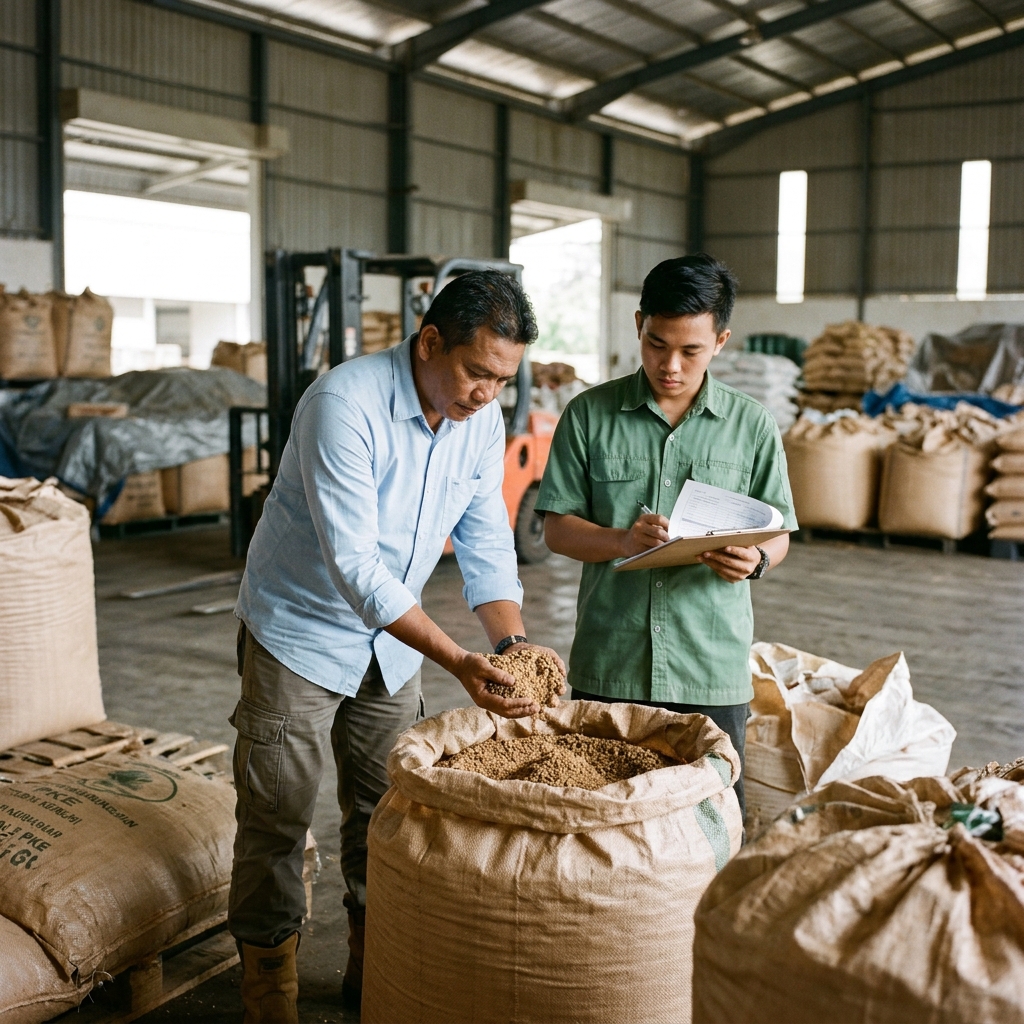
[Image: High-resolution photograph of certified Indonesian palm kernel expeller stored in bulk warehouses ready for vessel loading with official inspection seals]
Alt text: GACC approved palm kernel expeller ready for export shipping in Indonesia
Title: GACC Approved Palm Kernel Expeller Export Warehouse
Under Decrees 248 and 249, overseas manufacturing enterprises must undergo rigorous facility audits conducted in coordination with the Indonesian Agricultural Quarantine Agency (Barantan). Inspectors review every operational layer, including raw kernel origin, crushing facility sanitation, pest control protocols, and lab testing capabilities.
Furthermore, China’s Single Window customs portal tracks the validity of foreign feed mill registrations in real time. Importers should consistently verify their supplier’s registration code against the official directory published on the General Administration of Customs of China registry before signing binding letters of credit.
Biosecurity Protocols Under GACC Decrees 248 and 249
Decrees 248 and 249 govern the registration and administration of overseas producers of imported food and agricultural commodities. The primary directive requires full supply chain traceability from raw fruit bunches to packaged meal pallets.
Indonesian crushing facilities must maintain standardized hazard analysis and critical control point (HACCP) protocols. Any deviation in pest exclusion, temperature logging, or equipment sanitization disqualifies a manufacturing plant from exporting feed meal to Chinese ports.
The Role of CIFER System in Feed Enterprise Auditing
The China Import Food Enterprise Registration (CIFER) system centralizes all application dossiers, renewal cycles, and customs declarations. Indonesian suppliers must undergo local ministry endorsement before submitting biosecurity compliance records through CIFER.
Importers must check that the registration status displays valid approval rather than expired or provisional status. Transactions executed under outdated CIFER numbers face immediate rejection at Chinese discharge ports.
Why Indonesian Palm Kernel Expeller Dominates the Global Feed Market
Indonesia remains the undisputed planetary leader in sustainable palm oil production. The archipelago’s crushing mills generate millions of metric tons of high-grade palm kernel expeller (PKE) annually, giving buyers unmatched supply chain reliability and competitive pricing advantages.
Industrial livestock producers prioritize sourcing GACC approved palm kernel expeller due to its balanced nutritional profile. The mechanical screw-pressing extraction technique retains functional residual oil, giving the expeller superior caloric value compared to chemically solvent-extracted meals.
Additionally, agricultural operations frequently diversify their feed formulations by combining palm derivatives with complementary fiber sources. Forward-thinking millers often procure related tropical feedstuffs, such as premium Tepung Kopra, to tailor amino acid balances across diverse ruminant diets.
Penelitian yang dipublikasikan di Journal of Stored Products Research confirms that properly processed mechanical palm kernel expeller possesses exceptional physical stability during ocean transit. Its natural resistance to rapid rancidity makes it an ideal bulk commodity for long-haul maritime routes spanning from Sumatra and Kalimantan to northern Chinese ports.
Global guidelines documented by the Food and Agriculture Organization highlight palm kernel meal as an exceptional source of digestible fiber and medium-chain fatty acids for dairy performance, supporting milk fat synthesis without inducing rumen acidosis.
Technical Specifications of GACC Approved Palm Kernel Expeller
Meeting Chinese import standards requires strict conformity to biophysical parameters. Shipments undergo rigorous laboratory sampling upon arrival at China Inspection and Quarantine (CIQ) checkpoints.
The table below outlines the core nutritional thresholds and safety benchmarks demanded for certified shipments arriving in 2026:
| Analytical Parameter | Standard Commercial PKE | GACC Compliant Export Grade | Testing Methodology |
|---|---|---|---|
| Crude Protein (Dry Matter) | 14.0% – 16.0% | Minimum 15.0% – 17.5% | Kjeldahl Method (ISO 5983) |
| Crude Fat / Residual Oil | 6.0% – 8.0% | 7.0% – 9.5% | Soxhlet Extraction |
| Kandungan Air | Max 12.0% | Max 8.0% – 10.0% | Oven Drying (105°C) |
| Serat Kasar | 16.0% – 18.0% | Max 15.0% – 17.0% | Acid-Detergent Fiber (ADF) |
| Sand and Silica | Max 2.5% | Max 1.0% – 1.5% | Gravimetric Ashing |
| Aflatoxin B1 | Below 50 ppb | Below 20 ppb (Strict Max) | HPLC / ELISA |
Quality Benchmarks for GACC Approved Palm Kernel Expeller
The primary reason customs agents reject shipments is excessive moisture leading to post-loading fungal development. When moisture surpasses 10%, maritime heat accelerates the proliferation of Aspergillus flavus, driving aflatoxin production beyond permissible import limits.
Moreover, CIQ laboratories test for unwanted contaminants such as Salmonella, pathogenic Enterobacteriaceae, and heavy metals. Certified processing mills apply automated magnetic separators to pull tramp metal and clean raw kernel streams prior to crushing.
[Image: Infographic diagram displaying the mechanical screw press extraction process converting raw Indonesian palm nuts into certified GACC approved palm kernel expeller pellets and meal]
Alt text: Processing flow of GACC approved palm kernel expeller in Indonesian extraction mill
Title: Production Flow of GACC Approved Palm Kernel Expeller
Microbiological Thresholds and Chemical Contaminant Controls
Beyond nutritional metrics, Chinese authorities enforce zero tolerance for dangerous pathogenic strains in imported animal feed. Testing teams screen each composite lot for Salmonella species across multiple culture points to verify that expeller batches remain sanitary.
Mills must maintain automated temperature logging during the mechanical expelling cycle. Frictional heating during screw extraction reaches over 90°C, naturally sterilizing the meal matrix without requiring chemical sanitizers.
Step-by-Step Guide: How to Import GACC Approved Palm Kernel Expeller from Indonesia
Executing a frictionless import transaction requires systematic due diligence. Follow this five-step operational workflow to secure consistent, high-yield feed shipments:
-
Validate Facility Credentials on the GACC Single Window Portal:
Never rely on scanned certificates provided via email. Verify that the Indonesian supplier’s corporate name, plant location, and registration number appear active on the General Administration of Customs registration database. -
Establish Clear Contractual Specifications:
Draft purchase contracts specifying exact parameters for moisture, aflatoxin B1, crude protein, and residual oil. Include clear clauses specifying independent third-party surveying at the load port (such as Sucofindo or SGS). -
Coordinate Load-Port Quarantine Clearances:
Ensure the exporter secures a valid Phytosanitary Certificate from the Indonesian Agricultural Quarantine Agency prior to vessel departure. The document must explicitly state the container numbers, vessel name, and GACC establishment number. -
Monitor Vessel Ventilation and Maritime Stowage:
Ensure breakbulk vessels or shipping containers use adequate desiccants and kraft paper lining. Proper sea-transit ventilation prevents condensation sweating, which ruins the expeller during equatorial voyages. -
Execute CIQ Customs Clearance at Destination:
Present the complete document package to China customs upon arrival. Once CIQ completes microbiological verification, they issue the final Customs Inspection and Quarantine Certificate for domestic release.
Load-Port Sampling Protocols by Independent Surveyors
Enlisting accredited independent inspection agencies at Indonesian loading ports ensures cargo integrity before bills of lading get signed. Surveyors extract continuous composite samples throughout conveyor loading cycles in accordance with GAFTA sampling rules.
Contractual terms should require instant moisture, oil, and protein assay results prior to vessel departure. If pre-shipment readings breach agreed thresholds, cargo can be discharged or blended before the ship leaves Indonesian territorial waters.
Customs Clearance and Documentation Checklist for China CIQ
Paperwork discrepancies represent the leading cause of port-clearance delays. Importers sourcing GACC approved palm kernel expeller must ensure their freight forwarders assemble an airtight documentation dossier.
- Original Bill of Lading (B/L): Clean on-board ocean bills detailing exact cargo volume and weights.
- Sertifikat Fitosanitari: Issued by Barantan Indonesia, confirming zero presence of prohibited pests or quarantine weeds.
- Certificate of Origin (Form E): Facilitates preferential duty-free or reduced tariff treatment under the ASEAN-China Free Trade Area (ACFTA).
- Sertifikat Analisis (COA): Comprehensive chemical breakdown compiled by accredited laboratory technicians at loading.
- Commercial Invoice & Packing List: Itemized shipping records detailing commercial value, container seals, and mill registration.
- Non-Wood Packing / Fumigation Certificate: Proof of container gas treatment if utilizing natural timber dunnage.
Additionally, modern agricultural buyers often consolidate renewable energy residues and nutritional fats in their logistical planning. Many firms bundle shipments containing industrial Cangkang Inti Sawit for clean biomass combustion alongside specialized Garam Kalsium dari Asam Lemak Minyak Sawit to optimize dry-matter livestock energy densities.
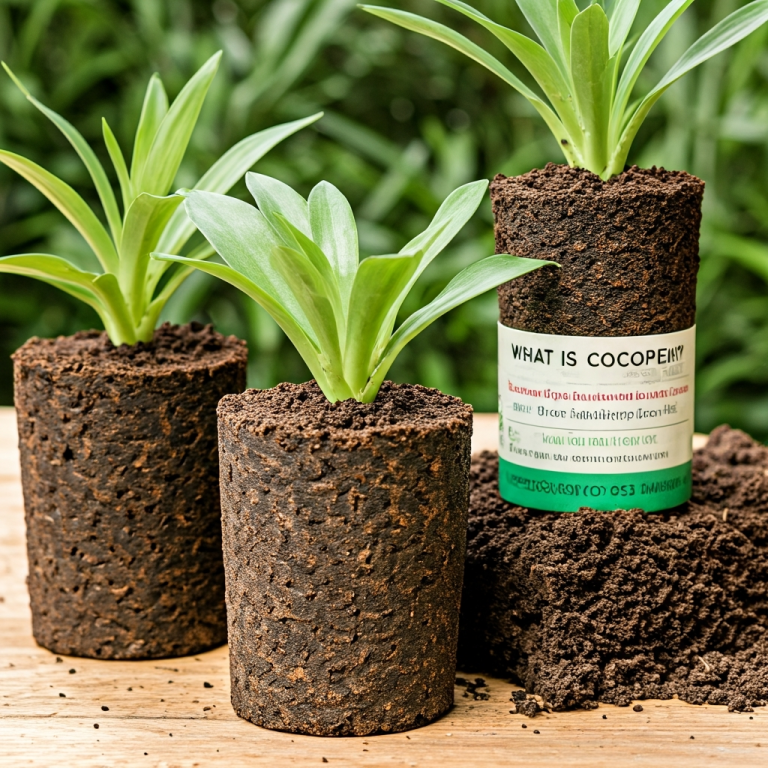
Furthermore, horticultural facilities often order organic growth substrates such as horticultural-grade Cocopeat in shared containers, maximizing ocean freight volume and lowering per-ton distribution expenditures.
Mitigating Supply Chain and Storage Risks in Maritime Shipping
Transporting bulk organic commodities across maritime corridors carries distinct thermodynamic challenges. Bulk stowage of oil palm expeller generates biological heat through residual fatty acid oxidation.
Consequently, vessel captains must maintain strict temperature logging inside dry holds throughout transit. If the temperature within the stowage holds spikes abruptly, forced mechanical air circulation must equalize moisture gradients to suppress hotspot development.
In contrast to loose breakbulk vessels, containerized shipments packed in 50-kilogram polypropylene woven sacks provide enhanced protection against ambient moisture. However, shippers must install continuous moisture-absorbing hanging bags along internal container walls to prevent ceiling drip during rapid climatic shifts.
[Image: Quality control laboratory inspector analyzing palm kernel expeller samples under microscope for purity and absence of foreign materials]
Alt text: Laboratory technician testing GACC approved palm kernel expeller for international export compliance
Title: Quality Assurance Testing of GACC Approved Palm Kernel Expeller
[Video Embed Concept: 5-minute documentary-style video titled “Inside an Indonesian GACC-Certified Palm Kernel Expeller Processing Plant: From Kernel Crushing to Export Vessel Loading”]
Makmur Amanah Sejahtera Menyediakan produk-produk kelapa sawit berkualitas tinggi seperti bungkil inti kelapa sawit, cangkang inti kelapa sawit, minyak kelapa sawit mentah, minyak inti kelapa sawit, dll. Silakan hubungi kami di WhatsApp +6282140002198 atau kirim email kepada kami di admin@makmuramanah.co.id.
Frequently Asked Questions About GACC Approved Palm Kernel Expeller
What does GACC approval mean for palm kernel expeller?
GACC approval certifies that an Indonesian palm kernel expeller processing facility complies with China’s safety Decrees 248 and 249. It guarantees that the exporter’s facility has met rigorous hygiene, traceability, pest mitigation, and laboratory testing standards verified by Chinese customs authorities.
How can I verify if an Indonesian PKE supplier is truly GACC registered?
You can verify registration directly through China’s official Single Window customs portal (cifer.singlewindow.cn). Search the public directory of registered overseas feed manufacturing enterprises using the supplier’s corporate name, country of origin (Indonesia), or specific registration number.
What is the maximum allowable moisture content for export to China?
Chinese customs authorities mandate that palm kernel expeller maintain a maximum moisture level between 8.0% and 10.0%. Keeping moisture below this critical threshold prevents mold formation, lipid degradation, and aflatoxin contamination during ocean transit.
Can uncertified suppliers export palm kernel expeller to China?
No, uncertified facilities cannot clear customs in mainland China. Chinese CIQ authorities reject, re-export, or destroy any animal feed shipments originating from production mills lacking an active, valid GACC registration code on the official registry.
What animal feed rations benefit most from palm kernel expeller?
Ruminants, particularly dairy and beef cattle, benefit most from palm kernel expeller due to their ability to digest high-fiber components. Swine, poultry, and aquaculture feed formulations also incorporate expeller in controlled percentages when balanced with supplemental enzymes.
Conclusion: Securing Your 2026 Feed Supply Chain with GACC Compliance
Navigating the modern agricultural import landscape demands relentless vigilance, strict biosecurity conformance, and direct partnerships with verified producers. Selecting a reliable Indonesian exporter ensures that every container meets the exact chemical, physical, and legal standards required by international customs.
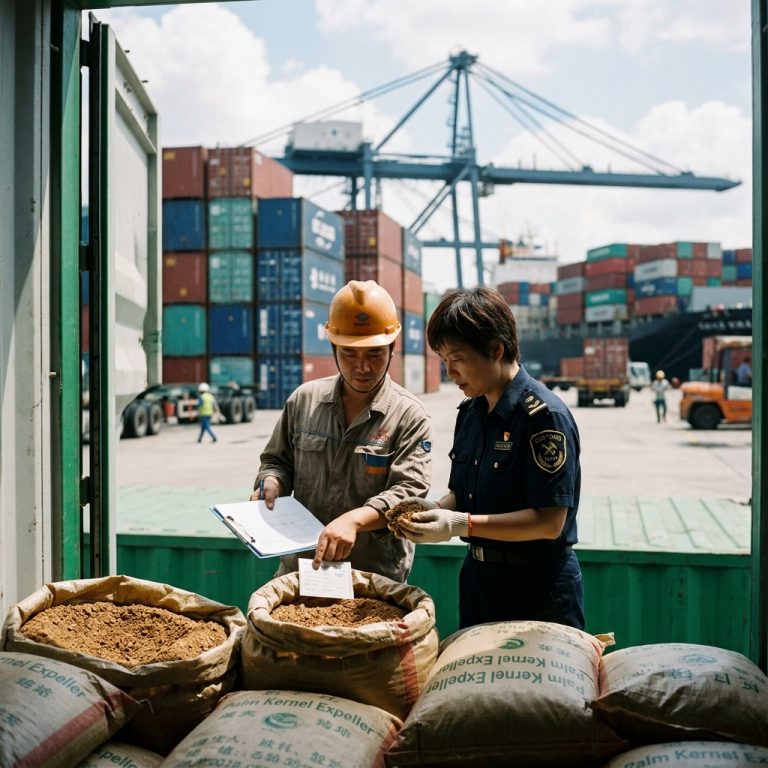
[Image: Commercial container vessel unloading certified animal feed cargo at a major container port terminal in Ningbo-Zhoushan or Qingdao]
Alt text: Container ship carrying GACC approved palm kernel expeller discharging cargo at port
Title: Arrival of GACC Approved Palm Kernel Expeller Shipment
By conducting thorough registry verification, locking down precise contractual parameters, and overseeing load-port phytosanitary enforcement, your business avoids regulatory bottlenecks and secures a continuous feed supply. Make informed procurement decisions in 2026 by partnering exclusively with certified mills capable of supplying premium-grade GACC approved palm kernel expeller directly from the source.
 Indonesian
 English
 Chinese
 Arabic
