

What Is Cocopeat Used For? 7 Amazing Proven Tips (2026)
Memahami what is cocopeat used for can completely revolutionize the way you cultivate plants, whether you manage commercial greenhouses or nurture a flourishing balcony garden. Millions of growers struggle with compacted soil, rapid moisture loss, and poor root aeration that stifle plant vigor. Cocopeat provides an organic, high-performance solution that solves these persistent agricultural hurdles effortlessly.
Extracted from the fibrous husk of coconuts, cocopeat—commonly referred to in commercial horticulture as coconut coir pith—has become the premier sustainable peat moss alternative. According to research from the Organisasi Pangan dan Pertanian (FAO), coconut byproducts represent one of the world’s most resilient and circular agricultural resources. In this definitive guide, you will discover the science behind this growing medium, the exact formulas for blending it with native soil, and how to harness its unique physical properties to accelerate plant growth in 2026.
Featured Definition: Cocopeat is a natural, 100% organic growing medium derived from processed coconut husks. When researching what is cocopeat used for, growers discover it serves primarily as a coco peat soil amendment, hydroponic substrate, and seed germination mix due to its extraordinary water retention capacity of eight to ten times its weight while maintaining 20% to 30% air porosity.

What Is Cocopeat? (The Sustainable Horticultural Breakthrough)
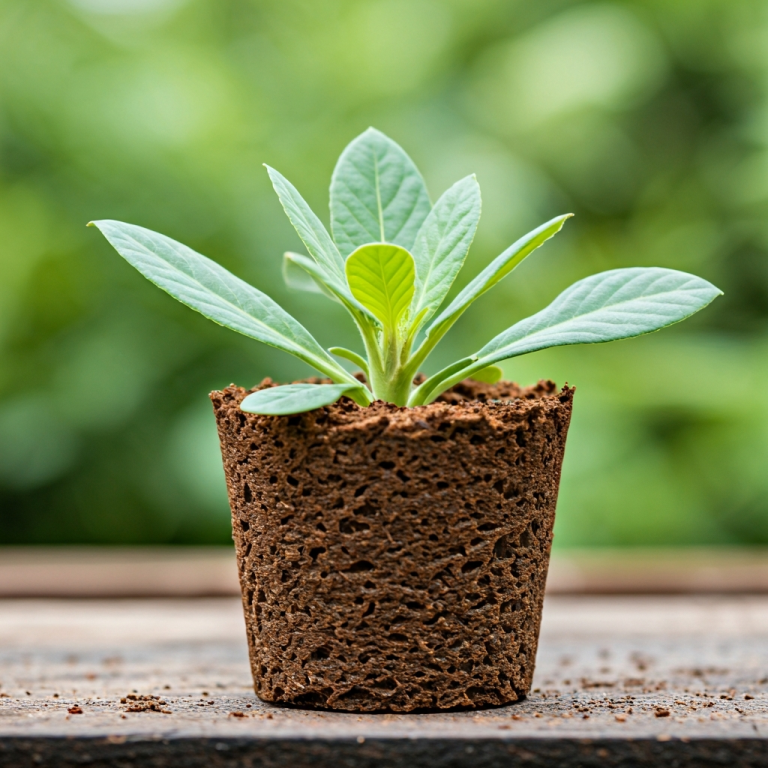
Cocopeat is the cellular, spongy pith material binding the coir fibers inside a coconut husk. Industrial processors separate the long, coarse fibers for ropes, upholstery, and brushes, leaving behind millions of metric tons of fine cellular coir pith. Previously discarded as industrial waste, this miraculous natural byproduct now drives modern soil science.
Unlike mined sphagnum peat moss, which depletes ancient, carbon-sequestering peat bogs over centuries, cocopeat is an annually renewable resource. A landmark study published by Sains Langsung demonstrates that horticultural-grade coir pith exhibits phenomenal physical stability, resisting fungal decay and degradation far longer than standard forest peat.
How Cocopeat Is Processed from Coconut Husks
Raw coconut husks undergo extensive aging, washing, and mechanical de-fibering before entering commercial cultivation channels. Fresh coir naturally contains sodium and potassium salts from its coastal origins. Responsible suppliers wash the raw pith with clean freshwater and perform a calcium nitrate “buffering” process to displace unwanted salt ions from the exchange sites.
Following purification, factories dry the pith to moisture levels below 15% and compress it into compact briquettes or 5 kg blocks. This compression reduces transport emissions, making bulk distribution efficient for worldwide distributors providing what is cocopeat used for across diverse global applications.
Understanding What Is Cocopeat Used For: 7 Primary Applications
Cocopeat functions across a vast spectrum of horticultural, agricultural, and environmental applications. Below are the seven most vital ways modern growers utilize this versatile substrate today.
1. What Is Cocopeat Used For in Hydroponics and Seed Starting?
Commercial hydroponic facilities depend on buffered coir pith as a clean, inert hydroponic growing medium. It delivers dependable root support without introducing soil-borne pathogens or weed seeds, explaining precisely what is cocopeat used for among commercial soilless growers. Hydroponic strawberry, tomato, and cucumber operations utilize coco slabs to balance moisture delivery and oxygenation around root zones.
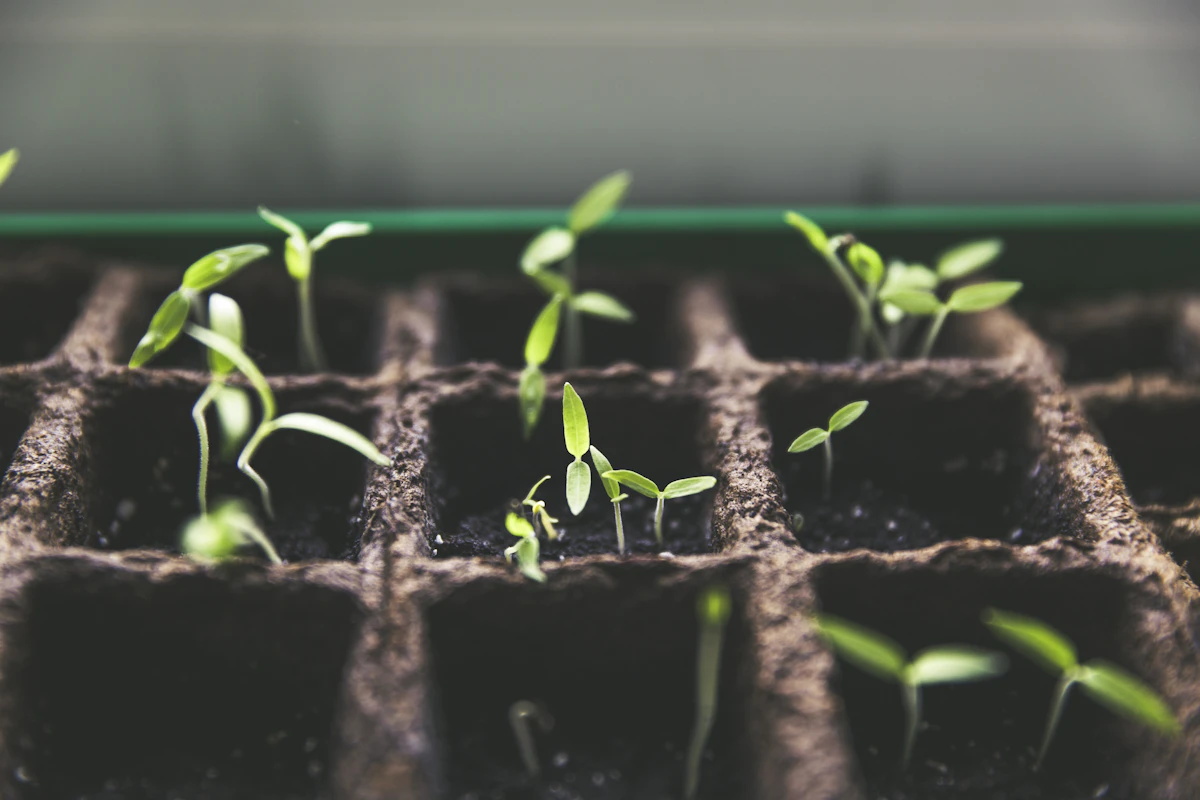
Gardeners frequently inquire what is cocopeat used for when establishing delicate seedlings in plug trays. Its loose, lightweight structure allows emerging root systems to expand unimpeded, preventing transplant shock when transferring sprouts into open ground.
2. Enhancing Soil Aeration and Moisture Retention
Another critical aspect of what is cocopeat used for relates to potted ornamental plants and dense garden beds. Native garden soil frequently compacts under repetitive irrigation, suffocating root capillaries. Blending cocopeat into compacted soils prevents caking, opens macro-pores, and ensures root systems absorb essential dissolved oxygen.
Because of its cellular capillary structure, cocopeat retains hydration evenly without becoming waterlogged. This high water retention capacity prevents cyclic drought stress in sunny microclimates.
3. Soil Conditioning for Heavy Clay and Sandy Soils
To determine what is cocopeat used for in heavy clay soils, evaluate its sponge-like physical texture. It breaks up tight clay aggregates, dramatically boosting drainage and percolation. Conversely, in porous sandy soils that drain too quickly, cocopeat binds moisture, stopping valuable fertilizers from leaching into the ground before roots can absorb them.
By stabilizing soil density, cocopeat balances both ends of the soil texture spectrum, establishing an ideal biome for beneficial mycorrhizal fungi.
4. High-Efficiency Mulching in Vegetable Gardens
Applied as a 2-inch top-dress mulch, coarse-grade cocopeat suppresses weed emergence, shields delicate root crowns from scorching summer heat, and slows surface evaporation by up to 50%. The benefits of cocopeat for vegetable garden setups include reduced blossom end rot in tomatoes and steadier moisture for leafy greens.
Unlike wood chips, which steal nitrogen from surface soil as they decompose, coir breaks down neutrally over multiple seasons without depleting soil fertility.
5. Commercial Nursery Propagation and Potting Mix Formulations
Horticultural nurseries cultivate thousands of ornamentals in pure or blended coir substrates. When investigating what is cocopeat used for in potting mix formulations, you will find it prevents the hydrophobic crusting common to traditional peat, rehydrating instantly during overhead sprinkler cycles.
Commercial plant managers who master what is cocopeat used for in gardening enjoy consistent growth rates and reduced plant losses during greenhouse shipping cycles.
6. Substrate for Mushroom Cultivation
Exotic mushroom cultivators utilize sterile cocopeat mixed with vermiculite (frequently termed the “CVG” recipe) as a bulk fruiting substrate for button, oyster, and specialty medicinal fungi. It maintains the steady relative humidity required for aggressive mycelium colonization without introducing unwanted competitive molds.
Its uniform texture allows rapid pasteurization, giving mushroom cultivators an economical alternative to hardwood sawdust or pasteurized cereal straw.
7. Terrarium Bedding and Worm Composting
Because it remains odorless, non-toxic, and resistant to sour anaerobic decay, reptile keepers and vermicomposters use cocopeat for vivarium floors and worm bin bedding. Earthworms thrive in moist coir, breaking down kitchen scraps without acidifying the bedding environment.
The naturally low dust profile also safeguards the respiratory systems of burrowing amphibians and reptiles kept in indoor terrariums.
Cocopeat vs. Peat Moss vs. Standard Soil
Recognizing what is cocopeat used for in comparison to peat moss reveals ecological and agronomic perks. The following comparison highlights key metrics verified by the Royal Horticultural Society (RHS) and regional agricultural extensions such as the Departemen Pertanian Amerika Serikat (USDA):
| Atribut | Cocopeat (Coir Pith) | Lumut Gambut Sphagnum | Standard Topsoil |
|---|---|---|---|
| pH Range | 5.8 – 6.8 (Near Neutral) | 3.5 – 4.5 (Highly Acidic) | 6.0 – 7.5 (Variable) |
| Retensi Air | 8x – 10x Dry Weight | 6x – 8x Dry Weight | 1x – 2x Dry Weight |
| Rehydration Ease | Rapid & Hydrophilic | Difficult (Becomes Hydrophobic) | Sedang |
| Keberlanjutan | 100% Renewable Agro-Byproduct | Mined from Slow-Forming Bogs | Non-renewable at Fast Rates |
| Decomposition Rate | Very Slow (High Lignin) | Sedang | Bervariasi |
How to Mix Cocopeat with Soil (Step-by-Step Ratios)
When evaluating how to mix cocopeat with soil for indoor plants, remember that cocopeat contains minimal baseline nutrients. It acts as an architectural foundation for roots rather than a fertilizer. Combining it with nutrient-dense amendments guarantees sustained plant performance.
- General Potting Mix for Indoor Houseplants: Blend 40% rehydrated cocopeat, 30% perlite or pumice, and 30% quality compost or worm castings. This provides exceptional aeration while maintaining consistent moisture.
- Outdoor Raised Garden Beds: Incorporate 30% cocopeat into 50% native loamy topsoil and 20% aged organic manure to boost seasonal drought resistance.
- Seed Germination and Microgreens: Use 70% finely sifted cocopeat combined with 30% perlite. This creates a fluffy, low-salinity seedbed that facilitates root emergence.
- Succulents and Cacti: Use 20% cocopeat mixed with 60% coarse grit or pumice and 20% compost. Cocopeat holds enough water for brief root uptake without causing root rot.
Preparing and Rehydrating Compressed Cocopeat Blocks
Before implementing what is cocopeat used for, expanding compressed blocks is essential. Follow these four basic steps:
- Place a 5 kg cocopeat block inside a clean 20-gallon container.
- Gradually pour 20 to 25 liters of warm water over the block to accelerate expansion.
- Allow 15 minutes for the coir pith to absorb moisture, then fluff it thoroughly with a hand cultivator.
- If your cocopeat was not pre-buffered by the manufacturer, flush it with a calcium-magnesium (Cal-Mag) solution to charge the exchange sites.

Common Mistakes When Using Cocopeat (And How to Avoid Them)
Growers unfamiliar with what is cocopeat used for often forget to buffer with calcium. Raw coconut coir possesses a negative cation exchange capacity complex loaded with natural sodium and potassium ions. Unbuffered coir absorbs calcium and magnesium from your fertilizer solutions while discharging potassium, creating severe leaf-tip burn and stunted growth.
Furthermore, because cocopeat holds water so efficiently, overwatering remains a frequent mistake. Always check moisture 2 inches below the surface before irrigating. While the top layer may appear dry, the core often retains abundant hydration.
What Is Cocopeat Used For in Modern Agriculture?
Commercial growers who study what is cocopeat used for appreciate its cation exchange capacity and compatibility with automated drip fertigation. Agribusinesses throughout Europe, North America, and Asia have transitioned from rockwool and peat moss to coir-based substrates for controlled environment agriculture (CEA).
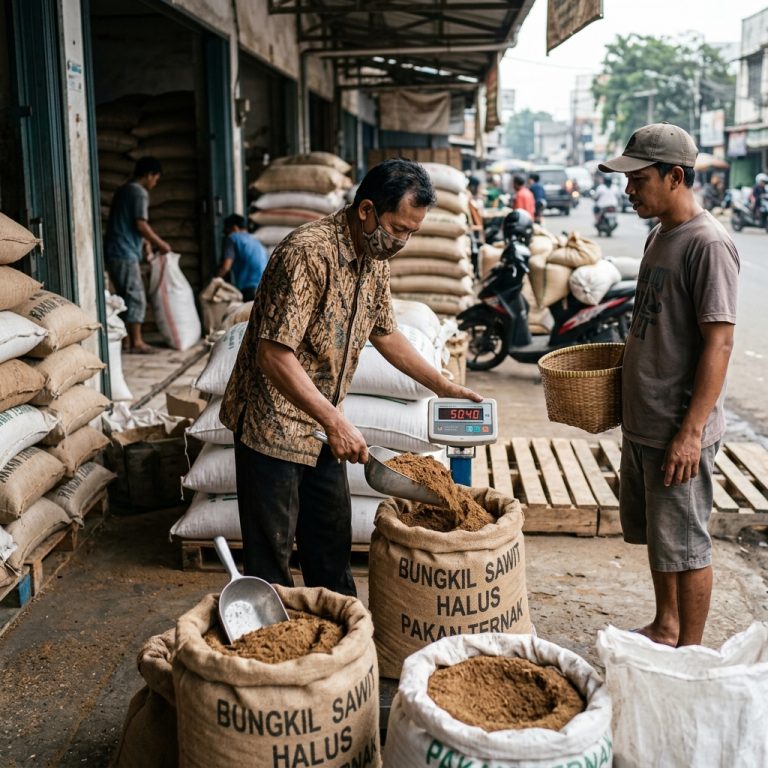
Modern commercial farming also values circular agricultural supply chains. Sustainable palm and coconut plantations generate useful, zero-waste products. Byproducts like cangkang inti sawit serve industrial clean-fuel and biochar systems, while nutritious components like pengepres inti sawit Dan tepung kelapa provide protein-rich animal nutrition. Supplementing these circular systems with energy-dense solutions like garam kalsium dari asam lemak minyak sawit demonstrates how modern agricultural residues enrich both crop and livestock production.
Landscape architects also specify what is cocopeat used for when engineering green roofs. Traditional topsoil weighs too much for structural rooftop load limits, whereas lightweight, water-retentive coir keeps vegetation lush without compromising architectural integrity.
Makmur Amanah Sejahtera Menyediakan produk-produk kelapa sawit berkualitas tinggi seperti bungkil inti kelapa sawit, cangkang inti kelapa sawit, minyak kelapa sawit mentah, minyak inti kelapa sawit, dll. Silakan hubungi kami melalui WhatsApp. +6282140002198 atau kirim email kepada kami di admin@makmuramanah.co.id.
Pertanyaan yang Sering Diajukan
Does cocopeat contain natural nutrients for plants?
Cocopeat contains negligible nitrogen, phosphorus, and calcium, though it naturally holds small traces of potassium. It functions as an inert, physical growing medium rather than a fertilizer. Growers must supplement plants grown in cocopeat with organic compost or balanced liquid nutrient solutions.
Can I plant directly in 100% cocopeat?
Yes, you can cultivate plants in 100% cocopeat, provided you manage irrigation and fertilizer delivery meticulously. Commercial hydroponic growers use pure coir slabs daily. However, for everyday houseplant care and outdoor garden pots, blending cocopeat with perlite and compost provides a far more forgiving root environment.
How long does cocopeat last in the soil?
Cocopeat boasts a high concentration of woody lignin, allowing it to resist bacterial decomposition for three to five years in garden beds and potting containers. In contrast, standard peat moss breaks down and consolidates after just one to two growing seasons.
Can you reuse cocopeat after harvesting?
Cocopeat is fully reusable. Once a harvest cycle finishes, remove old root crowns, flush the medium with clean water or an enzyme solution to dissolve fine root hairs, re-treat it with a calcium-magnesium wash, and plant your next crop with total confidence.
What makes cocopeat superior to sphagnum peat moss?
Cocopeat is renewable, rehydrates instantly without hydrophobic dry spots, and maintains a near-neutral pH (5.8–6.8). Sphagnum peat moss requires destructive bog mining, takes decades to regenerate, and possesses high acidity that requires heavy agricultural lime amendments.
Final Thoughts: Transform Your Garden with Cocopeat in 2026
Now that you clearly understand what is cocopeat used for across diverse horticultural setups, you can make informed decisions to optimize your soil biology and moisture efficiency. By replacing fragile, environmentally hazardous peat moss with sustainable coir pith, you protect global ecosystems while giving your plants an aerated, highly absorbent home to thrive.
Whether you manage an expansive commercial greenhouse or nurture potted monsteras in your living room, integrating quality cocopeat produces stronger root architectures, cuts watering frequency in half, and accelerates your overall harvest yields throughout 2026 and beyond.
 Indonesian
 English
 Chinese
 Arabic
