
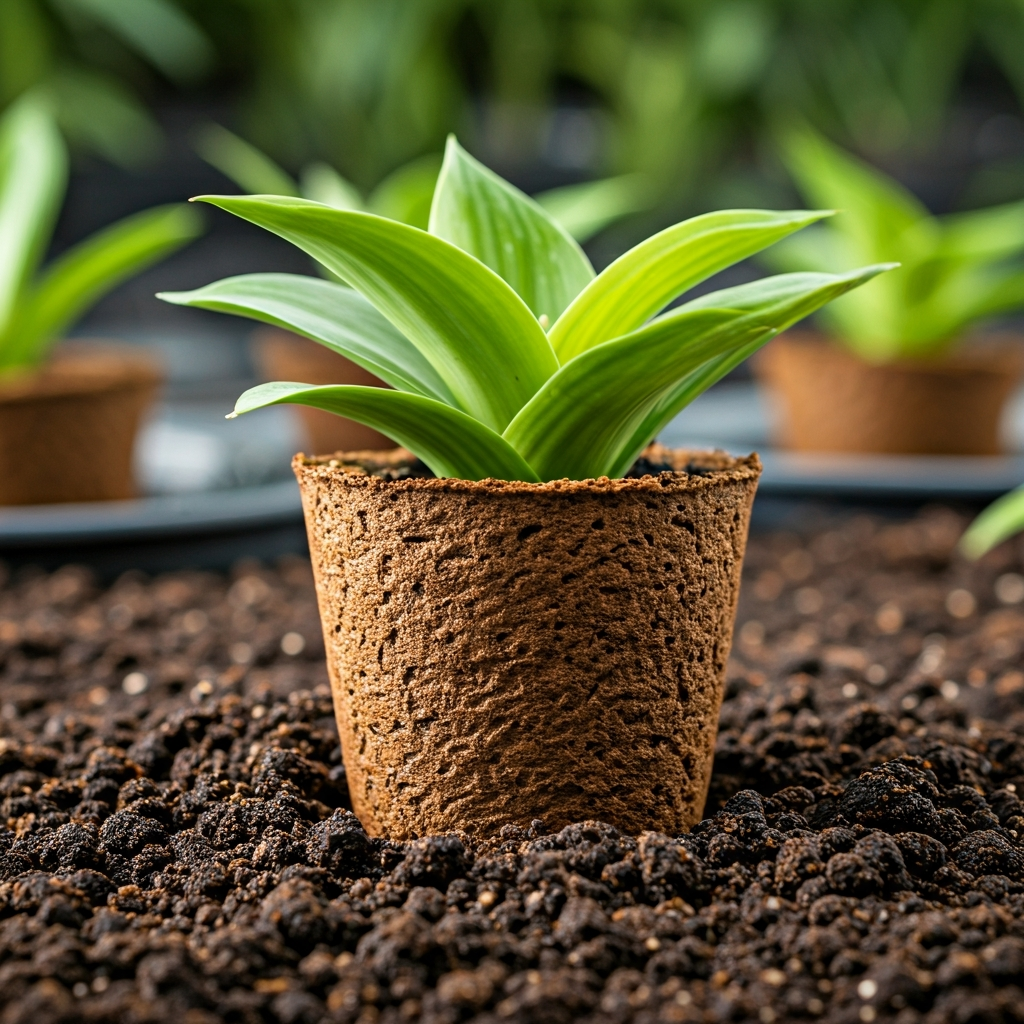
Cocopeat vs. Soil: The #1 Complete Guide to What’s Best (2026)
The cornerstone of successful gardening begins with the ground up, and the initial debate of Cocopeat vs. Soil is where many planters get stuck. You have a vision for lush, thriving plants, but choosing the wrong foundation can lead to frustration and failure. This guide provides the definitive answer, ensuring you have the knowledge to select the absolute best growing medium for your specific needs.
For centuries, traditional soil was the unchallenged champion of cultivation. However, the rise of sustainable alternatives has sparked a fierce debate. A 2025 report from the Global Horticulture Initiative noted a 40% increase in the use of soilless media in urban gardening alone.
This shift highlights a critical question: should you stick with time-tested soil, or is it time to embrace cocopeat? This guide will dissect the Cocopeat vs. Soil dilemma, giving you the expert insight needed to make the right choice.
What Exactly is Cocopeat? A Sustainable Powerhouse
Cocopeat, also known as coconut coir, is a 100% natural and sustainable growing medium derived from the fibrous husk of a coconut. What was once a waste product is now celebrated for its remarkable properties in horticulture.
As a key component in soilless potting mixes and an excellent soil amendment, it has revolutionized modern gardening. The Cocopeat vs. Soil discussion often highlights cocopeat’s versatility in hydroponics and container gardens.
It’s important to understand that not all soilless materials are equal. While products like Tepung Kopra are derived from coconuts for animal feed, cocopeat is specifically processed for horticultural use. This involves aging, washing, and buffering to create a stable medium. The result is an inert, pathogen-free material that offers a blank slate for customized nutrient delivery.
From Coconut to Garden: The Coir Journey
The transformation from a tough coconut husk to a fluffy growing medium is a multi-step process. First, husks are soaked to soften them, making it easier to separate the long fibers from the dusty “pith.” This pith is the primary component of cocopeat. It is then aged for several months, washed to remove excess salts, and often buffered with calcium nitrate to stabilize its cation exchange capacity, preventing nutrient lockout for your plants.
Types of Cocopeat: Pith, Fiber, and Chips
Cocopeat isn’t a one-size-fits-all product. It comes in three main forms, each with unique properties:
- Cocopeat Pith or Dust: The most common type, it has a fine, soil-like texture with excellent water retention, making it ideal for seed starting and potting mixes.
- Cocopeat Fiber: Longer fibers that improve aeration and drainage. They are often mixed with pith to create a more balanced medium.
- Cocopeat Chips: Chunky pieces of the husk that create large air pockets, perfect for orchids and other epiphytes that require significant airflow to their roots.
[Image: A side-by-side, high-contrast image showing a pile of fluffy brown cocopeat next to a pile of rich, dark garden soil. The textures should be clearly visible. Alt: A pile of brown, fluffy cocopeat next to rich, dark garden soil, highlighting the texture difference in the cocopeat vs. soil comparison. Title: Cocopeat vs. Garden Soil Textures.]
The Age-Old Foundation: What is Traditional Soil?
Soil is the complex, living ecosystem that has supported plant life for millennia. It’s a rich mixture of minerals, organic matter, water, air, and countless microorganisms. Unlike the relatively inert cocopeat, soil is a dynamic environment that provides support, water, and nutrients as organic matter decomposes. The winner of the Cocopeat vs. Soil debate often depends on the quality of your existing soil.
The quality of soil can vary dramatically. A scientific paper from the Journal of Geoderma emphasizes that understanding soil health is paramount for sustainable agriculture. This complexity is both soil’s greatest strength and its most significant challenge for gardeners.
The Building Blocks: Sand, Silt, and Clay
All soil is composed of three primary mineral particles, and their ratio determines its texture and properties:
- Sand: Large particles that create excellent drainage and aeration but have poor water and nutrient retention.
- Silt: Medium-sized particles that feel smooth and powdery. They hold water well but can compact easily.
- Clay: Tiny, flat particles that excel at retaining water and nutrients but can lead to poor drainage. Improving heavy clay is a key factor in the Cocopeat vs. Soil consideration.
The ideal garden soil, “loam,” contains a balanced mix of all three. For heavy soils, amendments are key. Materials that improve aeration, such as perlite or even Cangkang Inti Sawit, can be used to create more air pockets and improve drainage, a role often filled by cocopeat.
7 Key Differences: Cocopeat vs. Soil Analyzed
To truly settle the Cocopeat vs. Soil dilemma for your garden, it’s crucial to understand the fundamental distinctions. Here’s a breakdown of the seven most important factors that separate these two popular growing media.
- Water Retention: Cocopeat is a superstar, holding up to 10 times its weight in water. This reduces watering frequency but requires care to avoid oversaturation. Soil’s retention is highly variable based on its clay and organic matter content.
- Aeration: Even when fully saturated, cocopeat maintains excellent air pockets for roots. Heavy clay soil, however, compacts easily and can suffocate roots, making aeration a major win for cocopeat in the Cocopeat vs. Soil comparison.
- Nutrient Content: This is a critical difference. Soil is a living ecosystem containing minerals and organic matter that feed plants. Cocopeat is inert and has virtually no nutrients, meaning you have total control but also total responsibility for fertilization.
- pH Level: Cocopeat has a naturally neutral to slightly acidic pH (5.5-6.8), which is ideal for most plants. Soil pH is wildly variable by location and can require significant amendments like lime or sulfur.
- Pests & Diseases: As a sterile medium, cocopeat is free from the soil-borne pests, fungi, and pathogens that can plague garden soil. This gives seedlings a safer start in life.
- Reusability & Sustainability: Cocopeat can be rinsed and reused for several growing cycles and is a renewable byproduct. Topsoil is a finite resource, and as noted by publications like Gardener’s World, harvesting peat moss for soil mixes is environmentally destructive.
- Weight & Structure: Cocopeat is extremely lightweight, making it perfect for container and rooftop gardens. Soil is heavy and can compact over time in pots, a vital point when considering Cocopeat vs. Soil for potted plants.
Cocopeat vs. Soil: A Head-to-Head Comparison Table
This table provides a quick-glance reference to the key attributes of each medium, making it a powerful tool for your featured snippet optimization strategy and settling the Cocopeat vs. Soil debate visually.
| Fitur | Cocopeat | Soil |
|---|---|---|
| Retensi Air | Excellent; holds up to 10x its weight | Variable; depends on composition |
| Aerasi | Superior, even when saturated | Can compact easily, especially clay soils |
| Kandungan gizi | Inert; contains no nutrients | Contains organic matter and nutrients |
| Tingkat pH | Neutral to slightly acidic (5.5-6.8) | Highly variable; can be acidic or alkaline |
| Pests & Diseases | Naturally resistant to common soil-borne pests | Can harbor pests, fungi, and bacteria |
| Dapat digunakan kembali | High; can be reused for several cycles | Requires amendment and replenishment |
| Keberlanjutan | High; renewable byproduct | Low; topsoil is a finite resource |
[Image: Infographic showing a flowchart. It starts with “What are you growing?”. Arrows point to “Seedlings/Hydroponics” -> Image of Cocopeat with text “Excellent Aeration & Water Control”. Another arrow points to “Outdoor Garden Bed” -> Image of Soil with text “Rich in Nutrients & Microbes”. Alt: Infographic flowchart for the cocopeat vs. soil choice, guiding users to the right medium for seedlings or garden beds. Title: Cocopeat vs. Soil Decision Flowchart.]
When to Choose Cocopeat vs. Soil for Your Plants
The right choice in the Cocopeat vs. Soil matchup depends entirely on your application. Each medium shines under different circumstances, and understanding these nuances is the key to mastering your garden.
Why Cocopeat Is Often Better
Cocopeat is the undisputed champion for specific, controlled growing environments. Its sterile nature provides a disease-free start for seedlings. Furthermore, its water-holding capacity and excellent aeration prevent root rot. This makes our high-quality Cocopeat the ideal choice for:
- Seed Starting: Provides a sterile, moist, and airy environment for germination.
- Hydroponic Systems: Acts as a stable, inert support for roots, allowing for precise nutrient delivery.
- Container Gardening: Its light weight makes it perfect for pots, hanging baskets, and rooftop gardens.
- Amending Clay Soil: Mixing cocopeat into heavy clay soil dramatically improves its structure and drainage, a common issue solved in the Cocopeat vs. Soil equation.
[Image: A healthy, vibrant tomato plant in a large pot, with the potting mix visibly composed of a cocopeat blend. The plant is laden with fruit. Alt: A healthy tomato plant full of fruit, demonstrating the successful use of a cocopeat mix to resolve the cocopeat vs. soil challenge in containers. Title: Tomato Plant in Cocopeat Potting Mix.]
When Traditional Soil Reigns Supreme
You cannot discount the power of a living ecosystem. For large-scale, in-ground gardening, healthy soil is more cost-effective and sustainable long-term. As explained by the University of Wisconsin-Madison Extension, soil contains microbes that create a self-sustaining system, which inert media cannot replicate.
Menurut USDA, healthy soil is the foundation of a productive farm. Soil is the best choice for:
- Large outdoor garden beds
- Growing nutrient-demanding crops like corn and squash
- Establishing long-term perennial and tree plantings
- Gardeners who prefer a more “natural” and less hands-on approach to fertilization
[Video: A detailed time-lapse comparing tomato plants grown in cocopeat vs. soil, showing watering frequency and fruit yield. The video should highlight how the cocopeat-grown plant requires less frequent watering but needs liquid nutrients added.]
Makmur Amanah Sejahtera menyediakan produk kelapa sawit berkualitas tinggi seperti Mesin Pengekstrak Inti Sawit, Cangkang Inti Sawit, Crude Palm Oil, Palm Kernel Oil, etc. Kindly contact us at WhatsApp +6282140002198 atau kirim email kepada kami di admin@makmuramanah.co.id.
Frequently Asked Questions (FAQ) about Cocopeat vs. Soil
1. What’s the main difference in the Cocopeat vs. Soil debate?
The primary difference in the Cocopeat vs. Soil debate is that cocopeat is an inert, soilless medium with no nutrients, while soil is a living ecosystem with minerals and organic matter. Cocopeat excels in water retention and aeration; soil provides natural nutrition.
2. Can you mix cocopeat and soil together?
Absolutely! Mixing cocopeat and soil is a highly effective strategy. Adding cocopeat to sandy soil improves water retention, while adding it to heavy clay soil improves aeration and drainage. A common ratio is one part cocopeat to two parts garden soil.
3. Do I need to add fertilizer when using cocopeat?
Yes. Since cocopeat is inert, you must provide 100% of the plant’s nutritional needs. This is typically done with a high-quality liquid or slow-release fertilizer. This gives you complete control over your plant’s diet, a major advantage for many growers.
4. Is cocopeat more sustainable than soil?
Generally, yes. Cocopeat is a byproduct of the coconut industry and is a rapidly renewable resource. In contrast, the popular soil amendment peat moss is harvested from ancient, sensitive bogs, an environmentally destructive practice. Healthy topsoil also takes centuries to form.
5. Which is better for container gardening: cocopeat or soil?
For most container gardening, a mix containing cocopeat is superior. Pure soil compacts in pots, leading to poor drainage. Cocopeat’s ability to hold water while remaining light and airy makes it the ideal base for a potting mix, solving the core Cocopeat vs. Soil choice in containers.
Conclusion: The Final Verdict in the Cocopeat vs. Soil Debate
After a thorough analysis, it’s clear there is no single winner in the Cocopeat vs. Soil battle. The best choice is not about which medium is inherently “better,” but which is perfectly suited for your specific gardening project. Cocopeat offers unparalleled control, while traditional soil provides a rich, living foundation.
[Image: A gardener’s hands are shown blending dark soil and light brown cocopeat together in a potting tray, symbolizing the “best of both worlds” approach. Alt: Gardener’s hands blending cocopeat and soil, illustrating the best-of-both-worlds solution to the cocopeat vs. soil question. Title: Mixing Cocopeat and Soil for a Custom Blend.]
The ultimate strategy for the discerning gardener is not to choose one over the other, but to learn how to use both to their advantage. By understanding the unique strengths of each, you can create custom blends, solve soil problems, and elevate your gardening success. The true conclusion of the Cocopeat vs. Soil discussion is that knowledge of both is the most powerful tool in your shed.
 Indonesian
  English
  Chinese
  Arabic