椰糠 vs. 土壤:终极最佳选择完整指南(2026年)
成功园艺的基石始于根基,而关于 椰糠 vs. 土壤 的最初争论常常让许多种植者感到困惑。您渴望植物繁茂生长,但选错了基质可能会导致挫败和失败。本指南为您提供权威答案,确保您掌握全面知识,为您的具体需求选择绝对最佳的生长介质。
几个世纪以来,传统土壤一直是种植领域无可争议的王者。然而,可持续替代品的兴起引发了一场激烈的讨论。全球园艺倡议(Global Horticulture Initiative)2025年的一份报告指出,仅在城市园艺中,无土介质的使用量就增长了40%。
这一转变凸显了一个关键问题:您应该坚持使用经过时间考验的传统土壤,还是该拥抱椰糠?本指南将深入剖析“椰糠 vs. 土壤”的选择难题,为您提供做出正确决定所需的专业见解。
椰糠究竟是什么?可持续发展的全能基质
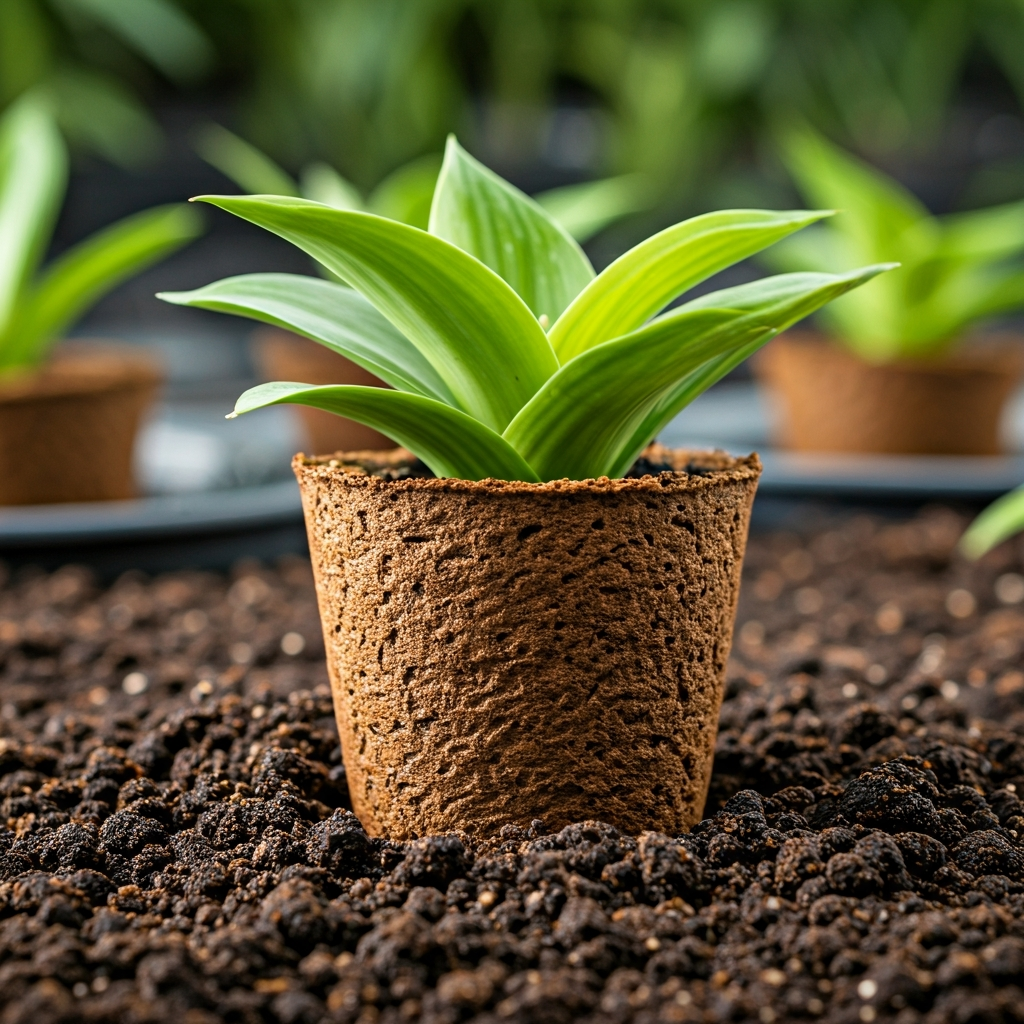
椰糠(Cocopeat,也称为椰壳纤维或椰棕)是一种源自椰子外壳纤维的100%天然且可持续的生长介质。曾经的农业废弃物,如今因其在园艺中的卓越性能而备受推崇。
作为无土栽培配方土的关键成分和出色的土壤改良剂,它彻底改变了现代园艺。“椰糠 vs. 土壤”的讨论通常会强调椰糠在水培和容器园艺中的多功能性。
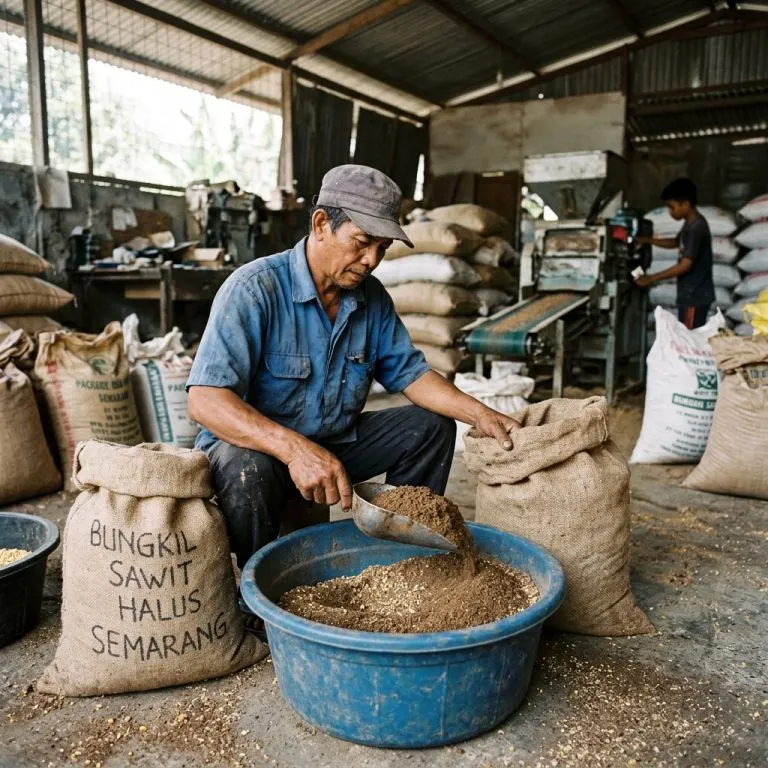
了解并非所有无土材料都相同是十分重要的。虽然像 椰干粉 这样的产品也是源自椰子并用于动物饲料,但椰糠是专门为园艺用途加工的。这包括陈化、清洗和缓冲处理,以打造稳定的介质。最终得到的是一种呈惰性、无病原体的基质,为定制化养分供应提供了理想的基础。
从椰子到花园:椰壳纤维的蜕变之旅
从坚韧的椰壳转变成蓬松的生长介质是一个多步骤的过程。首先,将椰壳浸泡软化,以便更容易地将长纤维与粉末状的“果髓(pith)”分离。这种果髓就是椰糠的主要成分。随后将其陈化数月,清洗以去除多余盐分,并通常用硝酸钙进行缓冲处理,以稳定其阳离子交换能力,防止植物养分被锁住无法吸收。
椰糠的种类:髓粉(Pith)、纤维(Fiber)和椰块(Chips)
椰糠并不是千篇一律的产品。它主要有三种形式,各具独特属性:
- 椰糠粉末/细粉(Cocopeat Pith / Dust): 最常见的类型,具有类似土壤的细腻质地和卓越的保水性,非常适合播种育苗和盆栽配方土。
- 椰纤维(Cocopeat Fiber): 较长的纤维,可改善透气性和排水性。它们通常与果髓混合,以打造更均衡的介质。
- 椰块(Cocopeat Chips): 椰壳的大块颗粒能够形成较大的气囊孔隙,非常适合兰花和其他需要根部具有极佳透气性的附生植物。
[图片:一张高对比度的并排对比图,一侧是一堆蓬松的棕色椰糠,另一侧是一堆肥沃的深色园土。质地应清晰可见。Alt:一堆蓬松的棕色椰糠与肥沃的深色园土并排,凸显椰糠与土壤对比中的质地差异。Title:椰糠与园土质地对比。]
古老的基础:什么是传统土壤?
土壤是数千年来孕育植物生命的复杂生态系统。它是矿物质、有机质、水、空气以及无数微生物的丰富混合物。与相对呈惰性的椰糠不同,土壤是一个动态的环境,能随着有机质的分解提供支撑、水分和养分。“椰糠还是土壤”的胜出者往往取决于您现有土壤的质量。
土壤的质量差异极大。发表在 《Geoderma》期刊 上的一篇科学论文强调,了解土壤健康对于可持续农业至关重要。这种复杂性既是土壤的最大优势,也是园艺种植者面临的最重大挑战。
基础构成要素:沙土、粉砂与粘土
所有土壤均由三种主要矿物颗粒组成,它们的比例决定了土壤的质地和特性:
- 沙土(Sand): 颗粒较大,具有极佳的排水和透气性,但保水和保肥能力较差。
- 粉砂(Silt): 中等大小的颗粒,手感光滑如粉末。保水性好,但容易板结。
- 粘土(Clay): 细小扁平的颗粒,保水保肥能力出众,但可能导致排水不良。改善重粘土是考虑“椰糠与土壤”选择时的关键因素。
最理想的园艺土壤——“壤土”(loam),包含这三者的均衡配比。对于粘重的土壤,改良剂至关重要。能够改善透气性的材料,如珍珠岩甚至 棕榈仁壳,可用于创造更多气囊孔隙并改善排水性,这一角色通常也由椰糠承担。
深度解析:椰糠与土壤的7大核心差异
为了真正解决您花园中“椰糠还是土壤”的抉择难题,了解二者的本质区别至关重要。以下是对区分这两种热门栽培介质的七个最关键因素的详细解析。
- 保水能力: 椰糠表现出众,保水量可达自身重量的10倍。这降低了浇水频率,但需注意避免水分过饱和。土壤的保水性则因其粘土和有机质含量的不同而差异巨大。
- 透气性: 即使完全饱和,椰糠也能为根系保留极佳的气孔。然而,重粘土极易板结并可能使根系窒息,因此在椰糠与土壤的对比中,透气性是椰糠的一大显著优势。
- 养分含量: 这是一个关键区别。土壤是一个包含矿物质和有机物的活性生态系统,能够为植物提供养分。椰糠是惰性的,几乎不含任何养分,这意味着您对施肥拥有完全的掌控权,但同时也承担全部责任。
- pH值: 椰糠天然呈中性至微酸性pH(5.5-6.8),非常适合大多数植物。土壤的pH值因地域而差异悬殊,可能需要石灰或硫磺等大量改良剂进行调节。
- 病虫害: 作为一种无菌介质,椰糠不含可能困扰园土的土传病虫害、真菌和病原体。这能为幼苗生长提供更安全的开端。
- 可重复利用性与可持续性: 椰糠经冲洗后可重复用于多个种植周期,且是一种可再生的副产品。表土是有限的资源,正如诸如 Gardener’s World等刊物所指出的,为土壤混合物开采泥炭藓会对环境造成破坏。
- 重量与结构: 椰糠质地极轻,非常适合容器种植和屋顶花园。土壤较重,在花盆中久了容易板结,这是在为盆栽植物权衡椰糠与土壤时的一个关键考量。
椰糠 vs. 土壤:正面特性对比表
本表简明直观地展示了每种介质的关键属性,是用于精选摘要优化策略的有力工具,并通过视觉方式化解椰糠与土壤的争论。
| 特征 | 椰糠 | 土壤 |
|---|---|---|
| 水分保留 | 极佳;保水量可达自身重量的10倍 | 不稳定;取决于具体成分 |
| 通风 | 即便饱和,依然卓越 | Can compact easily, especially clay soils |
| 营养成分 | Inert; contains no nutrients | Contains organic matter and nutrients |
| pH值 | Neutral to slightly acidic (5.5-6.8) | Highly variable; can be acidic or alkaline |
| Pests & Diseases | Naturally resistant to common soil-borne pests | Can harbor pests, fungi, and bacteria |
| 可重复使用性 | High; can be reused for several cycles | Requires amendment and replenishment |
| 可持续性 | High; renewable byproduct | Low; topsoil is a finite resource |
[Image: Infographic showing a flowchart. It starts with “What are you growing?”. Arrows point to “Seedlings/Hydroponics” -> Image of Cocopeat with text “Excellent Aeration & Water Control”. Another arrow points to “Outdoor Garden Bed” -> Image of Soil with text “Rich in Nutrients & Microbes”. Alt: Infographic flowchart for the cocopeat vs. soil choice, guiding users to the right medium for seedlings or garden beds. Title: Cocopeat vs. Soil Decision Flowchart.]
When to Choose Cocopeat vs. Soil for Your Plants
The right choice in the Cocopeat vs. Soil matchup depends entirely on your application. Each medium shines under different circumstances, and understanding these nuances is the key to mastering your garden.
Why Cocopeat Is Often Better
Cocopeat is the undisputed champion for specific, controlled growing environments. Its sterile nature provides a disease-free start for seedlings. Furthermore, its water-holding capacity and excellent aeration prevent root rot. This makes our high-quality 椰糠 the ideal choice for:
- Seed Starting: Provides a sterile, moist, and airy environment for germination.
- Hydroponic Systems: Acts as a stable, inert support for roots, allowing for precise nutrient delivery.
- Container Gardening: Its light weight makes it perfect for pots, hanging baskets, and rooftop gardens.
- Amending Clay Soil: Mixing cocopeat into heavy clay soil dramatically improves its structure and drainage, a common issue solved in the Cocopeat vs. Soil equation.
[Image: A healthy, vibrant tomato plant in a large pot, with the potting mix visibly composed of a cocopeat blend. The plant is laden with fruit. Alt: A healthy tomato plant full of fruit, demonstrating the successful use of a cocopeat mix to resolve the cocopeat vs. soil challenge in containers. Title: Tomato Plant in Cocopeat Potting Mix.]
When Traditional Soil Reigns Supreme
You cannot discount the power of a living ecosystem. For large-scale, in-ground gardening, healthy soil is more cost-effective and sustainable long-term. As explained by the University of Wisconsin-Madison Extension, soil contains microbes that create a self-sustaining system, which inert media cannot replicate.
根据 美国农业部, healthy soil is the foundation of a productive farm. Soil is the best choice for:
- Large outdoor garden beds
- Growing nutrient-demanding crops like corn and squash
- Establishing long-term perennial and tree plantings
- Gardeners who prefer a more “natural” and less hands-on approach to fertilization
[Video: A detailed time-lapse comparing tomato plants grown in cocopeat vs. soil, showing watering frequency and fruit yield. The video should highlight how the cocopeat-grown plant requires less frequent watering but needs liquid nutrients added.]
Makmur Amanah Sejahtera 提供高质量的棕榈产品,例如: 棕榈仁压榨机, 棕榈仁壳、Crude Palm Oil、Palm Kernel Oil等。欢迎通过WhatsApp与我们联系 +6282140002198 或发送电子邮件至 admin@makmuramanah.co.id.
Frequently Asked Questions (FAQ) about Cocopeat vs. Soil
1. What’s the main difference in the Cocopeat vs. Soil debate?
The primary difference in the Cocopeat vs. Soil debate is that cocopeat is an inert, soilless medium with no nutrients, while soil is a living ecosystem with minerals and organic matter. Cocopeat excels in water retention and aeration; soil provides natural nutrition.
2. Can you mix cocopeat and soil together?
Absolutely! Mixing cocopeat and soil is a highly effective strategy. Adding cocopeat to sandy soil improves water retention, while adding it to heavy clay soil improves aeration and drainage. A common ratio is one part cocopeat to two parts garden soil.
3. Do I need to add fertilizer when using cocopeat?
Yes. Since cocopeat is inert, you must provide 100% of the plant’s nutritional needs. This is typically done with a high-quality liquid or slow-release fertilizer. This gives you complete control over your plant’s diet, a major advantage for many growers.
4. Is cocopeat more sustainable than soil?
Generally, yes. Cocopeat is a byproduct of the coconut industry and is a rapidly renewable resource. In contrast, the popular soil amendment peat moss is harvested from ancient, sensitive bogs, an environmentally destructive practice. Healthy topsoil also takes centuries to form.
5. Which is better for container gardening: cocopeat or soil?
For most container gardening, a mix containing cocopeat is superior. Pure soil compacts in pots, leading to poor drainage. Cocopeat’s ability to hold water while remaining light and airy makes it the ideal base for a potting mix, solving the core Cocopeat vs. Soil choice in containers.
Conclusion: The Final Verdict in the Cocopeat vs. Soil Debate
After a thorough analysis, it’s clear there is no single winner in the Cocopeat vs. Soil battle. The best choice is not about which medium is inherently “better,” but which is perfectly suited for your specific gardening project. Cocopeat offers unparalleled control, while traditional soil provides a rich, living foundation.
[Image: A gardener’s hands are shown blending dark soil and light brown cocopeat together in a potting tray, symbolizing the “best of both worlds” approach. Alt: Gardener’s hands blending cocopeat and soil, illustrating the best-of-both-worlds solution to the cocopeat vs. soil question. Title: Mixing Cocopeat and Soil for a Custom Blend.]
The ultimate strategy for the discerning gardener is not to choose one over the other, but to learn how to use both to their advantage. By understanding the unique strengths of each, you can create custom blends, solve soil problems, and elevate your gardening success. The true conclusion of the 椰糠 vs. 土壤 discussion is that knowledge of both is the most powerful tool in your shed.