
目录
What is the HS Code for Palm Kernel Shell Export?
Understanding the HS Code System: A Breakdown
The Official HS Code for Palm Kernel Shell Export (PKS)
Step-by-Step Guide to Verifying the PKS HS Code
Common Challenges in PKS Export Classification
The Growing Role of PKS in the Global Biomass Market
Conclusion: Ensuring Smooth PKS Exports
What is the HS Code for Palm Kernel Shell Export?
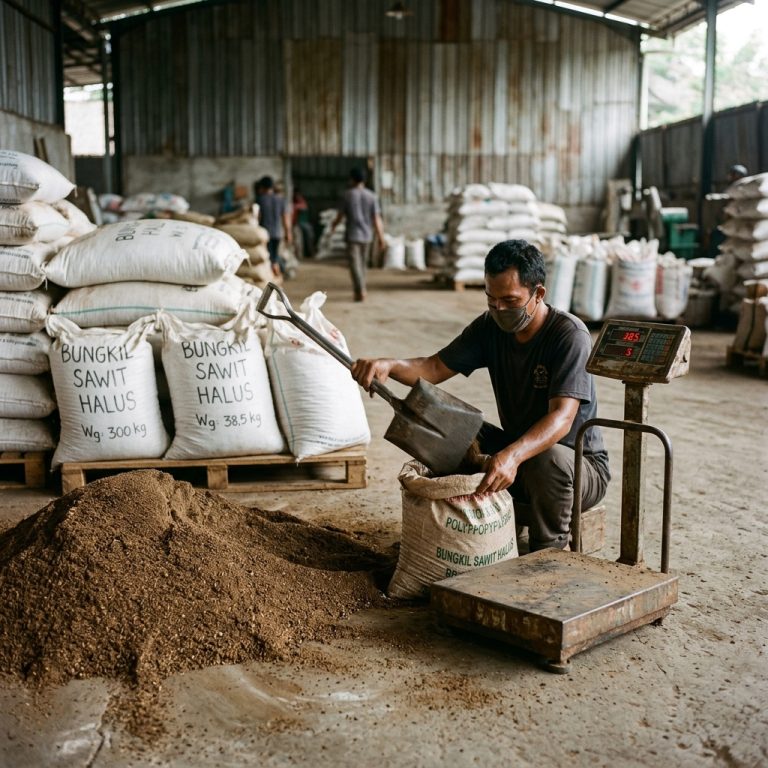
Determining the correct HS Code for palm kernel shell export is a critical first step for any business looking to enter the global biomass market. The primary focus of this guide is the 棕榈仁壳 (PKS), a high-performance biomass fuel valued for its high calorific value and low ash content. It is a key byproduct derived from the 棕榈仁, an industry that also produces sought-after commodities like 粗棕榈油 和 棕榈仁油.
The Harmonized System (HS) Code is an international standard used to classify traded products. Managed by the World Customs Organization (WCO), it allows customs authorities to identify products, assess duties and taxes, and gather statistics. Using the wrong code can lead to significant shipping delays, fines, and even seizure of goods, making it essential to get it right.
Understanding the HS Code System: A Breakdown
The HS Code system might seem complex, but it’s logically structured. Think of it as a universal economic language. Each code consists of at least six digits, which can be extended to ten for more specific country-level classifications. The structure provides a clear hierarchy for every product imaginable.
Chapters (First 2 digits):
-
- These are broad categories. For example, Chapter 14 covers certain vegetable products.
Headings (First 4 digits):
-
- These narrow down the category within a chapter.
Subheadings (First 6 digits):
-
- This is the universal standard, providing a more detailed product description.
National Codes (7-10 digits):
- Individual countries can add more digits for their own tariff and statistical needs.
Understanding this structure is key for anyone involved in finding the right HS Code for palm kernel shell export, as it helps in navigating customs documentation accurately.

The Official HS Code for Palm Kernel Shell Export (PKS)
Palm Kernel Shells are typically classified under a specific code that reflects their nature as a residual vegetable product. The most commonly accepted HS Code for PKS is:
HS Code: 1404.90.99
This code is crucial for anyone documenting a shipment. Let’s break down what this specific HS Code for palm kernel shell export signifies.
Dissecting HS Code 1404.90.99
第十四章:
-
- “Vegetable plaiting materials; vegetable products not elsewhere specified or included.” This chapter is for plant-based materials that don’t fit into more specific categories like wood (Chapter 44) or cereals (Chapter 10).
Heading 14.04:
-
- “Vegetable products not elsewhere specified or included.” This heading further refines the category to include items that are not raw plants but are derived from them and don’t have another designated spot.
子目1404.90:
-
- “Other.” This subheading acts as a catch-all for products within Heading 14.04 that aren’t specifically listed in other subheadings. PKS fits perfectly here.
Suffix .99:
- These last digits are often country-specific but generally denote “other” within the subheading, making it the final, precise classification for PKS.
Step-by-Step Guide to Verifying the PKS HS Code
While 1404.90.99 is the standard, regulations can vary by country. Due diligence is essential. Here’s how to ensure you are using the correct HS Code for palm kernel shell export for your specific shipment.
Step 1: Consult Your National Customs Authority
Your first point of contact should be your country’s customs office or trade department. They provide the most accurate and up-to-date information for exporters. Many have online portals or helplines to assist with classification.
Step 2: Use Online HS Code Finders
Authoritative websites can help you search for and verify codes. The World Customs Organization’s HS Nomenclature page is the official source. Other government-run trade portals also offer free search tools.

Step 3: Work with a Customs Broker
For guaranteed accuracy, partner with an experienced customs broker or freight forwarder. These professionals handle import/export documentation daily and are experts in product classification. Their knowledge of the proper HS Code for palm kernel shell export is invaluable.
Step 4: Check the Destination Country’s Requirements
The importing country has the final say. Always verify the HS code with the customs authority of the destination country (e.g., Japan, South Korea, Poland). A mismatch between the export and import declaration can cause major issues.
Common Challenges in PKS Export Classification
Even with the correct code, exporters can face hurdles. One common point of confusion is differentiating PKS from other palm-based products. For instance, some may mistakenly classify it with 棕榈仁压榨机 (also known as Palm Kernel Cake/Meal), which falls under a different category, Chapter 23 (Residues and waste from the food industries). However, PKS is a shell, not an expeller meal, making Chapter 14 the appropriate classification.
Another challenge is keeping up with regulatory changes. Trade agreements and national policies can alter tariff rates or documentation requirements. Regularly reviewing the rules for your HS Code for palm kernel shell export is a best practice for compliance.
The Growing Role of PKS in the Global Biomass Market
The demand for PKS is driven by global initiatives to shift towards renewable energy. Countries are replacing coal with cleaner alternatives in their power plants, and PKS is a prime candidate. Its high energy density and status as an agricultural byproduct make it an attractive option.
Understanding the logistics, including the correct HS Code for palm kernel shell export, is what enables suppliers to connect with this demand. Efficient and compliant shipping ensures that this valuable resource can contribute to global green energy goals.

正在寻找高品质的棕榈产品?
Makmur Amanah Sejahtera 提供高品质的棕榈产品,例如棕榈仁压榨料、棕榈仁壳、原棕榈油、棕榈仁油等。请通过 WhatsApp +6282140002198 或发送电子邮件至 admin@makmuramanah.co.id 与我们联系。.
Conclusion: Ensuring Smooth PKS Exports
Mastering the use of the HS Code for palm kernel shell export — specifically 1404.90.99 — is fundamental for success in the international market. It’s more than just a number; it’s the key to smooth customs clearance, correct tariff application, and a reliable supply chain.
By conducting thorough research, consulting with experts, and staying informed about regulations in both the export and import countries, you can navigate the complexities of international trade with confidence. This ensures your PKS shipments reach their destination efficiently, powering a greener future.

 Chinese
  English
  Indonesian
  Arabic