目录
- What Exactly Is Palm Kernel Shell?
- 7 Ultimate Uses for Palm Kernel Shell in 2025
- 1. A Powerhouse for Biomass Energy Generation
- 2. The Foundation for High-Grade Activated Carbon
- 3. An Innovative Material in Road Construction
- 4. A Component in Animal Feed Production
- 5. Creating Biochar for Superior Soil Health
- 6. A Natural Abrasive and Polishing Agent
- 7. Eco-Friendly Landscaping and Decorative Mulch
- The Surprising Environmental Benefits of Palm Kernel Shell
- Challenges and the Promising Future of This Resource
- Conclusion: The Mighty Byproduct
What Exactly Is Palm Kernel Shell?
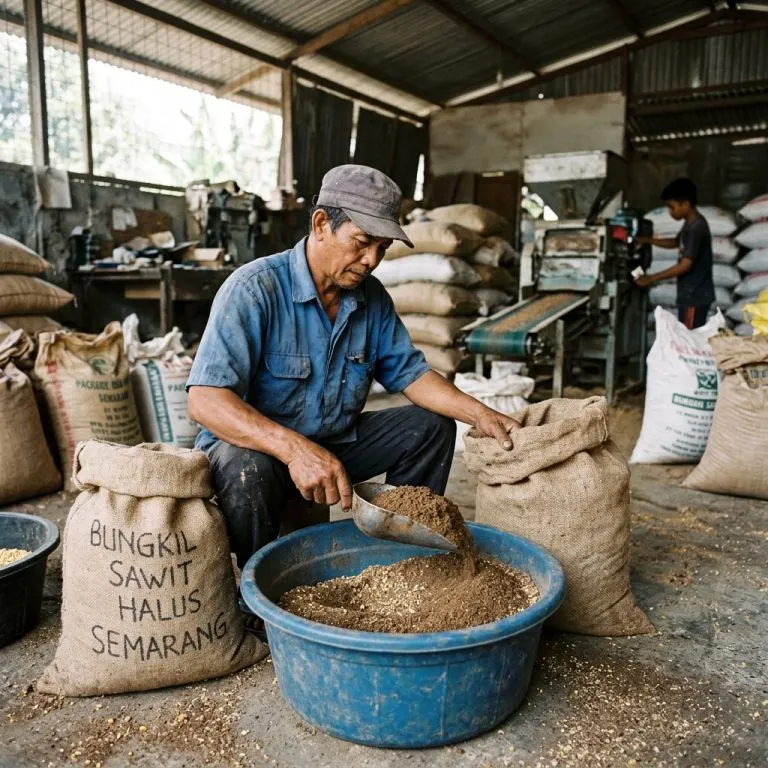
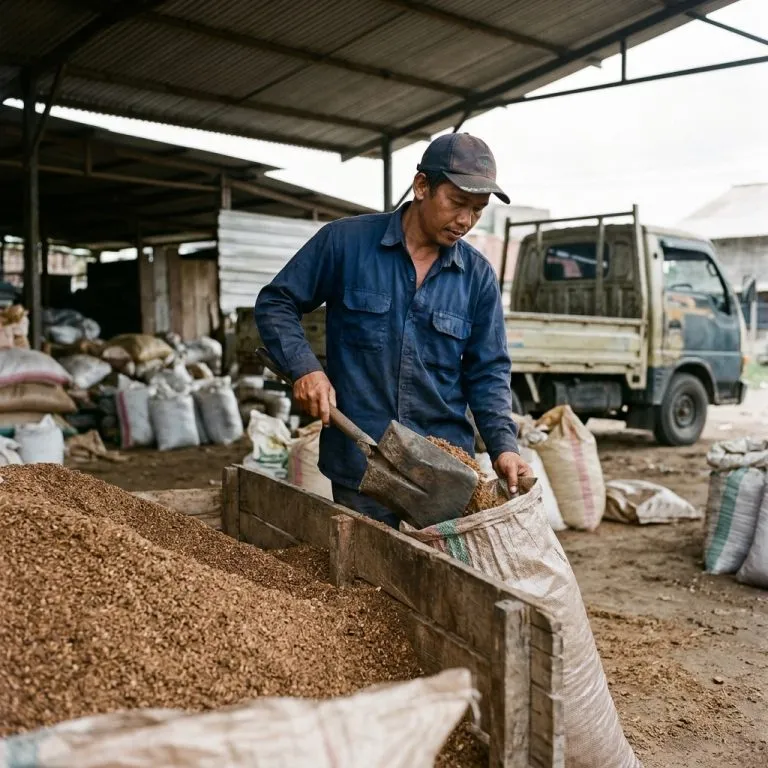
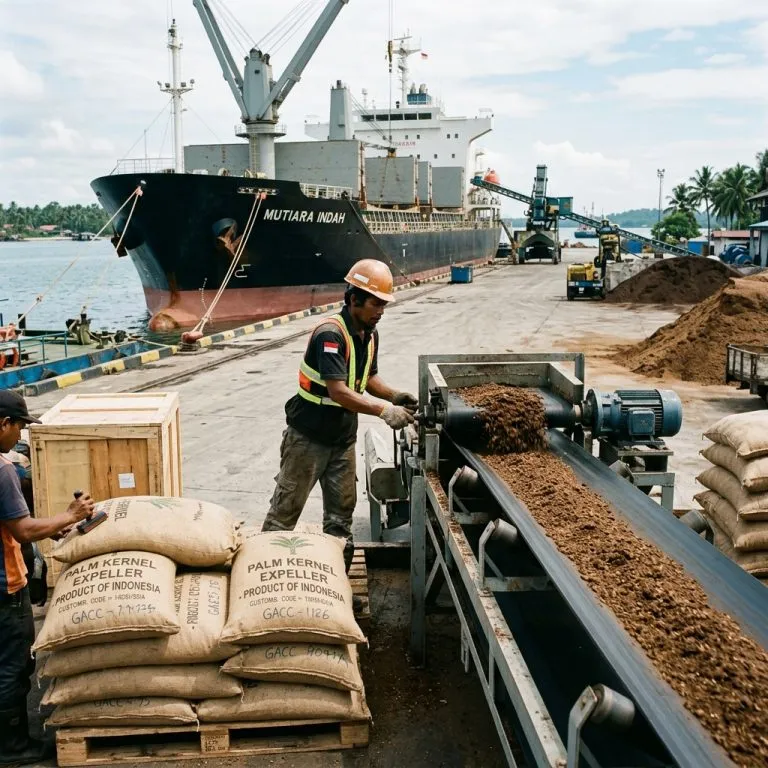
Ever wondered what 棕榈仁壳 (PKS) is used for? This remarkable resource is a byproduct of the palm oil industry, generated after the entire 油棕果串 is processed. Specifically, it’s the hard, woody shell that encases the 棕榈仁, which itself is crushed to produce 棕榈仁油. Instead of being discarded as agricultural waste, this material has been identified as a highly efficient and sustainable form of biomass. Its high calorific value and low moisture content make it an incredibly valuable asset in a world shifting towards greener alternatives.
For decades, the focus was solely on products like 粗棕榈油, leaving vast quantities of shells behind. Today, the economic and environmental potential of the 棕榈仁壳 is fully recognized. It represents a perfect example of a circular economy, turning waste into a valuable commodity that powers industries and improves agricultural practices across the globe.

7 Ultimate Uses for Palm Kernel Shell in 2025
The applications for this humble shell are impressively diverse. From heavy industry to organic farming, PKS is proving its worth. Here are the seven most significant uses that define its role in the modern economy.
1. A Powerhouse for Biomass Energy Generation
The number one use for 棕榈仁壳 is as a solid fuel for biomass power plants. Its high energy content, combined with low ash and sulfur content, makes it a cleaner alternative to fossil fuels like coal. Power plants can burn PKS directly or co-fire it with coal to reduce overall carbon emissions significantly.
This application is crucial for countries looking to meet renewable energy targets. The consistent supply from the palm oil industry ensures that PKS is a reliable fuel source. According to the 国际可再生能源机构(IRENA), biomass continues to be a key player in the global energy transition, and PKS is a star performer in this category.
2. The Foundation for High-Grade Activated Carbon
The porous nature of a 棕榈仁壳 makes it an ideal raw material for producing activated carbon. The process involves heating the shells in a low-oxygen environment to create char, which is then “activated” with steam or hot air. This creates a network of microscopic pores that are incredibly effective at adsorbing impurities.
This PKS-derived activated carbon is used in a wide array of filtration applications, including purifying drinking water, treating wastewater, and filtering air. Its high quality and sustainable origin make it a preferred choice over coal-based alternatives, as detailed in research found on platforms like 科学直接.
3. An Innovative Material in Road Construction
A lesser-known but fascinating application is the use of 棕榈仁壳 as a partial replacement for conventional aggregates in lightweight concrete and road construction. When crushed, the shells can be mixed into asphalt or concrete to reduce the overall weight and cost of the material.
While it may not replace traditional stone aggregates entirely, its use in paving blocks and low-traffic rural roads is a proven concept. This innovative approach helps reduce the demand for quarrying, further enhancing the material’s environmental credentials. The use of PKS contributes to a more sustainable construction industry.
4. A Component in Animal Feed Production
After specific processing, the 棕榈仁壳 can be ground and incorporated into animal feed formulations, primarily for ruminants. While it offers more fiber than nutritional value, it can serve as a filler that aids in digestion. It is often considered alongside other palm byproducts like 棕榈仁压榨机, a much richer feed source. It’s crucial that the shells are properly treated to ensure they are safe and palatable for livestock.
5. Creating Biochar for Superior Soil Health
Similar to activated carbon, PKS can be pyrolyzed to create biochar, a charcoal-like substance that works wonders as a soil conditioner. Adding biochar to soil enhances its fertility, improves water retention, and increases nutrient availability for plants.
This is a game-changer for agriculture in regions with poor soil quality. Biochar also sequesters carbon in the ground for hundreds of years, making it a powerful tool in combating climate change. Agricultural bodies, like the 国际生物炭倡议(International Biochar Initiative), champion its use for sustainable farming.

6. A Natural Abrasive and Polishing Agent
The hardness and angularity of crushed 棕榈仁壳 make it an effective, yet gentle, abrasive material. It can be used for sandblasting surfaces to remove rust or paint without damaging the underlying material. It’s also used as a polishing agent in some industrial processes and even as a non-slip surface in certain types of flooring.
7. Eco-Friendly Landscaping and Decorative Mulch
Finally, the aesthetic and practical qualities of the 棕榈仁壳 make it a popular choice for landscaping. Used as a mulch, it helps retain soil moisture, suppress weeds, and regulate soil temperature. Its unique dark color and texture provide a beautiful, long-lasting ground cover that decomposes very slowly.
The Surprising Environmental Benefits of Palm Kernel Shell
The widespread use of PKS offers clear environmental advantages. It turns a massive waste stream into a portfolio of valuable products, reducing landfill burden. As a carbon-neutral fuel, its use in energy generation directly displaces fossil fuels, cutting down on greenhouse gas emissions.
Furthermore, its applications in water purification and soil regeneration contribute to a healthier planet. The lifecycle of a 棕榈仁壳 is a powerful story of sustainability and resourcefulness, a key principle highlighted by organizations like the 联合国环境规划署 (UNEP).
Challenges and the Promising Future of This Resource
Despite its benefits, the 棕榈仁壳 supply chain faces challenges related to logistics, quality control, and ensuring it comes from sustainably managed plantations. Standardizing quality and improving collection and transportation infrastructure are key priorities for the industry.
The future, however, looks incredibly bright. As more industries seek green and sustainable materials, the demand for PKS is set to grow. Ongoing research is constantly uncovering new applications, cementing the role of the humble 棕榈仁壳 as a critical component of a global circular economy.
Conclusion: The Mighty Byproduct
So, what is 棕榈仁壳 used for? The answer is far more complex and exciting than one might imagine. It is not just a waste product but a cornerstone of renewable energy, a key ingredient in advanced materials like activated carbon, and a contributor to sustainable agriculture and construction.
This versatile, eco-friendly resource is a prime example of how innovation can transform byproducts into high-value assets. The continued growth in its applications is a positive sign for both economic development and environmental stewardship in 2025 and beyond.
Makmur Amanah Sejahtera 提供高品质的棕榈产品,例如棕榈仁压榨料、棕榈仁壳、原棕榈油、棕榈仁油等。请通过 WhatsApp +6282140002198 或发送电子邮件至 admin@makmuramanah.co.id 与我们联系。.正在寻找高品质的棕榈产品?