目录
The global demand for high-quality, cost-effective animal feed ingredients is constantly growing. In this landscape, 棕榈仁压榨机(PKE) emerges as a crucial and valuable resource. As a by-product of the palm oil industry, this ingredient offers a unique blend of energy, fiber, and protein that can significantly enhance livestock nutrition and farm profitability.
This comprehensive guide explores everything you need to know about PKE, from its production process and nutritional breakdown to its primary uses and incredible benefits for modern agriculture.

棕榈仁粕(PKE)究竟是什么?
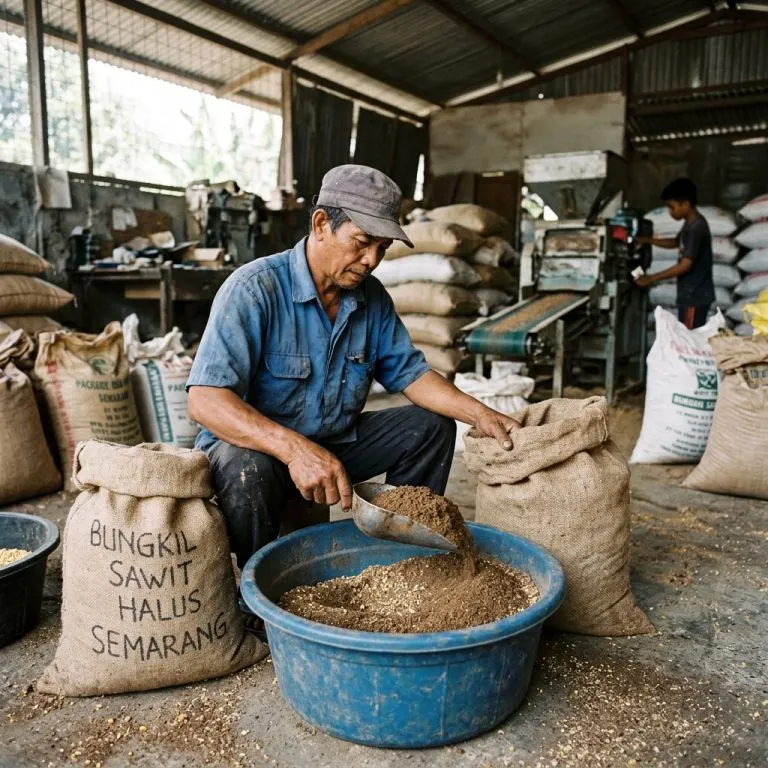
Palm Kernel Expeller (PKE) is the solid material left behind after the oil has been mechanically extracted from the kernel (seed) of the oil palm fruit. It is a highly fibrous and moderately protein-rich ingredient, making it a popular choice for compound animal feeds, especially for ruminant animals like cattle.
Often confused with Palm Kernel Meal (PKM), the distinction lies in the extraction method. PKE is produced using a mechanical press (an expeller), while PKM is often produced using solvent extraction. This means PKE typically has a higher residual oil content, making it a more energy-dense option.
PKE 是如何生产的?
The creation of PKE is an integral part of the palm oil production chain. Understanding this process highlights its nature as a sustainable by-product, ensuring that every part of the palm fruit is utilized.
- Harvesting & Sterilization: 新鲜的 Oil Palm Fruit Bunches are harvested and sterilized with steam to halt enzymatic processes that cause fatty acid buildup.
- Threshing: The fruits are separated from the bunches.
- 采油: The flesh of the fruit (mesocarp) is pressed to extract 粗棕榈油.
- 坚果敲碎: The remaining nut is cracked to separate the valuable 棕榈仁 与 棕榈仁壳.
- Kernel Crushing & Pressing: The kernels are crushed and then fed into a mechanical screw press, or “expeller,” which extracts the valuable 棕榈仁油.
- The Result: The solid, protein-rich fibrous material that remains is the 棕榈仁压榨机(PKE).
The Powerful Nutritional Profile of PKE
The nutritional value of PKE can vary based on the source and processing method, but it is renowned for its high fiber and energy content. This composition makes it a particularly excellent feed for ruminants, which can efficiently digest fibrous materials.
以下是典型的营养成分分析:
- 粗蛋白: 14-18%
- 粗纤维: 16-22%
- Crude Fat (Residual Oil): 8-12%
- 代谢能: 10-12 MJ/kg
- 矿物质: A good source of phosphorus, copper, zinc, and manganese.
The high fiber in PKE is beneficial for gut health in cattle, while its residual oil provides a concentrated source of energy. For more detailed analysis, authoritative sources like the Feedipedia database offer extensive data on its composition.
Top 4 Uses of PKE in Animal Feed
PKE’s versatility allows it to be incorporated into various animal diets. However, its inclusion levels must be carefully managed based on the species’ digestive capabilities.
1. Ruminant (Cattle & Dairy) Feed
This is the primary and most effective use for PKE. Dairy and beef cattle can easily digest its high-fiber content in their rumen, converting it into energy. It is prized for adding bulk to feed, promoting satiety, and providing a slow-release energy source that supports milk production and weight gain.
2. Poultry Feed
For monogastric animals like chickens, PKE is used in smaller quantities. Its high fiber can be difficult for poultry to digest, which can limit nutrient absorption. However, when used at lower inclusion rates (typically under 10%), it serves as a cost-effective filler. Researchers are continuously exploring the use of enzymes to break down the fiber, potentially increasing its value in poultry diets, as noted in studies published on platforms like 科学直接.
3. Swine Feed
Similar to poultry, the use of PKE in pig feed is limited by its fiber content. It is more suitable for sows and finishing pigs rather than young piglets whose digestive systems are less developed. It provides a source of protein and energy but cannot fully replace more digestible ingredients like soybean meal.
4. Aquaculture (Fish Feed)
There is growing interest in using PKE in feed for herbivorous fish species like tilapia. It can serve as a plant-based protein source, reducing reliance on more expensive fishmeal. Research is ongoing to optimize its use in aquafeed formulations.
The 5 Ultimate Benefits of Using PKE
Incorporating PKE into feed rations offers several compelling advantages for farmers and feed manufacturers.
- Excellent Cost-Effectiveness: As a by-product, PKE is often more affordable than primary protein sources like soybean meal or corn, helping to reduce overall feed costs.
- High Energy Content: The residual palm kernel oil makes it a dense source of energy, which is vital for animal growth and production.
- Rich in Beneficial Fiber: For ruminants, the high fiber promotes healthy rumen function and digestion.
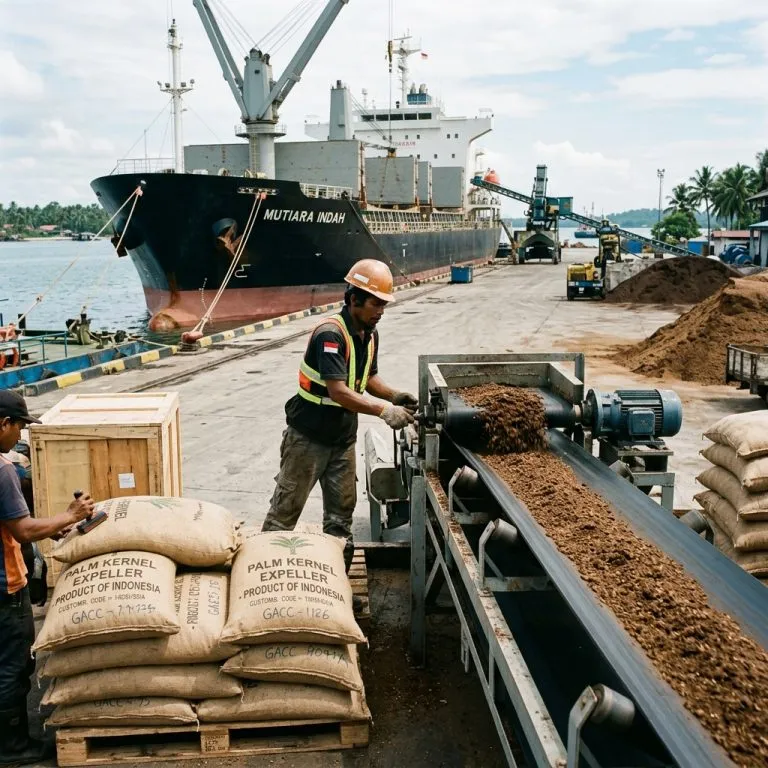
- Consistent Availability: The massive scale of the global palm oil industry ensures a steady and reliable supply of PKE year-round.
- 减少废物: Using PKE adds value to a by-product, promoting a more sustainable and circular economy within the agricultural sector.
局限性和重要考虑因素
While PKE is highly beneficial, it’s essential to be aware of its limitations. The amino acid profile, particularly in lysine and methionine, is lower than that of soybean meal. This is a critical consideration for formulating diets for monogastric animals.
Additionally, its gritty texture can sometimes affect palatability. Proper feed formulation, mixing, and sometimes pelleting are necessary to ensure optimal intake by the animals. Storage is also crucial; due to its oil content, it should be kept in a cool, dry place to prevent rancidity.
The Future of PKE: A Focus on Sustainability
The conversation about any palm-derived product must include sustainability. While PKE itself is a by-product that reduces waste, its source is linked to the palm oil industry, which has faced environmental scrutiny. Responsible sourcing is key.
诸如 可持续棕榈油圆桌会议(RSPO) are working to certify sustainable practices. Sourcing PKE from certified, deforestation-free plantations is becoming increasingly important for feed manufacturers and consumers who value environmental stewardship.
Contact Us for Your Palm Product Needs
Makmur Amanah Sejahtera 提供高品质的棕榈产品,例如棕榈仁压榨料、棕榈仁壳、原棕榈油、棕榈仁油等。请通过 WhatsApp +6282140002198 或发送电子邮件至 admin@makmuramanah.co.id 与我们联系。. What is the main difference between PKE and soybean meal? Is PKE safe for all animals? How should PKE be stored? In conclusion, PKE stands out as a remarkably valuable and versatile ingredient in the animal feed industry. Its cost-effectiveness, high energy, and fiber content make it an indispensable resource, particularly for ruminant nutrition. By understanding its benefits and limitations, farmers can leverage PKE to create balanced, affordable, and effective feed solutions for a more productive and sustainable future.正在寻找高品质的棕榈产品?
常见问题解答
The primary difference is in their nutritional profiles. Soybean meal has much higher protein (44-48%) and a better amino acid balance for poultry and swine. PKE has lower protein but significantly higher fiber and energy from fat, making it more suitable for cattle.
It is safe but not optimal for all animals. It is ideal for ruminants. For monogastric animals like chickens and pigs, it should only be used at limited inclusion rates due to its high fiber content, which can be difficult for them to digest.
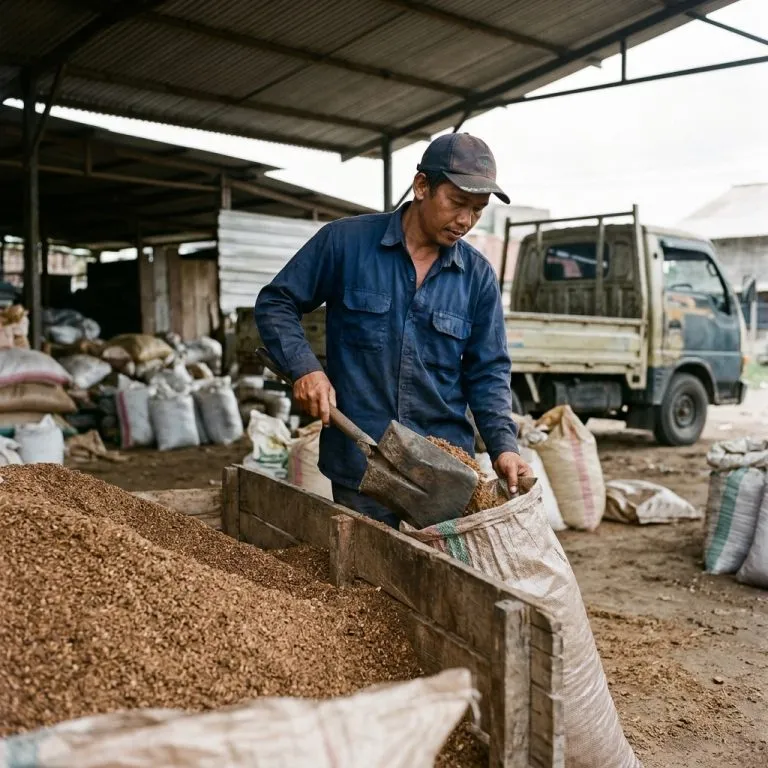
PKE should be stored in a dry, well-ventilated area away from direct sunlight to prevent mold growth and rancidity of its residual oil. Storing it in bags on pallets is a common and effective method.