
Copra Meal: 7 Proven Benefits & Nutrition Guide for 2026
椰干粉 is a highly nutritious, protein-rich feed ingredient derived from the mechanical extraction of coconut oil. As livestock producers globally face rising feed costs in 2026, finding sustainable, high-energy alternatives like coconut meal has become essential for profitability. This comprehensive guide explores everything you need to know about optimizing animal nutrition with this powerful byproduct.
For decades, farmers relied heavily on expensive soy and corn. However, the agricultural landscape is shifting. Recent data indicates that incorporating coconut byproducts can reduce feeding costs by up to 15% without compromising animal performance. Whether you manage a high-yield dairy herd or a stable of performance horses, understanding the value of 椰干粉 is key to maintaining a competitive edge.
What is Copra Meal? (Production and Definition)
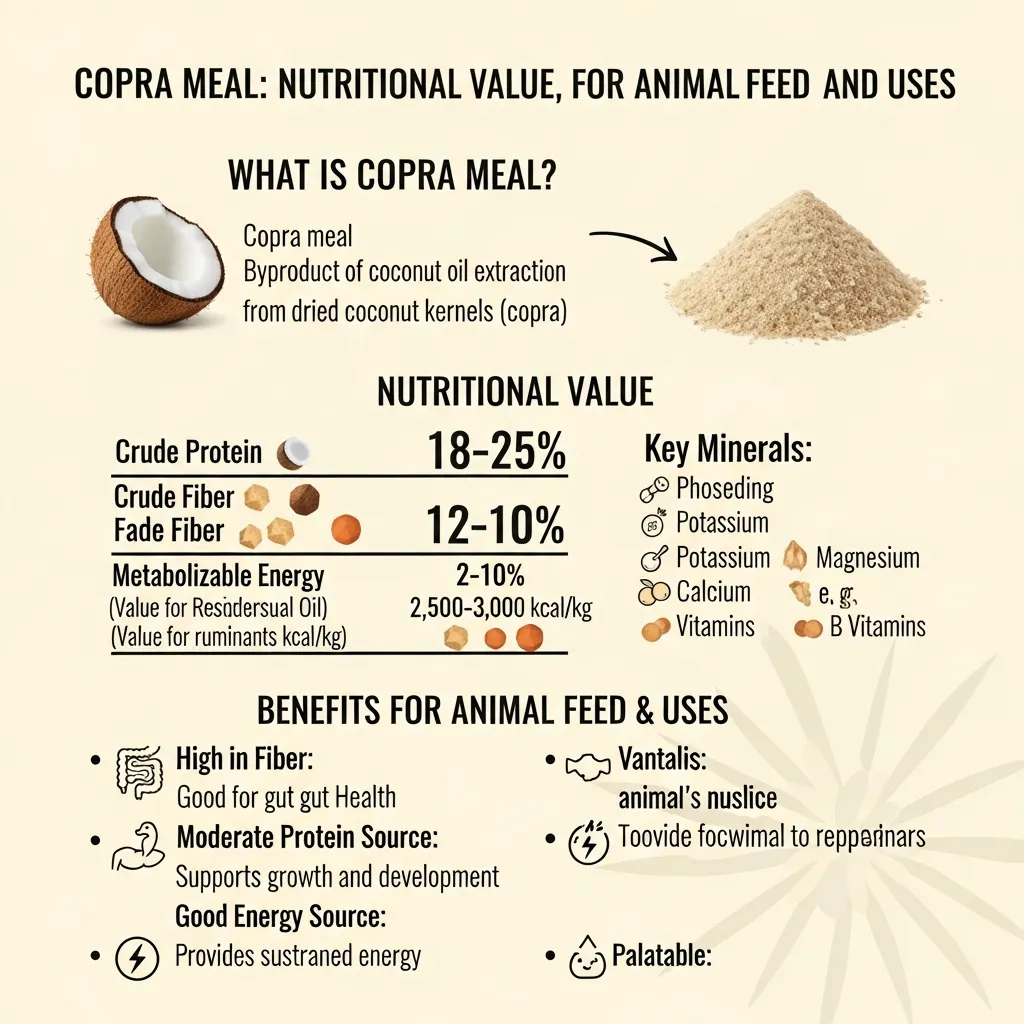
椰干粉 is the solid residue remaining after the extraction of oil from dried coconut meat (copra). It is a valuable source of energy and fermentable fiber for ruminants and monogastric animals. The quality of the meal is directly influenced by the oil extraction method employed.
The Production Process
The production begins with drying the coconut meat to a moisture content of roughly 6%. The oil is then removed, typically via mechanical expeller pressing. This process leaves a meal with residual oil content ranging from 8% to 12%, which is significantly higher than solvent-extracted meals. This residual oil is what gives the meal its high energy density, making it a superior feed for livestock requiring caloric density without the risk of starch overload.
Often referred to as coconut meal or coconut oil cake, this ingredient is distinct from other palm products like 棕榈仁压榨机, though both are excellent sources of bypass protein. While Palm Kernel Expeller is derived from the nut of the oil palm, copra comes exclusively from the coconut palm (椰子(Cocos nucifera)).
Detailed Nutritional Profile of Copra Meal
Understanding the nutrient composition is crucial for formulating balanced rations. 椰干粉 is characterized by its high energy density due to residual coconut oil and its moderate protein content. Unlike many other protein meals, it offers a unique combination of energy and fiber.
Below is a comparative breakdown of its typical nutritional values on a Dry Matter (DM) basis:
| 营养成分 | Average Value (DM Basis) | 重要意义 |
|---|---|---|
| 粗蛋白 | 20% – 22% | Moderate protein source; high bypass capability. |
| 粗脂肪(油) | 8% – 12% | Provides “cool energy” and essential fatty acids. |
| 中性洗涤纤维 (NDF) | 45% – 55% | Highly digestible fiber supporting rumen health. |
| 代谢能(反刍动物) | ~11-12.5 MJ/kg | High energy density for fattening and lactation. |
| Non-Structural Carbohydrates (NSC) | < 15% | Safe for animals prone to metabolic disorders. |
The protein quality is notable because it has low rumen degradability. This means more protein bypasses the rumen to be absorbed directly in the small intestine, promoting better growth rates in cattle. It is, however, low in essential amino acids like lysine and histidine, which must be balanced when formulating diets for monogastrics like pigs and poultry.
7 Key Benefits of Copra Meal for Livestock
Why are nutritionists switching to 椰干粉 in 2026? The benefits extend far beyond simple cost savings. Here are the top advantages backed by industry research:
- High Bypass Protein: Approximately 60% of the protein in copra bypasses the rumen. This “Ruminally Undegradable Protein” (RUP) is ideal for high-producing dairy cows that need protein for milk production rather than just microbial maintenance.
- Cool Energy Source: The high oil content provides energy without causing acidosis. Unlike high-starch grains (corn, wheat) that ferment rapidly and lower rumen pH, coconut oil provides slow-release energy, often called “cool energy.”
- 卓越的适口性: The sweet, nutty aroma of coconut stimulates appetite. This makes it an excellent carrier for minerals or less palatable feeds, encouraging higher total feed intake in picky eaters or stressed animals.
- Improved Milk Solids: Studies cited by Feedipedia suggest that the medium-chain fatty acids (like lauric acid) in coconut oil can increase milk fat content in dairy cattle, directly impacting milk checks for farmers paid on component pricing.
- 成本效益: It generally trades at a lower price point than soybean meal, offering a better Return on Investment (ROI). By substituting a portion of expensive protein sources, farmers can lower the cost per kilogram of gain.
- Coat Condition: The residual oils improve skin health and create a shiny coat. This is particularly beneficial for show horses and cattle, where visual appearance is paramount. The lipid profile supports the sebaceous glands, resulting in a distinct “bloom.”
- Reduced Methane Emissions: Emerging research suggests certain fatty acids in coconut (specifically lauric and myristic acids) may inhibit methanogenic protozoa in the rumen, helping to mitigate methane production—a crucial factor for sustainable farming in 2026.
Copra Meal Applications by Animal Type
While versatile, this feed ingredient must be introduced correctly depending on the species. Here is how to utilize it effectively across different livestock sectors.
Ruminants (Dairy and Beef Cattle)
对于反刍动物而言, 椰干粉 is a powerhouse. It serves as a primary protein supplement that balances pasture-based diets. Dairy farmers often mix it with 棕榈油脂肪酸钙盐 to maximize energy intake during early lactation without disrupting rumen pH.
发表于 乳品科学杂志 indicates that inclusion rates of up to 20% in the Total Mixed Ration (TMR) maintain milk yield while boosting fat percentage. For beef cattle, it promotes steady weight gain and excellent marbling without the risk of bloat associated with heavy grain feeding.
Horses (Equine Nutrition)
Horse owners value “cool feeds” that provide energy without making the animal “hot” or hyperactive. The oil in coconut meal provides slow-release energy, making it excellent for conditioning horses. It is low in Non-Structural Carbohydrates (NSC), which is safer for horses prone to laminitis, Cushing’s disease, or tying-up (rhabdomyolysis).
Because it is highly absorbent, it should be fed wet or soaked into a mash. This not only increases water intake but also prevents choke in horses that eat quickly.
猪和家禽
Monogastric animals require careful formulation. Due to higher fiber content and lower lysine levels, inclusion rates for pigs and poultry are typically lower (5-10%). However, it can still serve as a valuable amino acid contributor when balanced with synthetic lysine and methionine supplements. It is particularly useful in gestation diets for sows, where fiber helps satisfy satiety and prevent constipation.
Copra Meal vs. Other Protein Meals
To make an informed decision, it helps to compare 椰干粉 against other common feed ingredients. Here is how it stacks up against Soybean Meal and Palm Kernel Expeller (PKE).
| 特征 | 椰干粉 | 豆粕 | 棕榈仁压榨机 |
|---|---|---|---|
| 粗蛋白 | 20-22% | 44-48% | 15-17% |
| 含油量 | High (8-12%) | Low (1-2%) | Moderate (6-8%) |
| Energy Type | Cool Energy (Lipids) | Protein Energy | Fiber Energy |
| 适口性 | High (Sweet) | 高 | Moderate (Gritty) |
While soybean meal is the gold standard for protein quantity, coconut meal offers superior energy density and bypass protein qualities often at a lower cost per unit of energy.
Potential Drawbacks and Anti-Nutritional Factors
Despite its benefits, users must be aware of specific limitations to ensure animal safety. The primary concern is rancidity. Because of the high oil content, improper storage can lead to oxidation in hot, humid climates (oxidative rancidity), which reduces palatability and can cause digestive upset.
Furthermore, an excessive intake of copper can be an issue. Coconut palms grown in copper-rich soils concentrate the mineral in the meal. Sheep are particularly sensitive to copper toxicity, so testing the batch or limiting intake for sheep is recommended. Always ensure you are sourcing from a reputable supplier like Makmur Amanah Sejahtera, who also supplies RBD CP8 and other high-quality derivatives, to guarantee safety standards.
Aflatoxins are another potential risk if the copra was not dried correctly before processing. Sourcing from certified facilities that adhere to strict moisture controls is non-negotiable for animal health.
How to Store and Feed Copra Meal Correctly
To maximize the shelf life and nutritional value of 椰干粉, follow these best practices:
- 水分控制: Store in a cool, dry place with moisture levels kept below 10% to prevent mold growth (aflatoxins). Use pallets to keep bags off the floor.
- Introduction Period: Introduce the feed gradually over 7–10 days. This allows the animal’s rumen microbes and digestive enzymes to adapt to the new fiber and oil levels, preventing loose manure.
- Combination Feeding: It blends well with other byproducts. For bedding or fiber needs in your facility, consider using 椰糠 或者 棕榈仁壳 for effective facility management.
- Monitor Intake: Do not free-feed initially. Because it is so palatable, some animals may gorge themselves. Measure rations carefully.
Proper management ensures that your livestock reaps the full benefits of this exceptional feed ingredient without digestive upset. When managed correctly, the inclusion of premium Copra Meal into your feed strategy can be a game-changer for farm profitability.
Makmur Amanah Sejahtera 我们提供高品质的棕榈产品,例如棕榈仁粕、棕榈仁壳、原棕榈油、棕榈仁油等。请通过 WhatsApp 联系我们。 +6282140002198 或发送电子邮件至 admin@makmuramanah.co.id.
常见问题解答
椰子粕对牛有益吗?
Yes, it is excellent for cattle. It provides high levels of bypass protein and metabolizable energy. It helps increase milk fat in dairy cows and promotes weight gain in beef cattle without the risk of acidosis associated with heavy grain feeding strategies.
椰子粕与棕榈粕有什么区别?
While both are byproducts of oil extraction, copra meal comes from coconuts, whereas Palm Kernel Expeller comes from oil palm nuts. Copra generally has higher protein (20-22%) compared to PKE (15-17%) and is often more palatable due to its sweet smell and higher residual oil content.
Can you feed copra meal to horses?
Absolutely. It is a popular “cool feed” for horses because it provides energy from fat and fiber rather than sugar and starch. This helps maintain condition and coat shine without causing hyperactivity or metabolic issues like laminitis.
How long can copra meal be stored?
If stored in a cool, dry environment with low humidity, it can last for 3 to 6 months. However, due to its residual oil content, it is more prone to rancidity than drier grains, so fresh stock should be used within a reasonable timeframe.
Does copra meal contain aflatoxins?
Like many stored grains and meals, it can develop aflatoxins if mold grows due to high moisture. Sourcing from certified suppliers who dry the product correctly to below 12% moisture significantly reduces this risk.
结论
In the evolving agricultural market of 2026, finding efficient feed solutions is critical. 椰干粉 stands out as a superior ingredient that offers high-quality bypass protein, safe energy, and improved animal health. By integrating this versatile byproduct into your feed rations, you can enhance livestock performance while managing costs effectively.



