
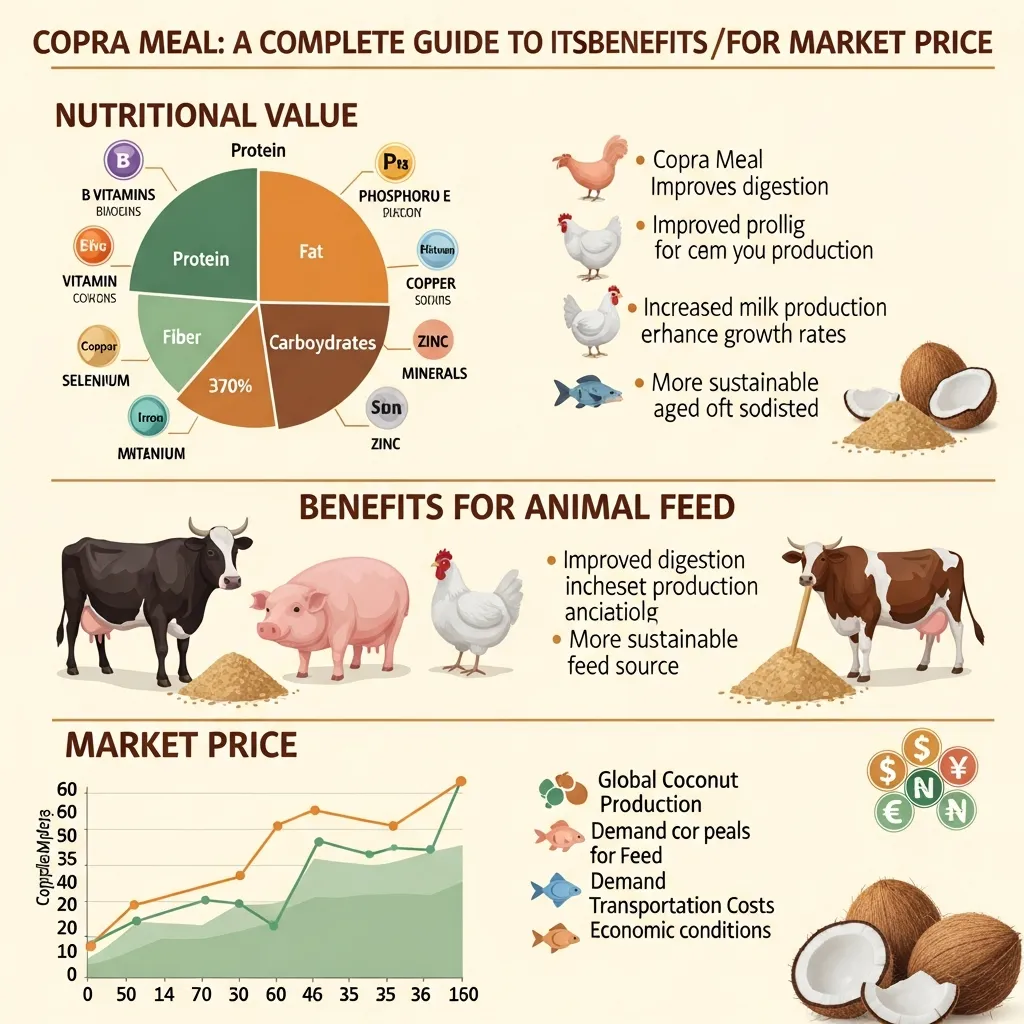
Copra Meal: #1 Ultimate Guide to Nutrition & Benefits (2026)
椰干粉 is a highly nutritious, cost-effective byproduct of coconut oil extraction that has revolutionized the animal feed industry in 2026. As global agricultural dynamics shift, livestock owners facing rising conventional feed costs are increasingly turning to this high-protein ingredient to maximize growth rates, enhance milk production, and ensure economic sustainability. In this comprehensive guide, we uncover exactly why this coconut byproduct is the superior choice for your feed formulation strategy this year.
Navigating the volatile feed market requires agility and knowledge. As grain prices fluctuate, finding a reliable source of protein and metabolizable energy is critical for agricultural success. 椰干粉 offers a unique combination of bypass protein and digestible fiber, making it an indispensable ingredient for ruminants, poultry, and swine. Statistics from early 2026 indicate a 15% increase in its adoption across Southeast Asia and Australia, proving its growing dominance as a premier feed solution.
What is Copra Meal? (Definition & Production Process)
从本质上讲, 椰干粉 (often referred to as coconut meal or coconut cake) is the solid residue remaining after oil is extracted from dried coconut meat (copra). Far from being a mere waste product, it is a nutrient-dense feed ingredient valued globally for its high digestibility, palatability, and safety profile.
Production: Mechanical vs. Solvent Extraction
Understanding the production method is vital for gauging nutritional quality. The process generally involves two distinct stages:
- 烘干: Fresh coconut meat is carefully dried to reduce moisture content to approximately 6%, creating “copra.” This step is crucial to prevent mold formation.
- Extraction:
- Mechanical Expeller: The most common method, resulting in “copra cake” or “expeller meal” with a residual oil content of 8–12%. This high oil content provides excellent energy.
- 溶剂浸出: Uses chemicals like hexane to remove nearly all oil, leaving a meal with less than 3% oil but higher protein concentration.
The resulting brown, fibrous material is ground into a meal or pelletized. This process concentrates the protein and fiber, resulting in a feed free from harmful chemical additives. Unlike heavily processed commercial feeds, high-quality coconut meal retains a sweet, nutty aroma that animals find irresistible, significantly improving voluntary feed intake.
💡 Expert Definition
椰干粉 is a medium-protein (20–22%) feed ingredient derived from the mechanical extraction of coconut oil. It is characterized by high fiber content and a significant amount of residual oil, making it an excellent source of “cool energy” for ruminants and horses.
Copra Meal Nutritional Value: A 2026 Analysis
To formulate a balanced diet, one must understand the specific nutrient profile. The value of 椰干粉 lies in its unique amino acid composition and energy density. It is particularly renowned for its high levels of bypass protein (UDP), which escapes digestion in the rumen and is absorbed in the small intestine, directly supporting muscle growth and milk yield in dairy cattle.
Below is a comparative analysis of the typical nutritional composition found in premium samples analyzed in 2026:
| 营养参数 | Average Content (%) | Benefits for Livestock |
|---|---|---|
| 粗蛋白 | 20% – 22% | Supports muscle development and milk protein synthesis. |
| 粗脂肪(油) | 8% – 12% | High energy density without acidosis risk; improves coat shine. |
| 粗纤维 | 12% – 16% | Promotes healthy rumen function and prevents digestive upsets. |
| 水分 | < 12% | Ensures longer shelf life and prevents mold/aflatoxin growth. |
| 代谢能 | 10–12 MJ/kg | Excellent energy source for maintenance, growth, and lactation. |
Copra Meal Protein and Amino Acid Profile
While the total protein content is moderate compared to soybean meal, the quality of protein in coconut meal is distinct. It is relatively low in lysine and histidine but rich in arginine. This makes it an ideal ingredient to blend with lysine-rich sources. For dairy cattle, the high proportion of bypass protein means that nutrients are utilized more efficiently for milk synthesis rather than being degraded by rumen microbes.
For detailed scientific breakdowns, institutions like Feedipedia provide extensive databases on feed compositions that validate these 2026 figures.
[Infographic: Bypass Protein Comparison – Copra Meal vs. Soybean Meal]
5 Key Benefits of Copra Meal for Animal Feed
公司 椰干粉 into your livestock diet offers tangible economic and physiological advantages. Here are the top five benefits observed by nutritionists and farmers this year.
1. Superior Milk Production in Dairy Cattle
发表于 乳品科学杂志 has consistently shown that the galactomannan polysaccharides in coconut meal can boost milk fat levels. The bypass protein ensures that cows have the necessary building blocks for milk protein synthesis. Many dairy farmers report a 1–2 liter increase in daily yield per head when transitioning to a balanced ration containing coconut meal. For enhanced energy, some farmers also supplement with 棕榈油脂肪酸钙盐 alongside copra.
2. “Cool Energy” for Horses
Unlike grain-based feeds that cause insulin spikes and “hot” behavior, the energy from coconut meal comes from digestible fiber and oil. This provides a slow-release, non-heating energy source, making it perfect for working horses and ponies prone to metabolic disorders like tying-up or laminitis.
3. Cost-Effective Growth for Beef Cattle
With global grain prices soaring, 椰干粉 serves as an economical substitute. It promotes steady weight gain and improves coat condition due to the residual coconut oil. The oil acts as a natural conditioner, resulting in a shiny, healthy appearance that commands higher prices at market. It pairs well with 棕榈仁压榨机 for a cost-reduced total mixed ration (TMR).
4. Enhanced Palatability
Animals love the taste. The natural sweetness of the residual coconut meat masks the flavor of less palatable ingredients (like minerals or medicines), ensuring consistent feed intake. This is crucial during weaning or periods of stress, such as transportation or extreme weather.
5. 可持续且环保
Using byproducts like coconut meal contributes to a circular economy, reducing waste from the coconut industry. This aligns with 2026 sustainability goals for modern agriculture. Farms looking to further improve their sustainability footprint often utilize 棕榈仁壳 for biomass energy generation on-site.
Copra Meal vs. Palm Kernel Expeller vs. Soybean Meal
A common question among feed formulators is how coconut meal compares to other byproducts like 棕榈仁压榨机(PKE) or standard soybean meal. Here is a direct comparison to help you choose the right ingredient.
| 特征 | 椰干粉 | 棕榈仁压榨机(PKE) | 豆粕 |
|---|---|---|---|
| 蛋白质含量 | 20% – 22% | 14% – 16% | 44% – 48% |
| 能量水平 | High (Oil + Fiber) | 中等 | 中等 |
| 适口性 | Excellent (Sweet) | Moderate (Gritty) | 良好 |
| 主要用途 | Dairy, Beef, Horses | Ruminant Filler | All Classes (Protein) |
| 成本效益 | 高 | 极高 | Low (Expensive) |
While soybean meal is the gold standard for protein, 椰干粉 offers better energy value and is significantly more affordable. For a balanced diet, many nutritionists recommend using a mix. You might also consider exploring other organic byproducts like 椰糠 for superior animal bedding, creating a fully integrated farm management system.
Current Market Price and Global Trends (2026)
The market for **copra meal** in 2026 is influenced by the stability of coconut oil production in major exporting nations like Indonesia and the Philippines. Currently, prices have stabilized after the volatility of previous years, making it a predictable input cost for farmers.
Demand is surging in East Asia (South Korea, Japan) and Europe as regulations regarding sustainable feed sourcing become stricter. The “clean label” trend has moved from human food to animal feed, with buyers preferring natural byproducts over synthetic additives. According to the FAO World Markets and Trade reports, the export volume of coconut byproducts has seen a steady annual growth of 3.5%.
Furthermore, shipping logistics have improved. Suppliers like Makmur Amanah Sejahtera are now able to ship premium grade meal more efficiently, ensuring freshness upon arrival. For high-energy requirements, operations often import RBD CP8 (palm oil) to supplement liquid fat alongside dry meals.
How to Safely Store and Feed Copra Meal
为了充分发挥 椰干粉, proper storage is non-negotiable. Improper storage can lead to rancidity or mold growth due to the residual oil content.
Avoiding Aflatoxin Risks
The most critical risk with coconut products is aflatoxin contamination, produced by 曲霉 fungi if the product is stored moist. To prevent this, leading agricultural extension services recommend strict protocols:
- 水分控制: Ensure the meal has a moisture content below 12% upon receipt.
- 通风: Store in a cool, dry, well-ventilated warehouse. Avoid direct contact with concrete floors by using pallets.
- Turnover: Use a “First-In, First-Out” (FIFO) inventory system. Do not keep stocks for longer than 3–4 months in humid climates.
推荐喂食量
- 奶牛: 2–4 kg per head per day (up to 20% of ration).
- 肉牛: 1–3 kg per head per day.
- Pigs: Up to 15% for growers; limit for starters due to fiber.
- 家禽: Limit to 10% in layers; lower for broilers to maintain growth rates.
When feeding, introduce the meal gradually over 7–10 days to allow the rumen bacteria to adapt. For those managing large operations, integrating 椰干粉 with other fat sources can optimize the energy balance of the ration.
Makmur Amanah Sejahtera提供高品质棕榈产品,如 Palm Kernel Expeller、Palm Kernel Shell、Crude Palm Oil、Palm Kernel Oil 等。欢迎通过 WhatsApp 与我们联系 +6282140002198 或发送电子邮件至 admin@makmuramanah.co.id.正在寻找高品质的棕榈产品?
Frequently Asked Questions About Coconut Meal
椰干粉和椰干饼有什么区别?
The difference lies in the extraction method and physical form. Copra cake is the slab-like residue from the mechanical expeller process and contains slightly more oil (8-12%). Copra meal is the ground version of this cake, or sometimes the residue from solvent extraction, which has a finer texture and lower oil content.
Is copra meal safe for horses?
Yes, it is excellent for horses. It provides “cool energy” (non-heating) because it is low in starch and high in fiber and oil. It promotes a shiny coat and helps maintain weight without causing hyperactivity associated with grain-based feeds.
How much copra meal should I feed my cattle?
For adult beef cattle, you can feed up to 2–3 kg per head per day. For dairy cows, it is typically included at 15–20% of the total ration. Always introduce it gradually over a week to prevent digestive upset and allow rumen adaptation.
椰子粕属于高蛋白饲料吗?
It contains a moderate to high protein level, typically between 20% and 22%. While lower than soybean meal, its high bypass protein capability makes it extremely valuable for ruminant production, allowing for efficient milk synthesis.
Can copra meal go bad?
Yes, due to its residual oil content, it can become rancid if stored improperly. It is also susceptible to mold if exposed to moisture. Always store it in a dry, ventilated place and use it within 3 to 6 months of production.
结论
As we navigate the agricultural challenges of 2026, 椰干粉 stands out as a resilient, nutritious, and economically viable feed solution. Its ability to boost milk production, provide safe energy for horses, and lower overall feed costs makes it a top-tier choice for modern farmers.
By understanding its nutritional value and adhering to proper storage guidelines, you can harness the full potential of this coconut byproduct. Whether you are blending it with 椰干粉 from trusted suppliers or comparing it with other expellers, the data is clear: coconut meal is a powerhouse ingredient that delivers results.
In conclusion, utilizing 椰干粉 in your feed formulation is not just a cost-saving measure—it is a strategic investment in the long-term health and productivity of your livestock operation.



